
Adam West: The Caped Crusader’s Gilded Cage as "Batman" in "Batman"
For Adam West, the neon-soaked heights of 1960s "Batmania" were both a peak and a prison. His deadpan delivery and heroic chin became so synonymous with the Caped Crusader that when the sirens finally faded, the industry went silent. For decades, West found himself unable to land "serious" roles, as casting directors couldn't see past the cowl. He spent years making appearances in the suit just to pay the bills, a silver-screen titan reduced to a county-fair curiosity.
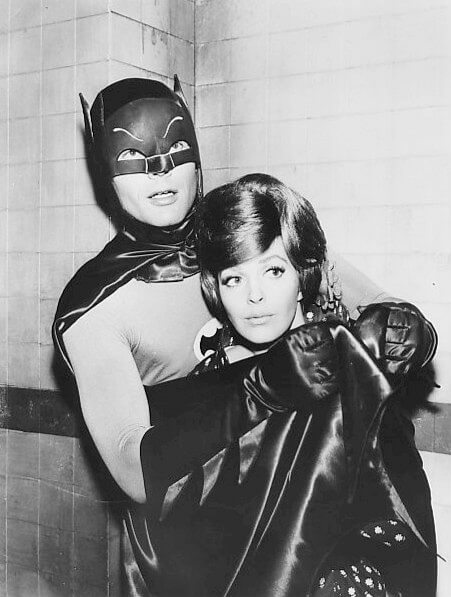
It wasn’t until his later years, embracing the camp with a wink, that he finally found peace with the bat-shaped shadow that followed him into every room.
Margaret Hamilton: The Green Shadow of the "Wicked Witch of the West" in "The Wizard of Oz"
Margaret Hamilton was a gentle former schoolteacher who loved children, yet she spent her life being feared by them. Her performance as the Wicked Witch of the West was so visceral and terrifying that it effectively ended her ability to play anything else with the same impact. She famously appeared on Mister Rogers' Neighborhood just to take off the costume and show children she was human, a bittersweet attempt to reclaim her identity from a character that had quite literally scarred her (during a pyrotechnics mishap on set).
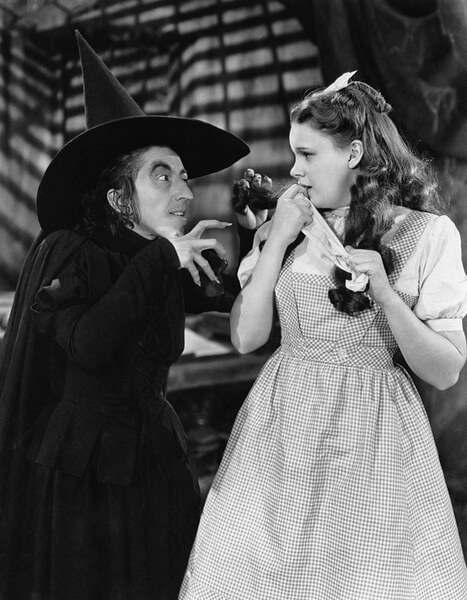
She remained a working actress for forty years, but in the public’s eye, she was forever melting in the straw.
Leonard Nimoy: The Logical Prison of "Spock" in "Star Trek"
Few actors have wrestled with their legacy as publicly as Leonard Nimoy. His relationship with the pointed ears was so complex that he titled his first autobiography I Am Not Spock, only to follow it up years later with I Am Spock. As the logical Vulcan, Nimoy became a global symbol of the "outsider," a status that made it nearly impossible for audiences to accept him as a romantic lead or a gritty detective.
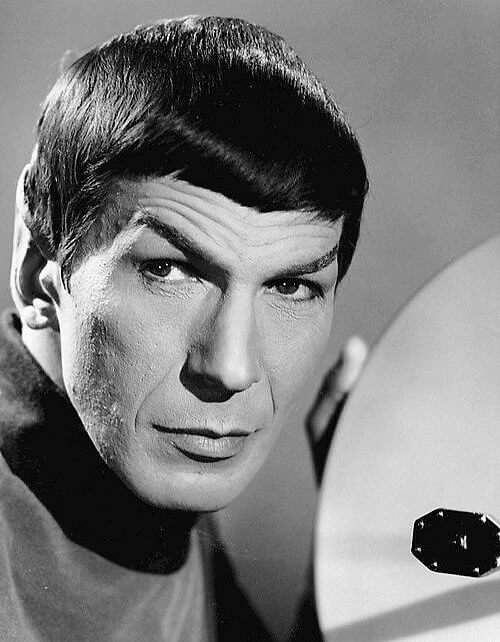
The character didn’t just define his career; it redefined his biology in the eyes of the world. He eventually chose to embrace the logic of his situation, finding that if he couldn't escape the character, he would at least guide its soul.
Anthony Perkins: The Permanent Resident "Norman Bates" in "Psycho"
Anthony Perkins was a burgeoning matinee idol with a sensitive, boyish charm before Alfred Hitchcock cast him in Psycho. That one performance—shattering, nuanced, and terrifying—effectively ended his life as a leading man. The industry, and the world, decided Perkins was "disturbed." He spent the rest of his career trapped in the shadow of the shower curtain, often cast in pale imitations of the high-strung Norman Bates. Even when he moved to Europe to seek more diverse work, the specter of the motel followed him.
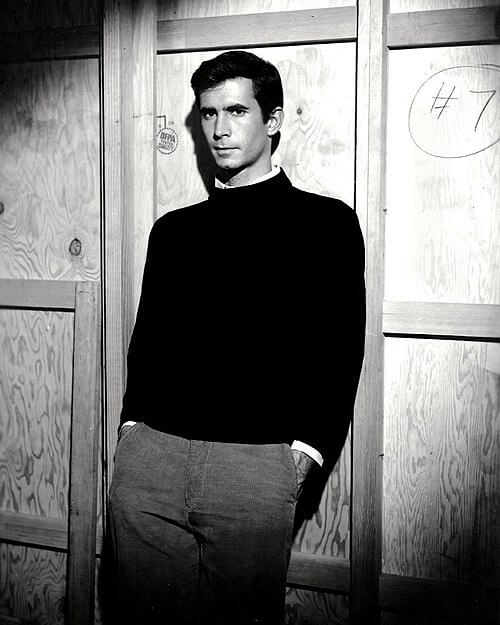
He was a versatile talent who found himself eternally checked in to a room he could never leave.
Carrie Fisher: The Galaxy's Eternal "Princess Leia" in "Star Wars"
Carrie Fisher didn't just play Princess Leia; she became the face of a modern mythology. While Fisher’s razor-sharp wit and writing prowess eventually carved out a second act for her, she spent decades battling the "cinnamon bun" hairstyle that defined her youth. She once remarked that she looked in the mirror and saw a product rather than a person. The gravity of Star Wars was so immense that it pulled every other role she attempted into its orbit.
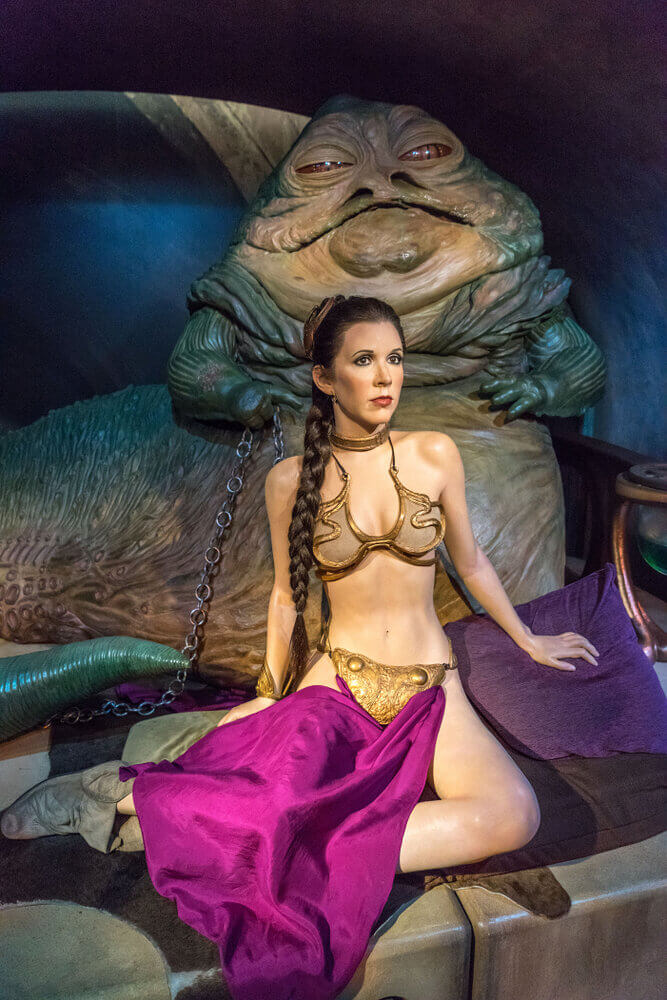
Fisher’s struggle was a masterclass in survival, as she used her own "typecasting" as ammunition for her legendary memoirs, refusing to let the bikini-clad icon have the last word.
Mark Hamill: The Farm Boy Lost in "Luke Skywalker" in "Star Wars"
While his co-star Harrison Ford managed a miraculous escape into the arms of Indiana Jones, Mark Hamill found that the Force had a much tighter grip on his future. After Return of the Jedi, Hamill’s face was so inextricably linked to the ultimate hero’s journey that he struggled to find footing in live-action cinema. To the world, he was the eternal farm boy of Tatooine. Showing the resilience of a true Jedi, Hamill eventually pivoted to voice acting.
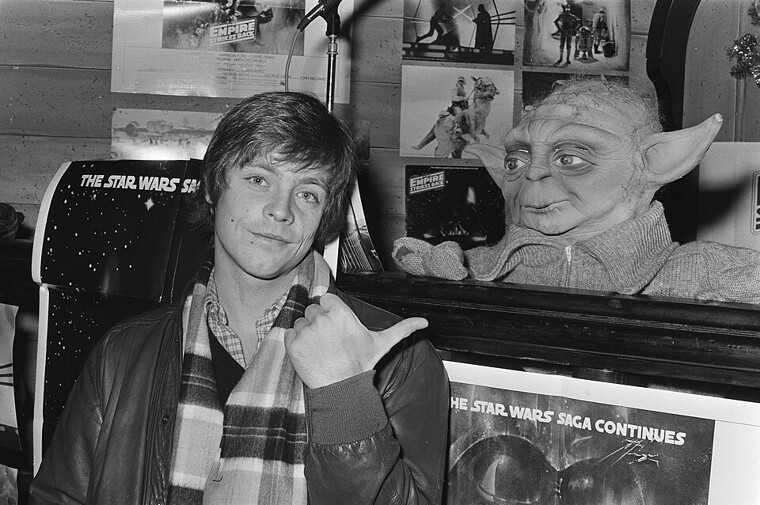
There, his legendary turn as the Joker allowed him to hide his famous face and finally express the range that Hollywood's typecasting had denied him for years.
Bela Lugosi: The Count Who Bled for "Dracula" in "Dracula"
Bela Lugosi’s tragedy is the stuff of Hollywood gothic lore. His portrayal of Dracula was so definitive—the accent, the hypnotic gaze, the sweeping cape—that it became his entire reality. Lugosi struggled with the English language, which made branching out difficult, but it was the industry’s refusal to see him as anything but a monster that truly bled him dry. Toward the end of his life, plagued by poverty and addiction, he was famously buried in his Dracula cape.
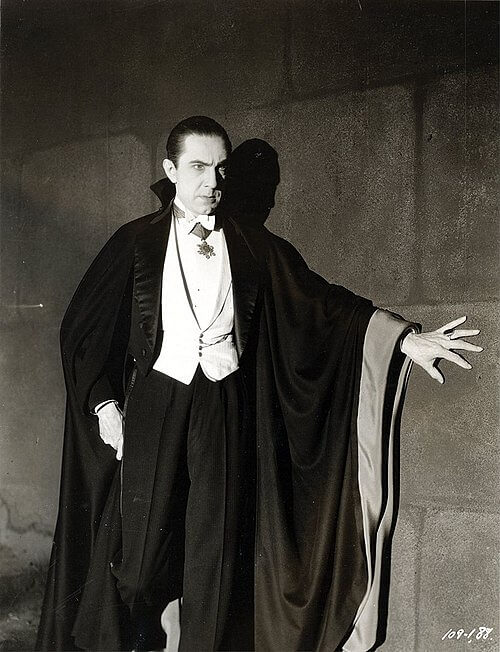
He was the ultimate example of an actor consumed by his creation, a man who gave his life to a character that would eventually refuse to let him rest.
George Reeves: The Lead Ceiling of "Superman" in "Adventures of Superman"
Before he took flight in Adventures of Superman, George Reeves was a versatile actor with a role in Gone with the Wind. But once he donned the red and blue, he became a god to children and a ghost to casting directors. Reeves famously struggled with the "super-suit," finding that even when he tried to play serious roles, audiences would shout "Look, it’s Superman!" during screenings.
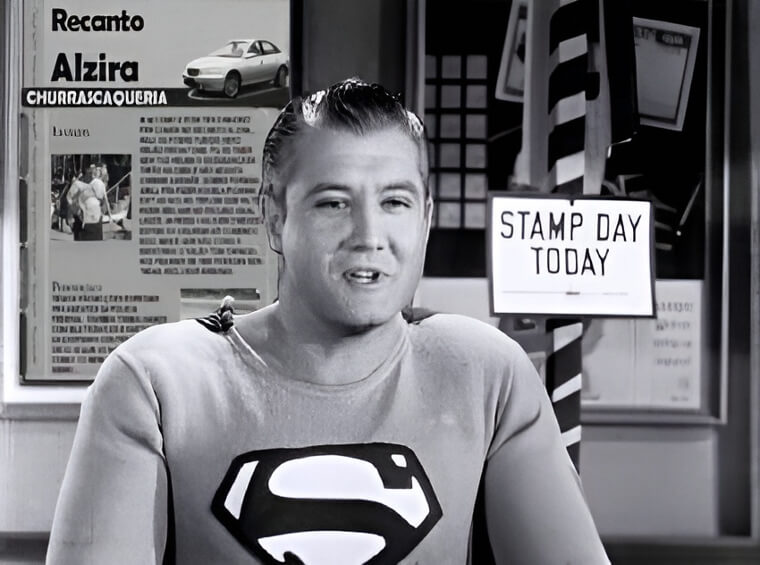
The heartbreak of being a hero who couldn't save his own career remains one of Hollywood’s most somber legends, a reminder that some capes are far heavier than they look.
Linda Blair: The Exorcism of "Regan MacNeil" in "The Exorcist"
When The Exorcist debuted, twelve-year-old Linda Blair didn't just become a star; she became a vessel for the world’s collective nightmares. While she delivered a performance of terrifying depth, the industry couldn't separate the sweet girl from the pea-soup-spewing demon. Blair faced years of being pigeonholed in "troubled teen" roles and exploitation films, as the shadow of Regan MacNeil loomed over every audition.
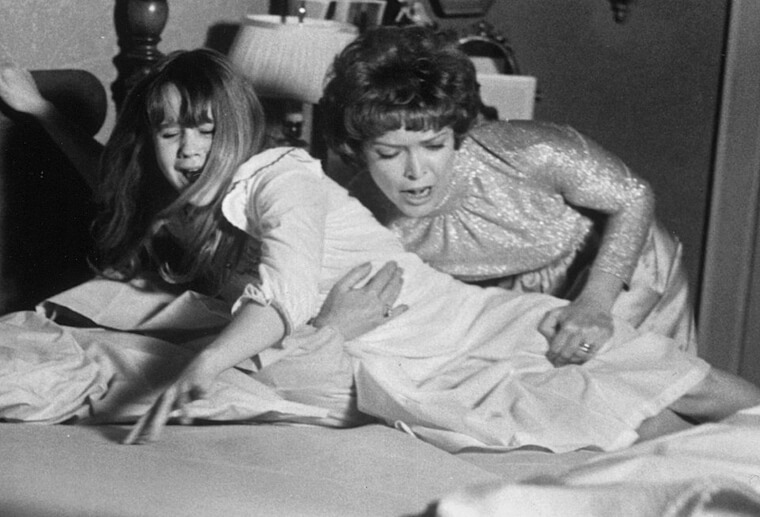
She was a child who grew up in the glare of a horror masterpiece, spending decades trying to prove that the devil had truly left her behind.
Paul Hogan: The Knife That Cut Both Ways as "Mick Dundee" in "Crocodile Dundee"
Paul Hogan didn't just play Mick Dundee; he was Australia for the better part of the 1980s. With his rugged tan and "that’s a knife" swagger, Hogan became a global phenomenon. However, the character was so specific and so massive that any attempt to play a different role—like an angel in Almost an Angel—was met with a collective shrug from the public. Hogan found himself trapped in the Outback of his own making.
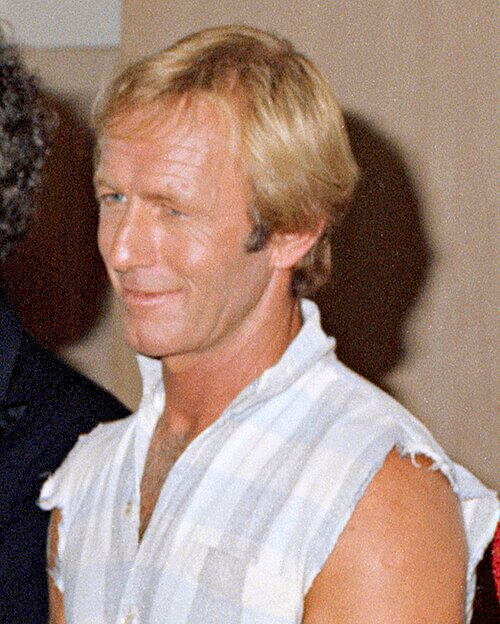
He was a man who conquered the world with a grin but discovered he could never quite take the hat off.
Mr. T: The Gold-Plated Persona of "B. A. Baracus" in "The A-Team"
Lawrence Tureaud didn't just play a character on The A-Team; he transformed into Mr. T, a living cartoon of tough-love charisma. The mohawk, the chains, and the "pity the fool" catchphrase became a brand so powerful it obliterated the actor beneath. Mr. T became a permanent fixture of 80s pop culture, but the trade-off was that he could never play a doctor, a lawyer, or a romantic lead.
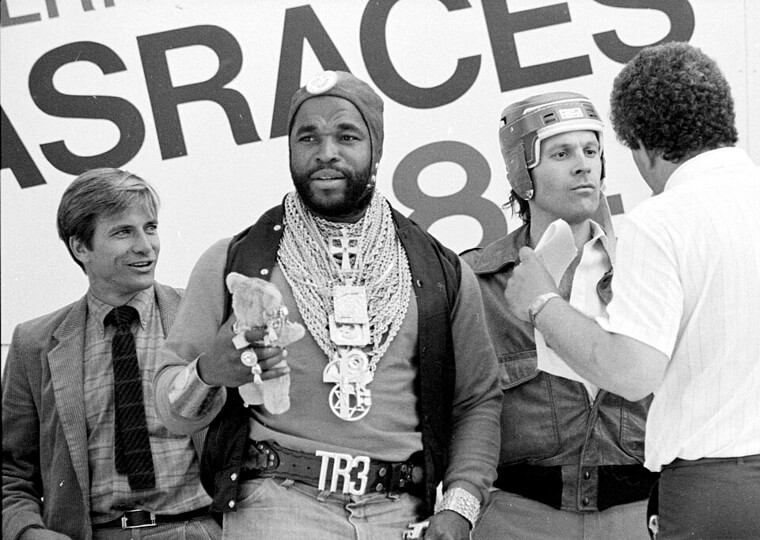
He was destined to be the world's most recognizable bodyguard forever, a man whose real life and fictional character merged into a single, unshakeable identity.
Jaleel White: The High-Waisted Ghost of "Steve Urkel" in "Family Matters"
Jaleel White was a talented young actor who took a one-time guest spot on Family Matters and turned it into a cultural earthquake. But as Urkel grew from a nuisance into a phenomenon, White was forced to hide his athletic build and deep voice behind suspenders and a nasal whine. When the show ended, the industry refused to accept White as an adult man.
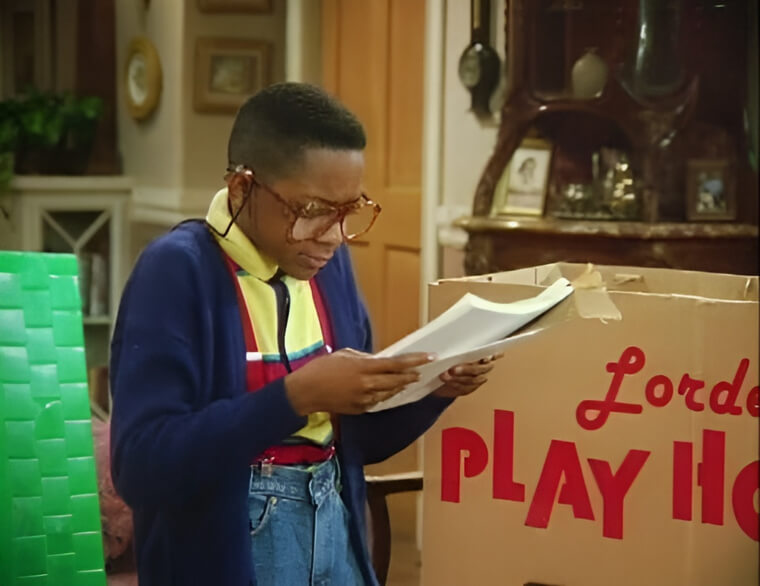
He had played the "nerd" so convincingly that the world forgot he was acting. His journey is a poignant look at how a childhood success can become an adult’s invisible wall.
Henry Winkler: The Cool Curse of "The Fonz" in "Happy Days"
"The Fonz" was the epitome of cool, a leather-jacketed god who could start a jukebox with a thumb-snap. Henry Winkler, a classically trained actor with a master’s from Yale, played the role so perfectly that he became a caricature in the eyes of Hollywood. For years after Happy Days, Winkler couldn't find work as an actor because he was "too Fonz." It took decades of reinvention to change his typecast.
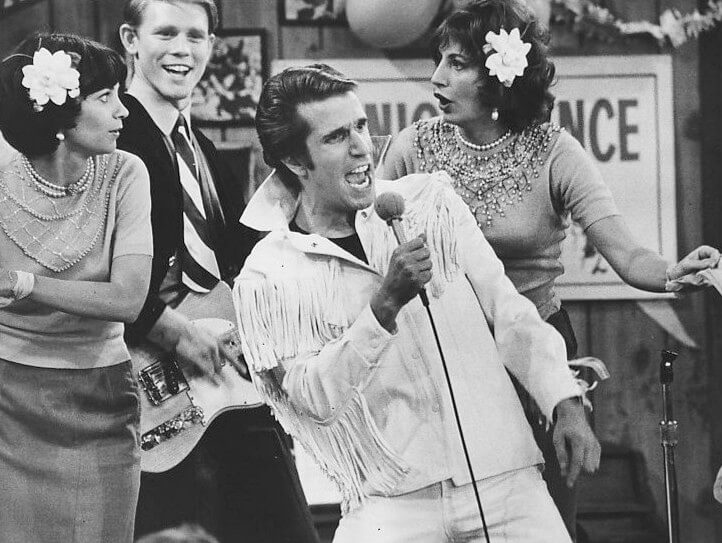
He worked as a producer, director, and later a character actor in shows like Barry to finally step out from the shadow of the garage.
Sarah Jessica Parker: The Manolo Blahnik Trap of "Carrie Bradshaw" in "Sex and the City"
While she has had a prolific career, Sarah Jessica Parker is the patron saint of the "New York Single Girl." Sex and the City was so culturally pervasive that Parker became synonymous with Cosmopolitans and high-fashion angst. No matter how many different roles she takes, the ghost of Carrie Bradshaw follows her, with audiences constantly looking for a voice-over narration or a pair of designer shoes.
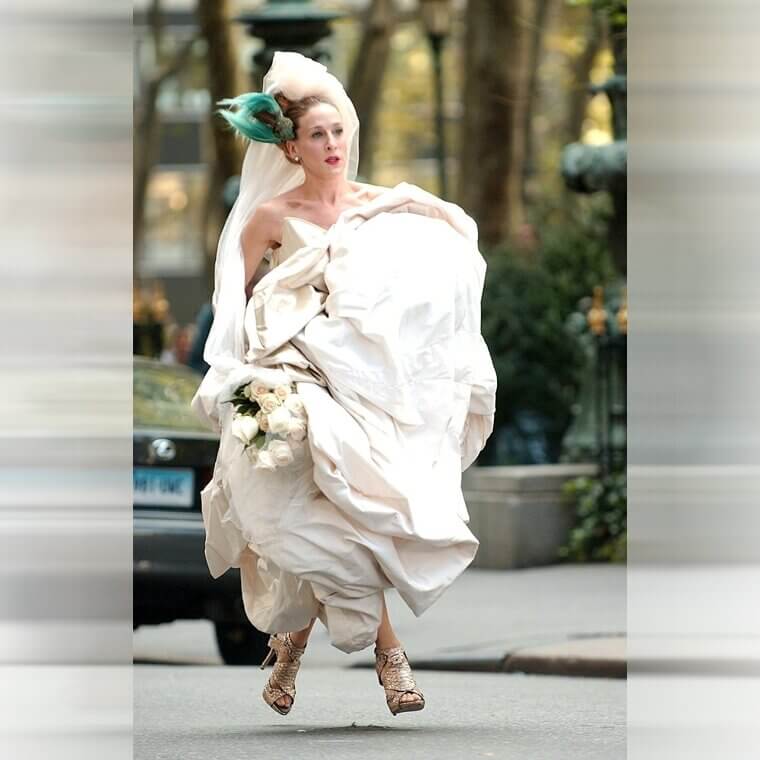
She didn't just play a character; she became the face of an entire lifestyle, a crown that is as sparkling as it is restrictive.
Macaulay Culkin: The Boy Forever "Home Alone" as "Kevin McCallister" in "Home Alone"
Macaulay Culkin was the biggest child star since Shirley Temple, but his success was built on a foundation of wide-eyed innocence and a famous scream. As he grew up, the public’s refusal to let him age became a tragedy played out in the tabloids. Culkin wasn't just an actor; he was "The Home Alone Kid." Every attempt to transition into darker, more adult fare was met with resistance.

He eventually chose to walk away from the spotlight, realizing that the only way to escape Kevin was to stop playing the game entirely.
Christopher Reeve: The Man Who Was Truly "Superman" in "Superman"
Like George Reeves before him, Christopher Reeve possessed the jawline and the nobility that the world demanded of Superman. He was so perfect in the role that he became the definitive version of the character for generations. While he fought hard to take on diverse roles like in Somewhere in Time, the cape was always visible beneath his suit. Even after his tragic accident, he remained a symbol of superhuman strength.
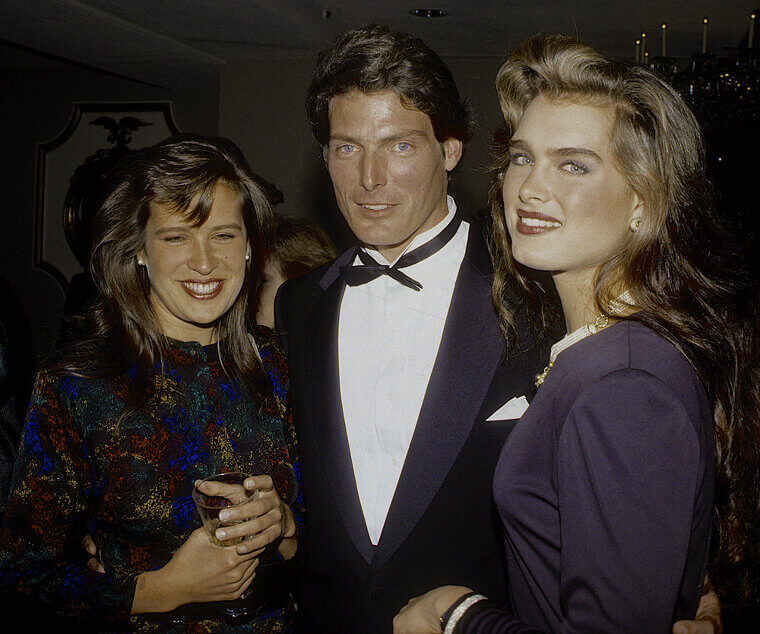
He carried the mantle with immense grace, but he always knew that in the eyes of the public, he would always be the man who could fly.
Rowan Atkinson: The Silent Prison of "Mr. Bean" in "Mr. Bean"
Rowan Atkinson is a master of physical comedy, a rubber-faced genius who turned a silent, bumbling misfit into a global billion-dollar franchise. But the success of Mr. Bean was so absolute that it swallowed Atkinson’s immense intellectual range whole. To the world, he wasn't the sharp-tongued wit of Blackadder; he was the man who couldn't navigate a department store. Atkinson has often spoken of the exhaustion of being "the man who is Bean."
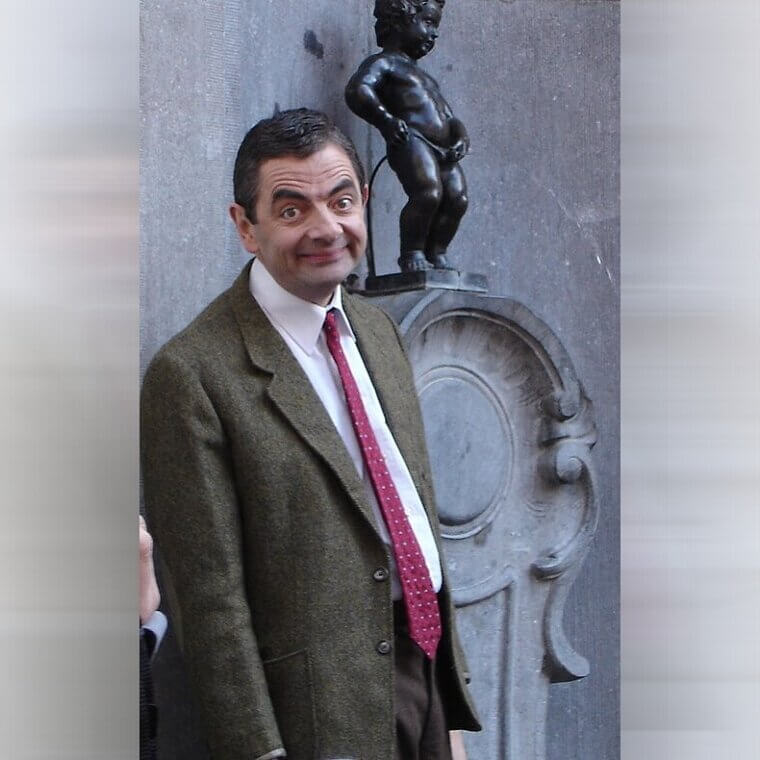
He finds that even in his most serious moments, the public expects a twitch of the nose or a stumble over a suitcase.
Jennifer Aniston: The One Where She’s Always "Rachel Green" in "Friends"
For ten years, Jennifer Aniston was the pulse of a generation on Friends. She didn't just play a character; she launched a thousand haircuts and defined a specific "girl-next-door" archetype that the industry refused to let go of. Despite a career filled with indie dramas and blockbuster comedies, the ghost of Central Perk follows her into every frame. Audiences don't just watch her; they check in on her like an old friend.
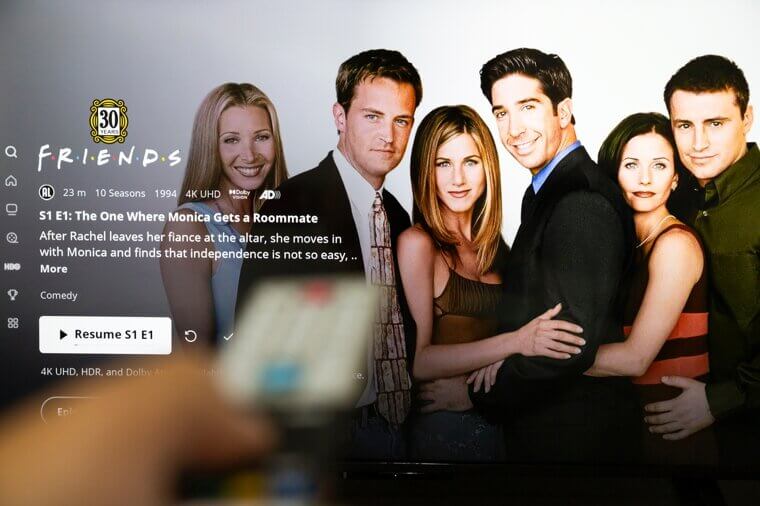
And they're eternally waiting for a romantic "will-they-won't-they" arc that ended decades ago, even though Jennifer Aniston has played many roles since then.
Jim Parsons: The Physics of "Sheldon Cooper" in "The Big Bang Theory"
As the neurodivergent, catchphrase-spouting genius of The Big Bang Theory, Jim Parsons became the highest-paid actor on television. But with four Emmys came a specialized cage: he was so convincing as the socially awkward Sheldon that it became nearly impossible for audiences to see him as anything else. When he moved into more dramatic roles or Broadway, the "Bazinga" echoes remained. Parsons eventually chose to end the show at the height of its power.
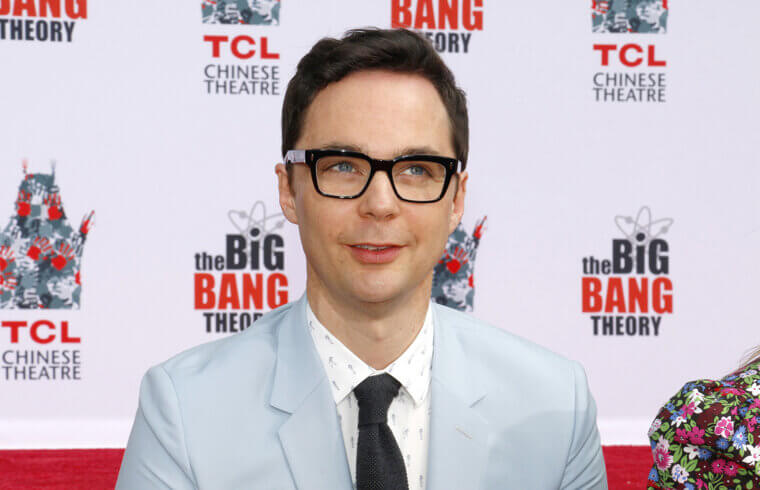
Perhaps Jim Parsons realized that the only way to save the actor was to kill the icon.
Gillian Anderson: The Skepticism of "Dana Scully" in "The X-Files"
As FBI Agent Dana Scully on The X-Files, Gillian Anderson became the face of logic, science, and the "Scully Effect," inspiring a generation of women to enter STEM. However, the intensity of the show's cult following meant that for years, she was trapped in a cycle of paranormal procedurals. She eventually found a brilliant second act in British drama (The Fall, The Crown).
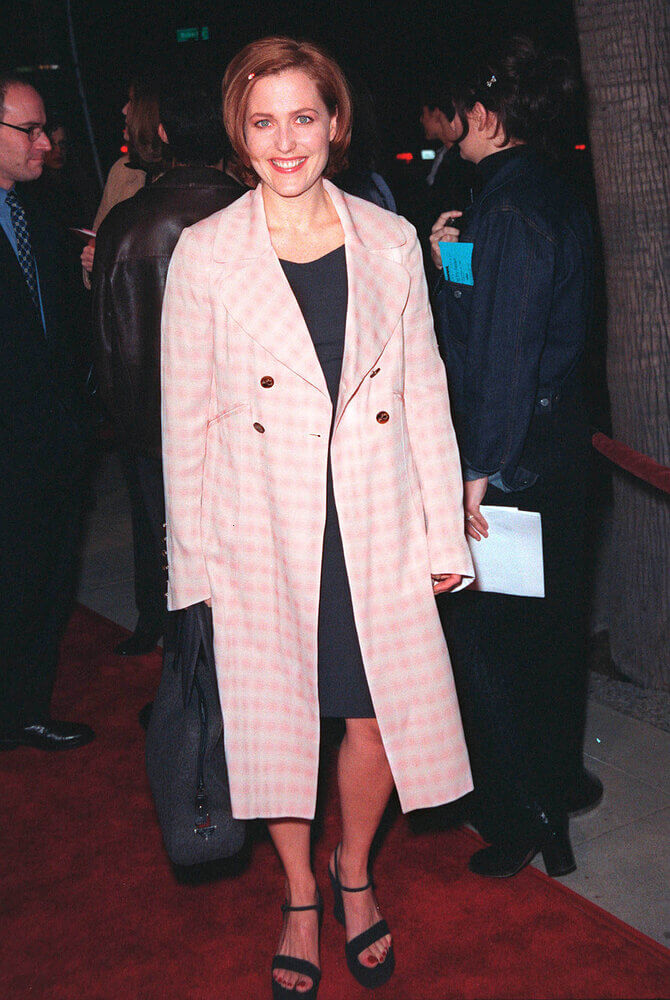
But she had to physically flee Hollywood for the UK to scrub the red hair and the FBI badge from the public’s collective memory.
Hugh Jackman: The Claws of "Wolverine" in the "X-Men" Franchise
For nearly two decades, Hugh Jackman’s physical identity was inextricably tethered to a pair of razor-sharp adamantium claws. He portrayed Wolverine across nine films, a grueling feat of cinematic longevity that effectively fused the actor with the mutant. The bittersweet irony for Jackman—a virtuoso, Tony-winning musical theater star who can out-sing and out-dance the best of Broadway—was that he spent his prime years defined as a snarling, brooding loner.
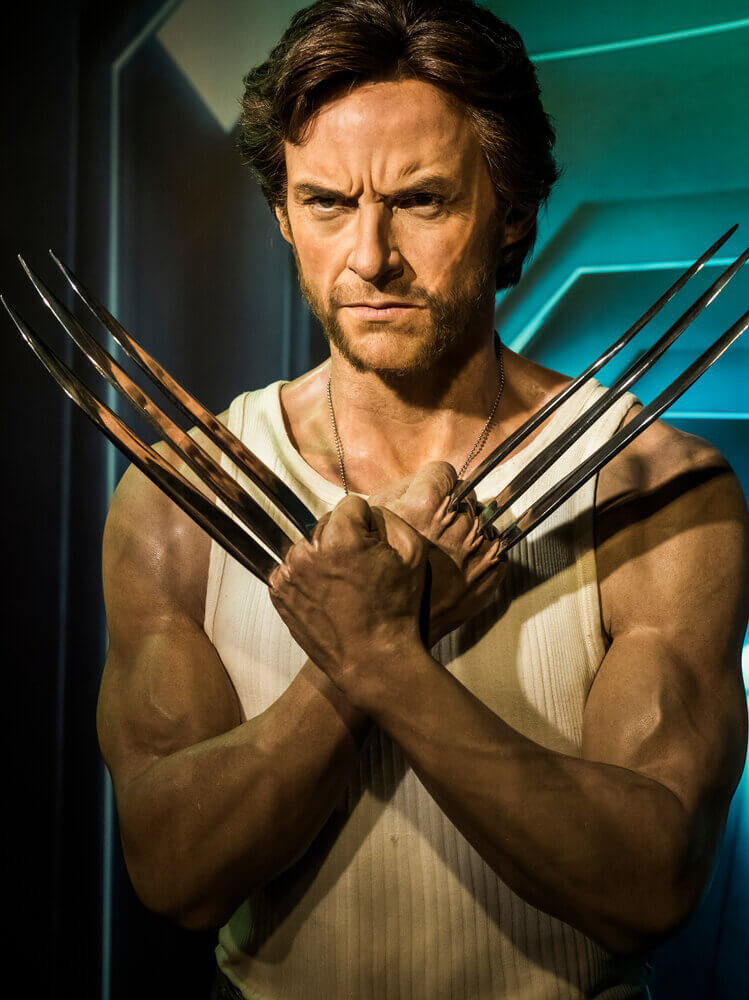
Even when he is triumphantly belting out show tunes in The Greatest Showman, a lingering part of the audience is always waiting for him to sprout mutton chops and descend into a feral berserker rage. He remains a song-and-dance man living in the shadow of a beast.
Daniel Radcliffe: The Boy Who Lived as "Harry Potter" in the "Harry Potter" Series
Daniel Radcliffe grew up on camera as the world’s most famous wizard. By the time the Harry Potter series ended, he was one of the most recognizable faces on the planet—and a victim of his own success. Radcliffe has spent his adult career taking the most bizarre, "un-Potter" roles imaginable—playing a farting corpse, a man with guns bolted to his hands, or a demonic villain—as if he is trying to exorcise the Boy Who Lived through sheer artistic eccentricity.
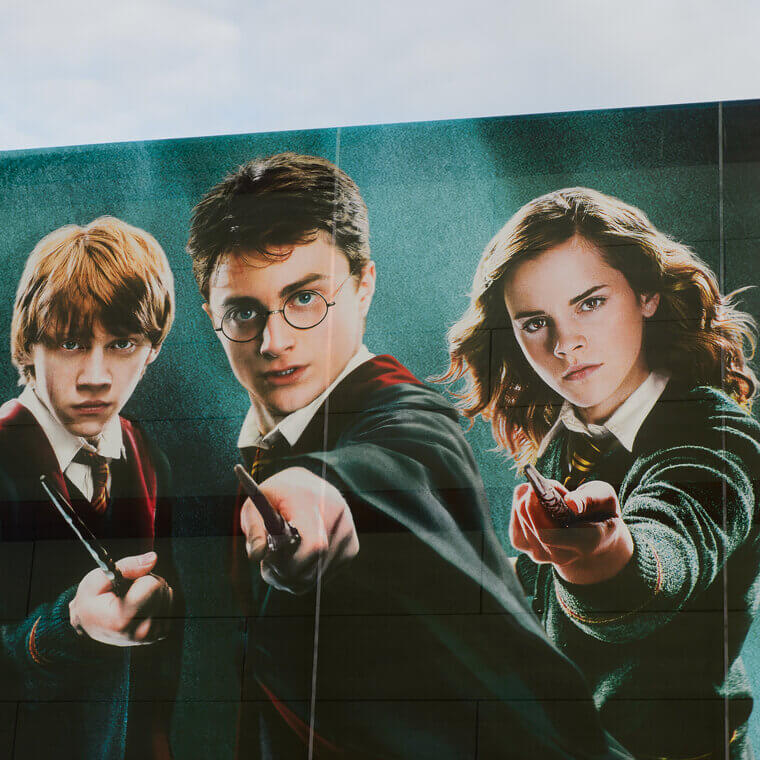
He has handled it with grace, but the glasses and the scar are a permanent phantom limb.
Lynda Carter: The Golden Lasso of "Wonder Woman" in "Wonder Woman"
In the 1970s, Lynda Carter didn't just play a superhero; she became the definitive visual representation of a feminist icon. Her beauty and stature were so perfectly suited to Wonder Woman that the role became a total eclipse. No matter the decade or the project, she remained the Princess of Themyscira. Carter embraced the mantle with dignity, but the industry’s narrow imagination meant she was rarely offered diverse roles.
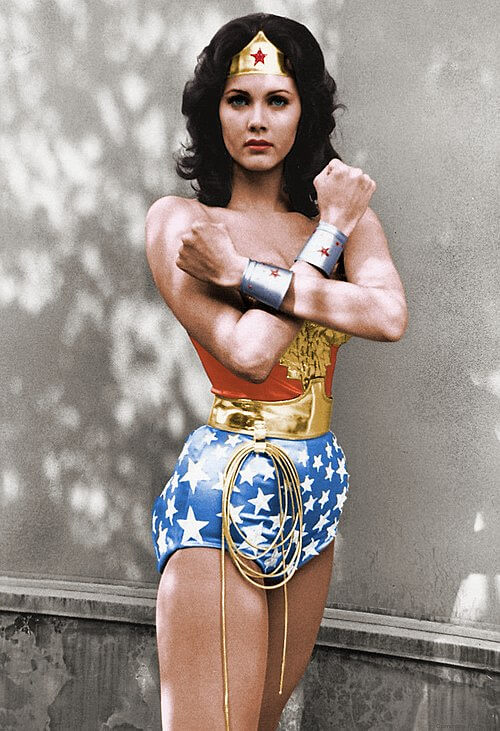
At least not roles that didn't lean on her "super" status. She remains a legend, but one forever spinning in a red, white, and blue circle.
Jon Heder: The Dynamite Trap of "Napoleon Dynamite" in "Napoleon Dynamite"
In 2004, Jon Heder’s frizzy hair and "flippin' sweet" moonwalk made him the king of indie cinema. Napoleon Dynamite was a lightning-in-a-bottle success, but it was so stylized that Heder became a prisoner of the character’s specific cadence. He found that casting directors only wanted "Napoleon-lite," and his attempts to move into mainstream comedy often felt like he was playing a variation of the same awkward teen.
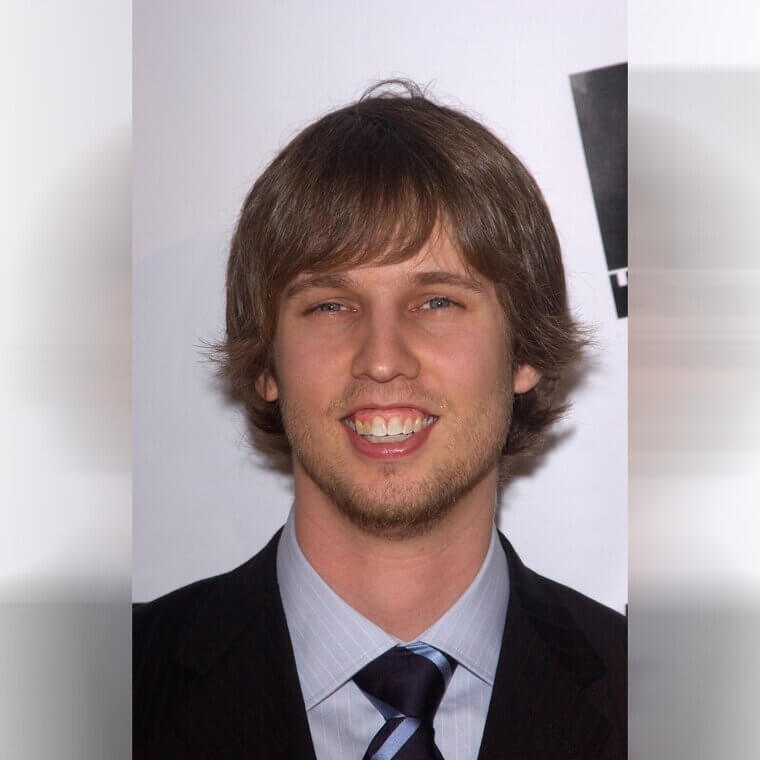
It was a performance so iconic that it effectively became his permanent resume, whether he liked it or not.
Don Adams: The Agent Who Never Hung Up as "Maxwell Smart" in "Get Smart"
Don Adams gave the world "Would you believe...?" and the shoe-phone. As the bumbling secret agent 86 in Get Smart, Adams’ distinctive staccato voice became his calling card and his curse. After the show ended, he found himself so deeply typecast that he spent the rest of his career essentially playing Maxwell Smart under different names—most notably as the voice of Inspector Gadget. He was a man who conquered television with a specific comedic persona.
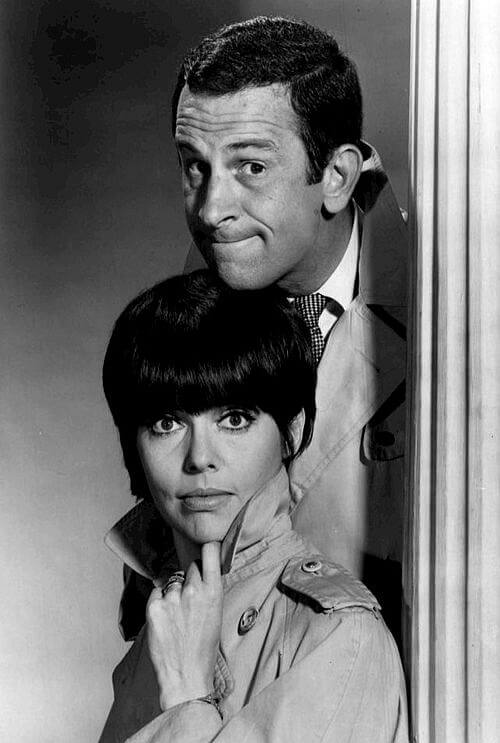
Only to find that the phone was always ringing for someone else.
Sean Connery: The Spy Who Stayed "James Bond" in the "007" Series
Sean Connery was the original architect of 007, defining the "vodka martini" swagger that still governs the franchise today. But for Connery, the role became a source of immense resentment. He famously said he wanted to "kill" the character because the public couldn't see the gritty, Shakespearean actor beneath the tuxedo. He spent decades taking physically demanding and vastly different roles—from The Hill to The Name of the Rose—in a desperate bid to scrub the "Bond" label from his name.
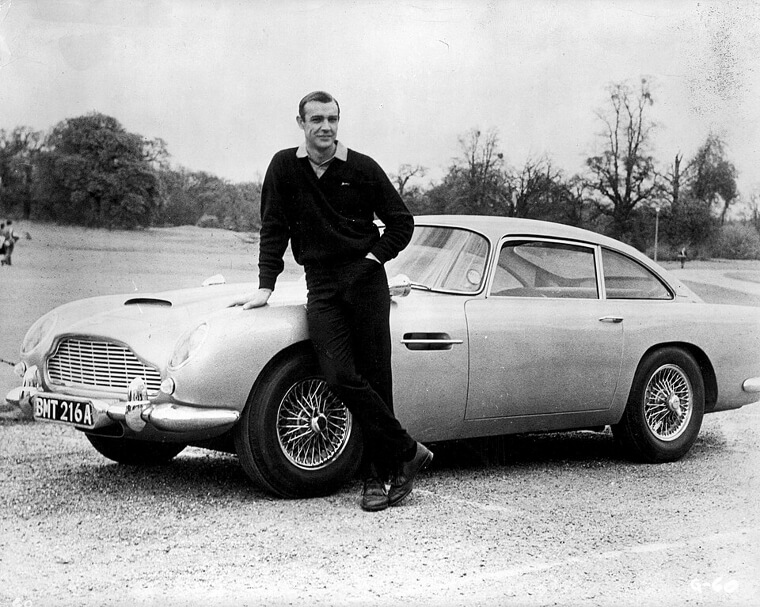
While he eventually won an Oscar, to the world, he remains the man in the Aston Martin, the spy who could never truly retire.
Ralph Macchio: The Eternal Underdog "Daniel LaRusso" in "The Karate Kid"
In 1984, Ralph Macchio became the face of every kid who ever wanted to stand up to a bully. As Daniel LaRusso in The Karate Kid, Macchio’s boyish vulnerability made him a household name, but it also became a biological trap. Because he looked so much younger than his actual age, he found it impossible to transition into "adult" roles as he entered his thirties. The industry saw him as the perpetual "kid," leading to a quiet period that lasted decades.
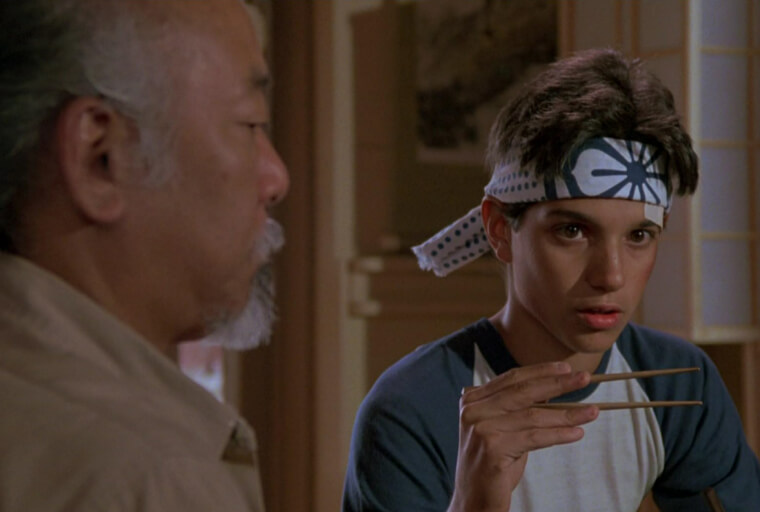
His eventual return in Cobra Kai was a masterstroke of nostalgia, but it also confirmed the bittersweet truth: the world only wanted him if he was still wearing the crane-kick headband.
Dustin Diamond: The Screech That Never Silenced as "Screech Powers" in "Saved by the Bell"
Few actors have fought their legacy as chaotically as Dustin Diamond. As the lovable, nerdy Screech on Saved by the Bell, Diamond became a Saturday morning staple. However, as the show ended, he found himself trapped in a character that the world refused to let him outgrow. Desperate to distance himself from the "nerd" image, Diamond’s life became a series of headlines—reality show outbursts, a scandalous memoir, and legal troubles.
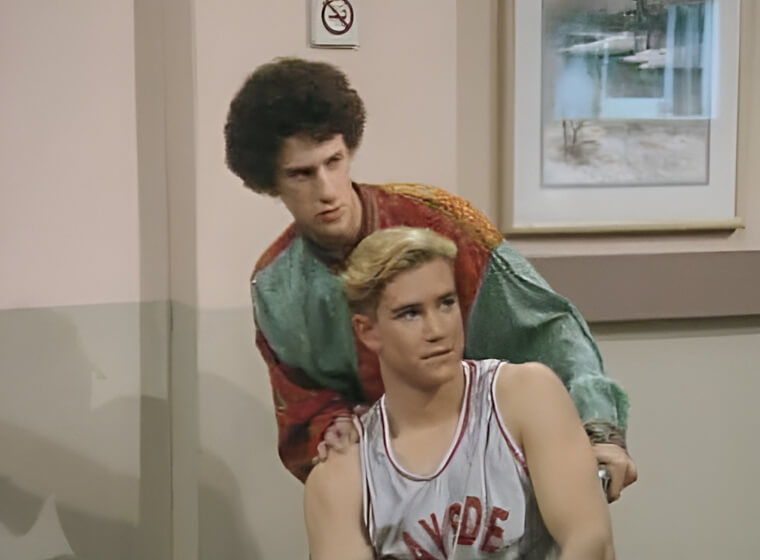
These were all seemingly designed to prove he wasn't the sweet kid from Bayside. It was a tragic, lifelong struggle to kill a character that had already become his only path to a paycheck.
Burt Ward: The Boy Wonder’s Sentence as "Robin" in "Batman"
While Adam West eventually found a way to wink at his Batman legacy, Burt Ward found that being "Robin" was a life sentence. Cast as the quintessential sidekick, Ward’s high-energy "Holy [Blank]!" catchphrases defined an era of television. After the show was cancelled, Ward discovered that being the Boy Wonder made him virtually unemployable in serious drama. He spent the rest of his life as a professional icon, appearing at conventions in the vest and tights.
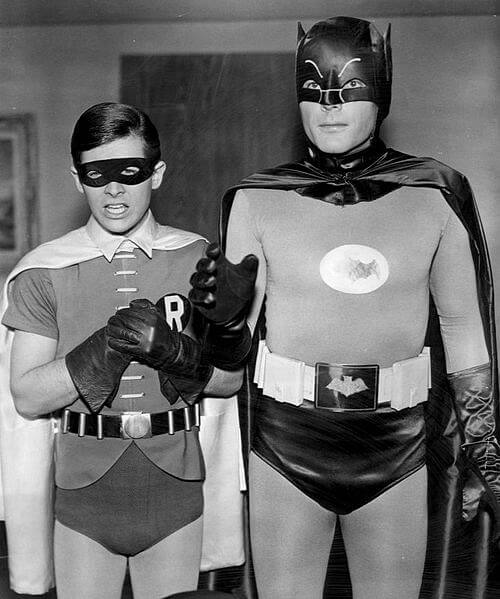
He channeled his energy into animal rescue, but in the annals of Hollywood, he is the boy who never grew up, forever standing one step behind the Caped Crusader.
Robert Powell: The Face That Became "Jesus" in "Jesus of Nazareth"
When Franco Zeffirelli cast Robert Powell as the lead in the 1977 miniseries Jesus of Nazareth, he chose him for his piercing, otherworldly blue eyes. Powell’s performance was so definitive that his face literally became the standard depiction of Jesus in homes and churches across the globe. The unintended consequence? No casting director could put that face in a gritty crime thriller or a romantic comedy without it feeling sacrilegious.
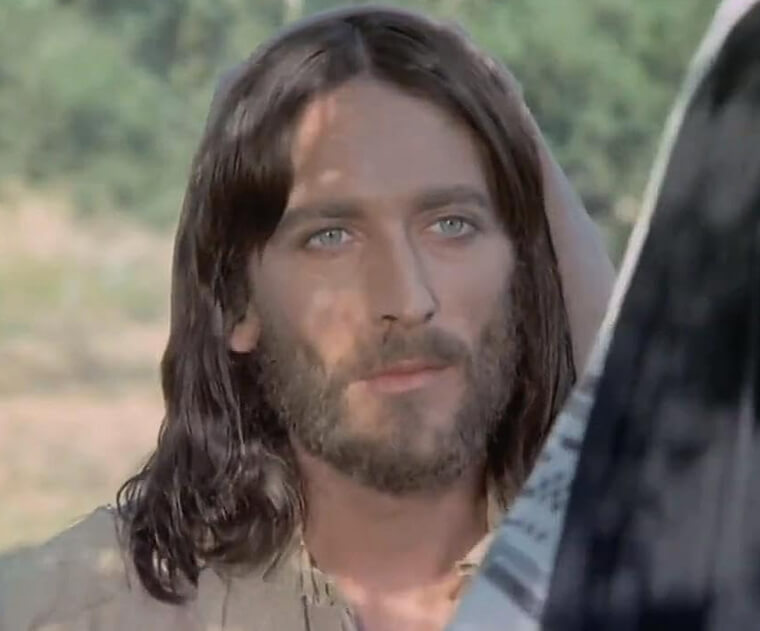
Powell remained a respected stage actor, but on screen, he had reached a peak from which there was no descent; once you have played the Son of God, everything else feels like a step down.
Alfonso Ribeiro: The Dance of "Carlton Banks" in "The Fresh Prince of Bel-Air"
Alfonso Ribeiro is a powerhouse of talent—a singer, dancer, and comedic actor—but one swing of his arms to Tom Jones’ "It's Not Unusual" changed his life forever. As Carlton Banks on The Fresh Prince of Bel-Air, his "Carlton Dance" became a cultural phenomenon that eventually felt like a chain around his neck. For years, Ribeiro struggled to find work because he was too synonymous with the preppy, sweater-wearing foil to Will Smith.
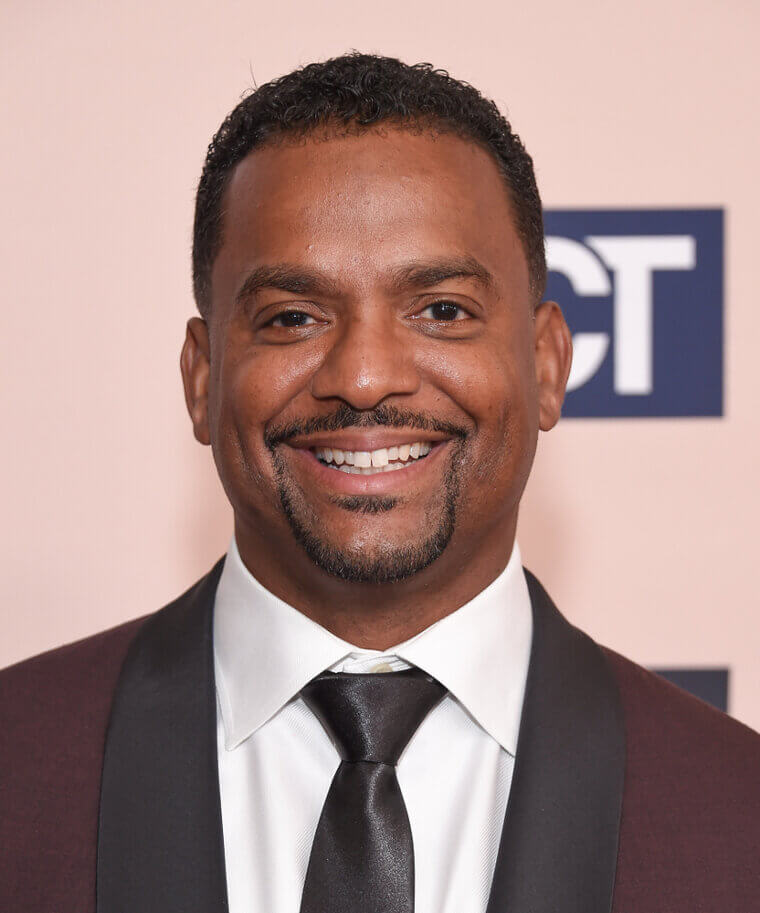
He eventually found a new career in hosting, but he remains a poignant example of how a single comedic choice can become a permanent identity.
Sharon Stone: The Ice Pick Trap of "Catherine Tramell" in "Basic Instinct"
Sharon Stone was a working actress for years before Basic Instinct turned her into the ultimate femme fatale. That one scene in the interrogation room didn't just make her a star; it froze her in the public imagination as a dangerous, icy manipulator. For the rest of the 90s, the industry struggled to see her as anything else, often casting her in "Catherine Tramell-lite" roles that lacked the original's bite.
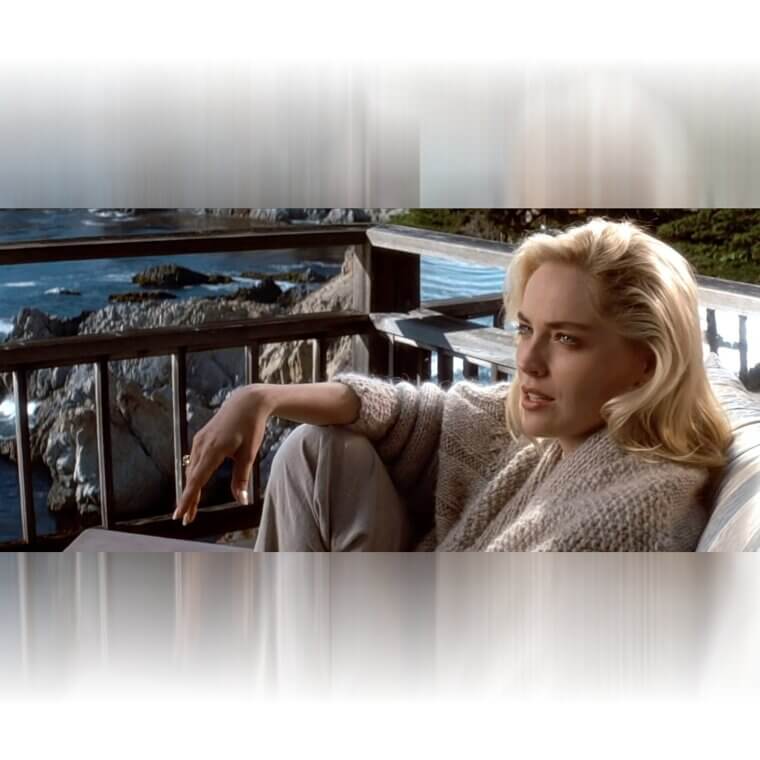
Despite an Oscar-nominated turn in Casino, Stone spent much of her career fighting the gravity of that one white dress, a woman whose intelligence was often overshadowed by a single provocative frame.
Thomas F. Wilson: The Bully Who Was Always "Biff Tannen" in "Back to the Future"
Thomas F. Wilson gave one of the greatest comedic-villain performances in history as Biff Tannen in the Back to the Future trilogy. He played the character (and his ancestors and descendants) so convincingly that fans would frequently approach him in real life expecting him to be a jerk. Wilson, a kind-hearted musician and comedian, found it so difficult to move past the "Biff" persona that he eventually created a "FAQ" card to hand out to fans, answering all their questions at once.
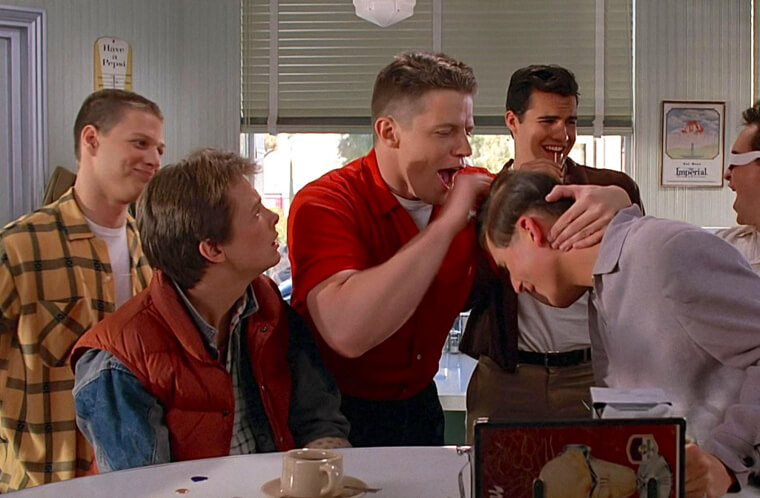
He found peace by leaning into the absurdity, but his career remains a testament to the power of playing a villain too well.
Linda Evans: The Dynasty of "Krystle Carrington" in "Dynasty"
In the 1980s, Linda Evans was the epitome of glamorous television drama as Krystle Carrington on Dynasty. Her blonde hair, soft-spoken strength, and legendary catfights with Joan Collins’ Alexis made her an icon of the Reagan era. However, the show was so massive and her image so specific to that decade’s excess that she became a time capsule. Once the glitter of the 80s faded, Evans found herself inextricably linked to the soap opera world.
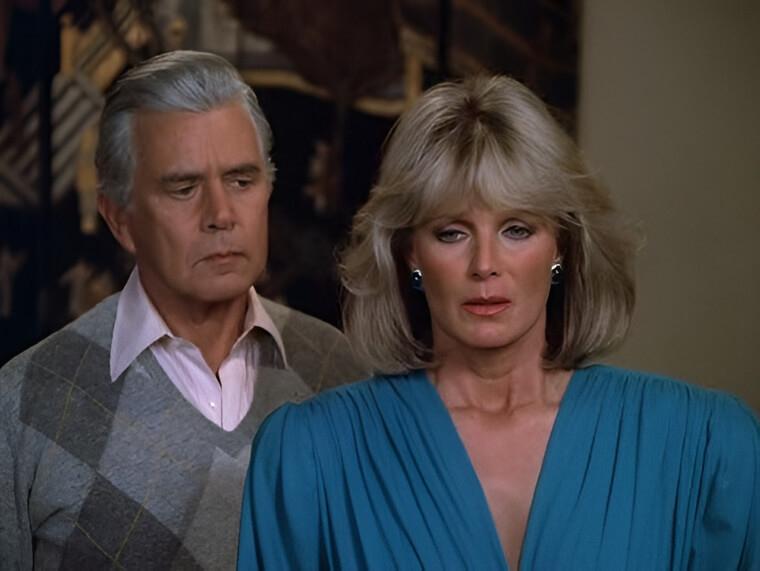
She eventually stepped away from the spotlight, realizing that the world didn't want Krystle Carrington to age or change, only to remain forever encased in silk and sequins.
Max Wright: The Cynical Shadow of "Willie Tanner" in "ALF"
Max Wright was a sophisticated, classically trained stage actor who suddenly found himself playing second fiddle to a wisecracking hand puppet. As "Willie Tanner" in "ALF," Wright portrayed the ultimate flustered suburbanite, but the grueling production—which involved long hours working around floor trenches for the puppeteers—left him deeply disillusioned. The character was so overwhelmingly popular that it eclipsed Wright’s theatrical pedigree, leaving him synonymous with "puppet’s foil." When the show ended, Wright famously walked off set without saying goodbye.
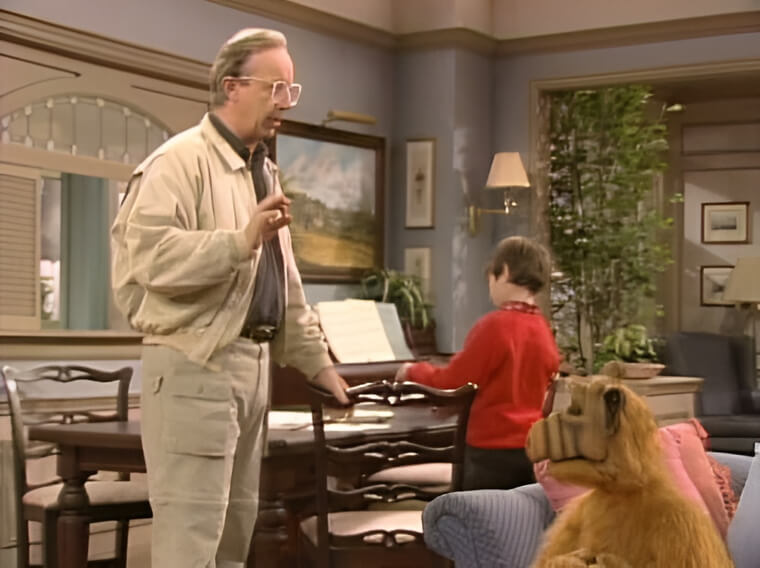
He spent the rest of his life struggling to reconcile his artistic ambitions with the cynical, hairy shadow of an alien from Melmac.