
The Reason Sheriff Andy Taylor Refused to Wear a Sidearm
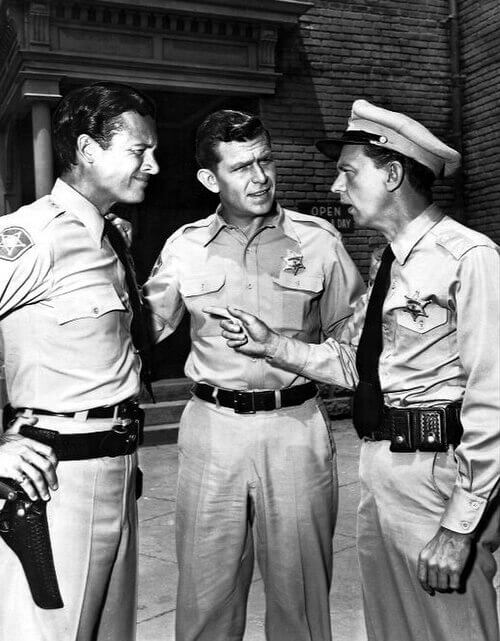
In a move that set him apart from almost every other television lawman of the era, Sheriff Andy Taylor famously patrolled Mayberry without a sidearm. This wasn't just a character quirk; Andy Griffith insisted on it to highlight that the Sheriff's true power came from his wisdom and communication skills rather than physical force. He reportedly wanted the show to reflect a gentler world where conflict was resolved through community understanding.
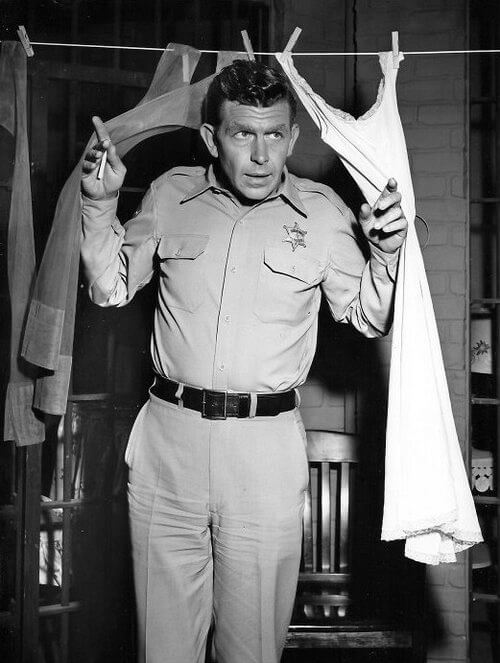
This creative choice helped define the show’s peaceful legacy, proving that a badge and a steady hand were more than enough to maintain order in the charming, fictional town of Mayberry.
The Simple Multi-Year Contract Blunder That Cost Us Barney Fife
Barney Fife is arguably the most beloved character in sitcom history, but Don Knotts left the series after five seasons due to a simple misunderstanding. Andy Griffith had originally stated the show would only last five years, so Knotts began scouting for film opportunities and eventually signed a multi-year deal with Universal Pictures. By the time Griffith decided to continue the series for three more seasons, Knotts was already legally committed elsewhere.
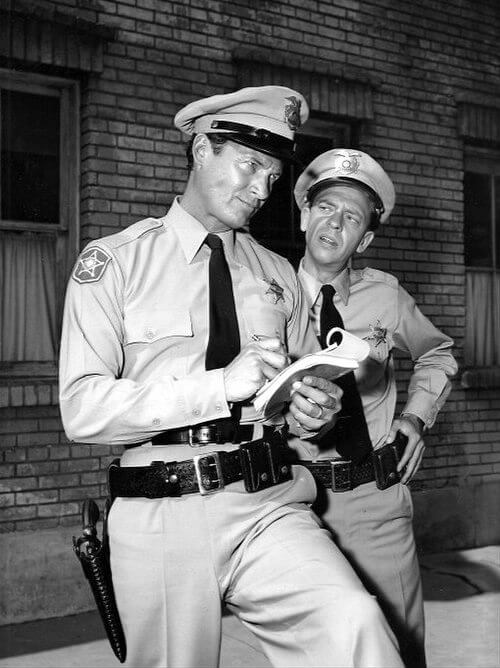
Fans were heartbroken, but the departure allowed Knotts to become a cinematic star while making his occasional returns to Mayberry even more special for the viewers who missed his antics.
The Hidden Stagehand Behind Opie’s Famous Rock Toss
The opening sequence of Andy and Opie walking toward the "fishin' hole" is one of the most recognizable clips in TV history, but filming it was a struggle. Young Ron Howard was only six years old and couldn't quite throw the rock far enough into the water to create the necessary splash on cue. To fix this, a crew member reportedly hid behind a bush and tossed a much larger rock into the pond at the exact moment Ron made his throwing motion.
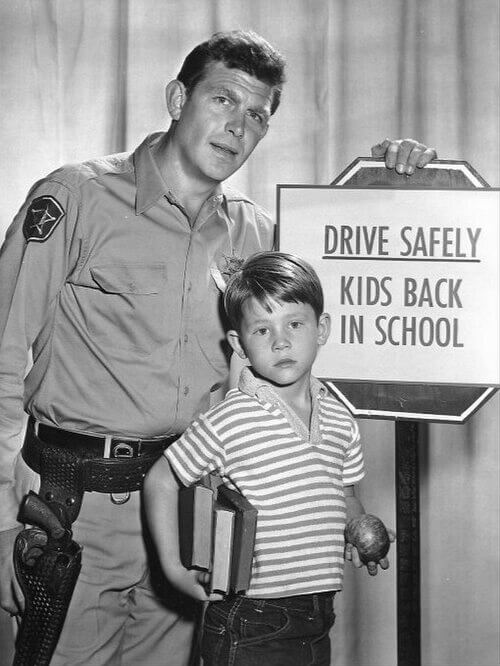
It's an old-school set trick, if you will. And if you look closely, the splash is quite significant for such a small boy's toss, creating a funny visual.
The Virginia Neighbor That Secretly Provided the Name "Mayberry"
While the town is often associated with Andy Griffith’s real-life hometown of Mount Airy, North Carolina, the name "Mayberry" actually has a different origin story. It was allegedly inspired by the town of Mayberry, Virginia, located just across the state line. Griffith enjoyed the rhythmic, soft sound of the name, feeling it perfectly captured the sleepy, hospitable vibe he wanted for the show. Mount Airy served as the spiritual muse for locations like Snappy Lunch and Floyd’s Barbershop.
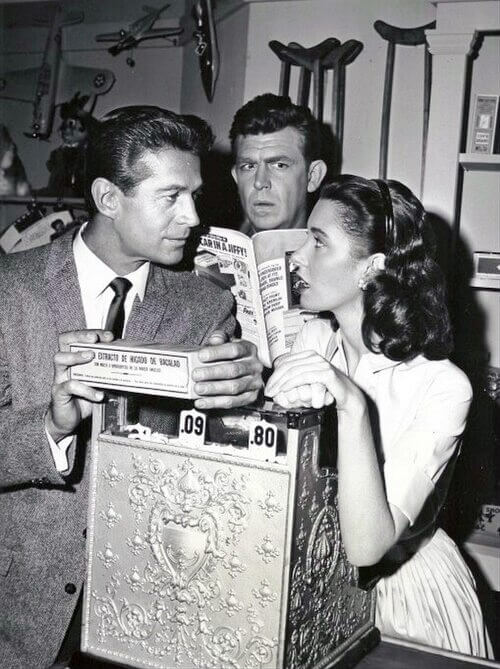
But the fictional name allowed the show to exist in a charming, universal "anywhere" USA that resonated with every single fan.
The Bitter Off-Screen Feud Between "Aunt Bee" and Andy Griffith
Aunt Bee was the heart of the Taylor household, but behind the scenes, actress Frances Bavier reportedly had a very difficult relationship with Andy Griffith. A classically trained New York stage actress, Bavier allegedly found Griffith’s Southern "good ol' boy" humor and frequent practical jokes to be unprofessional and grating. This tension lasted for the duration of the series. However, years later, while Bavier was living in retirement, she reportedly reached out to Griffith to apologize for being "difficult."
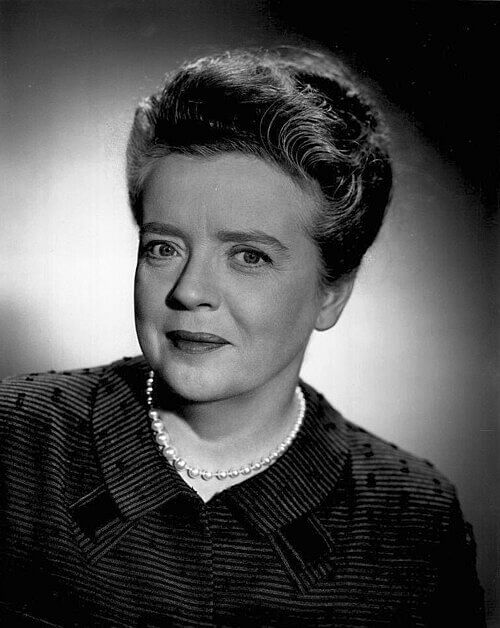
This interaction finally mended their long-standing rift before she passed away in the late 1980s. This closure brought peace to both legendary actors.
The Sheriff’s Office Map Was Changed Every Season - A Detail Noticed Only by Eagle-Eyed Fans
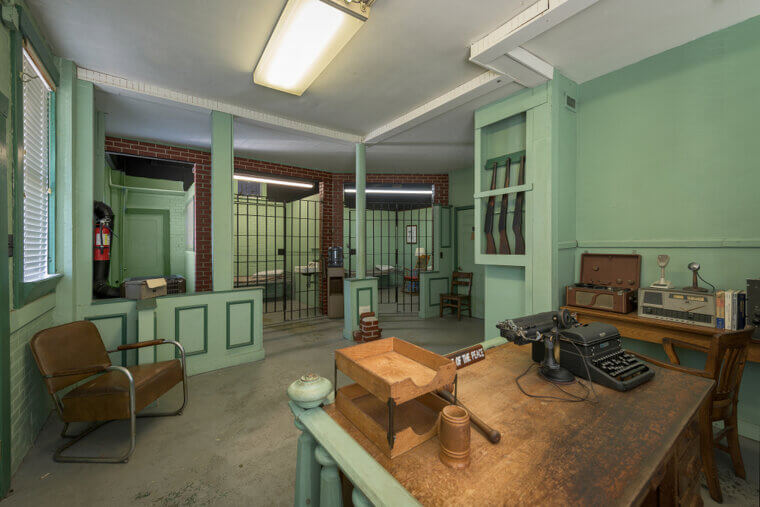
If you pay close attention to the wall in the Sheriff’s office, you’ll notice a map that seems to change its geography depending on the season. In the early years, the map was actually a real map of Idaho, turned sideways or flipped to look like a fictional North Carolina county. Later on, the crew created a more specific "Mayberry" map, but the locations of nearby towns like Mount Pilot would shift.
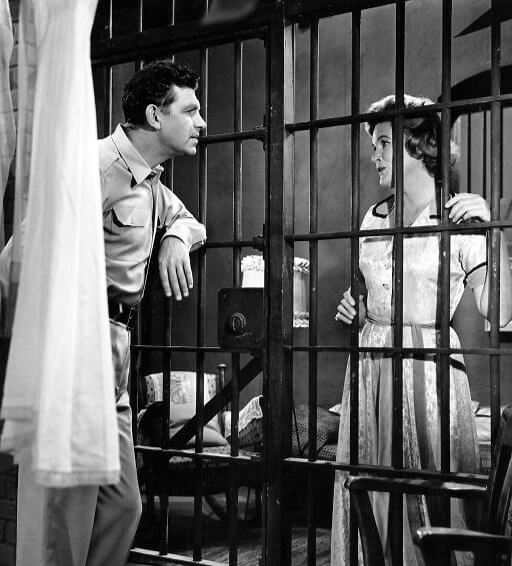
This was a common "Easter egg" for sharp-eyed fans who enjoyed trying to pinpoint exactly where the town was supposedly located, adding a fun layer of mystery to every episode.
The Multi-Million Dollar Mandate That Forced Mayberry Into Color, Much to Many Fans' Disappointment
The transition to color in Season 6 was a major milestone, but it wasn't just about modernizing the look. The network reportedly pushed for the change to increase the show’s syndication value, as color television sets were becoming standard in American households. However, many fans and critics argue that the early black-and-white episodes captured the "Great Depression-era" nostalgia more effectively. The shift to color also coincided with Don Knotts' departure.
Together, it marked a distinct "new era" for the series that felt more like a standard 1960s sitcom and less like the folk tale many viewers had originally grown to love.
Why Griffith Wanted Total Silence Surrounding the Fate of Opie’s Mother
One of the show's biggest mysteries is what actually happened to Opie’s mother. While it was established that Andy was a widower, her name was never mentioned, and her cause of death remained a total enigma. Griffith reportedly preferred it this way, wanting to focus on the unique dynamic of a single father raising a son with the help of his aunt. By leaving the "late Mrs. Taylor" out of the narrative, the show avoided becoming a heavy drama.
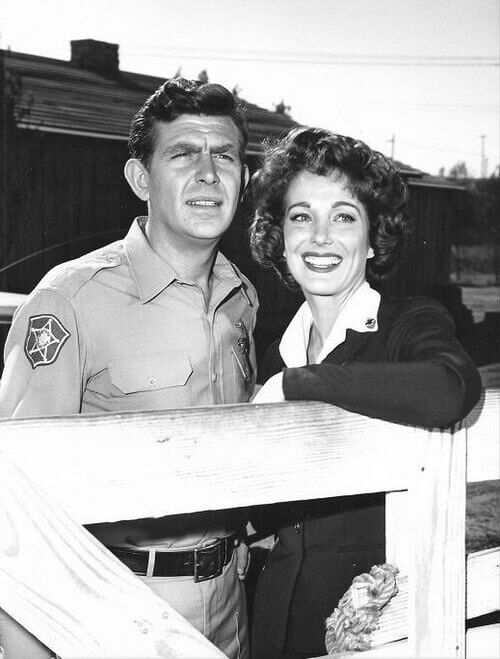
It kept the focus on the lighthearted, albeit sometimes poignant, lessons of Mayberry life that viewers tuned in to see every week.
The Safety Precaution That Turned Into Barney’s Best Running Gag
The running gag of Barney Fife keeping his single bullet in his shirt pocket was more than just a joke about his general incompetence. It was actually a creative decision made to emphasize Andy’s superior judgment as a seasoned lawman. By forcing Barney to keep his ammunition separate from his weapon, the writers highlighted the potential for chaos if Barney were actually allowed to be "fast on the draw."
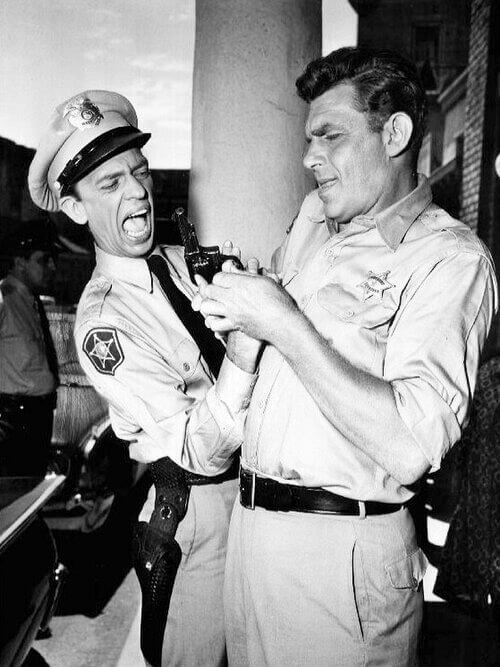
It also created a wonderful comedic tension every time Barney would frantically try to load his gun during a "crisis," usually resulting in a hilarious fumble that reminded everyone why Andy was in charge.
The Unscripted Bluegrass Parties That Happened Between Takes
Music was a huge part of Mayberry, and it wasn't just for show. Andy Griffith was an accomplished singer and guitar player, often bringing his own instruments to the set for jam sessions. Several cast members, including the talented actors who played The Dillards (the "Darling boys"), were professional bluegrass musicians in real life. These musical interludes were often spontaneous and unscripted, providing a layer of authentic Appalachian culture to the show.
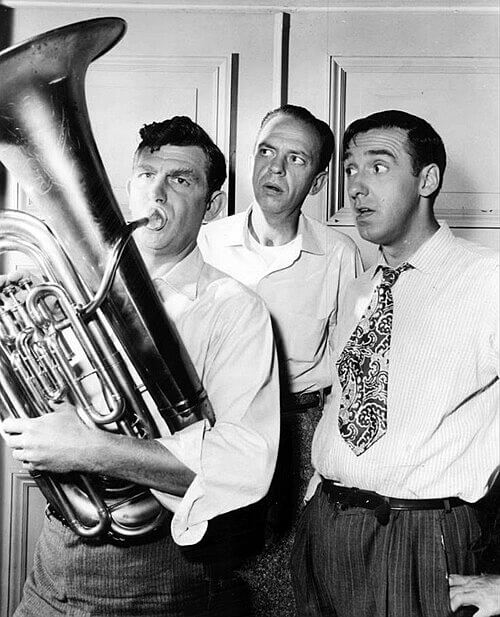
The cast reportedly spent their downtime between takes playing music together, which helped foster the close-knit, family atmosphere that was so evident to the viewing audience.
The Nightclub Discovery That Birthed the Icon Gomer Pyle
Jim Nabors was discovered by Andy Griffith at a nightclub where he was performing a unique cabaret act. Griffith was so impressed by Nabors' booming baritone voice and comedic timing that he invited him to play the lovable gas station attendant, Gomer Pyle, for just one episode. However, the audience reaction was so overwhelmingly positive that Gomer became an immediate staple of the show. His immense popularity eventually led to the successful spin-off Gomer Pyle, U.S.M.C.
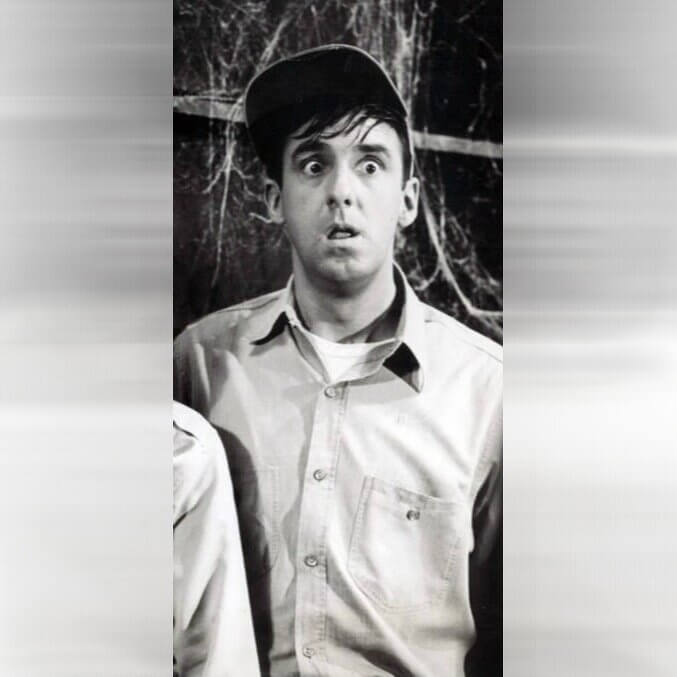
He proved that a single guest appearance can sometimes change the entire trajectory of an actor’s professional life and television history, launching a comedy legend.
The Social Change That Forced Otis Campbell Into Early Retirement
Otis Campbell, the town's frequent guest in the jailhouse, was a fan favorite, but his character eventually disappeared from the show. This was reportedly due to concerns from the network and sponsors about the portrayal of public intoxication as a comedic device. As social attitudes began to shift in the late 1960s, the producers felt that having a "lovable" town drunk was no longer appropriate for a family program.
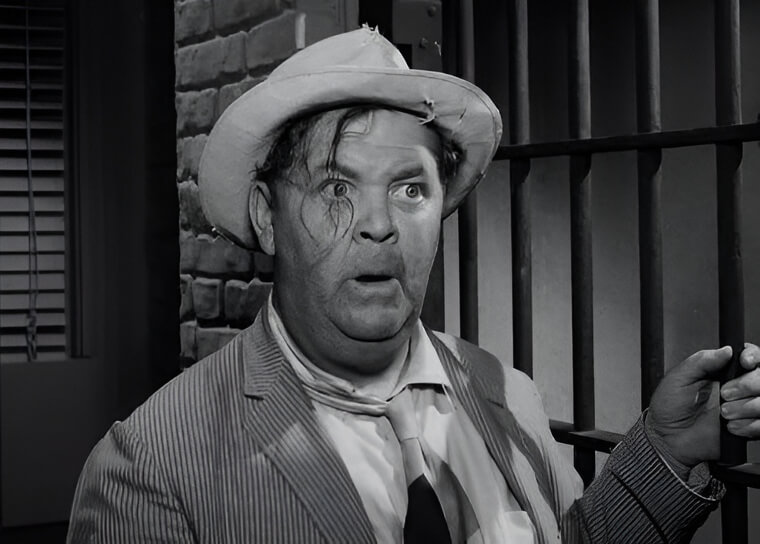
Hal Smith, the actor who played Otis, reportedly understood the decision, though fans deeply missed his hilarious "self-locking" jail cell antics and his sweet, gentle nature in the later seasons.
Andy Griffith Gave His Co-Stars Secret Language Lessons
The thick Southern accents heard on the show were a point of pride for Andy Griffith, who wanted to ensure the dialogue felt authentic to his North Carolina roots. However, some actors reportedly struggled with the specific regionalisms. Griffith would often rewrite scripts on the fly to include "Southernisms" he remembered from his childhood, such as saying "reckon" or "I declare." This meticulous attention to linguistic detail helped the show avoid the "hillbilly" stereotypes common in other shows of the time.
It gave the characters an ability to speak with a more dignified and poetic Southern vernacular that felt respectful to the culture and the fans.
Griffith's Hard-Fast "Oasis" Rule That Banned 1960s Politics From the Show
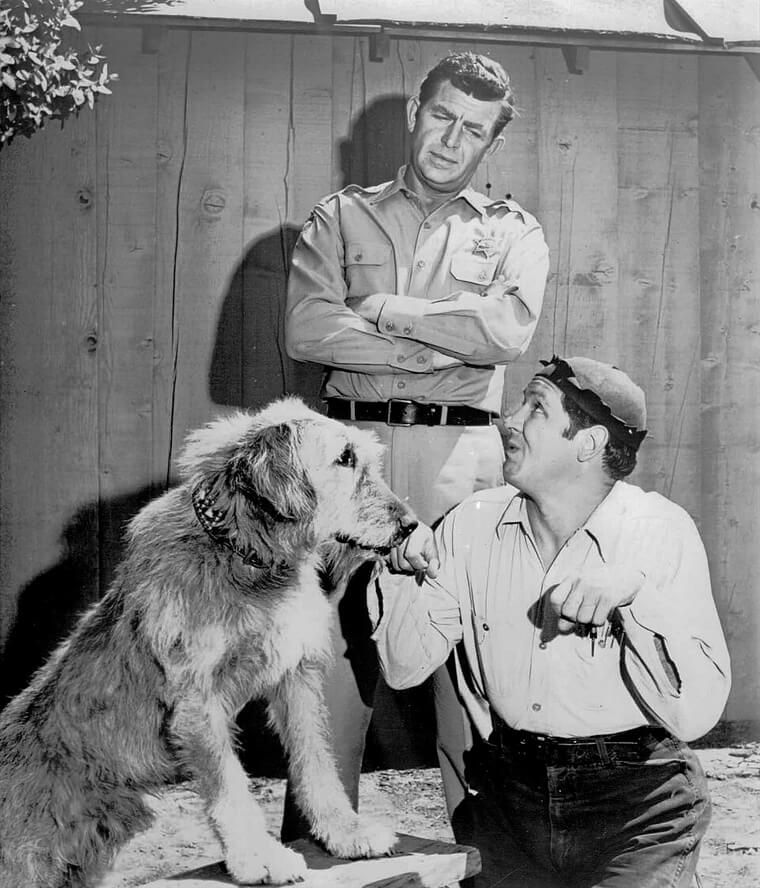
Despite being produced during the height of the Civil Rights Movement and the Vietnam War, the show almost never addressed current events or politics. Andy Griffith was reportedly adamant that Mayberry should be an "oasis" for viewers—a place where they could escape the turbulent headlines of the day. This decision was occasionally criticized, but not being anchored to the specific political climate of the time is largely responsible for the show's incredible longevity.
Its political detachment is what keeps it timeless and relatable to every new generation of fans who want to escape the stresses of their own modern lives.
The Crazed "Hillbilly" Persona That Was Actually the Director
The wild, rock-throwing mountain man Ernest T. Bass was played by Howard Morris, who also directed several episodes of the show. Morris reportedly based the character on a "crazed" version of himself, using his background in sketch comedy to create the frantic, high-pitched persona. Ernest T. was only in a handful of episodes, but his impact was so massive that he is often remembered as a primary cast member.
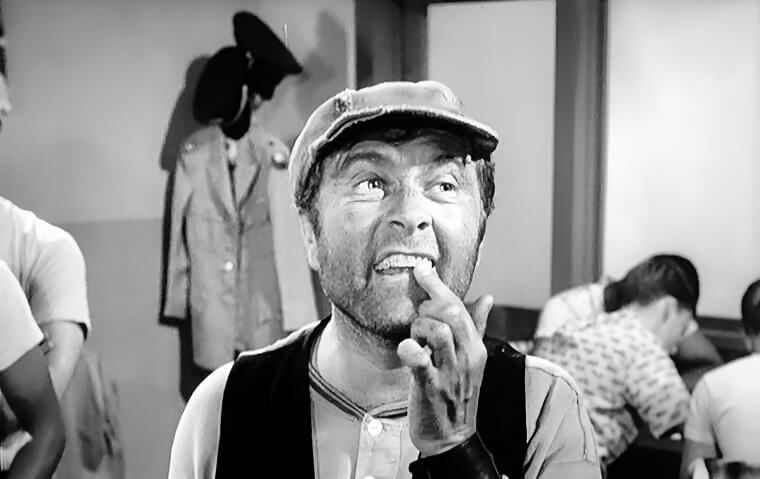
His catchphrases and "poetry" were allegedly improvised in part by Morris, who had a gift for physical comedy and vocal gymnastics that left the audience in stitches.
Andy Griffith Had Dictatorial Control Over the Script
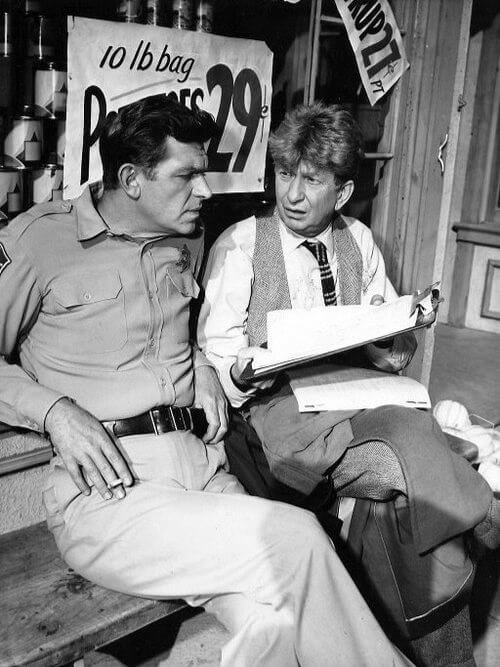
Andy Griffith wasn't just the star; he was the head of the creative ship. He reportedly sat in on every single script session, often rewriting dialogue to make it sound more natural. He had an incredible ear for the "rhythm" of Southern speech. Actors often noted that if a line didn't feel "Andy-like," it was cut immediately. This total creative control is why the show feels so consistent in its tone and quality across nearly 250 episodes.
It was truly a reflection of Griffith's personal philosophy and his deep, abiding love for his home state and its people.
The Massive Paycheck Gap Between Andy and His Deputy Led to Knott's Departure From the Show
Despite being the breakout star and winning five Emmy Awards for his role as Barney Fife, Don Knotts reportedly earned significantly less than Andy Griffith. While Griffith was a partial owner of the show and drew a massive salary, Knotts was a contract employee. This financial discrepancy was allegedly one of the minor factors that made Knotts feel more comfortable leaving for a lucrative film career.
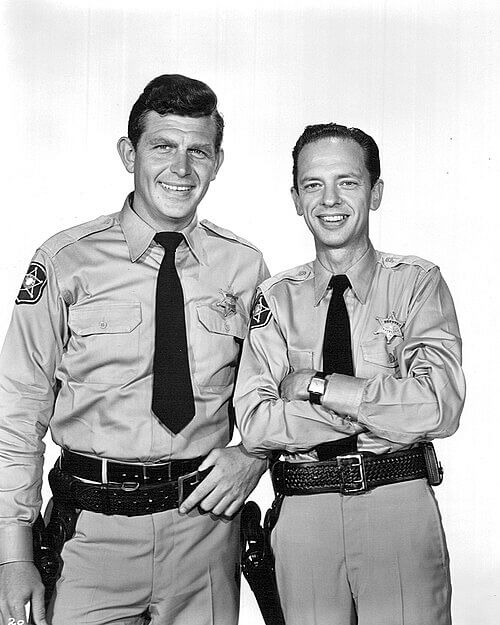
Griffith, to his credit, reportedly later regretted not offering Knotts a piece of the show’s ownership to keep him from leaving Mayberry, recognizing how vital he was to the show's overall success.
The Professional Whistling Shortage That Created the Theme Song
The whistling theme song, titled "The Fishin' Hole," is perhaps the most famous melody in television history. It was composed by Earle Hagen, who reportedly whistled the tune himself for the recording because he couldn't find a professional whistler who could capture the specific "lazy afternoon" feel he wanted. There were actually lyrics written for the song by Everett Sloane, but they were never used in the opening credits. The decision to keep it as a simple whistle was brilliant.
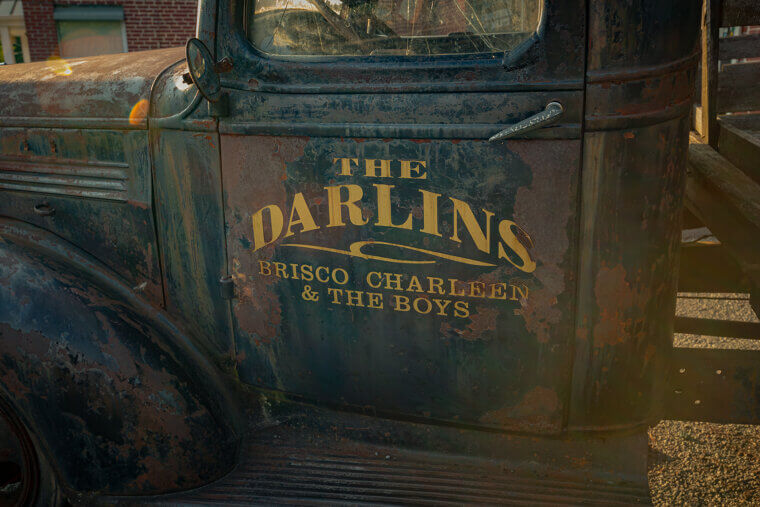
It perfectly encapsulated the uncomplicated, breezy lifestyle of Mayberry residents that viewers found so incredibly soothing and iconic.
The 20-Year Wedding Wait for Barney and Thelma Lou
Fans often wondered why Barney Fife and Thelma Lou never got married despite years of dating. Betty Lynn, the actress who played Thelma Lou, reportedly believed it was because Barney was too "scared" of the commitment and his own insecurities. However, when the cast reunited for the TV movie Return to Mayberry in 1986, the writers finally gave the fans what they wanted: Barney and Thelma Lou finally tied the knot.
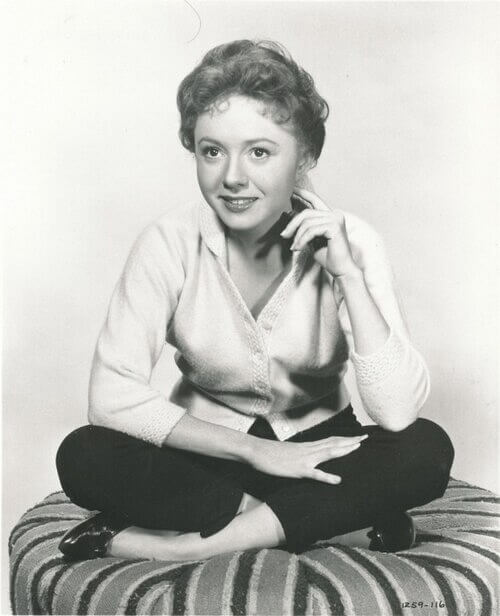
It was a beautiful "full circle" moment that provided closure for one of the longest-running "will-they-won't-they" romances in TV history, satisfying viewers who waited decades.
The Physical Transformation That Kept Floyd the Barber on Screen
In his first appearance, Floyd Lawson was played by actor Walter Baldwin and was a relatively standard character. However, when Howard McNear took over the role, he transformed Floyd into the eccentric, slow-talking, and slightly absent-minded barber we know today. McNear’s unique delivery was reportedly a result of his own creative choices, which Griffith encouraged. Even after McNear suffered a debilitating stroke mid-way through the series, the production team went to great lengths to keep him on the show.
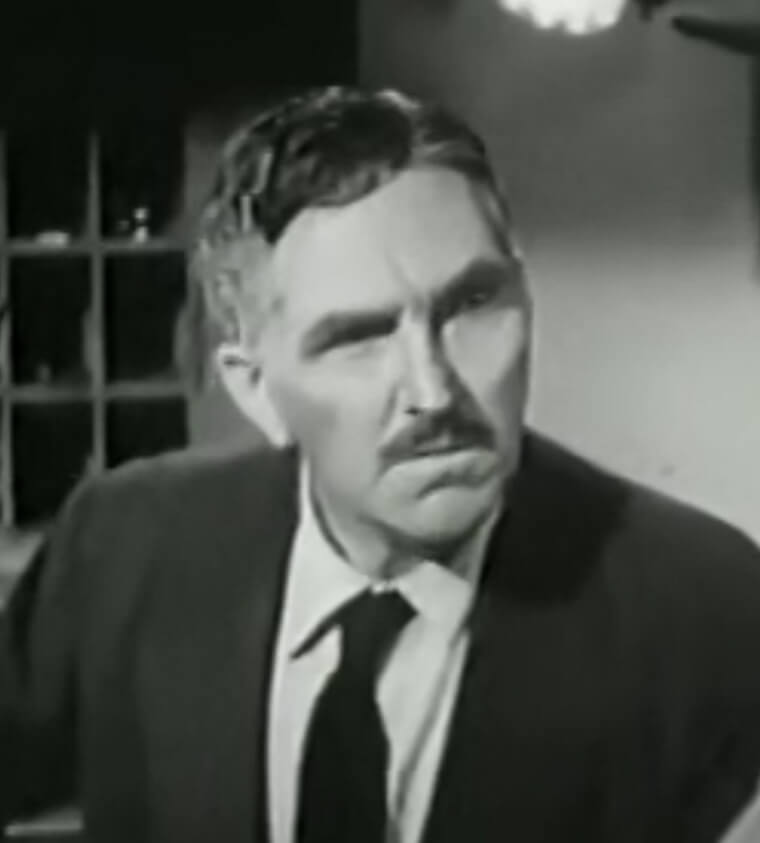
They built special sets so he could perform while seated or leaning, showing their deep loyalty to a beloved cast member.
The "Furniture Trick" Used to Make the Taylor Kitchen Feel Tiny and Intimate
The Taylor kitchen was the site of countless heart-to-heart talks, usually over a plate of Aunt Bee’s famous fried chicken. To make the scenes feel more intimate, the set designers reportedly used a smaller-than-average kitchen table. This forced the actors to sit closer together, creating a tighter frame for the cameras and enhancing the sense of family closeness. It’s a subtle psychological trick used in set design.
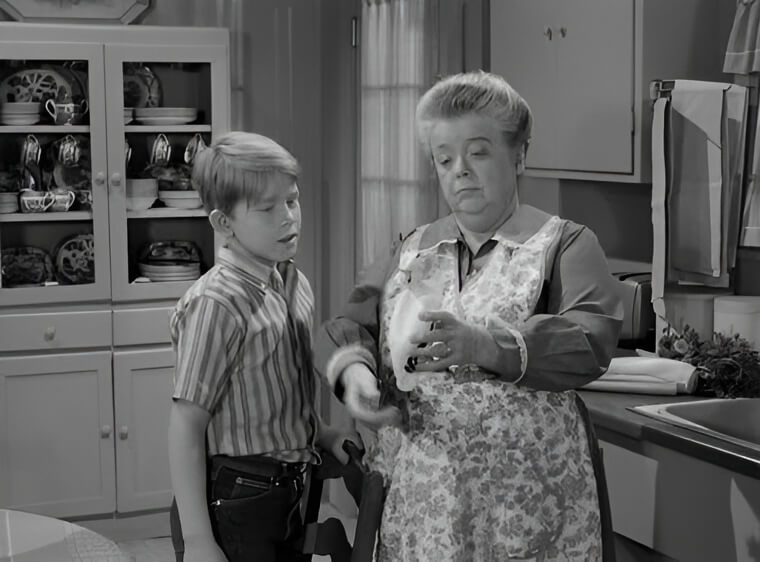
This trick made the Taylor household feel cozy and warm, rather than cavernous like many other television sets of the time period, making the audience feel like invited guests at dinner.
The Hollywood Movie Set That "Masqueraded" as a North Carolina Town
While many viewers truly believed Mayberry was a real North Carolina town, it was actually a meticulously constructed set on the legendary Forty Acres backlot in Culver City, California. This famous location had previously served as the iconic backdrop for the burning of Atlanta in the cinematic masterpiece Gone with the Wind. Interestingly, the "Main Street" was reused for decades, appearing in everything from Star Trek to Batman.
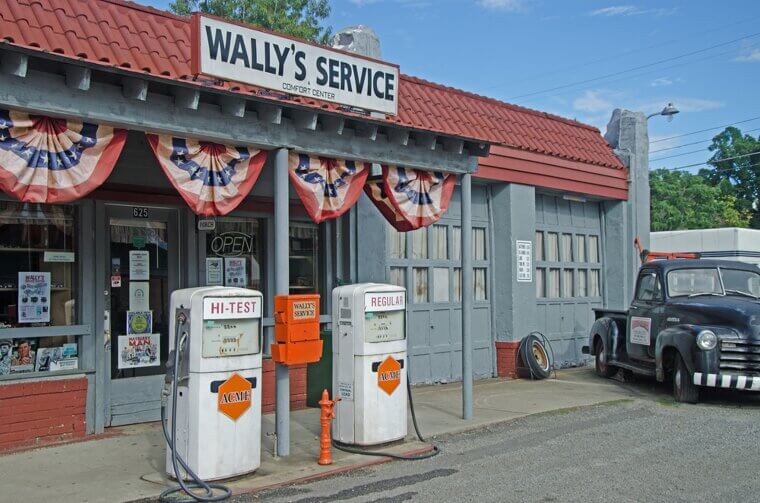
The layout was specifically designed to evoke a sense of timeless Americana, deliberately omitting modern conveniences of the 1960s to ensure the show felt like a nostalgic, lived-in memory for its dedicated audience.
The "Secret Agent" Father Who Coached Ron Howard’s Performance
Ron Howard didn't just stumble into the role of Opie; his father, Rance Howard, was a seasoned actor who played a pivotal role in shaping the character. Rance reportedly coached Ron to treat Andy Griffith like a real father, encouraging a level of respect and natural curiosity that translated beautifully on screen. Rance even appeared in several episodes as various guest characters. This family dynamic helped ground the show's emotional core.
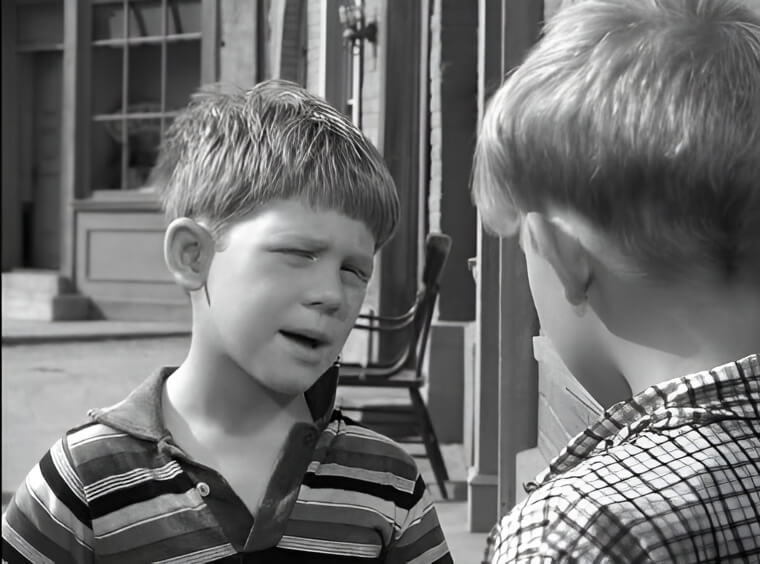
It made the father-son bond between Andy and Opie feel authentically warm and believable to millions of parents watching at home every week, which cemented the show’s legacy of family values.
The "No Time for Sergeants" Connection That Built the Lead Duo
The chemistry between Andy Griffith and Don Knotts wasn't just acting; they were incredibly close friends in real life. They had previously worked together on Broadway in No Time for Sergeants, and Griffith reportedly personally lobbied for Knotts to be cast as his deputy. Their off-screen bond allowed them to develop a shorthand for comedy that few duos have ever matched. They would allegedly spend hours rehearsing their timing.
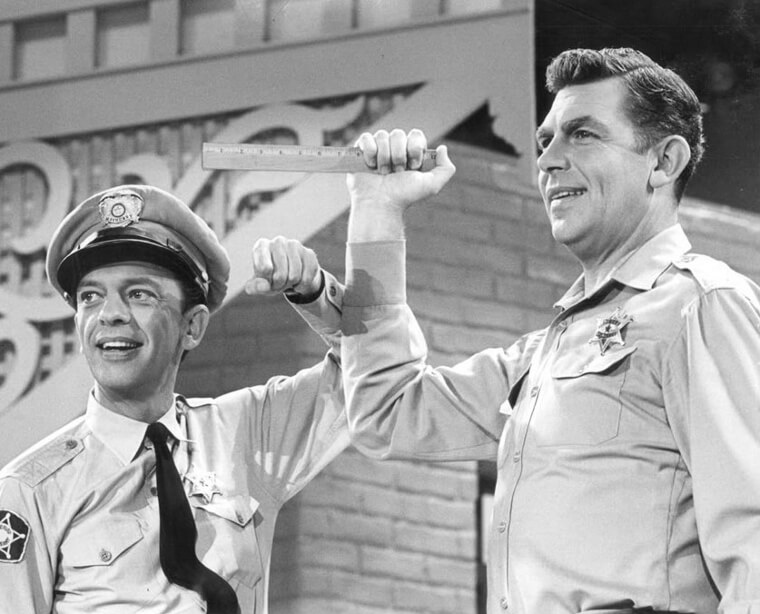
They ensured that every look and pause was perfectly calibrated to maximize the humor, which is why their scenes still feel fresh and genuinely funny to modern audiences today, decades later.
The "Aggressive" Prototype Version of Andy Taylor Actually First Appeared on "The Danny Thomas Show"
Before the show officially premiered, the character of Andy Taylor was introduced in an episode of The Danny Thomas Show titled "Danny Meets Andy Griffith." In this backdoor pilot, Andy is a much more aggressive and "hick-ish" version of the character, even serving as the justice of the peace and the local newspaper editor. After seeing the pilot, Griffith and the producers realized that a more mellow, philosophical version of the Sheriff would be more likable for a weekly series.
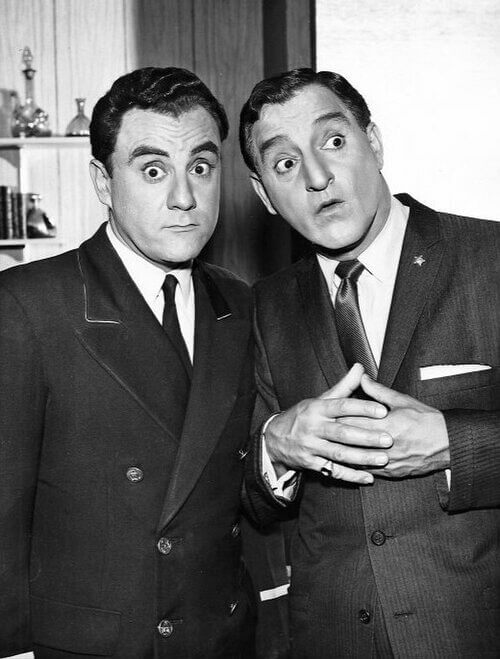
This realization led to the significant character shift that eventually made the show a massive, long-running hit for the television network.
The "Cary Grant" Impression That Landed Goober Pyle the Job
When Jim Nabors left to star in his own spin-off, the show needed a new "lovable goofball" at the filling station. Enter George Lindsey as Goober Pyle, Gomer’s cousin. Lindsey had actually originally auditioned for the role of Gomer but lost out to Nabors. When the opportunity arose again, Griffith remembered Lindsey’s talent. Goober brought a different energy—more of a "fixer" who loved working on cars and doing celebrity impressions.
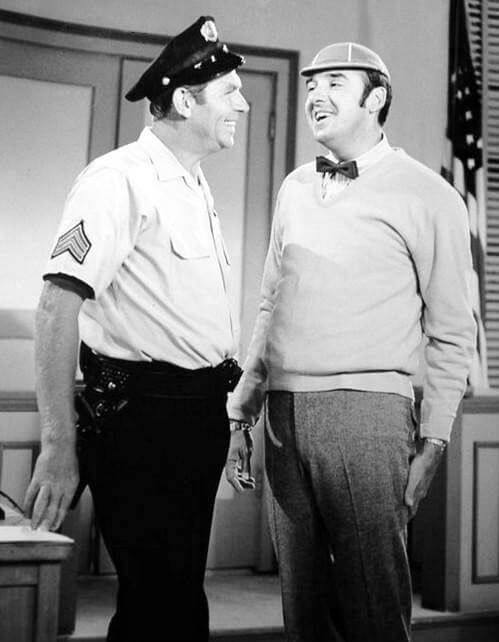
His "Cary Grant" impression became a recurring bit that fans absolutely adored, proving that the show could survive and thrive through major cast changes without losing its heart.
The Triple Identity Crisis of Aunt Bee’s Best Friend Clara
Aunt Bee’s best friend, played by Hope Summers, is widely known as Clara Edwards. However, in earlier episodes, the character was occasionally referred to as Bertha Johnson or Clara Johnson. This wasn't a secret plot point, but rather a lack of continuity in the early scripts. The writers eventually settled on Clara Edwards as she became a more permanent fixture in the series. This kind of minor inconsistency was common in 1960s television.
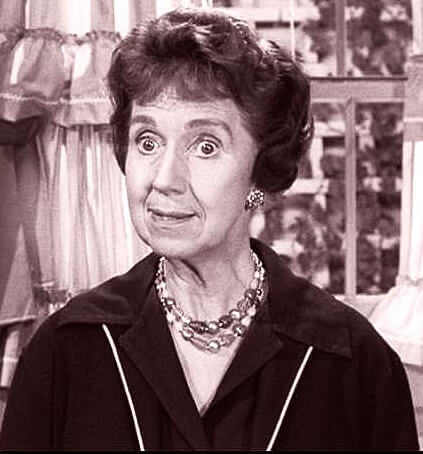
But it provides a fun "fact-check" for modern viewers who binge-watch the series and notice the name shifts while watching multiple episodes in a row.
The Disembodied Voices of the Show’s Secret Masterminds
Sheldon Leonard and Danny Thomas were the masterminds behind the show, and they occasionally popped up in uncredited ways. Leonard’s voice can allegedly be heard in various "radio" announcements or background noises throughout the series. These creators were deeply involved in the day-to-day operations, ensuring that the show maintained its high quality and specific moral tone. Their influence was so strong that it continued even after their departure from the show.
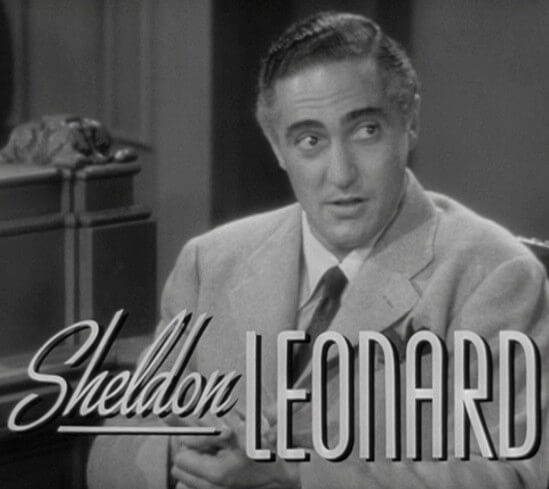
After they moved on to other projects, the blueprint they established for Mayberry remained the guiding light for the writers and directors until the very final episode was filmed and aired to the public.
The Landlady Who Replaced Barney’s Entire Family Tree
While we see plenty of Andy’s family, Barney Fife’s domestic life is a total mystery. We know he has a "landlady" named Mrs. Mendelbright, and he frequently mentions his mother, but she is never seen on screen. This was reportedly a deliberate choice to keep Barney’s character feeling like a perpetual "bachelor-at-large." Keeping him somewhat untethered to a traditional family structure was beneficial to the show writers.
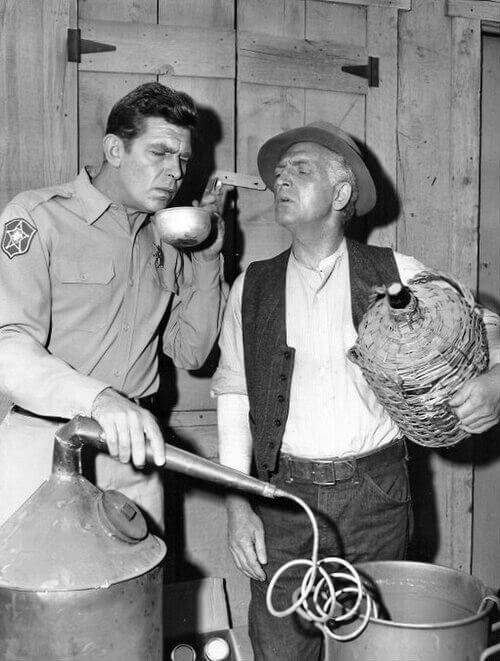
This allowed the writers to lean more into his hilarious romantic pursuits with Thelma Lou and his desperate attempts to appear like a sophisticated man about town, which added to his charm and massive comedic potential.
The Spooky Cross-Over to the Sets of "The Twilight Zone"
Several actors who played prominent roles in Mayberry also appeared in some of the most famous episodes of The Twilight Zone. For instance, Howard McNear (Floyd) and Barney Phillips (who played various roles) were frequent guests in Rod Serling’s anthology. The Forty Acres backlot was also used by both shows for filming. It’s a bit jarring for fans to see the friendly faces of Mayberry appearing in such dark, surreal settings.
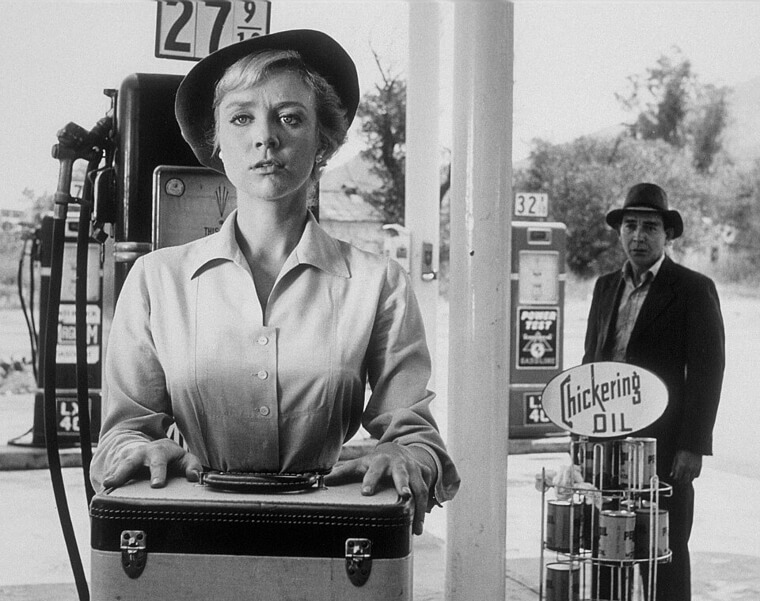
But it speaks to the incredible talent pool of character actors working in Hollywood during the golden age of television who could handle any genre.
The Sudden "Exit Strategy" That Replaced a Series Finale
Unlike modern shows that have massive, emotional final episodes, The Andy Griffith Show simply ended its eighth season and transitioned into the spin-off Mayberry R.F.D. Andy Griffith had decided he wanted to pursue films and other projects, so his character simply "moved away" to a new job. This lack of a formal goodbye was reportedly intentional, as the producers wanted the world of Mayberry to feel like it was still going on.
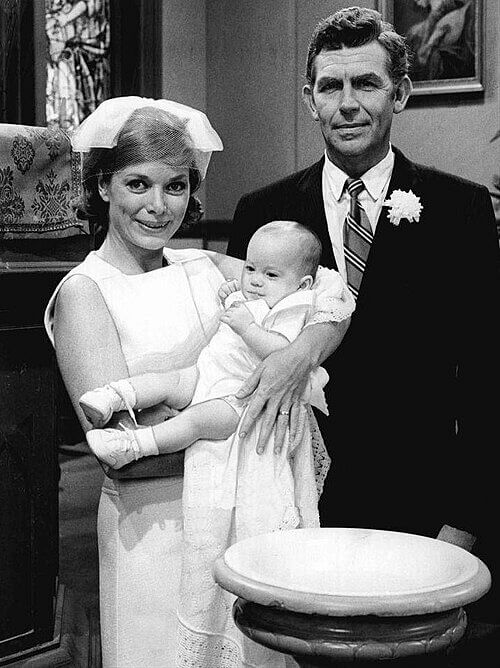
The world continued, just without the cameras rolling. It allowed the transition to the new series to feel more natural for the audience who stayed tuned.
The Real North Carolina Diner That Became a TV Legend
While Mayberry was a set, "Snappy Lunch" was a real place in Mount Airy that Andy Griffith frequented as a boy. He mentioned it in an early episode, and the diner became an overnight sensation. The owner was reportedly stunned by the sudden fame. To this day, the real Snappy Lunch still serves its famous "pork chop sandwich," and it has become a pilgrimage site for fans of the show.
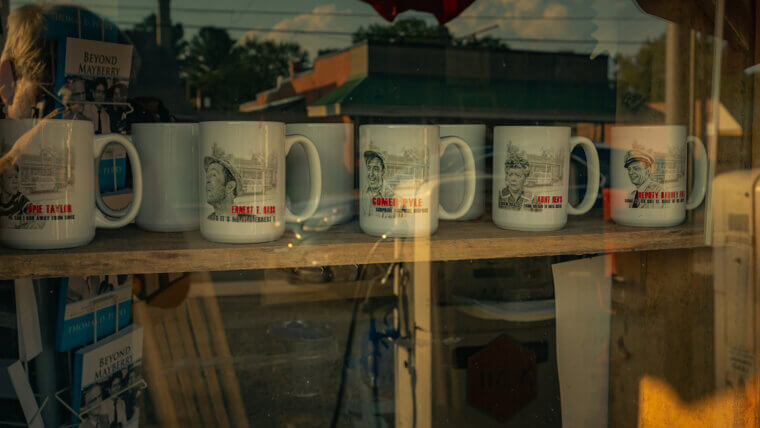
It is one of the few tangible links between the fictional world of the show and the real geography of North Carolina, bridging the gap for dedicated fans.
The Teetotaler Actor Behind the Drunkest Man in Mayberry
Hal Smith, who played the town drunk Otis Campbell, was reportedly a teetotaler in real life. To play the part authentically, he allegedly spent time observing people at local bus stations and public areas to mimic their slurred speech and swaying gait. His performance was so convincing that he frequently received letters from fans offering him "sobering" advice or inviting him to meetings. Smith found this hilarious and took it as a major compliment to his acting skills.
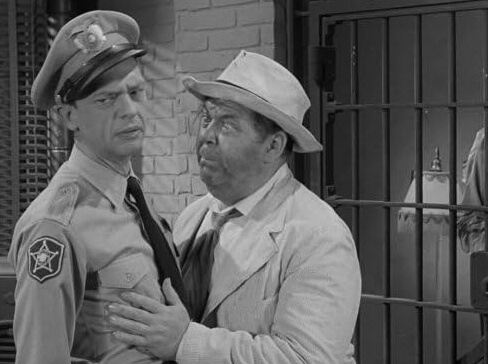
But that might be because he was actually a very disciplined and professional voice actor who voiced many characters in famous cartoons.
The Tragic Fate of the "Real" Mayberry Buildings
After the show ended and Mayberry R.F.D. was cancelled, the Forty Acres backlot fell into disrepair. The iconic buildings that fans knew so well—the courthouse, the Taylor house, and the barber shop—eventually became dilapidated. In the mid-1970s, the set was finally demolished to make way for industrial parks and housing. While the physical buildings are gone, the spirit of the town lives on in the hearts of fans.
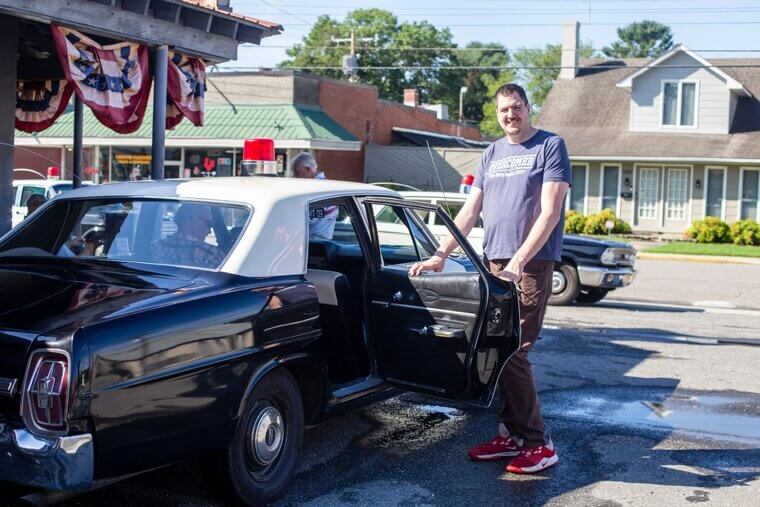
It’s a bit bittersweet to think that the "Main Street" we all know so well is now just a memory under a parking lot in modern-day California.
The Psychological Reason This Sitcom Is Still a Rating Juggernaut
In an age of complex, dark television dramas, The Andy Griffith Show continues to see a massive surge in viewership on streaming platforms. Psychologists allegedly suggest that the show provides a form of "comfort viewing" that reduces stress. The simple morality and the focus on community and kindness offer a sense of stability in an uncertain world. It isn't just about nostalgia for the 1960s.
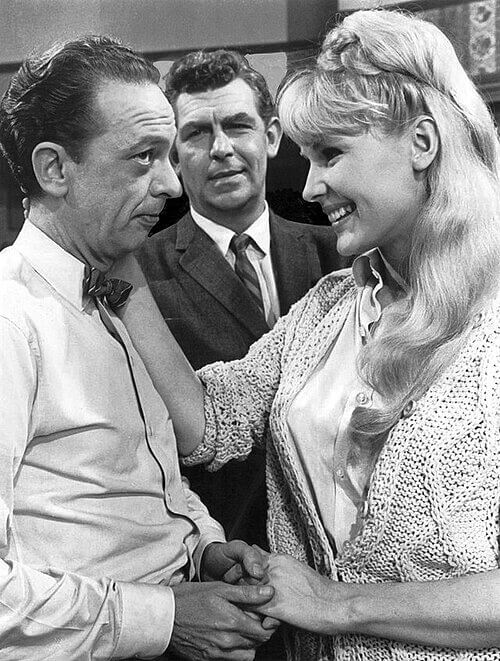
It’s about a universal longing for a place where everyone knows your name and the biggest problem of the day can be solved with a fishing pole and a long walk.