
Audie Murphy: The Western Hero Who Lived the Legend of "To Hell and Back"
Standing just 5'5", the "baby-faced" kid from Texas was initially rejected by the Marines for being too small. He joined the Army instead and became the most decorated soldier of WWII. His Silver Star-worthy moment occurred on a frozen field in France, where he climbed aboard a burning tank destroyer—packed with fuel and ammo—and used its .50-caliber machine gun to single-handedly hold off an entire company of German infantry for an hour.
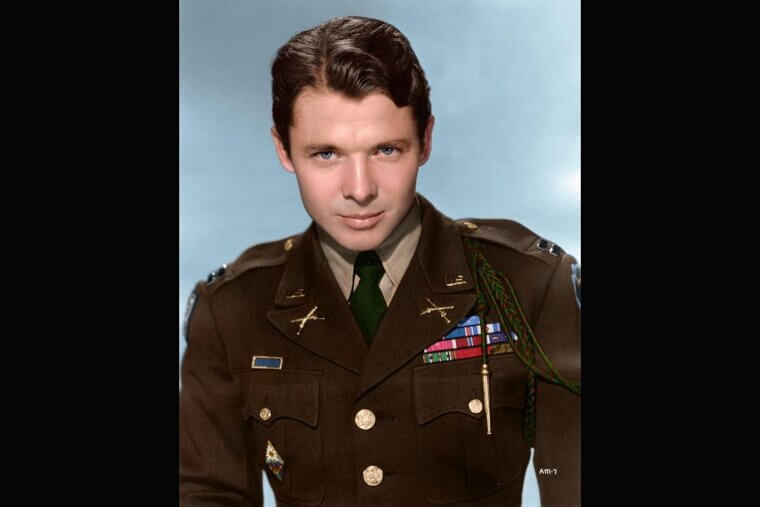
He earned the Medal of Honor, the Distinguished Service Cross, and two Silver Stars, all before he could legally buy a drink or start his Hollywood career.
Lee Marvin: The Sniper Who Was Just as Tough as "The Dirty Dozen"
Lee Marvin defined the "hard-boiled" archetype in classics like The Dirty Dozen, but his gravelly voice and intimidating presence were forged in the Pacific Theater. As a Private First Class in the Marines, Marvin served as a scout sniper. During the brutal Battle of Saipan, his unit was decimated. Marvin was one of the few survivors, but not before a Japanese machine gunner severed his sciatic nerve with a shot to the buttocks.
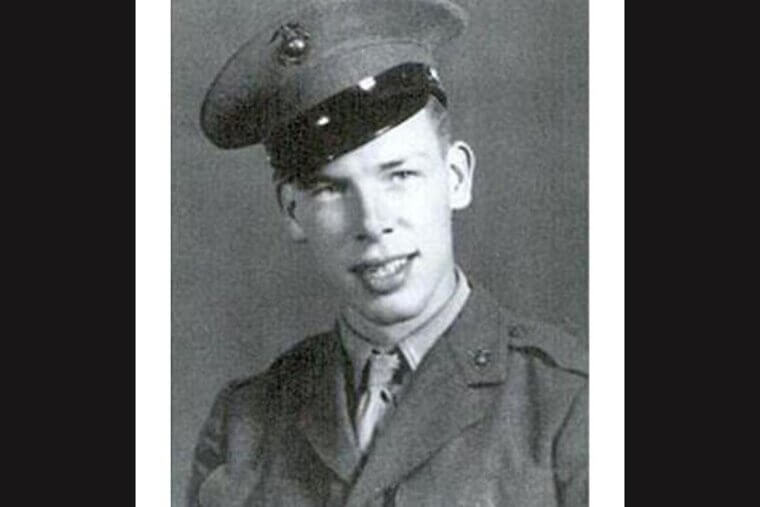
He spent over a year in the hospital and was awarded the Purple Heart, eventually being buried at Arlington National Cemetery as a simple PFC.
Charles Bronson: The "Death Wish" Vigilante in the "Airman’s Coffin"
Before he was the face of the Death Wish franchise, Charles Bronson was Charles Buchinsky, a coal miner’s son who saw the Army as his way out of poverty. In 1943, he took on the most dangerous job in the Air Force: tail gunner. Positioned in the literal rear of a B-29 Superfortress, he flew 25 combat missions over the Japanese home islands. The tail gunner was often the first target for enemy fighter pilots, earning the position the nickname "the airman's coffin."
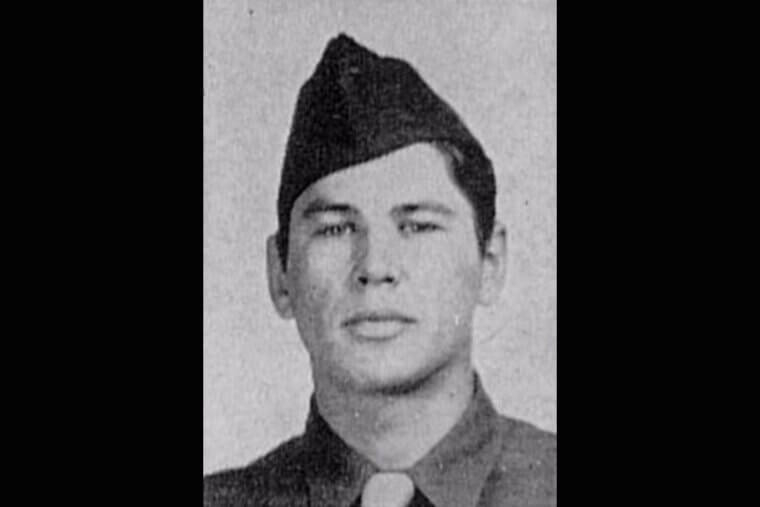
Bronson survived the onslaught but took enough shrapnel to earn a Purple Heart for his bravery.
James Doohan: The "Scotty" Who Stormed Juno Beach Before the Enterprise
The Star Trek legend wasn't Scottish, but he was incredibly brave. On June 6, 1944, he led his men through a hail of German fire, personally taking out two snipers. That night, a nervous Canadian sentry accidentally shot Doohan six times. Four bullets hit his leg, one took off his middle finger—which he famously hid on screen for decades—and one hit him square in the chest.
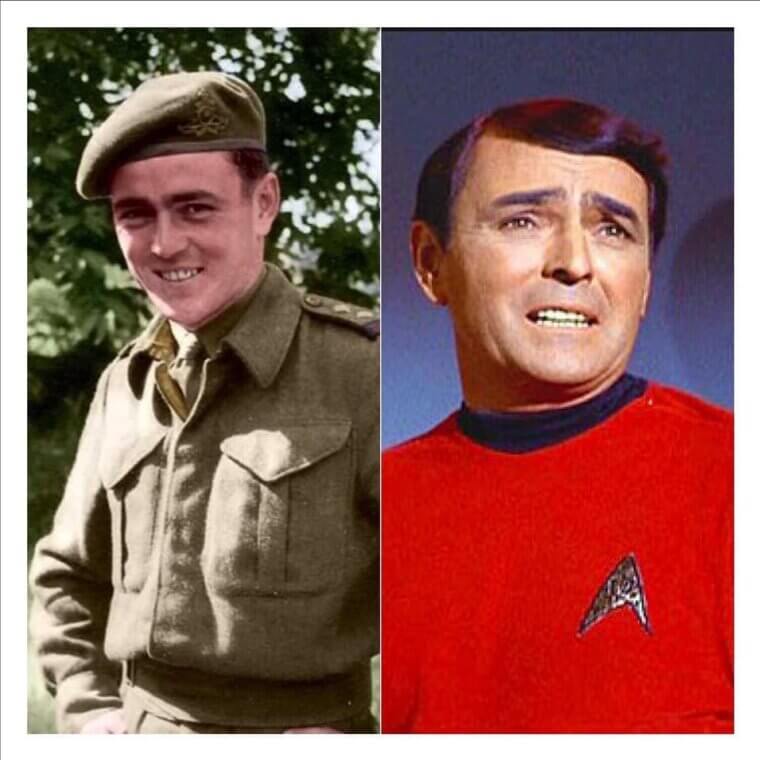
Fortunately, a silver cigarette case in his pocket deflected the fatal round. He survived the war as a captain and a certified hero before boarding the starship Enterprise in the 1960s.
Mel Brooks: The "Blazing Saddles" Genius Who Defused Nazi Landmines
It’s hard to imagine the man who gave us Blazing Saddles crawling through the mud in a war zone, but Mel Brooks was a Combat Engineer during the Battle of the Bulge. His job was terrifyingly simple: find and defuse German landmines. While the enemy was retreating, they left "souvenirs" everywhere, and it was Brooks’ job to clear the path. When asked about his service, he famously quipped about the absurdity of a comedian in such a role.
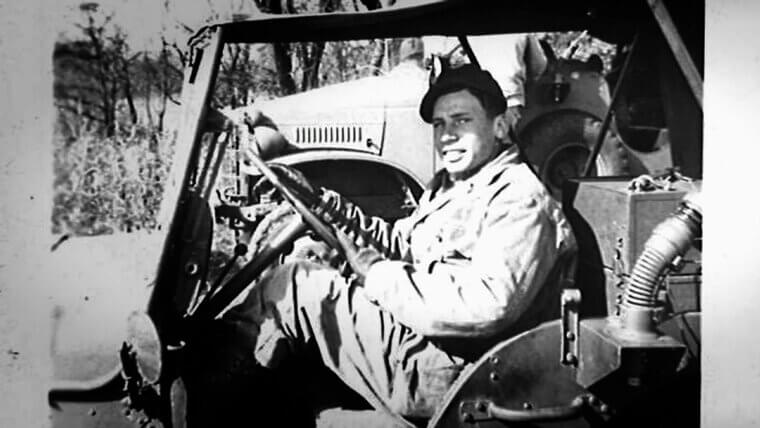
While serving, he faced constant artillery fire and earned the Bronze Star for his bravery in the face of the Nazi regime.
Charles Durning: The Survivor of Omaha Beach and the "Tootsie" Star
Charles Durning was a true warrior who lived through some of the darkest moments of WWII. He was among the first wave to land on Omaha Beach on D-Day, where he was the only member of his unit to survive the initial charge. Later, during the Battle of the Bulge, he was captured and survived the infamous Malmedy Massacre. Durning was wounded multiple times, earning three Purple Hearts and a Silver Star for single-handedly eliminating a German machine-gun nest.
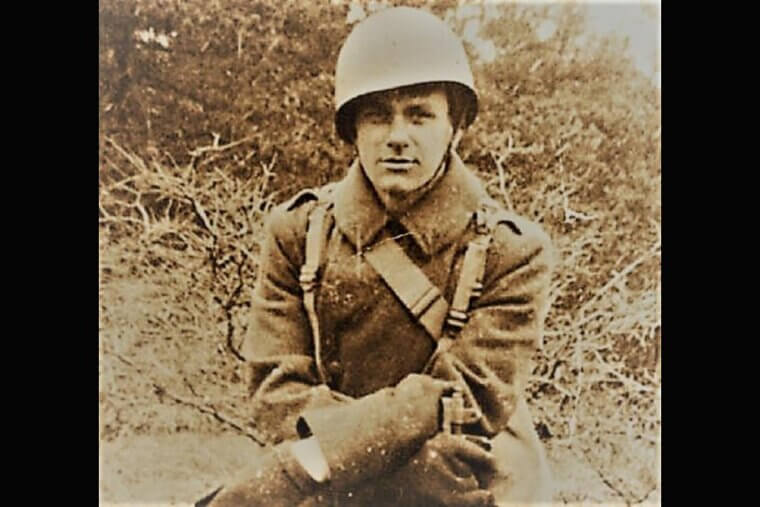
His real-life trauma informed the immense depth and grit he brought to his prolific acting career.
Neville Brand: The Western Villain Who Out-Heroed Everyone in Real Life
While he often played the heavy in 1950s Westerns and noir films, Neville Brand was actually the fourth most decorated soldier in the U.S. Army. During his service in Europe, he led his platoon in an attack on a fortified German position. Despite being seriously wounded, he refused to retreat until the objective was secured. Brand was awarded the Silver Star for gallantry in action, along with a Purple Heart.
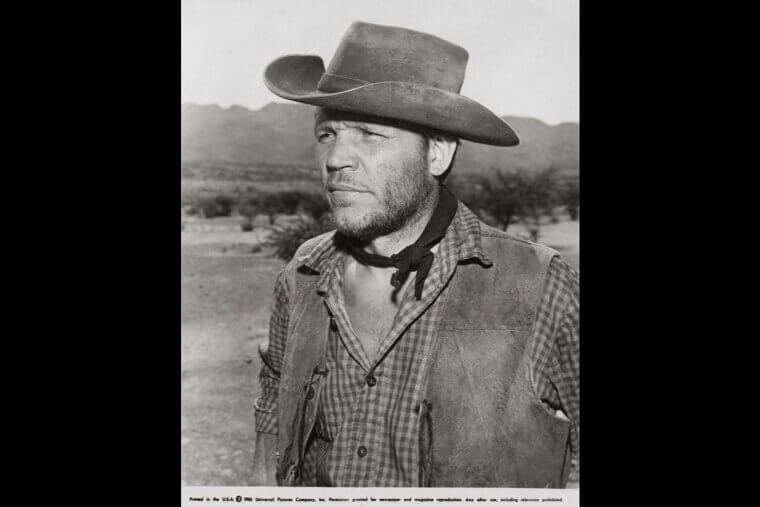
His transition to Hollywood saw him playing tough guys, but few viewers realized his rugged exterior was backed by genuine, high-level military valor.
Eddie Albert: The "Green Acres" Star Who Saved 47 Marines at Tarawa
Long before he moved to Green Acres, Eddie Albert was a hero in the Pacific. As a Navy salvage officer during the bloody Battle of Tarawa, Albert piloted a small landing craft under intense enemy fire to rescue stranded Marines. He made multiple trips into the "kill zone," pulling 47 wounded men from the water while Japanese machine guns raked the beach. He showed extraordinary courage and total disregard for his own safety.
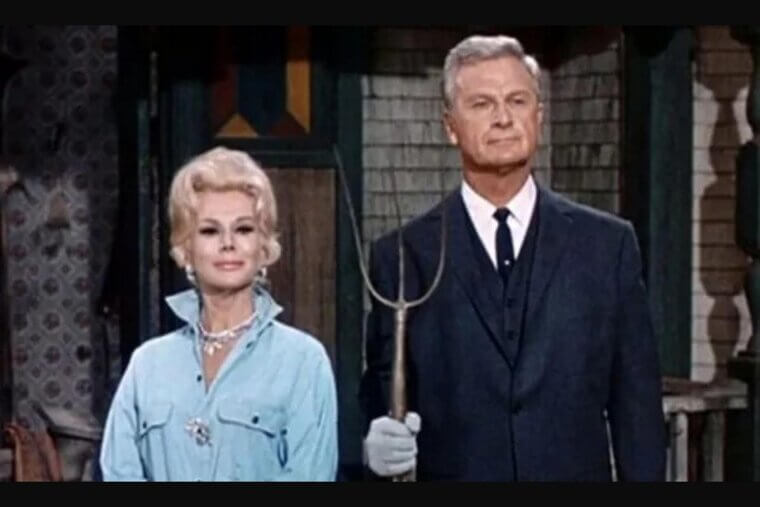
And for that, he was awarded the Bronze Star with a "V" device for valor, marking him as a true life-saver in one of the war's toughest battles.
James Arness: The "Gunsmoke" Legend Who Took a Hit at Anzio
Standing 6'7", James Arness was too tall to be a pilot, so he was assigned to the infantry. During the invasion of Anzio in 1944, the future Marshal Matt Dillon was the first man off his landing craft because the officers wanted to test the water's depth. He walked into a hail of gunfire and was severely wounded in the leg and foot. His injuries were so significant that he underwent multiple surgeries and suffered from chronic pain.
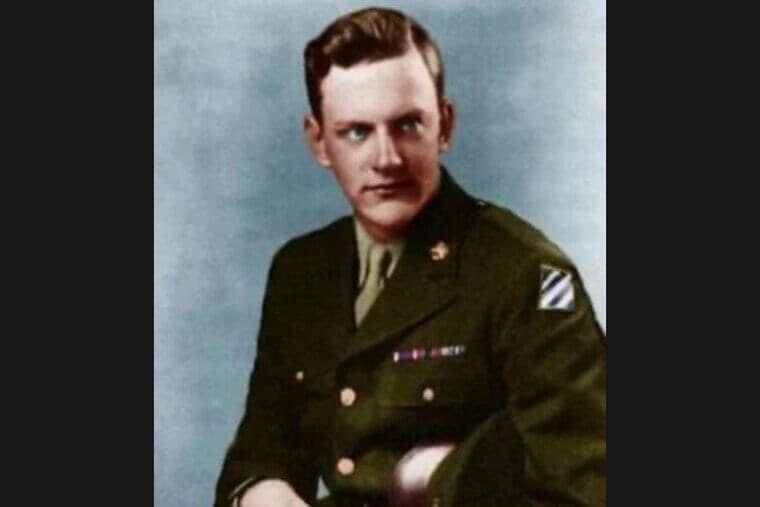
That was the case for the rest of his life, yet he earned the Bronze Star and Purple Heart for his sacrifice.
Douglas Fairbanks Jr.: The Swashbuckling Icon Who Led Secret Naval Missions
Fairbanks Jr. didn't just rely on his father's famous name; he became a decorated naval officer. He was a key figure in "The Beach Jumpers," a top-secret tactical deception unit that used smoke, lights, and sound effects to trick the Axis powers into thinking invasions were happening elsewhere. His leadership during these hazardous diversionary raids earned him the Silver Star, the Legion of Merit, and the British Distinguished Service Cross.
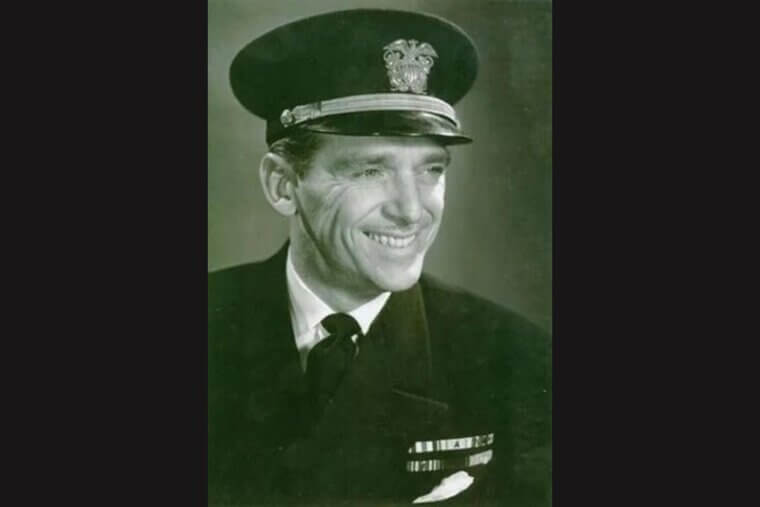
He proved that even a dashing leading man could excel in the gritty, high-stakes world of special operations and military intelligence.
Sterling Hayden: The "Asphalt Jungle" Star Who Was a Real-Life Secret Agent
Sterling Hayden was a rugged star of 1950s classics like The Asphalt Jungle, but his real-life resume was even more intense. Under the pseudonym "John Hamilton," he joined the OSS—the precursor to the CIA. He spent the war running guns and supplies to Yugoslav partisans through German-controlled waters. His daring missions behind enemy lines and his work with resistance fighters earned him the Silver Star.
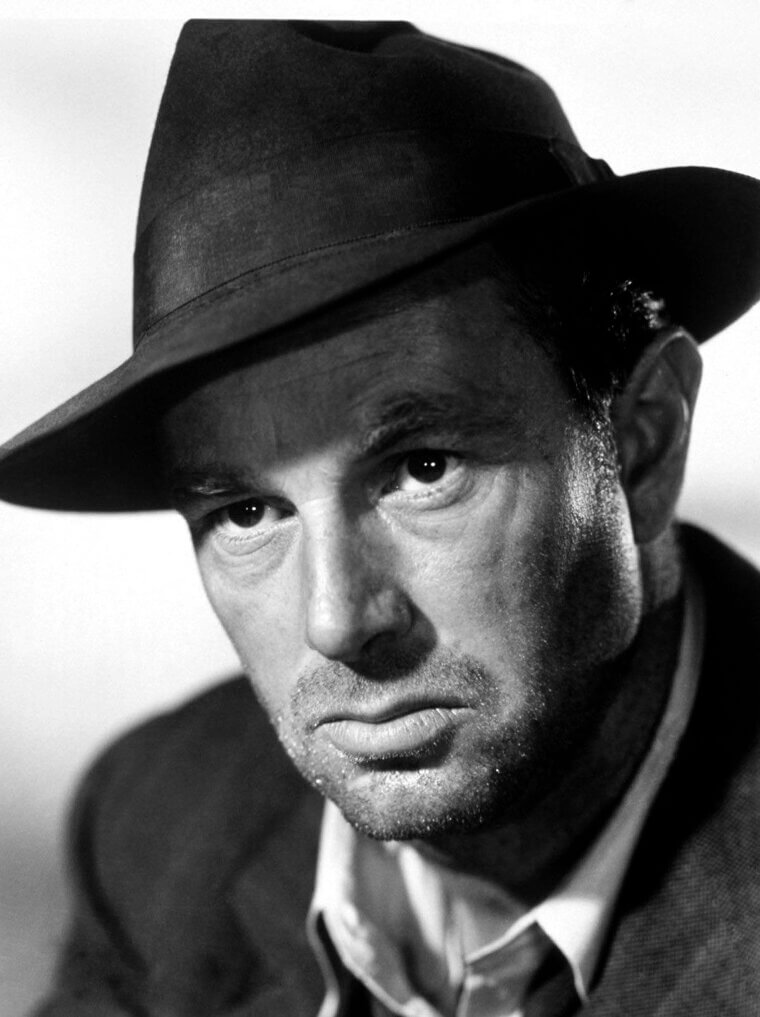
Hayden was a man of immense conviction who preferred the danger of the Adriatic Sea to the glitz of Hollywood, a grit that translated perfectly to his on-screen roles.
Russell Johnson: The "Gilligan's Island" Professor Who Was a Decorated Bombardier
Before he was "The Professor" on Gilligan's Island, Russell Johnson was a technical sergeant in the Army Air Forces. He flew 44 combat missions as a B-24 bombardier in the Pacific. During a mission over the Philippines in 1945, his plane was shot down by intense anti-aircraft fire. Johnson survived the crash but broke both of his ankles in the process. He earned the Bronze Star, the Air Medal with clusters, and a Purple Heart.
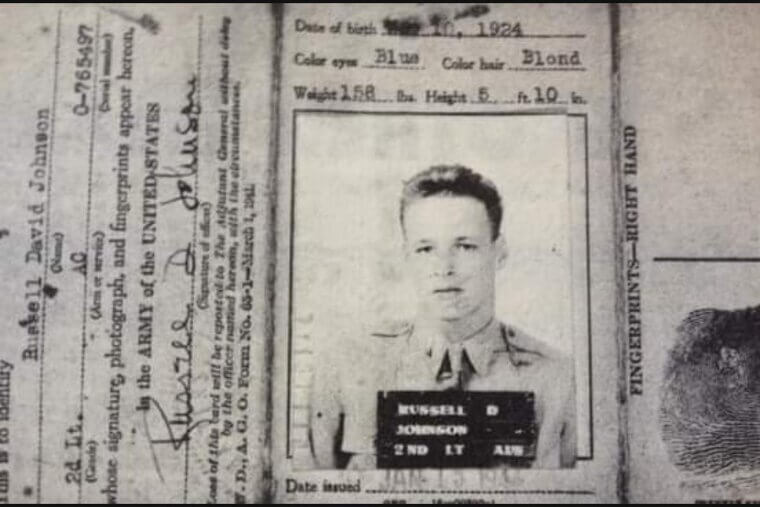
After the war, he used the GI Bill to study acting, eventually becoming one of TV's most recognizable faces.
Jackie Coogan: The "Addams Family" Uncle Fester Who Flew Suicide Glider Missions
Jackie Coogan, famous as a child star and later as Uncle Fester, had one of the most dangerous jobs in the war. He volunteered for the glider corps, flying wooden, engineless aircraft behind enemy lines. During the invasion of Burma, he participated in "Operation Thursday," flying British troops into hazardous jungle clearings at night to sabotage Japanese lines. These were one-way "suicide" missions where the risk of crashing was as high as the risk of enemy fire.
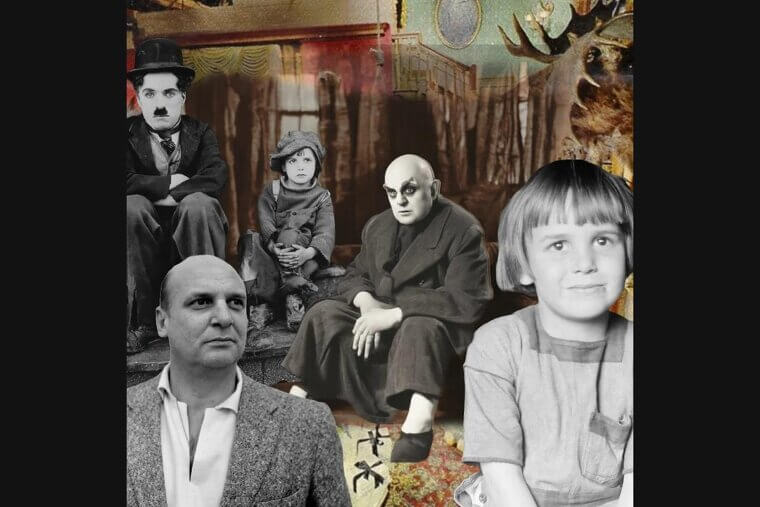
For his daring aerial expertise and bravery in the China-Burma-India theater, he was awarded the Air Medal.
Art Carney: The "Honeymooners" Legend Wounded on the Sands of Normandy
Art Carney is beloved for his comedic timing as Ed Norton, but his entry into the adult world was anything but funny. He was drafted into the Army and served as an infantryman. During the Normandy landings, Carney was hit in the leg by shrapnel while his unit was taking fire. The injury resulted in one leg being shorter than the other for the rest of his life.
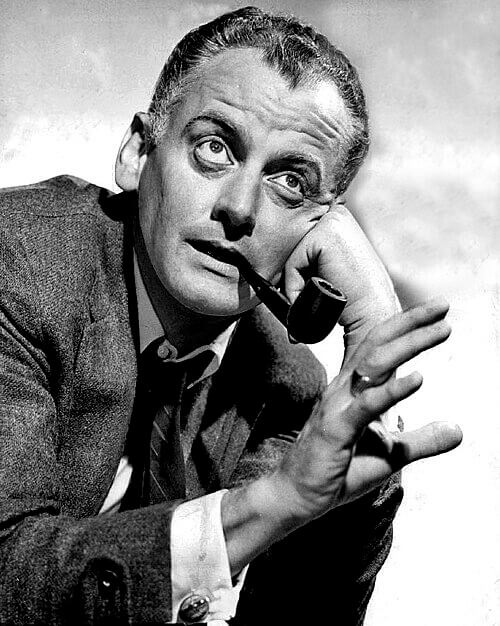
This caused the slight limp that viewers might have noticed during his long television career. He earned the Purple Heart for his service and sacrifice during the liberation of Europe.
Paul Newman: The "Cool Hand Luke" Star Who Narrowly Escaped a Kamikaze Strike
The blue-eyed icon of the 60s and 70s served as a radioman and turret gunner on an Avenger torpedo bomber. Newman had hoped to be a pilot, but his colorblindness kept him in the gunner’s seat. He narrowly escaped death when his pilot developed an ear infection, grounding their plane while the rest of their unit was transferred to a carrier that was shortly after decimated by a kamikaze attack.
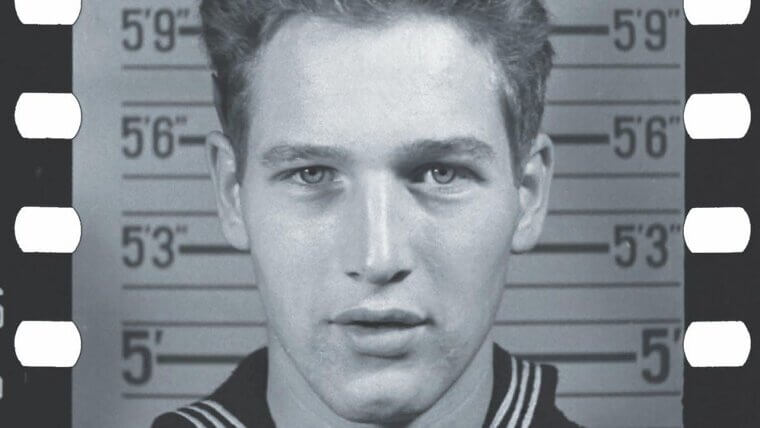
Newman’s service in the Pacific earned him several medals and a profound perspective on life that fueled his philanthropic and artistic pursuits for decades to come.
Ernest Borgnine: The "McHale’s Navy" Captain Who Hunted U-Boats in Real Life
Ernest Borgnine, known for his rugged roles and gap-toothed grin, spent a decade in the Navy. After initially serving from 1935 to 1941, he re-enlisted immediately after the attack on Pearl Harbor. He served aboard the USS Lamberton, patrolling the Atlantic for German U-boats. Borgnine reached the rank of Gunner's Mate First Class and earned several campaign medals for his time at sea.
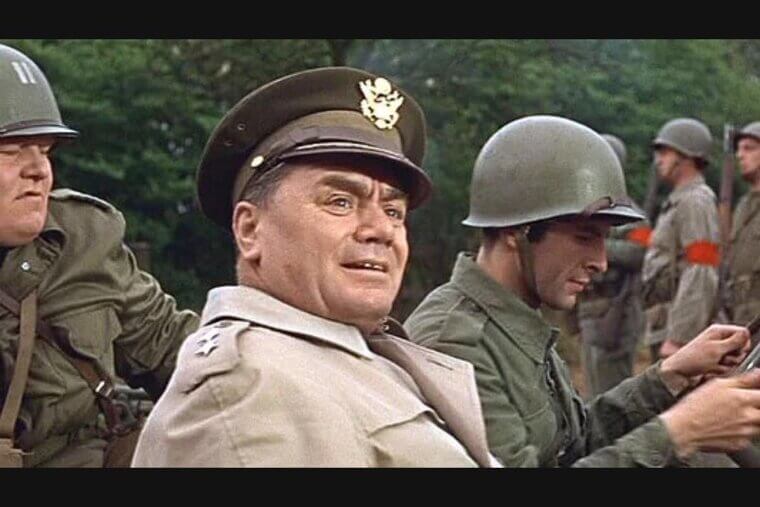
His military discipline and experience with diverse crews across the globe gave him the authenticity that later won him an Academy Award for Marty and made him a 1960s TV staple.
Henry Fonda: The "12 Angry Men" Juror Who Earned a Bronze Star
Henry Fonda was a massive star when the war broke out, but he famously stated, "I don't want to be in a fake war in a studio." He enlisted in the Navy and served as a Quartermaster 3rd Class on the USS Satterlee. Later, as an Air Combat Intelligence officer in the Central Pacific, he was tasked with high-pressure planning and reconnaissance. For his gallantry and efficient service during the Battle of the Central Pacific, he was awarded the Bronze Star.
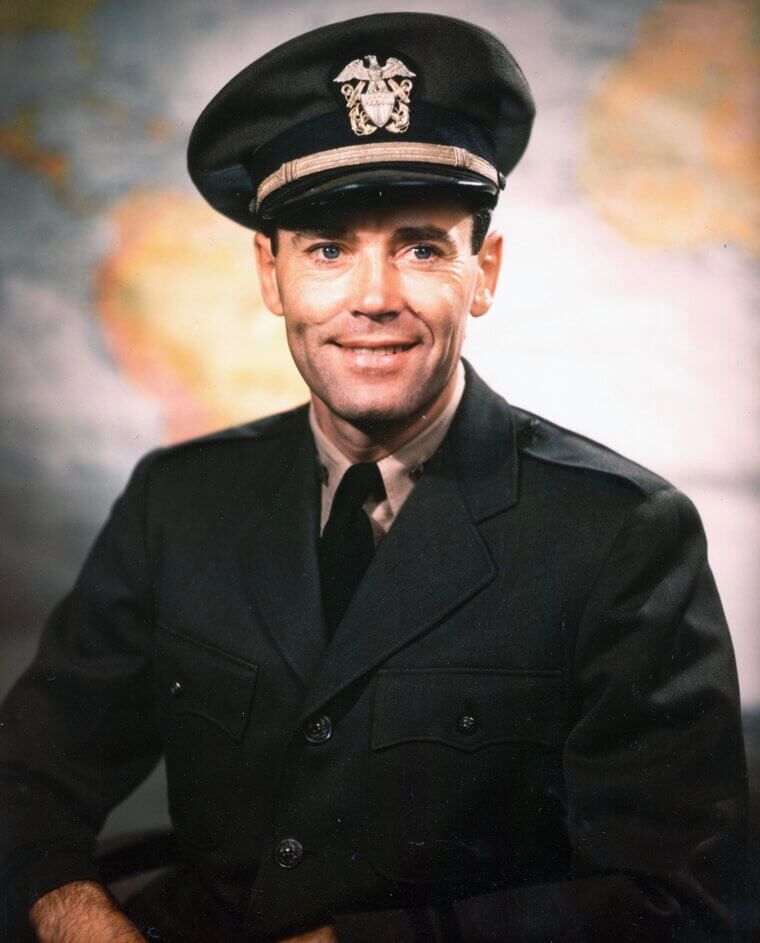
Fonda returned to Hollywood with a renewed sense of gravitas that defined his legendary career.
19. Jason Robards: The "All the President’s Men" Star Who Survived Pearl Harbor
Jason Robards was a Navy radioman 1st class serving aboard the USS Honolulu during the attack on Pearl Harbor in 1941. He witnessed the devastation firsthand and spent the remainder of the war in the thick of the Pacific conflict. Robards was aboard several ships that were nearly sunk by torpedoes and kamikazes. For his service during the Battle of Tassafaronga and other engagements, his unit received the Navy Unit Commendation.
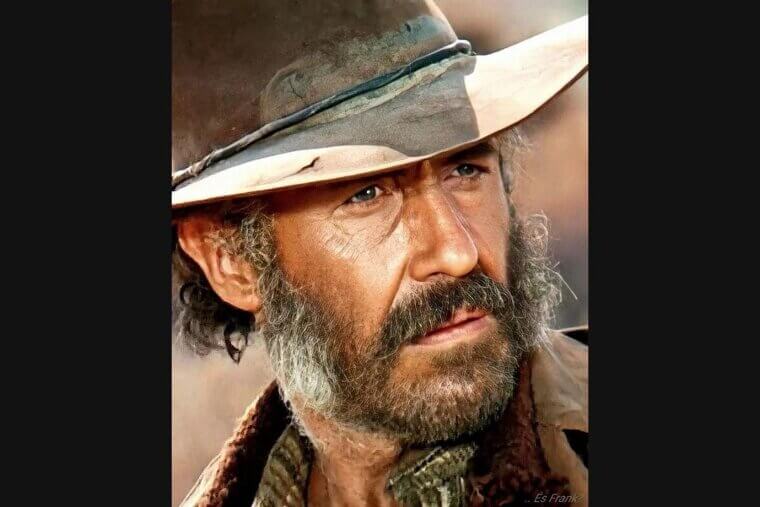
The grit and weariness he displayed in his later acting roles were undoubtedly rooted in the life-and-death reality of his naval service.
Clark Gable: The "Gone With the Wind" King Who Braved 20mm Shells
After his wife Carole Lombard died in a plane crash while promoting war bonds, a grieving Clark Gable enlisted in the Army Air Forces. Despite being in his 40s, he insisted on flying combat missions to film a recruitment movie. He flew five dangerous bombing raids over Germany as a gunner on a B-17 Flying Fortress. During one mission, a 20mm shell came through the floor, cut his boot, and narrowly missed his head.
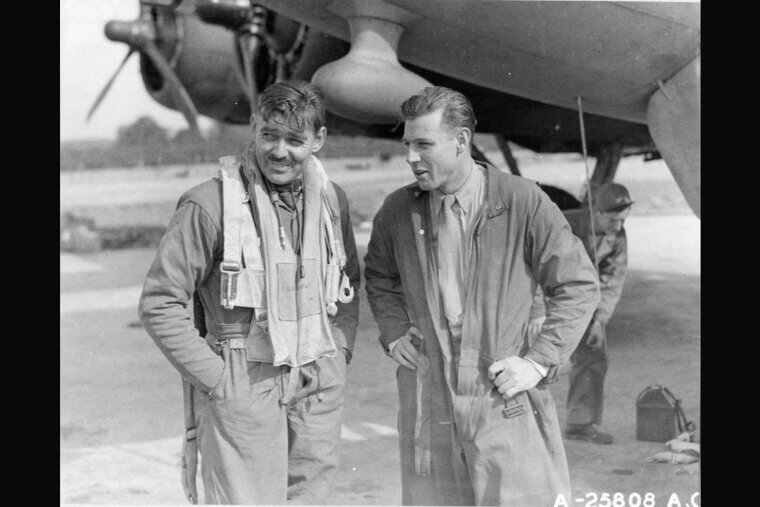
He earned the Air Medal and the Distinguished Service Medal, proving that the "King of Hollywood" was willing to bleed for his country.
Jimmy Stewart: The B-24 Pilot Who Refused to Stay Safe as George Bailey
Already an Oscar winner, Stewart fought the draft board not to get out of service, but to get into combat. Because he was a famous actor, the military wanted to keep him stateside for PR, but Stewart insisted on flying. He rose from private to colonel, personally piloting 20 combat missions over Nazi-occupied Europe. During a raid on Brunswick, his B-24 was shredded by anti-aircraft fire, yet he managed to keep the formation together.
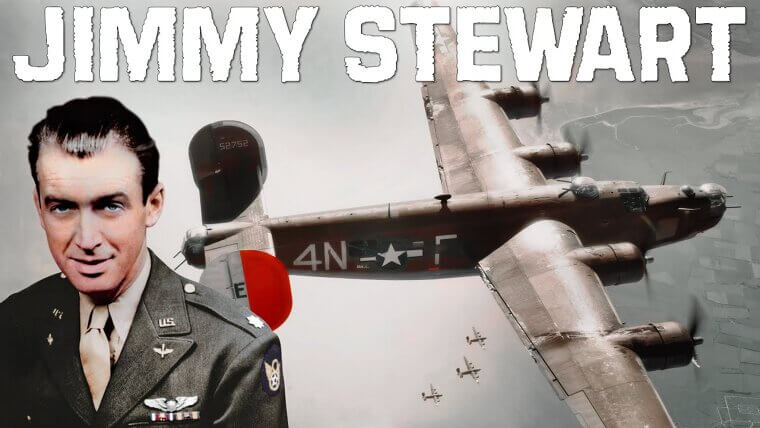
He returned home with two Distinguished Flying Crosses and the French Croix de Guerre, eventually retiring as a Brigadier General, the highest-ranking actor in military history.
Bea Arthur: The "Golden Girls" Matriarch Who Was a Marine Staff Sergeant
Long before she was a Golden Girl, Bea Arthur (then Bernice Frankel) was one of the first women to join the Marine Corps Women's Reserve. Enlisting in 1943, she served as a truck driver and a dispatcher, rising to the rank of Staff Sergeant. Her military records describe her as "argumentative" but "highly capable," traits that fans would later recognize in her iconic characters Maude and Dorothy.
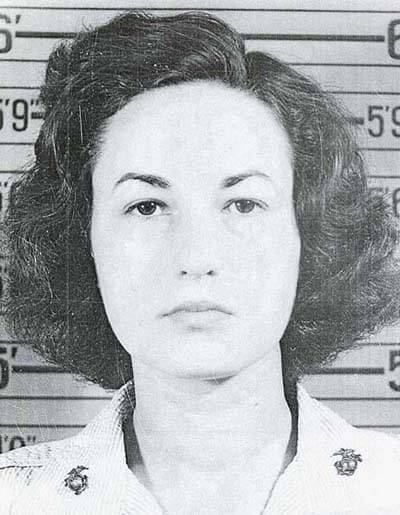
Though she rarely spoke of her service in later years, she was a pioneer who paved the way for women in the military during a time of global crisis.
22. Don Rickles: The "CPO Sharkey" Star Who Served on a Destroyer Tender
The king of insult comedy, Don Rickles, served in the Navy during WWII aboard the USS Cyrene, a torpedo boat tender. He was stationed in the Philippines and saw the harsh realities of the war in the Pacific. While he spent much of his time trying to keep his fellow sailors' spirits up with his trademark humor, the environment was dangerous and grueling. Rickles earned several service medals.
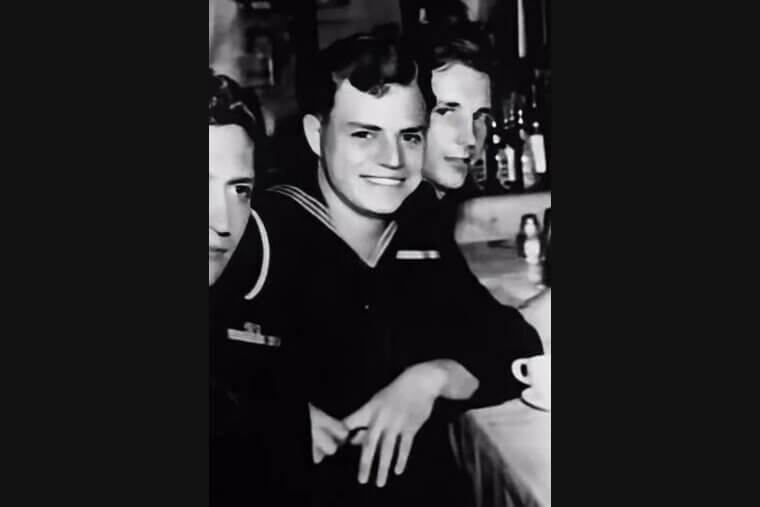
And he later credited his time in the Navy for helping him develop the thick skin and quick wit that made him a legendary performer in the 60s and 70s.
Sidney Poitier: The "In the Heat of the Night" Icon Who Was an Underage Medic
Sidney Poitier’s journey to the screen began with a lie; he was only 16 when he lied about his age to enlist in the Army during WWII. He was assigned to a medical unit in New York that worked with veterans returning from the front with what was then called "shell shock" (PTSD). Poitier’s experience caring for these men gave him a profound look at the human cost of war.
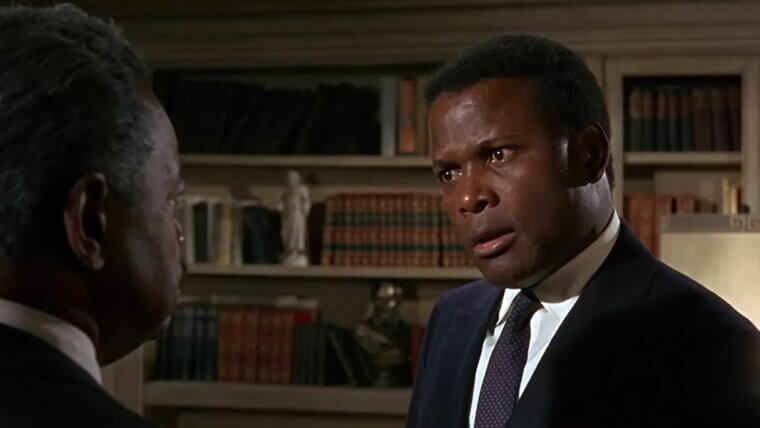
Though he eventually feigned insanity to get a discharge, his brief and intense service as a medic shaped his deeply empathetic and dignified approach to acting.
Gene Hackman: The "French Connection" Detective Who Found His Grit in the Marines
Gene Hackman left home at 16 to join the Marine Corps, lying about his age to get in. He served for nearly five years as a field radio operator, stationed in China, Japan, and Hawaii. This period of his life was formative, providing the discipline and worldliness that he lacked as a troubled teen. The "Marine attitude" became a hallmark of Hackman’s acting style.
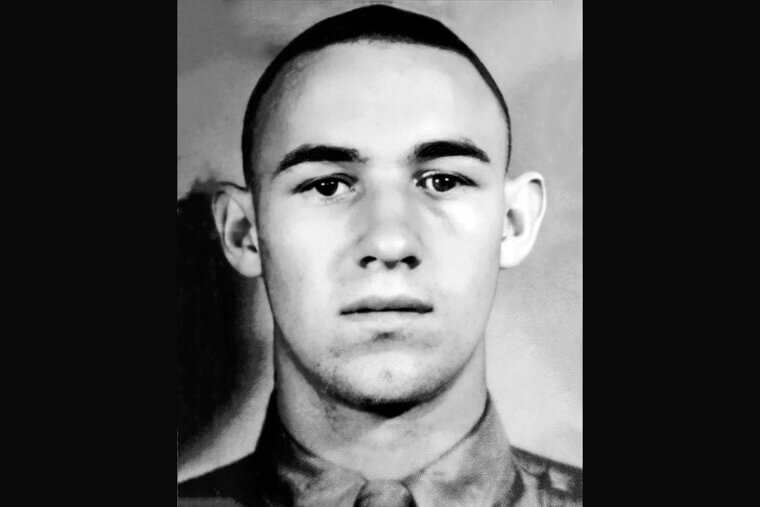
It involved an intense, focused energy that made him one of the most respected actors of the 70s and 80s. He remains a proud former Marine who credits the Corps for saving his life.
Harvey Keitel: The "Reservoir Dogs" Enforcer Who Served in Lebanon
Before he was a mainstay in gritty New York cinema, Harvey Keitel was a United States Marine. He served as a fire team leader during Operation Blue Bat in Lebanon in 1958. Keitel has often spoken about how the Marine Corps was a transformative experience that "gave him a soul" and taught him the meaning of camaraderie and sacrifice. The intensity and physical presence he brought to films was unmatched.

Movies like Taxi Driver and Reservoir Dogs were direct carryovers from his time in uniform, where he learned to handle pressure and maintain absolute focus.
26. George C. Scott: The "Patton" General Who Guarded the Tomb of the Unknown Soldier
George C. Scott served in the Marines from 1945 to 1949, and his primary duty was one of the most somber in the military: he was a guard at Arlington National Cemetery. Performing burial details for fallen soldiers and guarding the Tomb of the Unknown Soldier left a permanent mark on him. The discipline, the rigid posture, and the deep respect for military tradition he learned there were the exact tools he used to craft his Academy Award-winning acts.
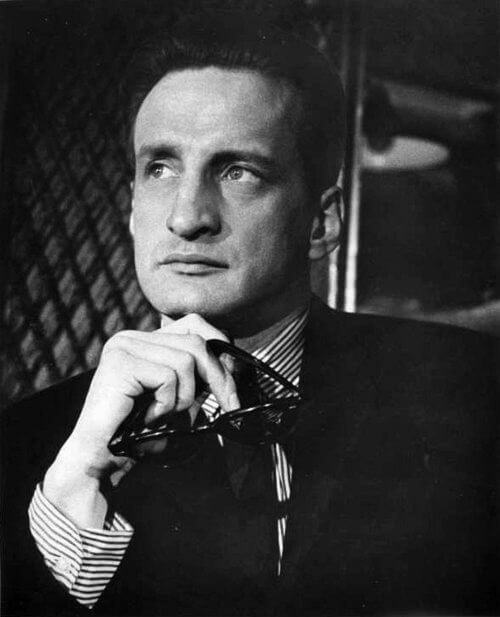
Including his portrayal of General George S. Patton, perhaps the most famous military performance in film history.
Robert Montgomery: The "They Were Expendable" Star Who Won a Bronze Star
Robert Montgomery was a major star of the 30s and 40s who dropped everything to join the Navy. He served as an operations officer aboard a destroyer during the invasion of Normandy and later commanded a PT boat. His courage under fire and his leadership in the English Channel during the D-Day operations earned him the Bronze Star. Montgomery’s real-life experience as a commander was highly respected.
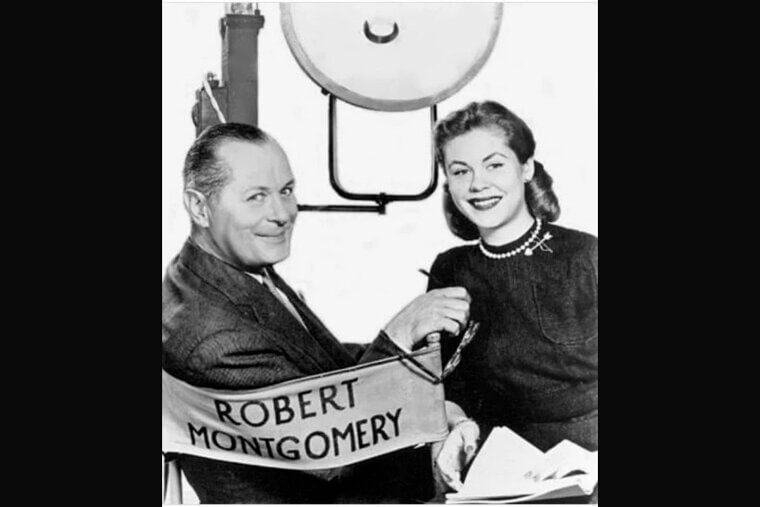
So respected that he later directed and starred in They Were Expendable, a film noted for its high degree of accuracy regarding PT boat operations during the war.
Jack Warden: The "12 Angry Men" Star Who Jumped With the 101st Airborne
Jack Warden was a rugged character actor known for 12 Angry Men and Brian's Song, but his most harrowing experience happened in the sky. He was a paratrooper with the legendary 101st Airborne Division. While training for the D-Day invasion, he shattered his leg during a practice jump, which forced him to spend months in the hospital. While his injury was devastating, it likely saved his life.
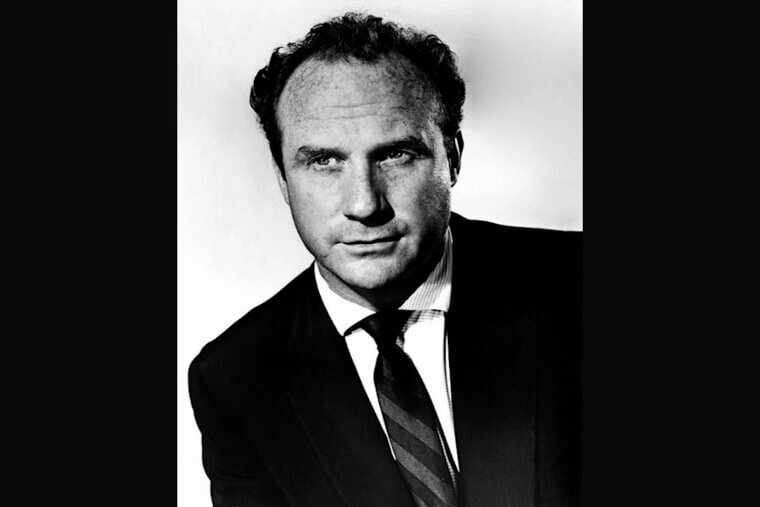
Almost his entire unit was wiped out during the initial drop into Normandy. He earned several service medals and brought that survivor's grit to every role.
Brian Keith: The "Family Affair" Father Who Was a Combat Rear-Gunner
Brian Keith, the beloved father from Family Affair, had a much tougher background than his TV persona suggested. He served in the Marines during WWII as a rear-gunner on a SBD Dauntless dive bomber. Operating in the Pacific, he flew dangerous missions against Japanese positions, sitting in a vulnerable position while fending off enemy fighters. He was awarded the Air Medal for his service in combat.
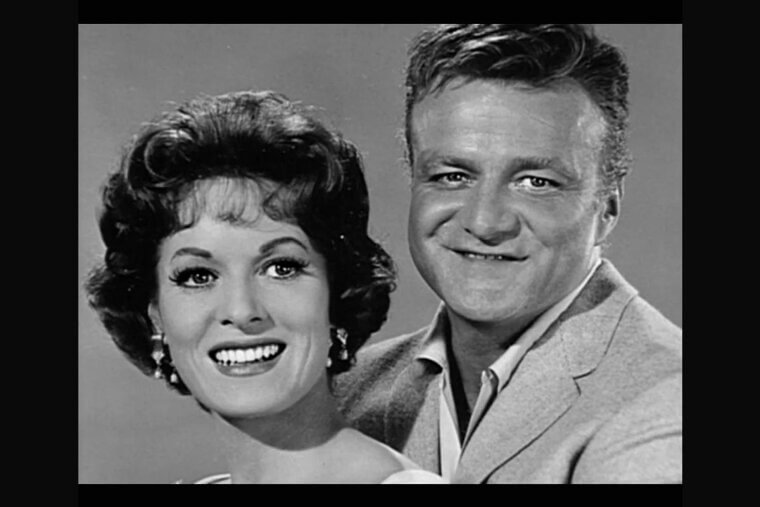
His transition to playing tough, no-nonsense characters in the 50s and 60s was effortless because he had already lived through the most dangerous scenarios imaginable.
Tom Selleck: The "Magnum, P. I. " Icon Who Served in the Infantry
During the height of the Vietnam War, Magnum, P.I. star Tom Selleck served in the California National Guard from 1967 to 1973. He was part of the 160th Infantry Regiment and appeared on recruitment posters for the Guard during that era. Selleck has always been a vocal supporter of the military, and his time in uniform helped him portray Thomas Magnum with a level of authenticity and respect that resonated with veterans.
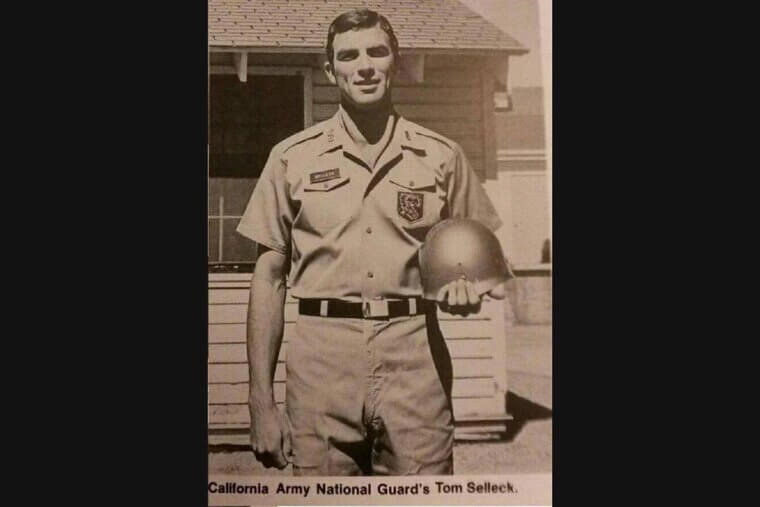
His disciplined approach to his craft and his career as an 80s icon was rooted in the values he learned while serving his state and country.
Drew Carey: The "Price Is Right" Host Who Earned His Stripes in the Marines
Before he was a sitcom star or the host of The Price is Right, Drew Carey was a sergeant in the Marine Corps Reserve. He served from 1981 to 1987, and it was during this time that he actually started performing stand-up comedy to make extra money. The Marines provided Carey with a sense of direction and the signature crew-cut look he wore for years.
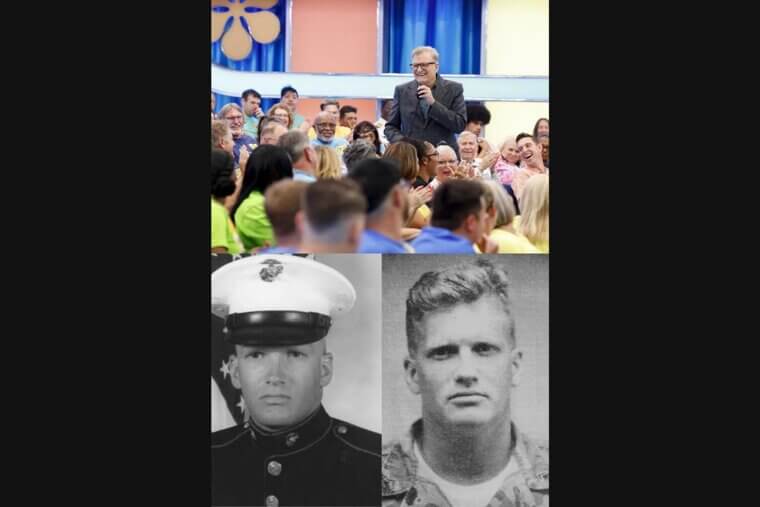
He credits the Corps with giving him the confidence to step onto a stage and has remained an active supporter of the USO, frequently traveling overseas to perform for troops in combat zones.
Morgan Freeman: The "Shawshank Redemption" Star Who Fixed Air Force Radar
Morgan Freeman is known for his authoritative voice, but as a young man, he turned down a partial drama scholarship to enlist in the Air Force. He served from 1955 to 1959, working as a radar technician. Freeman had dreamed of being a fighter pilot, but once he sat in the cockpit of a trainer, he realized he was in love with the idea of flying more than the actual machinery of war.
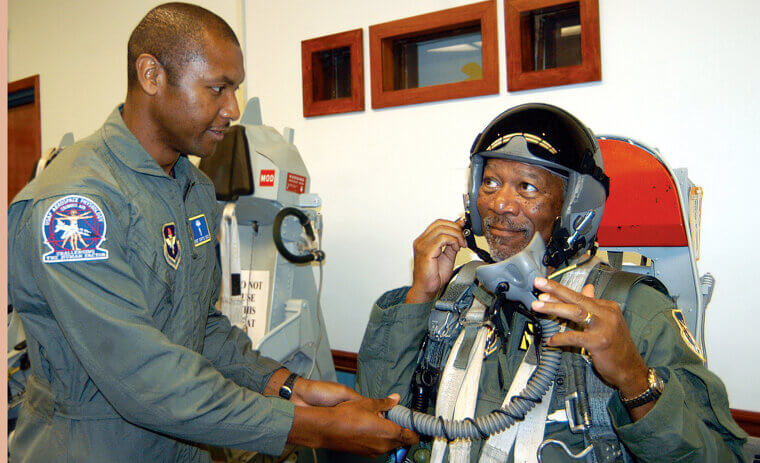
He left the service to pursue acting, but the discipline and precision required in the Air Force remained a part of his professional DNA.
Chuck Norris: The "Walker, Texas Ranger" Legend Who Trained in Korea
Chuck Norris joined the Air Force as an Air Policeman in 1958 and was stationed at Osan Air Base in South Korea. It was there, while looking for a way to stay in shape and defend himself, that he began studying Tang Soo Do. This military assignment changed the course of his life, leading him to become a world-class martial artist and an 80s action icon.
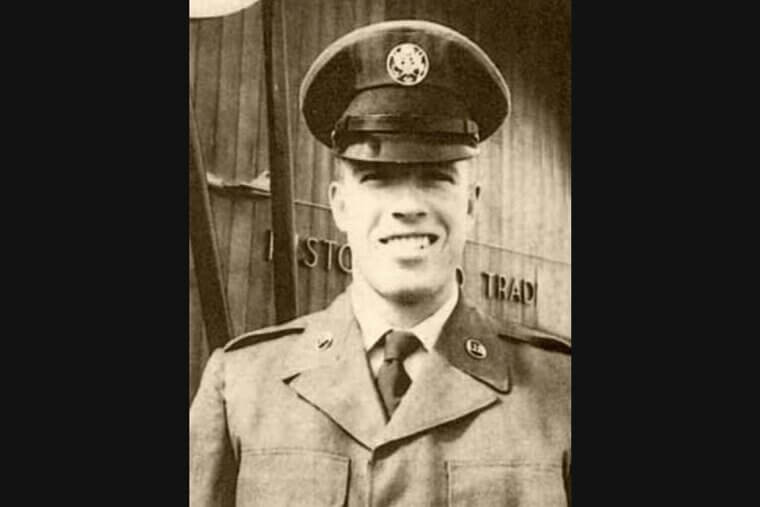
His service as an AP provided the foundation for his "tough-but-fair" persona that made Walker, Texas Ranger a massive hit and turned Norris into a legendary figure of American pop culture.
Mr. T: The "A-Team" Muscle Who Was a Top-Rated Military Police Leader
Before he was B.A. Baracus on The A-Team, Lawrence Tureaud was a standout soldier in the Army’s Military Police Corps. He rose to the rank of squad leader and was even named the "Top Trainee" at Fort Loomis out of 6,000 troops. His legendary strength and intimidating physique were honed in the military, where he also developed the strict code of honor he would later project on screen.
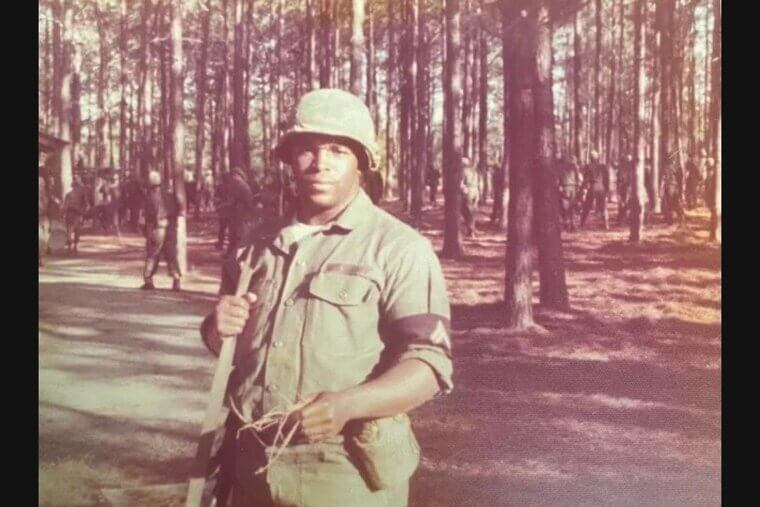
Mr. T’s transition from a highly disciplined MP to a world-famous bodyguard and actor was a natural progression for a man who lived by his own set of rules.