
Bette Davis and Joan Crawford: The Unexpected Olive Branch
While the press spent decades fueling the fire of their legendary feud, especially during the filming of What Ever Happened to Baby Jane?, there were quiet moments of mutual respect that the tabloids chose to ignore. Close associates later claimed that Joan often sent thoughtful notes and gifts to Bette, acknowledging her immense talent. Though they played up the rivalry for publicity, Bette reportedly admitted in private that Joan was a "pro" who understood the industry better than anyone.
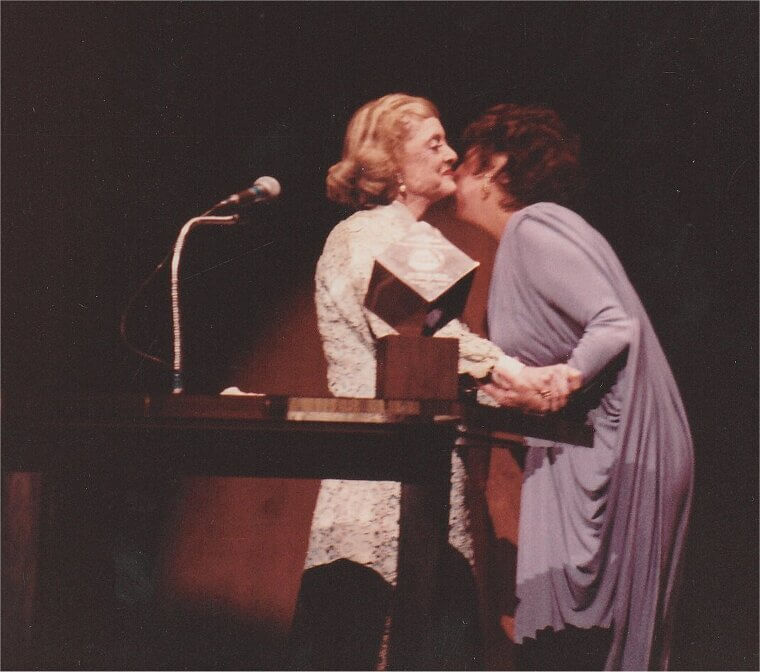
Their competitive nature was rooted in a shared drive for excellence rather than true, deep-seated hatred.
Joan Fontaine and Olivia De Havilland: A Sisterly Bond Reimagined
The narrative of the battling sisters was a staple of Hollywood gossip for over half a century, suggesting a lifelong estrangement. However, during the height of their supposed "war" in the 1960s, the two reportedly maintained a secret line of communication to discuss family matters and shared health concerns. Friends noted that while they certainly had a prickly relationship, they often looked out for one another’s careers behind the scenes.
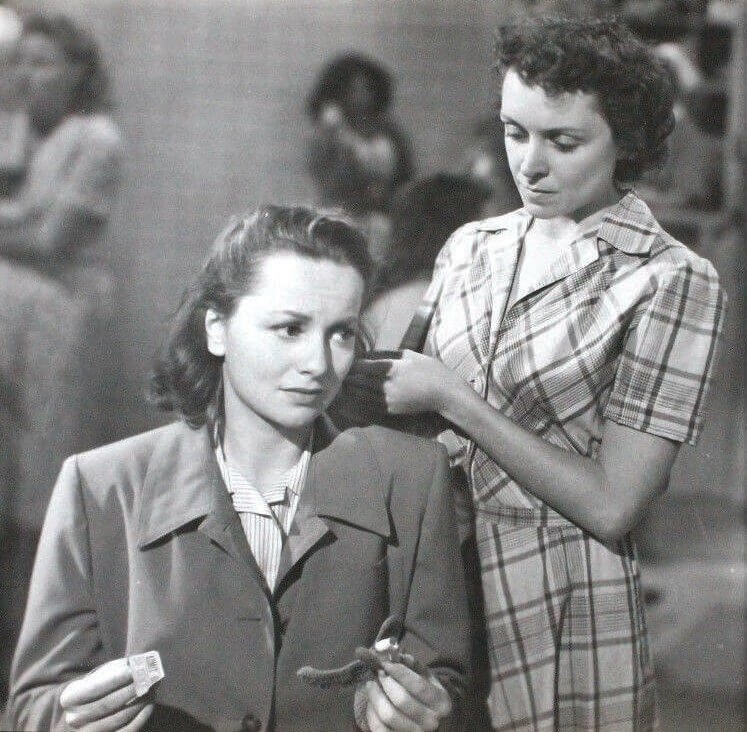
They allegedly coordinated certain public appearances to ensure neither overshadowed the other, proving that their sibling bond was far more complex than a simple rivalry.
Elizabeth Taylor and Debbie Reynolds: The Great Reconciliation
The 1950s ended with a scandal that pitted these two icons against each other for years after the Eddie Fisher affair. Yet, by the late 1960s and throughout the 70s, the pair quietly mended fences away from the prying eyes of the paparazzi. They eventually bonded over their shared experiences as survivors of the Hollywood studio system. Allegedly, they spent hours on the phone laughing about their past drama and supporting each other through subsequent health crises and marriages.
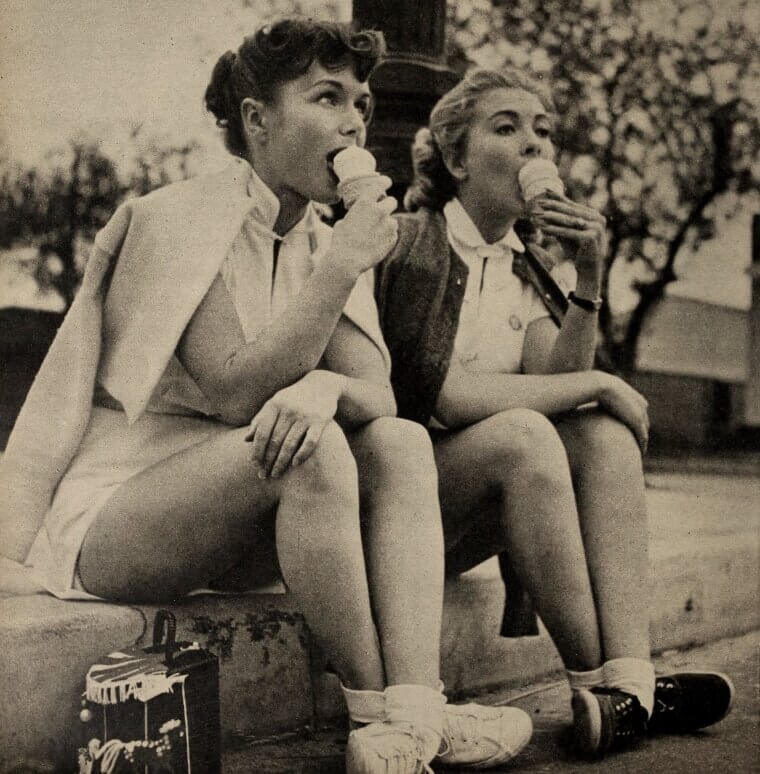
Their friendship became a testament to forgiveness, proving that even the most public betrayals could be overcome.
Sophia Loren and Jayne Mansfield: More Than Just That Famous Photo
Everyone remembers the iconic photograph of Sophia Loren giving Jayne Mansfield’s daring neckline a skeptical look, which birthed a narrative of intense jealousy. In reality, the two actresses shared a playful rapport and often laughed about the "stare" caught on film. Sophia reportedly admired Jayne’s business savvy and her ability to craft a public persona that kept the world talking. They allegedly shared tips on navigating the pressures of being international sex symbols.
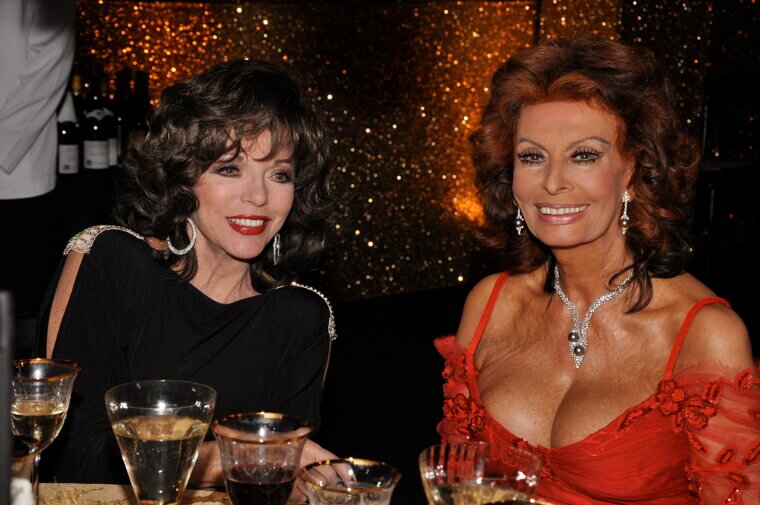
They found common ground in the way they were often underestimated by critics despite their significant box office power.
Humphrey Bogart and Edward G. Robinson: Tough Guys With Tender Ties
Often cast as rival gangsters or competing leading men, the public assumed their onscreen grit translated into an offscreen battle for dominance. On the contrary, Bogie and Robinson were incredibly close, sharing a deep love for intellectual pursuits and political activism. They frequently spent evenings discussing philosophy and the changing landscape of cinema. Bogart reportedly viewed Robinson as a mentor, and the two allegedly conspired to help one another.
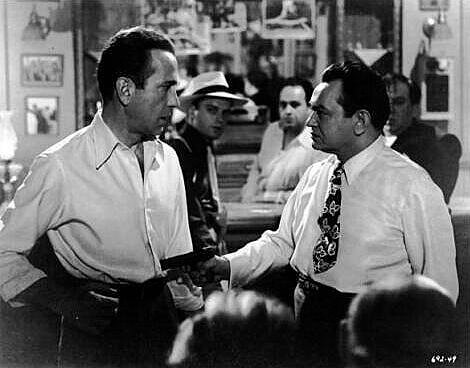
They helped each other secure better contracts with the studios. Their bond was built on a foundation of mutual professional admiration and a shared dry wit.
Rock Hudson and Tab Hunter: The Secret Support System
As the two premier heartthrobs of the era, the studios constantly pitted them against each other for the same roles, creating an image of fierce competition. Behind the scenes, however, they were essential pillars of support for one another while navigating the intense pressures of their private lives. They reportedly spent weekends away from the Hollywood spotlight, enjoying a friendship rooted in shared secrets and the struggle to maintain their public images.
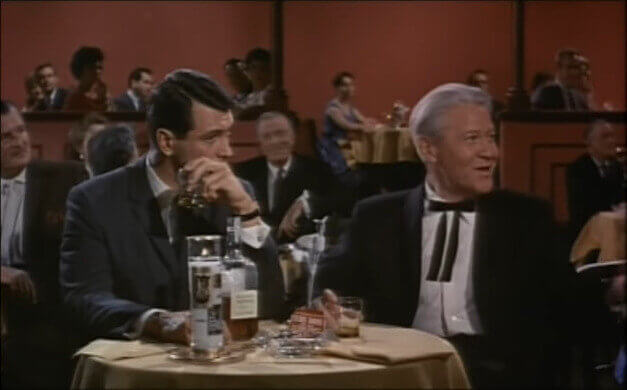
This alliance was a vital lifeline, allowing them to vent about the industry’s rigid expectations without fear of betrayal or public exposure.
Lauren Bacall and Katharine Hepburn: The Queens of Independence
Though they were often compared by critics for their husky voices and fierce personas, the media loved to suggest they were too similar to ever get along. Instead, they formed a formidable "old girls' club." Bacall and Hepburn allegedly met for tea frequently to discuss literature and the declining standards of modern film sets. They shared a profound distaste for the superficiality of Hollywood.
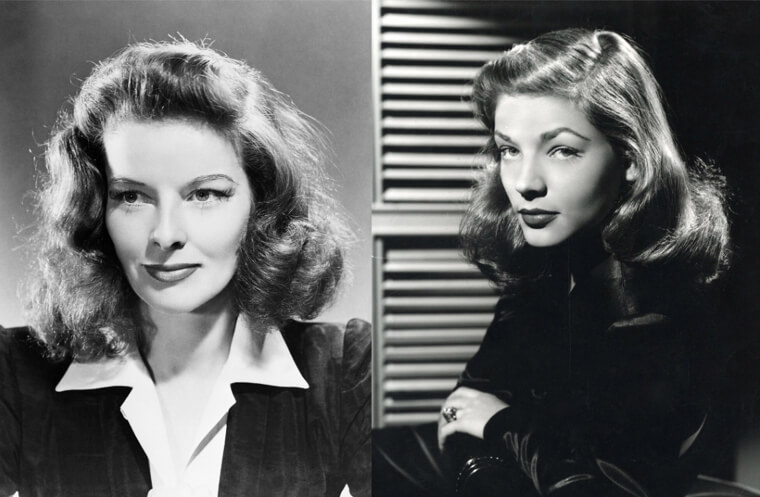
And Hepburn reportedly gave Bacall invaluable advice on maintaining her dignity as she transitioned into more mature roles. Their friendship was a masterclass in how powerful women could uplift rather than compete.
Paul Newman and Robert Redford: A Friendly Race to the Top
While the world saw them as the ultimate "buddy" duo, there was a persistent rumor that their egos clashed regarding top billing and salary. In truth, their rivalry was purely playful and served to strengthen a deep, lifelong friendship. They allegedly played elaborate practical jokes on each other for decades, such as sending wrecked cars to one another's homes. Beyond the pranks, they were each other's most trusted confidants.
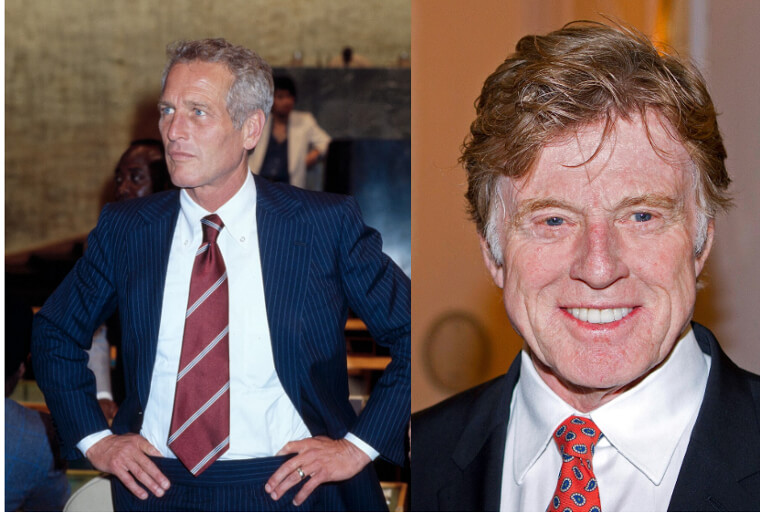
They frequently discussed their philanthropic efforts and their desire to step away from the limelight to focus on family and meaningful environmental causes.
Ginger Rogers and Fred Astaire: Stepping Out of the Shadow
The public often believed they couldn't stand each other once the cameras stopped rolling, fueled by stories of Ginger’s bruised feet and Fred’s perfectionism. However, they maintained a high level of professional and personal respect that lasted until the end of their lives. They reportedly stayed in touch via long-distance calls, reminiscing about the "good old days" of the studio system. Rogers allegedly defended Astaire fiercely against any critics.
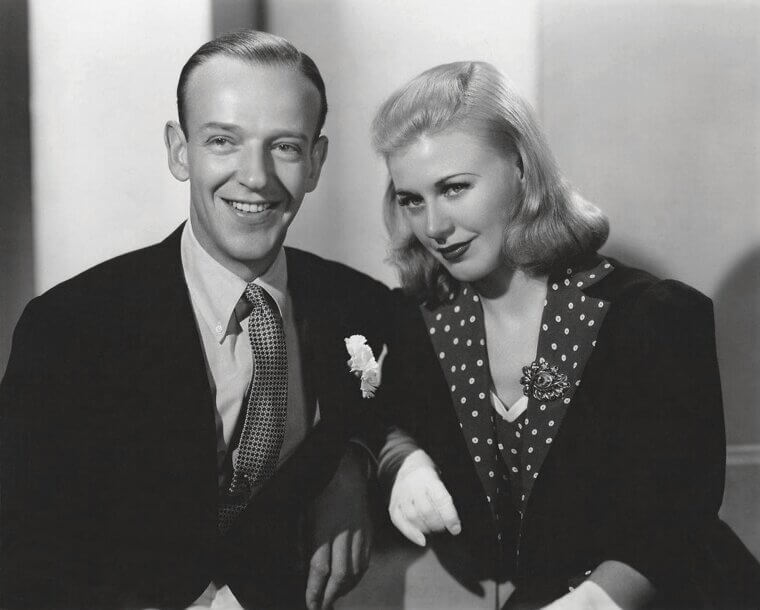
And he, in turn, always credited her as the person who gave him his greatest onscreen spark. Their "feud" was largely a myth.
Marlon Brando and Frank Sinatra: The Oddest Couple in Hollywood
During the filming of Guys and Dolls, rumors swirled of intense animosity between the Method actor and the Chairman of the Board. While they certainly had different working styles, they allegedly developed a secret, begrudging respect for one another. Brando was reportedly fascinated by Sinatra’s vocal control, while Sinatra admired Brando’s raw intensity. They were later seen sharing quiet drinks at late-night lounges, away from the gossip columns.
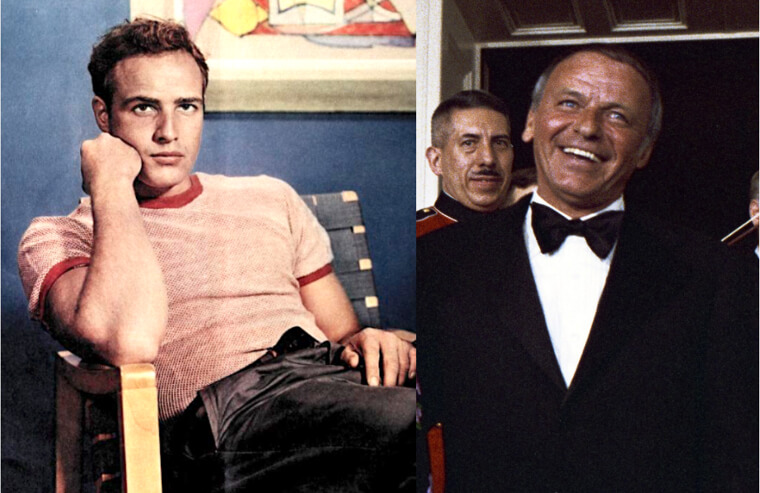
Their friendship was built on the fact that both were rebels who refused to play by the rules of the Hollywood establishment.
Julie Andrews and Audrey Hepburn: The Fair Lady Face-Off
When Audrey Hepburn landed the role of Eliza Doolittle in My Fair Lady over Julie Andrews, the media salivated at the prospect of a lifelong grudge. In reality, the two women formed an almost immediate, elegant alliance. During the 1965 Oscars, where Julie won for Mary Poppins, they reportedly shared a private, supportive embrace backstage that defied the "snub" narrative. Throughout the 70s, they allegedly exchanged letters frequently.
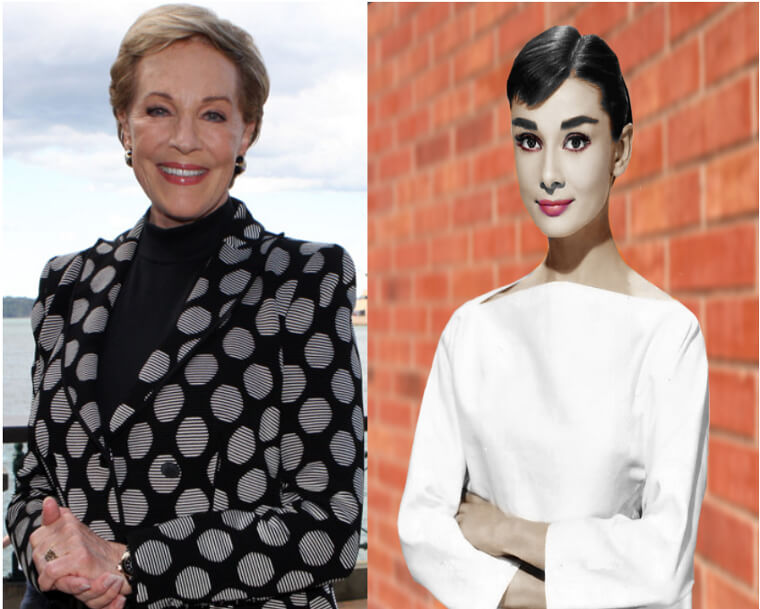
In these exchanges, they bonded over their shared experiences as European imports navigating the intense Hollywood machinery. Their friendship was rooted in a mutual, quiet grace that transcended any casting drama.
Cary Grant and Rock Hudson: Leading Men in League
As the two biggest male draws of their respective decades, the industry frequently compared their charm and box office power, hinting at a cold rivalry. However, Grant reportedly took a young Hudson under his wing, offering him sage advice on how to manage the suffocating control of the major studios. They allegedly shared secret dinners at Grant’s home to discuss the difficulties of maintaining a public "perfect man" image while protecting their private lives.
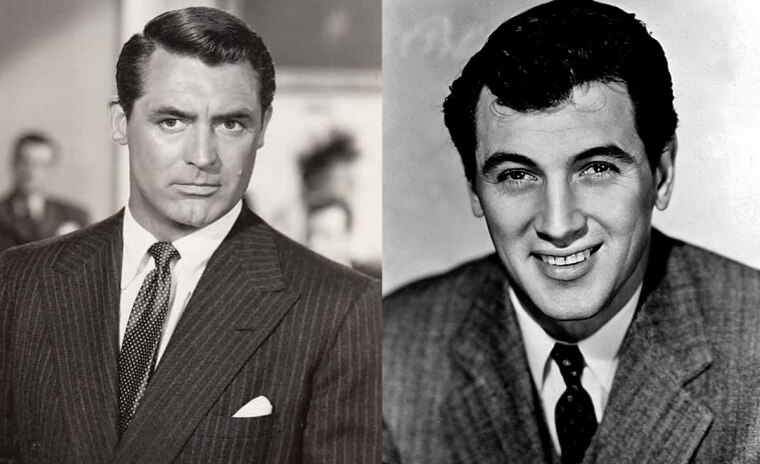
Hudson reportedly considered Grant a mentor and a primary source of strength during his most challenging years in the industry.
Barbra Streisand and Liza Minnelli: The Battle of the Divas
The 1970s saw these two powerhouse vocalists constantly pitted against one another by critics who claimed there was only room for one "Queen of the Musicals." Contrary to the rumors of backstage tantrums, they reportedly shared a deep, sisterly affection. They allegedly spent evenings at each other’s homes, singing around the piano and laughing about the ridiculous stories written about their "war." Minnelli reportedly praised Streisand’s directorial ambitions.
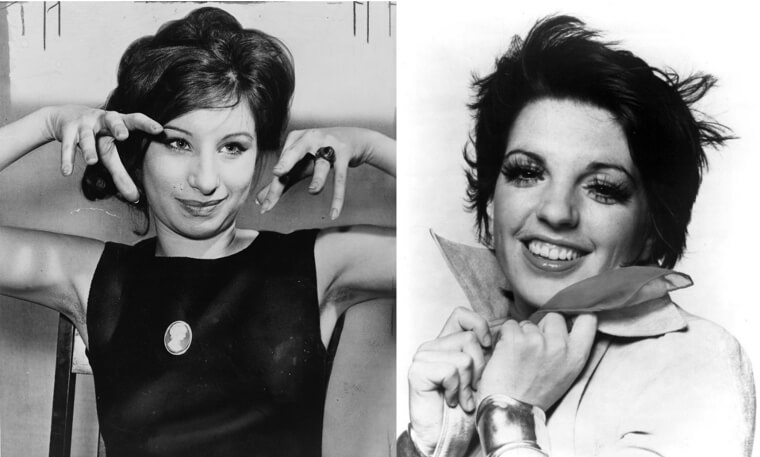
And Streisand admired Liza’s raw stage presence. Their bond was a rare example of two icons choosing collaboration and support over petty competition.
Gregory Peck and Charlton Heston: Titans of the Epic
While they were often rivals for the "moral hero" roles in massive Hollywood epics, their offscreen relationship was one of profound intellectual camaraderie. Both men were heavily involved in the Screen Actors Guild and shared a passion for social justice and civil rights. They reportedly spent hours debating politics and film theory, often staying late on set to discuss the future of the industry.
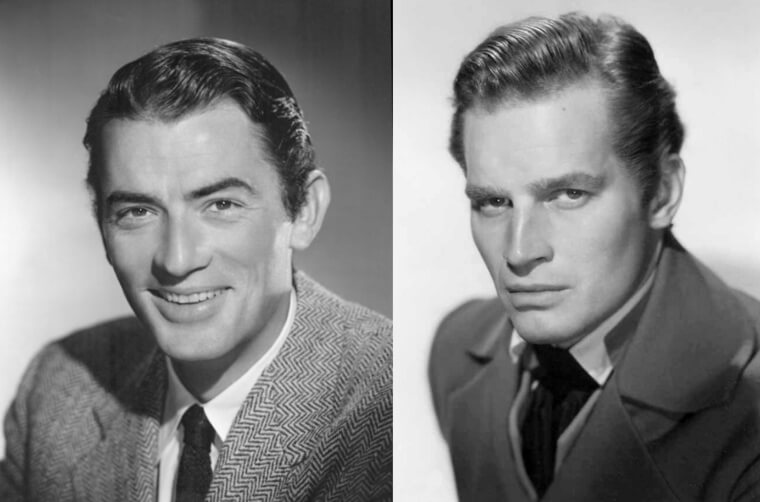
Heston allegedly looked up to Peck’s stoic nature, while Peck admired Heston’s tireless work ethic. Their friendship was built on a foundation of mutual respect for their craft and their country.
Jane Fonda and Faye Dunaway: The New Hollywood Queens
In the late 60s and 70s, these two were the faces of a changing Hollywood, often competing for the same gritty, complex roles. The press painted them as icy rivals, but they allegedly shared a secret respect for each other’s intense commitment to "The Method." They reportedly met in private to discuss the difficulties of being taken seriously as actresses in a male-dominated industry. Fonda allegedly admired Dunaway’s fearlessness.
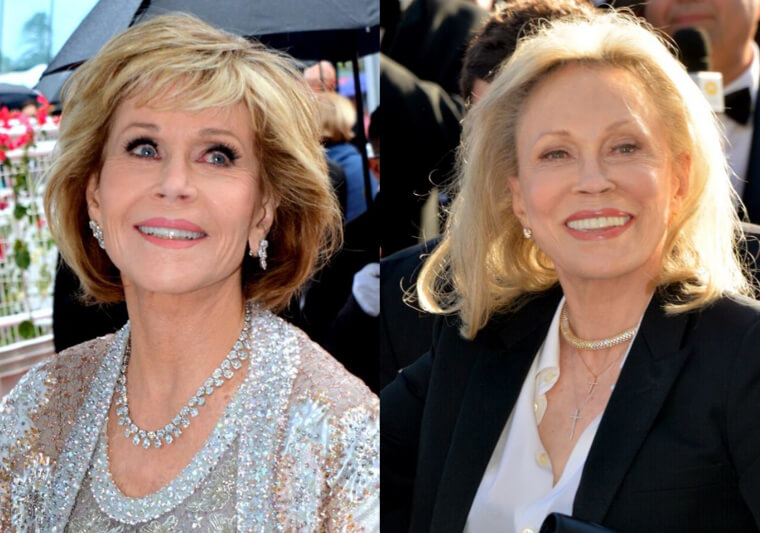
And Dunaway reportedly respected Fonda’s burgeoning activism. Their friendship was a quiet pact to push the boundaries of what women could achieve on the silver screen.
Robert De Niro and Al Pacino: The Godfather Stand-Off
Because they rarely shared the screen despite being the premier actors of their generation, fans assumed there was a cold distance between them. In reality, they have been close confidants since the late 1960s, long before they became household names. They reportedly used their "rivalry" as a shield to keep their private lives out of the press. They allegedly checked in with each other before accepting major roles, ensuring they weren't inadvertently stepping on each other's toes.
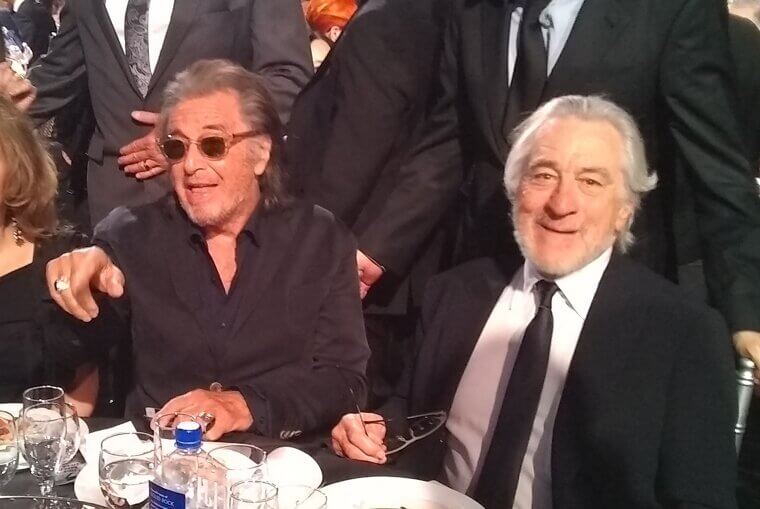
Their bond is built on a shared background and a deep, unspoken understanding of the pressures of fame.
Natalie Wood and Elizabeth Taylor: Child Stars Grown Up
As two of the most beautiful women in the world who transitioned from child stars to adult icons, the media desperately wanted a "beauty war" between them. Instead, they reportedly shared a unique bond that only those who grew up in the studio system could understand. They allegedly spent time together away from the cameras, discussing the challenges of motherhood and the difficulty of finding authentic love in Hollywood.
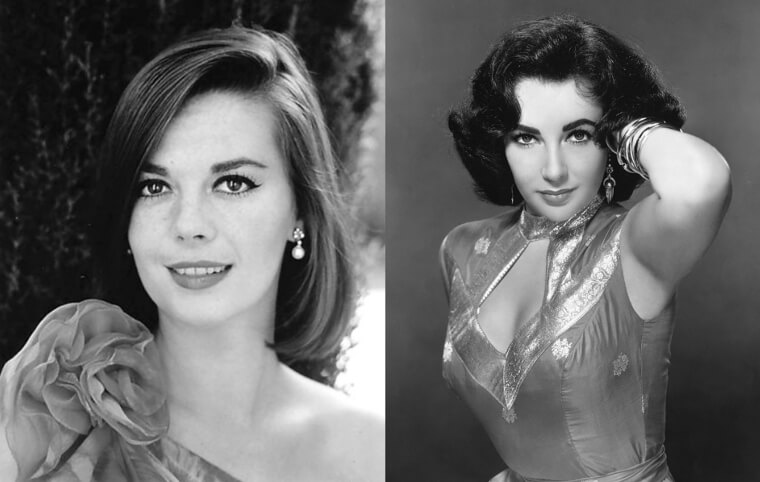
Taylor reportedly offered Wood comfort during her various marital ups and downs, and Wood allegedly admired Taylor’s legendary resilience and her growing philanthropic spirit.
Steve McQueen and James Garner: The Need for Speed
Living as neighbors, the two quintessential "cool guys" were often rumored to be at odds over their shared love for auto racing and their similar onscreen personas. While they were certainly competitive on the track, they allegedly shared a deep, masculine bond rooted in their blue-collar backgrounds. They reportedly spent many weekends working on cars together in their garages, far from the glitz of movie premieres.
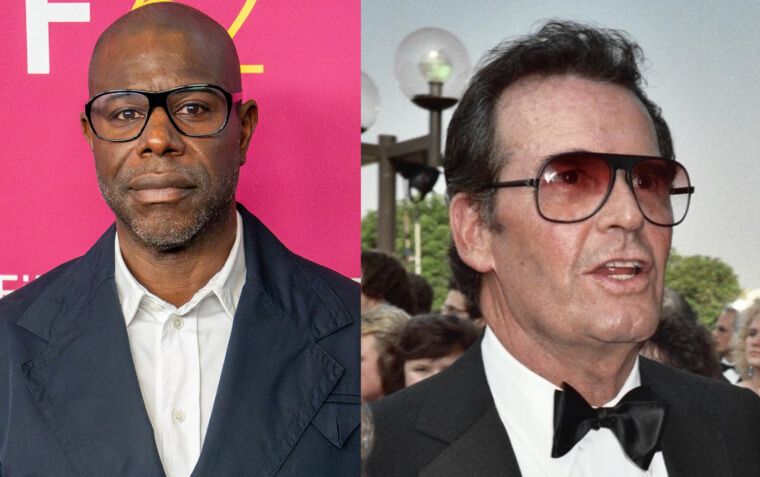
Garner allegedly appreciated McQueen’s intensity, while McQueen respected Garner’s effortless charm. Their friendship was a private escape from the artificiality of their high-profile acting careers.
Raquel Welch and Ann-Margret: More Than Just Bombshell Rivals
In the 1960s and 70s, these two were often reduced to their physical beauty and pitted against each other as the ultimate "bombshell" rivals. Behind the scenes, they reportedly shared a mutual frustration with being typecast and underestimated. They allegedly supported each other’s efforts to branch out into more serious acting and musical theater roles. Ann-Margret reportedly sent flowers to Raquel during her stage debuts, and Welch allegedly praised Ann-Margret’s legendary work ethic in interviews.
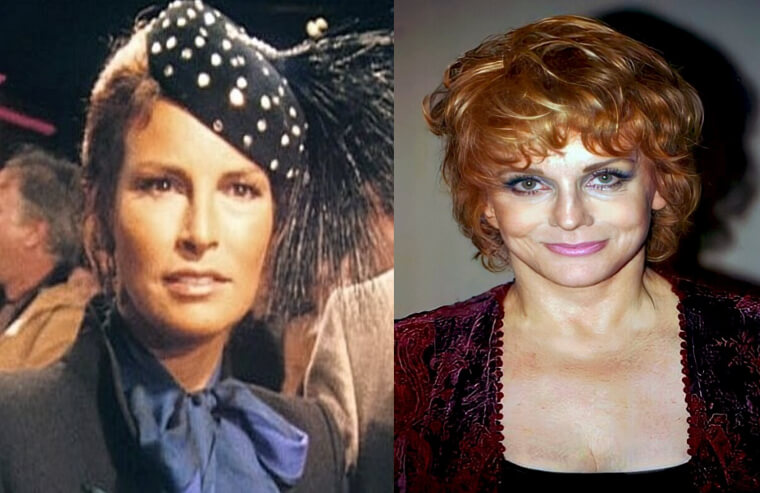
They were allies in a world that wanted to see them as nothing more than competitors for the male gaze.
Shirley MacLaine and Anne Bancroft: The Leading Ladies
The 1970s saw them competing for the same prestigious roles, leading many to believe there was professional jealousy afoot. However, they were reportedly quite close, sharing a wicked sense of humor and a love for the theater. They allegedly met for long lunches in New York to vent about the "boys' club" in Hollywood. MacLaine reportedly admired Bancroft’s incredible range, while Bancroft was fascinated by Shirley’s spiritual pursuits and outspoken nature.
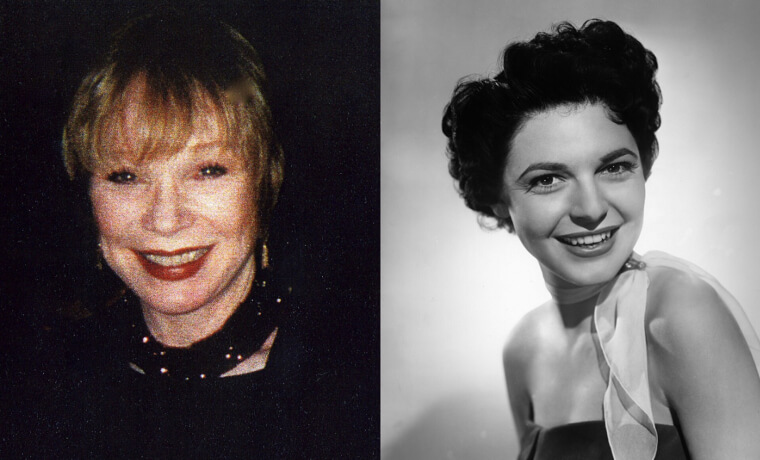
Their friendship was a safe harbor where they could be themselves without the pressure of maintaining a glamorous, studio-approved public image.
Kirk Douglas and Burt Lancaster: The Tough Guys' Truce
They made several films together, often playing rivals or uneasy allies, which led the public to believe they were constantly trying to outshine one another. While they were both famously headstrong, they reportedly shared a deep, brotherly affection that lasted for decades. They allegedly engaged in legendary "shouting matches" over scenes that were actually fueled by a shared desire for perfection rather than ego.
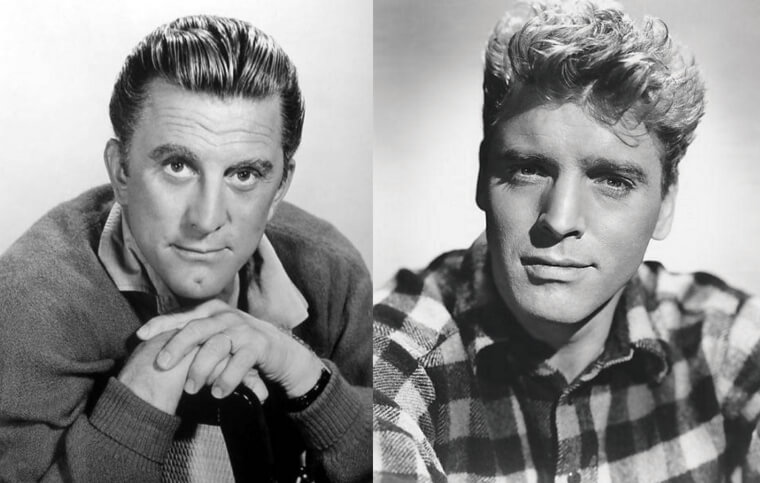
Away from the set, they were reportedly very close, supporting each other’s families and independent production companies. Their bond was forged in the fire of high-stakes Hollywood filmmaking.
Debbie Reynolds and Shirley Jones: The Musical Sweethearts
As the two reigning "girls next door" of the musical era, the press loved to suggest they were competing for the title of Hollywood’s sweetheart. In reality, they were reportedly great friends who bonded over the challenges of raising children while maintaining demanding careers. They allegedly shared tips on how to handle the transition from musical ingenues to more mature character roles. Jones reportedly admired Reynolds’ incredible business acumen and her dedication to preserving film history.
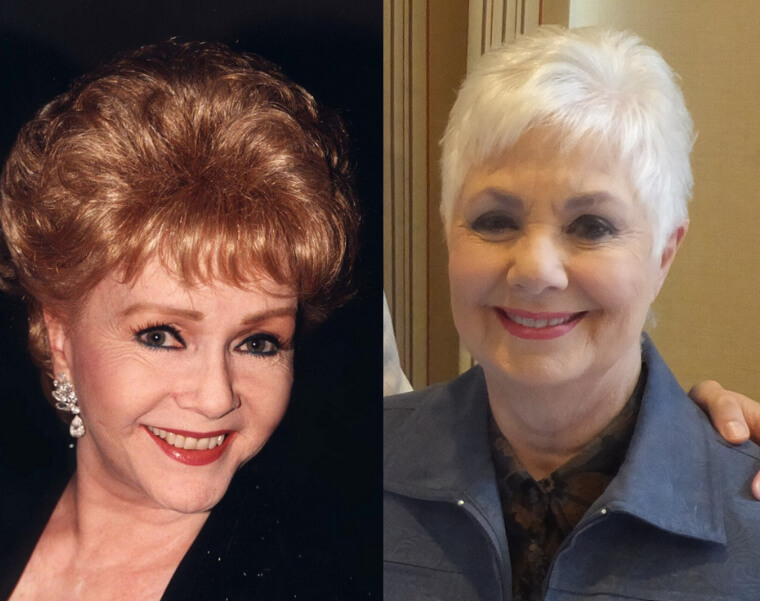
Their friendship was a wholesome, supportive constant in an industry that often thrives on tearing down successful women.
Gene Kelly and Fred Astaire: A Tale of Two Legends
The debate over who was the better dancer raged for decades, and fans assumed the two men were bitter rivals for the title of "King of the Dance." On the contrary, they reportedly held each other in the highest possible regard. They allegedly met in private to discuss choreography and the technical aspects of filming dance sequences. Kelly reportedly stated that he was the "Marlon Brando of dance" while Astaire was the "Cary Grant."
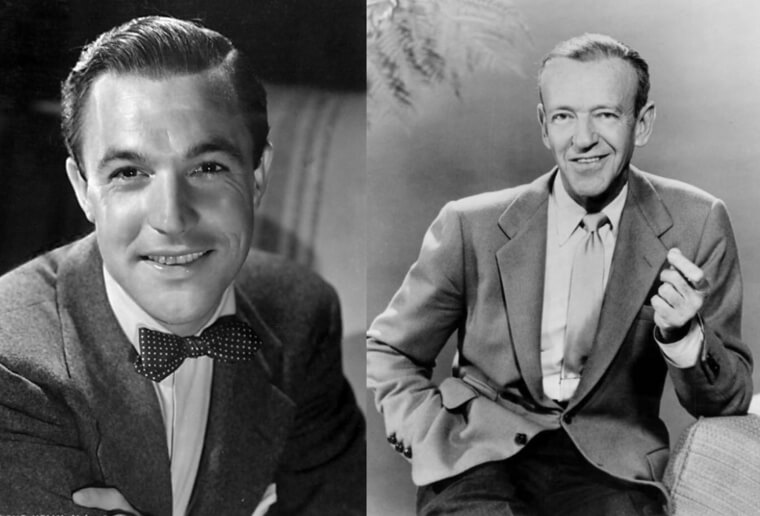
He acknowledged their different but equally valuable styles. They were each other’s biggest fans, often praising one another's innovations.
Doris Day and Rock Hudson: The Perfect Partnership
While their onscreen chemistry was legendary, rumors often persisted that Doris was unhappy with Rock’s private life or that they were purely professional associates. In truth, they were the best of friends, and Doris was one of the few people Rock trusted implicitly. They reportedly spent hours laughing on set and remained incredibly close long after their film careers peaked. When Rock became ill in the 1980s, Doris was one of the first to publicly support him.
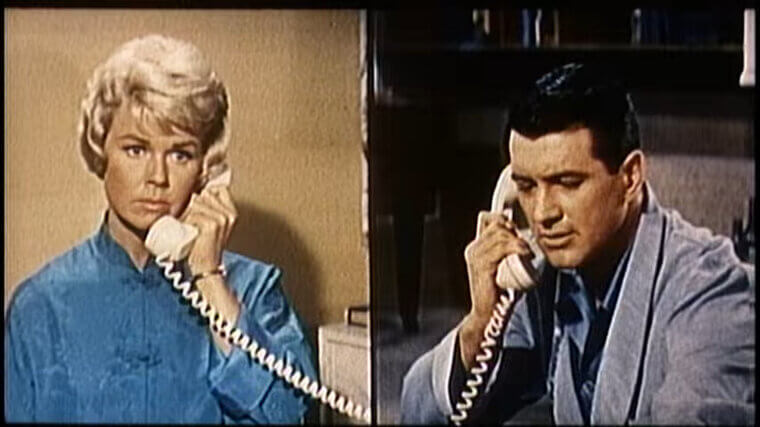
She showed the world that their bond was far deeper than any "rivalry" or studio-manufactured romance.
Joan Crawford and Myrna Loy: The Sophisticated Secret
While Crawford was often associated with her "feud" with Bette Davis, she reportedly maintained a long-standing, quiet friendship with the sophisticated Myrna Loy. The two women were very different in public persona, but they allegedly shared a deep respect for each other’s longevity in the business. They reportedly exchanged gardening tips and discussed their shared interest in political causes. Loy allegedly found Crawford’s legendary discipline inspiring.
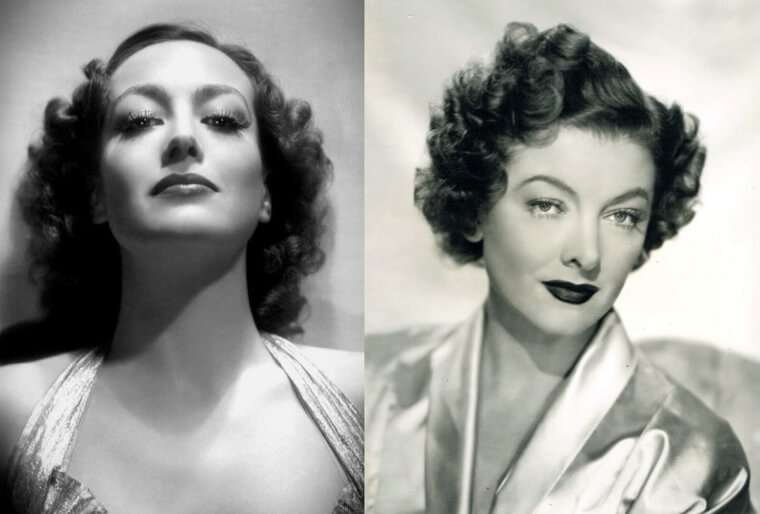
And Crawford admired Myrna’s ability to remain "The Perfect Wife" in the eyes of the public while maintaining a very independent personal life.
Warren Beatty and Jack Nicholson: The Playboys' Pact
In the 1970s, these two were the ultimate Hollywood bachelors, and the media frequently reported on their supposed competition for roles and women. In reality, they were—and remain—incredibly close friends who shared a house for a time. They reportedly formed a "united front" against the studio system, often sharing scripts and advice on how to maintain creative control over their projects. They allegedly spent nights discussing film history and strategy.
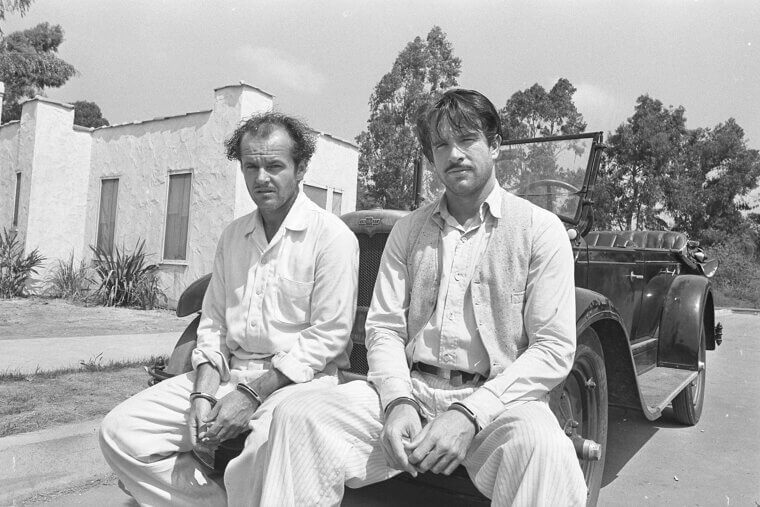
They proved that their bond was much more about intellectual and professional synergy than it was about a superficial competition for the spotlight.
Grace Kelly and Audrey Hepburn: The Regal Connection
The two most elegant women of the 1950s and 60s were often compared by fashion critics, leading many to believe they were in a constant "style war." Instead, they reportedly shared a quiet, dignified friendship. They allegedly met whenever their paths crossed in Europe, bonding over the unique pressures of their high-profile marriages and their shared desire for privacy. Kelly reportedly admired Hepburn’s humanitarian work, while Hepburn respected Grace’s transition from movie star to Princess.
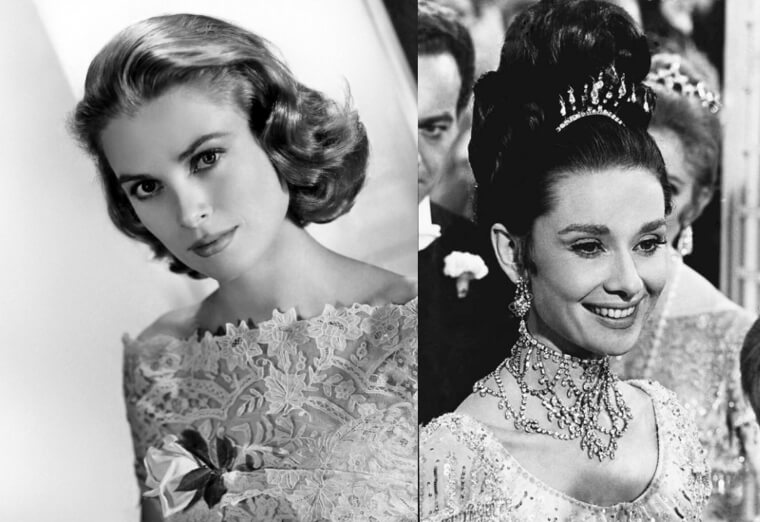
Their friendship was a rare instance of two icons finding a peer who truly understood their unique positions.
Paul McCartney and John Lennon: The Post-Beatles Bond
While the 1970s were filled with news of their legal battles and public "diss tracks" in their lyrics, the truth of their relationship was much softer. They reportedly began visiting each other in New York by the mid-70s, cooking dinner and watching television like old friends. They allegedly agreed to a "truce" where they stopped talking about business and focused on their shared history and their children.
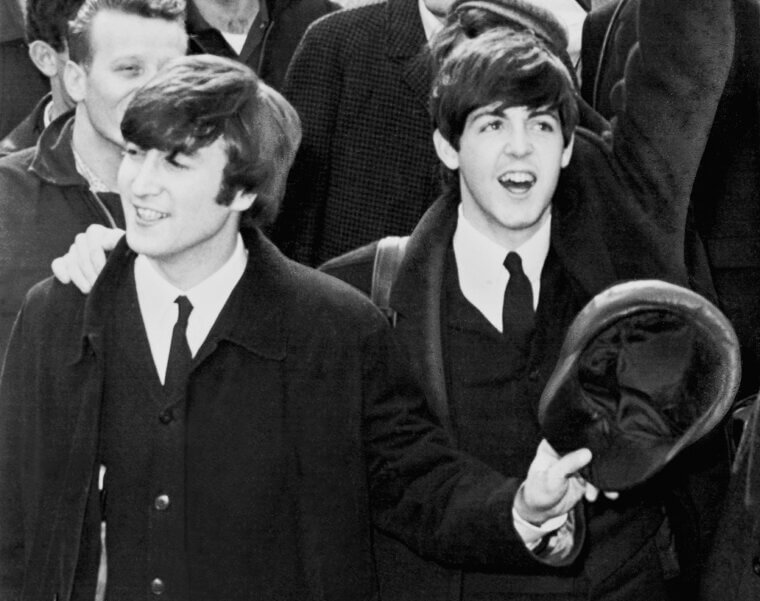
This secret reconciliation allowed them to find peace before John’s untimely passing, proving that their bond as brothers was stronger than any public fallout or professional rivalry.
Elizabeth Taylor and Richard Burton: The Friendly Exes
Though their two marriages were famously tempestuous and the tabloids painted them as being in a constant state of war, they actually remained each other’s closest confidants. Even when married to others, they reportedly spoke on the phone almost daily, discussing everything from literature to their children. They allegedly shared a secret language and a bond that no one else could ever truly penetrate.
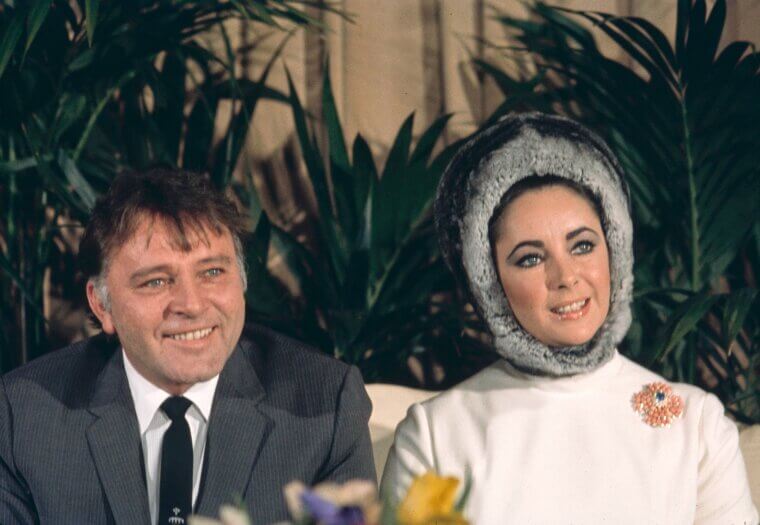
Their "rivalry" in the press was often a distraction from a deep, enduring love that transcended the traditional boundaries of friendship or marriage, lasting until Burton's death.
Mick Jagger and David Bowie: The Glamorous Alliance
As the two biggest icons of the 70s rock scene, the press loved to suggest a competitive streak regarding their fashion and stage presence. In reality, they were inseparable for a time, reportedly sharing clothes and spending nights exploring the London and New York club scenes together. They allegedly pushed each other to be more experimental in their art, viewing one another as inspirations rather than threats.
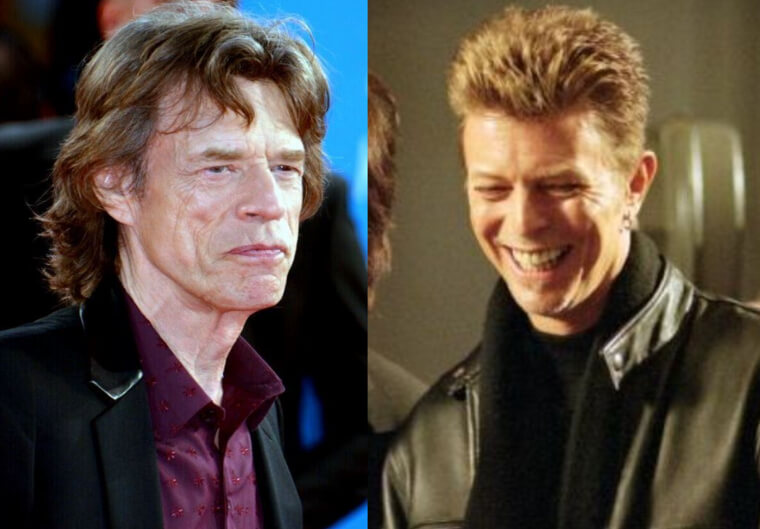
Their friendship was a creative partnership that helped define the aesthetic of an entire decade, far removed from the "rivalry" the music papers often tried to stir up.
Clint Eastwood and Burt Reynolds: The Box Office Kings
In the 1970s, these two were the undisputed kings of the box office, often alternating for the number one spot. The media suggested a "macho" rivalry, but the two were actually good friends who enjoyed each other’s company immensely. They reportedly shared a similar, self-deprecating sense of humor and often joked about their "rivalry" over drinks. They eventually co-starred in City Heat as a nod to their friendship.
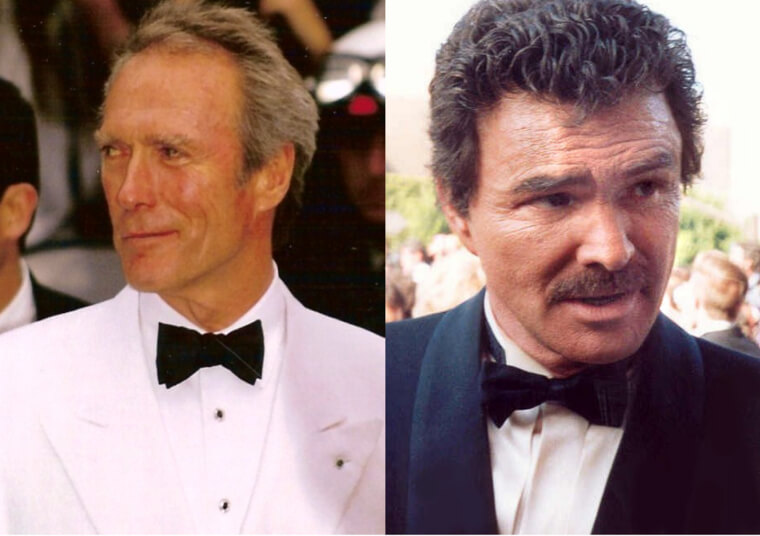
Reynolds reportedly admired Clint’s transition into directing, while Eastwood respected Burt’s incredible charisma and his ability to connect with a wide, loyal audience.
Diana Ross and Aretha Franklin: The Soulful Support
The "Queen of Soul" and the "Queen of Motown" were frequently cast as rivals by a media that seemed to think there could only be one top Black female artist. While they were both fiercely competitive, they reportedly shared a mutual respect that went back to their early days. They allegedly sent each other flowers after major performances and shared private words of encouragement during difficult times in their personal lives.
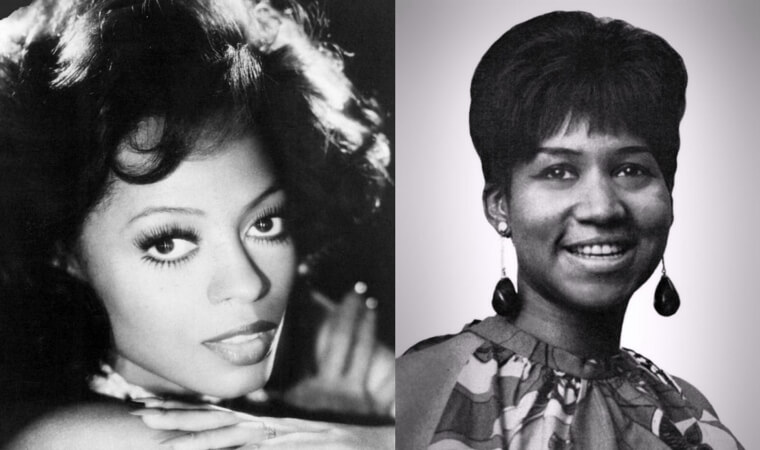
Franklin reportedly admired Ross’s glamour and crossover success, while Ross was in awe of Aretha’s incomparable vocal power. Their bond was one of quiet, professional sisterhood.
Goldie Hawn and Diane Keaton: The Comedy Queens
As two of the most successful comedic actresses of the 70s, they were often up for the same parts, fueling rumors of a "funny girl" feud. In reality, they formed a lasting friendship rooted in their shared love for independent filmmaking and their similar, quirky sensibilities. They reportedly spent time together away from the industry, discussing everything from interior design to philosophy. They allegedly promised each other that they would never let the industry’s competitive nature get between them.
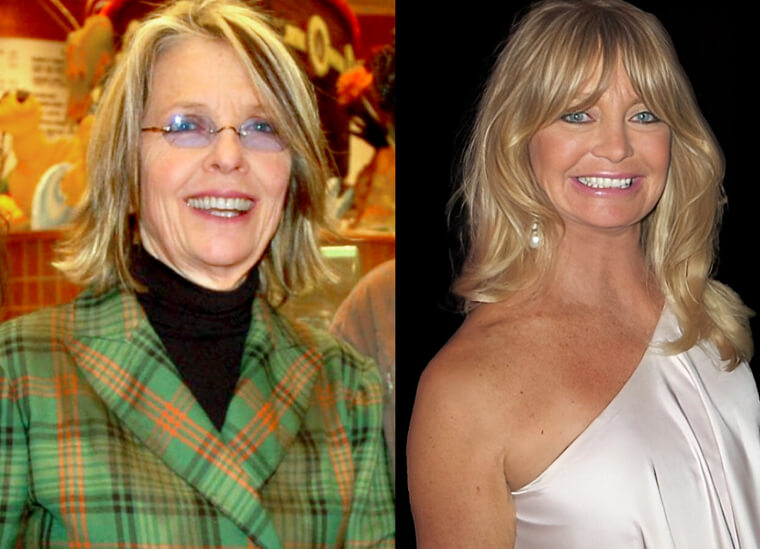
Their eventual collaboration in The First Wives Club was the culmination of decades of secret, mutual support.
John Wayne and Robert Mitchum: The Western Titans
The "Duke" and the "rebel" Mitchum were often seen as two different sides of the American masculine ideal, leading many to believe they didn't get along. However, they reportedly enjoyed a robust friendship based on a shared love of the outdoors and a no-nonsense approach to acting. They allegedly spent time on Wayne’s boat, fishing and discussing the state of the country. Mitchum reportedly loved to needle the more conservative Wayne, but it was always done with affection.
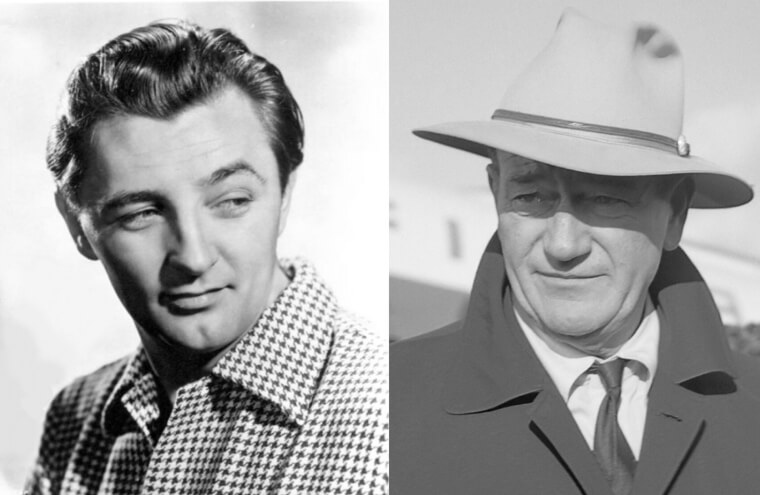
Wayne allegedly admired Mitchum’s natural acting ability, which required little effort but produced incredible results on screen.
Sophia Loren and Marcello Mastroianni: The Eternal Pair
Because they were so often paired together as lovers on screen, the public assumed there was either a secret romance or a professional fatigue between them. In reality, they were the best of friends who viewed each other as family. They reportedly spoke every single day for decades, sharing the most intimate details of their lives. They allegedly protected each other from the prying eyes of the Italian paparazzi, serving as each other's most trusted advisors.
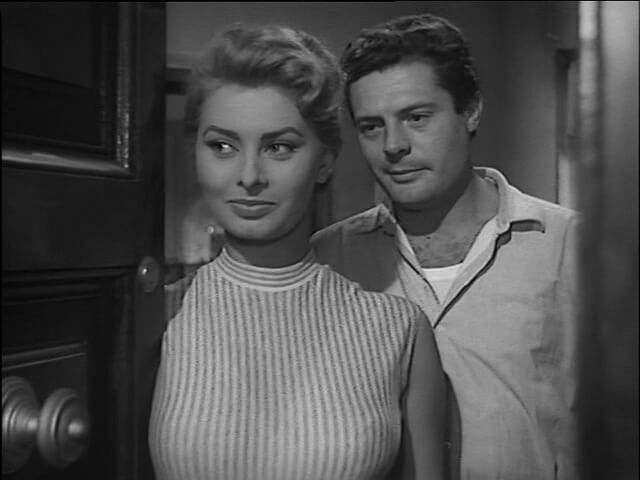
Their "rivalry" with other acting duos was nonexistent because they knew they had a bond that was completely unique.