
Julia Child: Mastering French Cuisine at Age 50
Most people know Julia Child as the woman who brought French cuisine to the American masses, but she didn’t even attend culinary school until she was 37 years old. Her first masterpiece, Mastering the Art of French Cooking, wasn’t published until she was 50. Her story is a beautiful testament to the fact that the first half of your life can simply be the research phase for your true masterpiece.
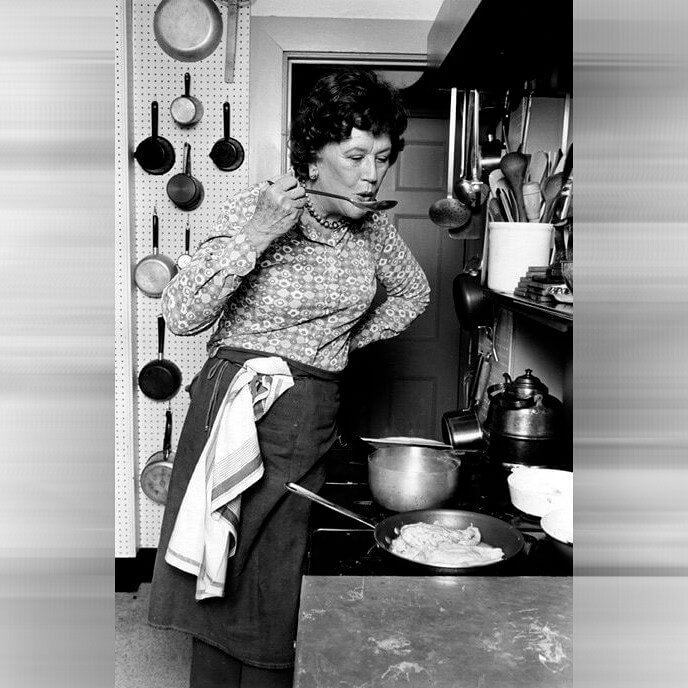
It encourages us all to remember that curiosity has no expiration date and it's never too late to start a delicious new chapter.
Judi Dench: Achieving Global "James Bond" Fame at 61
Dame Judi Dench was a celebrated theater actress in the UK for years, but international superstardom arrived much later. She was 61 when she was cast as the formidable "M" in the James Bond film GoldenEye. This role introduced her to a massive global audience and kicked off a string of Oscar-nominated performances in her 60s, 70s, and 80s. She has famously said that she "loathes" the word retirement.
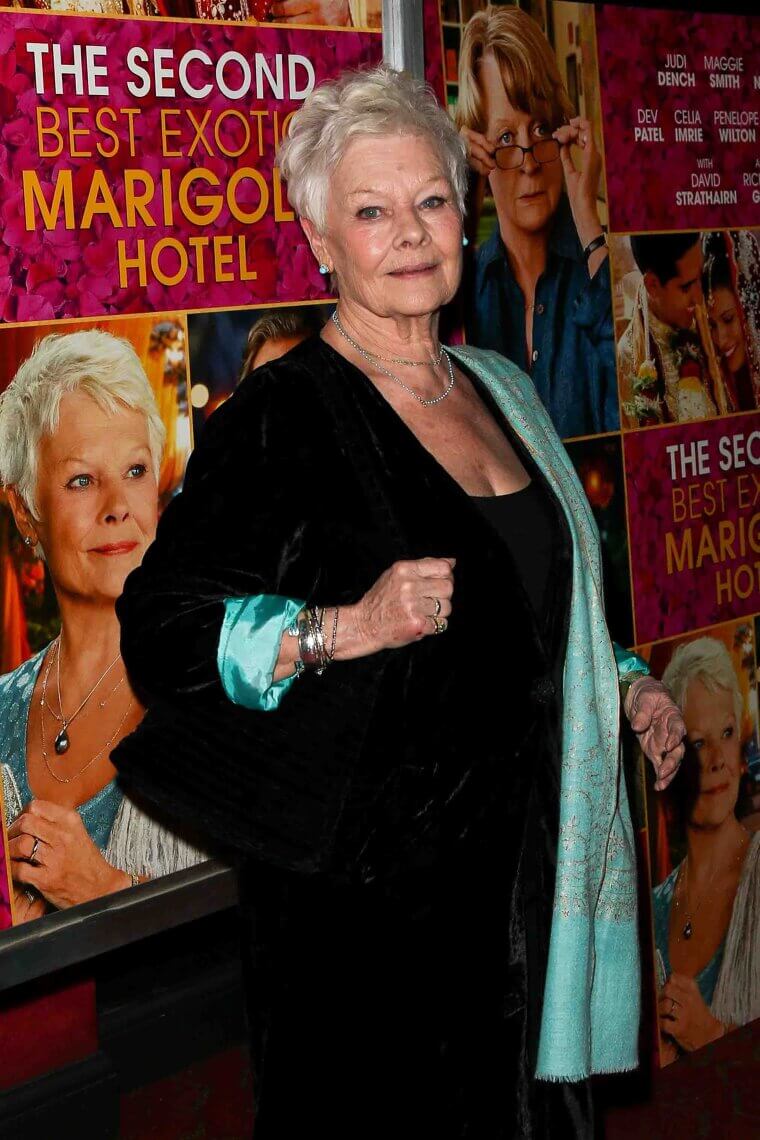
And her prolific output in her later years is a masterclass in staying relevant, sharp, and absolutely fearless in a youth-obsessed industry.
Vera Wang: Entering the Fashion Industry at 40 (and Peaking After 50)
While Vera Wang technically entered the fashion design world at 40, her brand truly became a global lifestyle powerhouse as she moved into her 50s and beyond. Before her "second act," she was a competitive figure skater and a high-level editor at Vogue. When she couldn't find the perfect wedding dress for her own nuptials, she decided to create her own. She proved that having a sophisticated eye and a wealth of professional experience is the ultimate advantage.
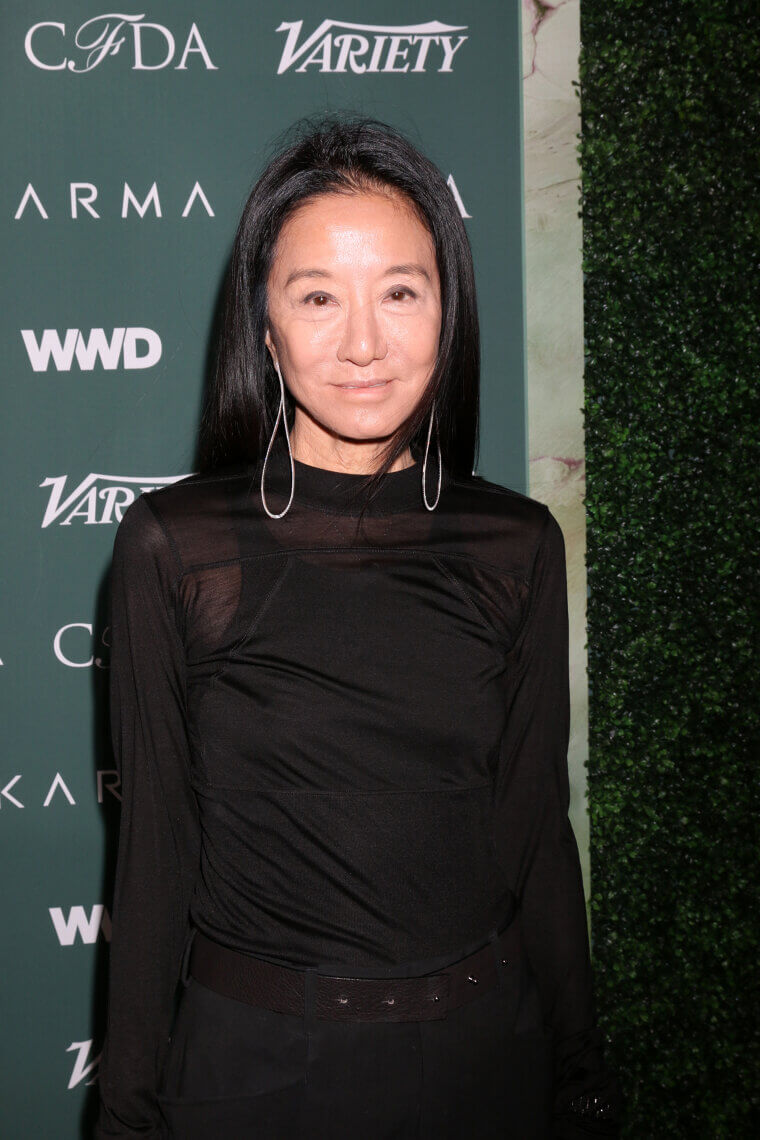
Today, she remains a style icon, proving that elegance and ambition only get better with time. She's a sought-after designer for top celebrities and the 1%.
Grandma Moses: Beginning a Renowned Painting Career at 78
Anna Mary Robertson Moses, better known as Grandma Moses, is the ultimate proof that it is never too late to discover a hidden talent. She spent her life as a hardworking farm wife and only picked up a paintbrush in her late 70s because arthritis made her beloved embroidery too difficult. Her charming folk-art scenes of rural life eventually caught the eye of a collector, and by her 80s, she was an international sensation.
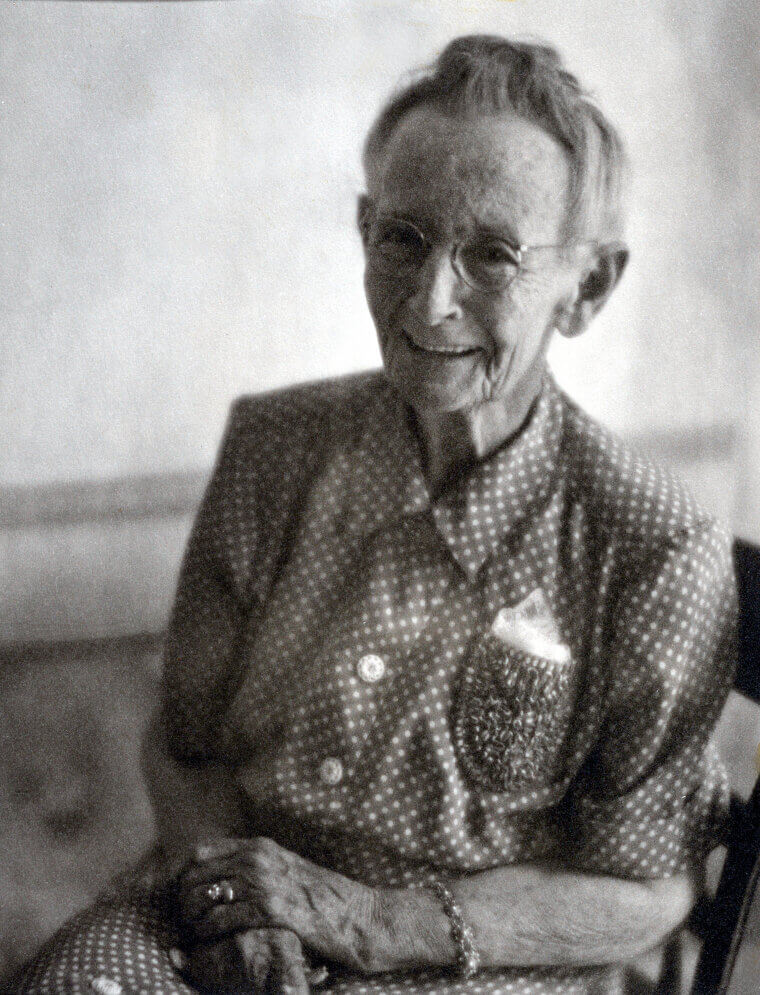
She continued to paint until she was 101, showing us that our hands are capable of new magic at any age.
Morgan Freeman: Landing a Breakthrough Film Role at 52
While it feels like Morgan Freeman has been the "voice of God" forever, he was actually a working actor for decades before the world truly took notice. His massive breakthrough didn't arrive until 1989, when he starred in Driving Miss Daisy at the age of 52. Before that, he was well-known to children as "Easy Reader" on The Electric Company, but his transition to a premier Hollywood leading man happened when many of his peers were considering retirement.
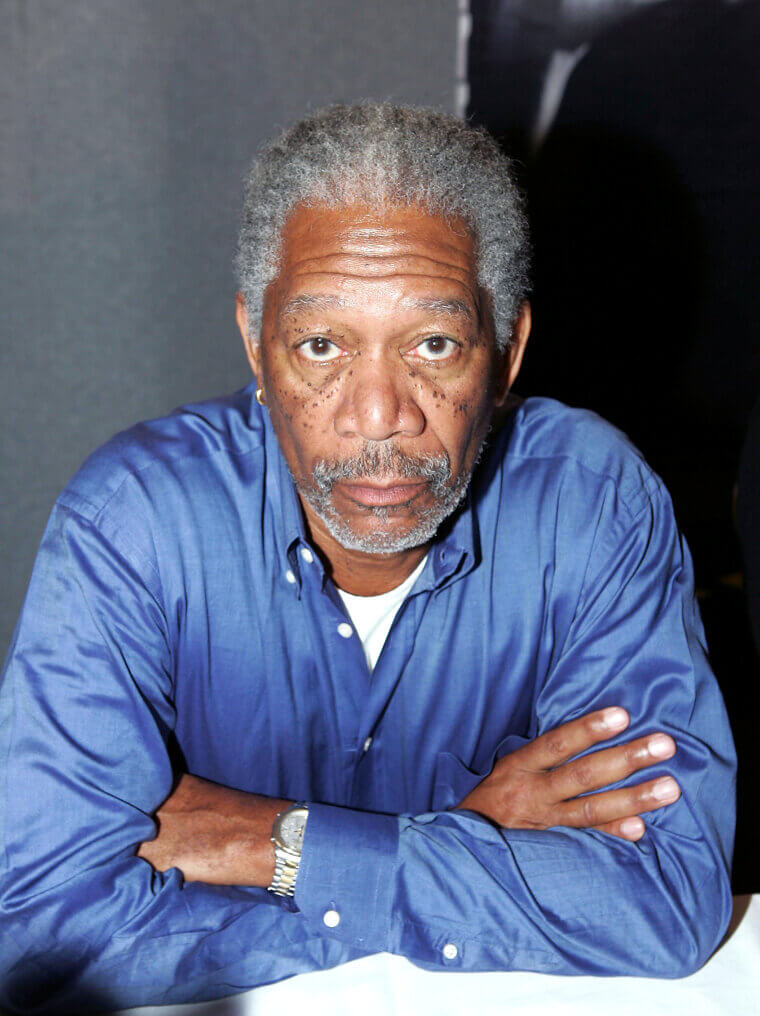
His career reminds us that sometimes the best roles are saved for those with the most life experience.
Harland Sanders: Franchising Kentucky Fried Chicken at 62
The man we affectionately know as "The Colonel" didn’t find his fortune until he was well into his sixties. After a lifetime of odd jobs—ranging from a steam engine stoker to an insurance salesman—Harland Sanders faced a crisis when a new interstate bypassed his small roadside restaurant. Rather than retiring quietly, he took his secret recipe on the road at age 62, sleeping in his car while pitching his chicken to restaurant owners.
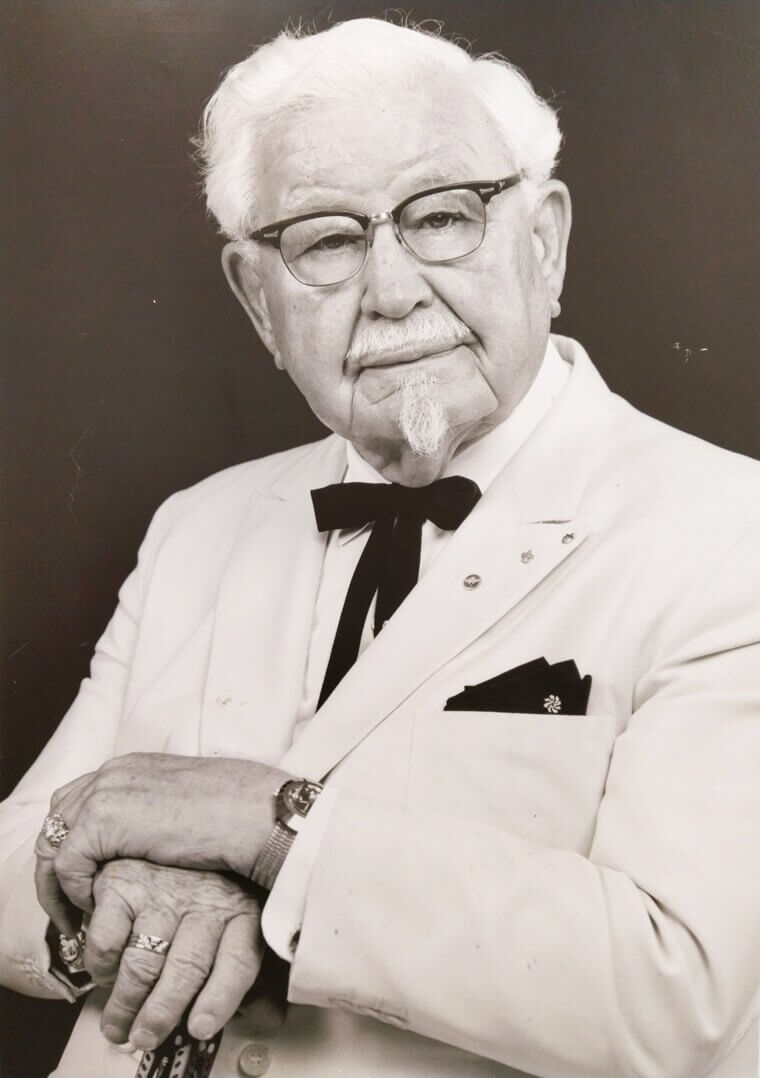
His persistence paid off, proving that a setback in your sixties can actually be the setup for a global empire.
Kathryn Joosten of "The West Wing": Starting Her Acting Career in Her 50s
Kathryn Joosten spent the first act of her life as a psychiatric nurse and a stay-at-home mother in the suburbs. It wasn't until she was 42 that she began community theater, and she didn't move to Hollywood to pursue acting seriously until she was in her mid-50s. She eventually landed the iconic role of Mrs. Landingham on The West Wing at age 60 and later won two Emmys for Desperate Housewives.
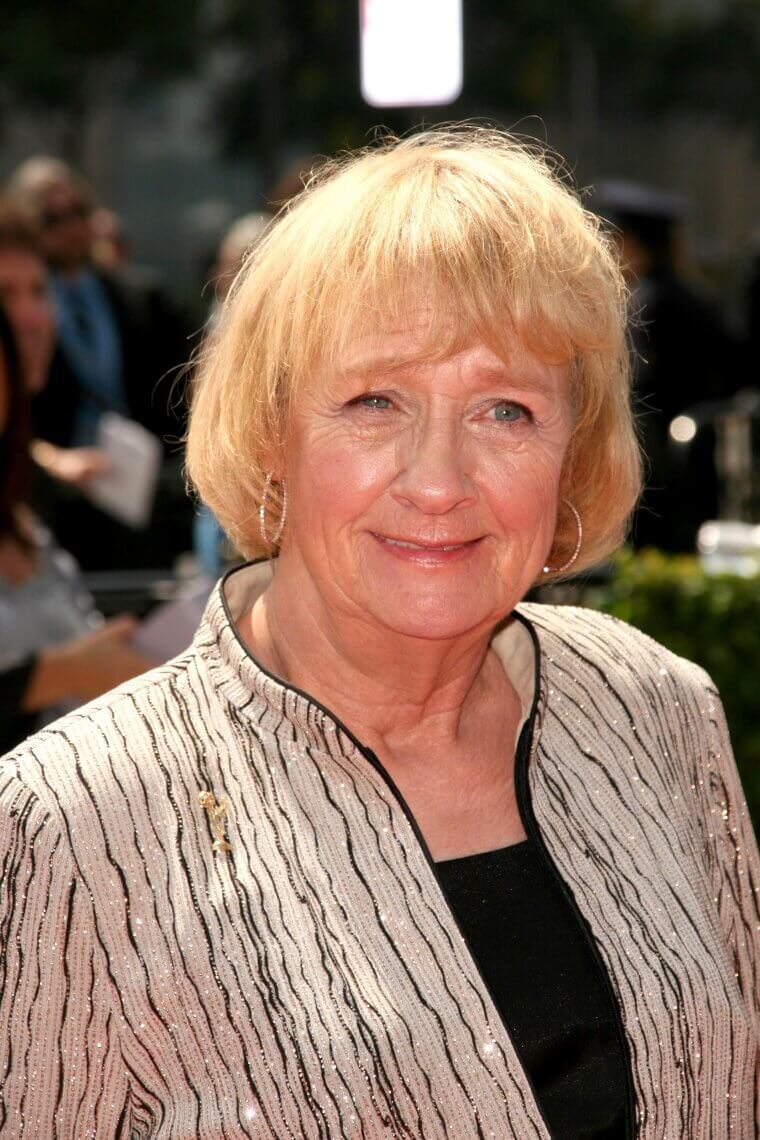
Her career is a stunning reminder that you don't need a head start to finish at the very top of your field.
Rodney Dangerfield of "The Ed Sullivan Show": Finally Getting "Respect" at 54
Rodney Dangerfield is famous for his catchphrase "I don't get no respect," but for decades, it was actually true. He struggled as a stand-up comedian in his 20s and eventually quit the business to sell aluminum siding and support his family. He didn't make a serious comeback until he was in his 40s, and his massive breakthrough on The Ed Sullivan Show didn't happen until he was 54.
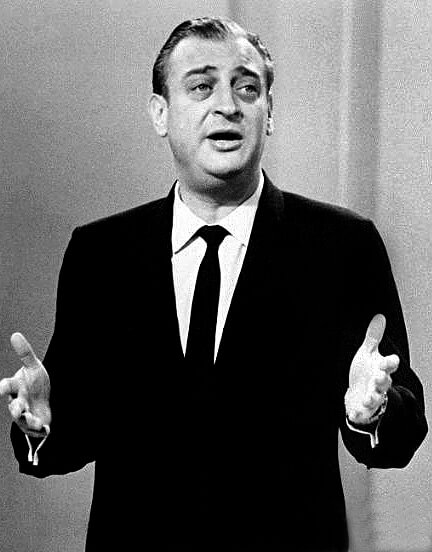
His late-blooming success led to iconic film roles in his 60s, proving that humor, like a fine wine, often gets much sharper with age.
Laura Ingalls Wilder (author of "Little House on the Prairie"): Publishing Her First Novel at 65
The beloved author of the Little House on the Prairie series didn’t start her journey as a novelist until she was 65 years old. Encouraged by her daughter during the hardships of the Great Depression, Laura began writing down her memories of life on the American frontier. Her stories resonated with a public hungry for tales of resilience and family. By the time she finished the series, she had become a literary legend.
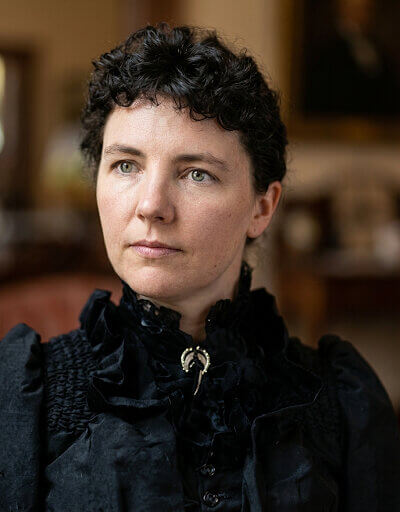
Her "second act" as a writer allowed her to preserve history while finding a brand-new purpose in her golden years.
Susan Boyle: Becoming a Singing Sensation at 48 (and Peak at 50)
While Susan Boyle was technically 48 when she stepped onto the stage of Britain's Got Talent, her global superstardom and record-breaking albums took flight as she entered her 50s. Before that moment, she was a quiet volunteer in a small Scottish village. Her story touched millions because it broke every stereotype about what a "pop star" should look like or how old they should be.
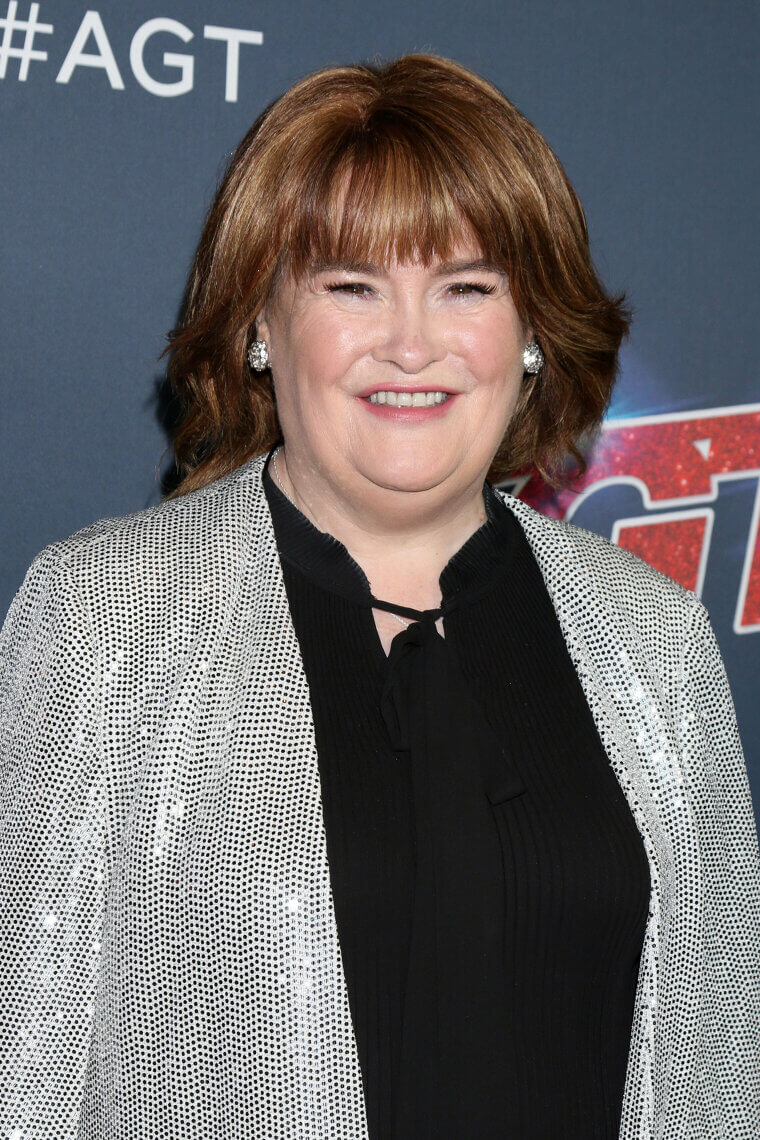
She proved that a world-class talent can remain hidden for decades, just waiting for the right moment to step into the light and inspire everyone.
Phyllis Diller: Finding Her Comedic Voice at Age 50
Phyllis Diller was a busy mother of five who spent years working in advertising and as a department store copywriter before she ever stepped onto a comedy stage. While she started performing in her late 30s, she didn't become a household name and a television staple until she was nearly 50 years old. Her self-deprecating humor and iconic cackle broke through in an industry that was almost entirely dominated by men at the time.
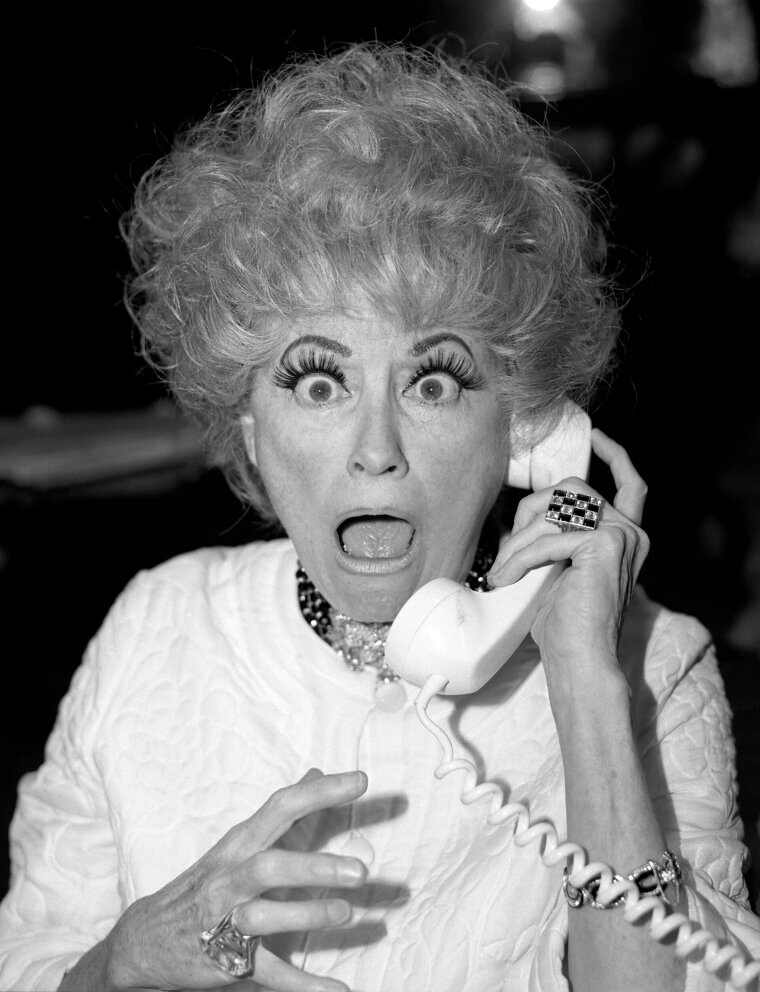
She proved that having a "lived-in" perspective is actually a superpower in comedy, as she drew from the chaos of domestic life to connect with millions of people. Her story is a wonderful reminder that the humor found in our daily struggles can become the foundation for a legendary career.
Arianna Huffington: Launching The Huffington Post at 55
Arianna Huffington was already a successful author and commentator, but she didn’t revolutionize the digital media world until she was 55. In 2005, she co-founded The Huffington Post at an age when many people are looking to scale back their professional commitments. The site became a news powerhouse, eventually selling for hundreds of millions of dollars. Her journey didn't stop there; she later launched a wellness company focused on the importance of sleep and balance.
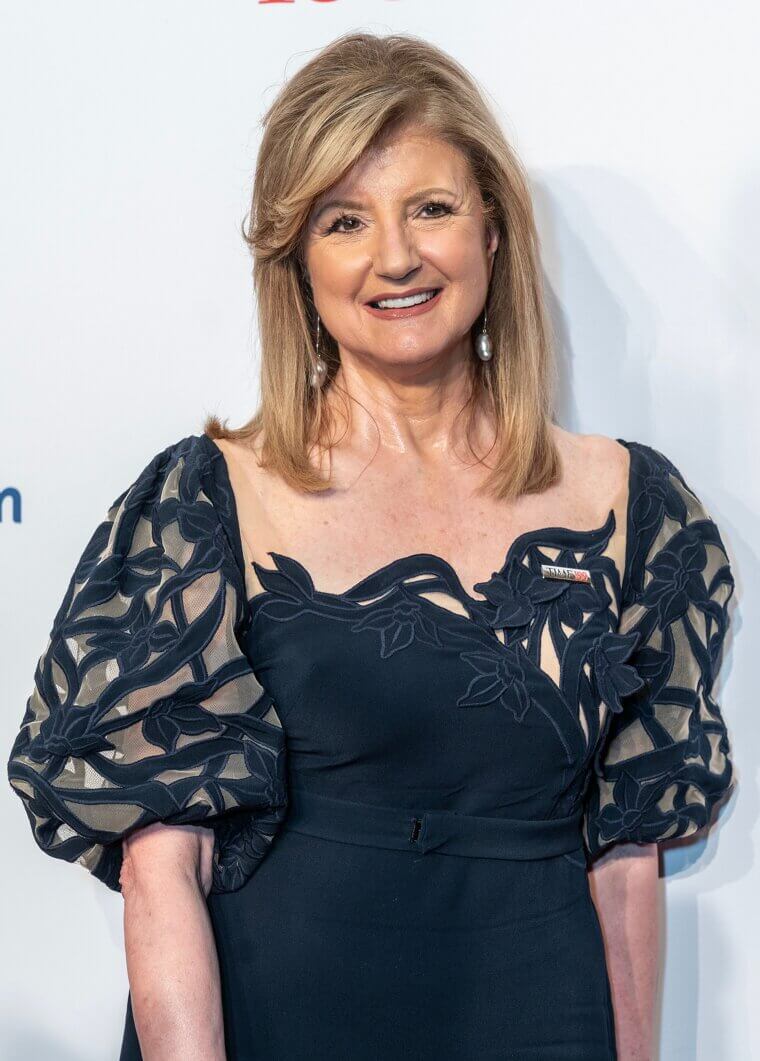
Her career trajectory shows that our most innovative and tech-savvy ideas can flourish well into our middle years.
Martha Stewart: Taking Her Company Public at 58
While Martha Stewart was a successful caterer and author in her 40s, her transformation into a billionaire media mogul happened as she approached 60. She consolidated her various business ventures into Martha Stewart Living Omnimedia and took the company public in 1999 when she was 58 years old. This move made her the first self-made female billionaire in the United States. Her story is a powerful example of how a "home-based" passion can be scaled.
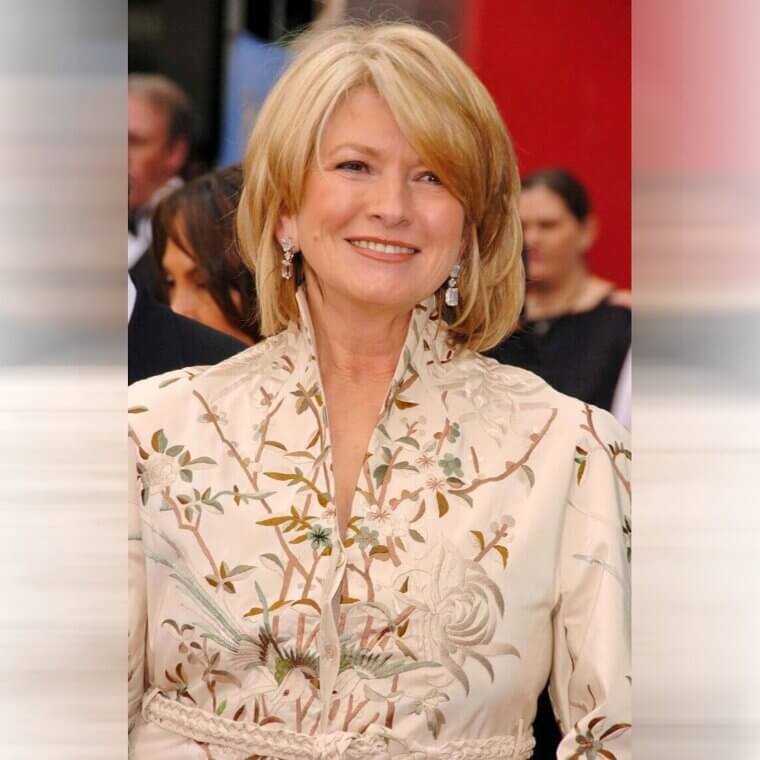
In Stewart's case, she scaled it into a corporate empire through savvy business moves and a refusal to slow down during one's middle years.
Toni Morrison: Winning the Nobel Prize After a Late Start
Toni Morrison didn't publish her first novel, The Bluest Eye, until she was 39, and she spent much of her "first act" working as an editor and raising her children as a single mother. However, it was her work in her 50s and 60s—including the masterpiece Beloved—that cemented her place in history. She became the first African American woman to win the Nobel Prize in Literature at age 62.
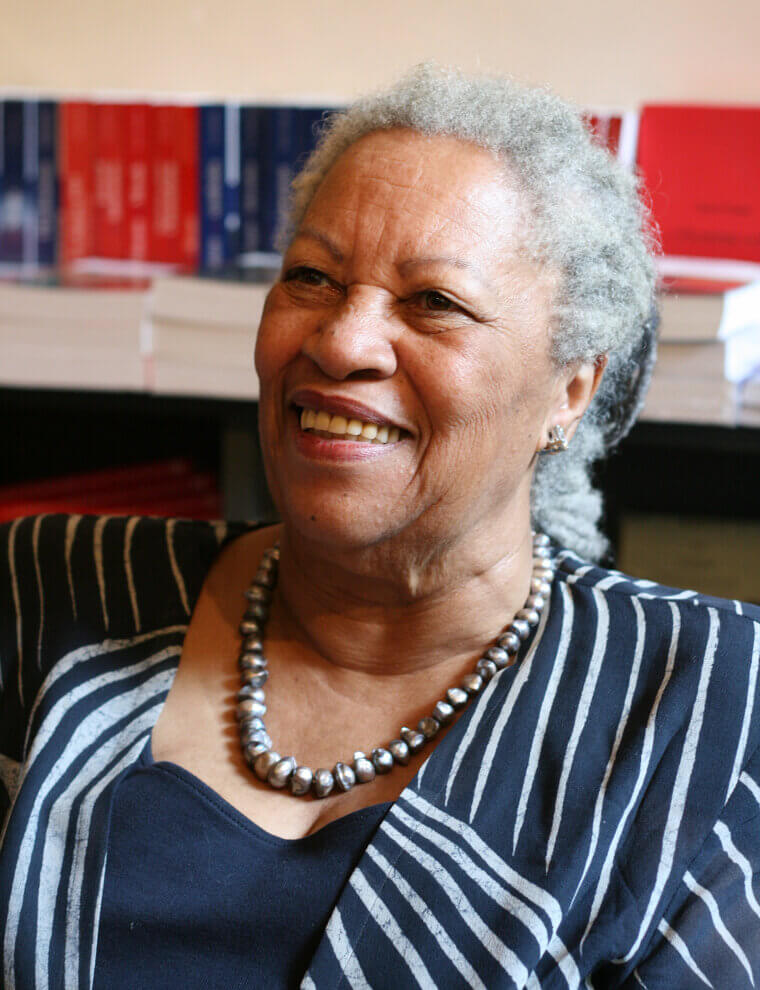
Her life reminds us that the wisdom gathered in our earlier years is often the very fuel we need to create something profoundly impactful later on.
Estelle Getty: Becoming a "Golden Girl" at 62
Estelle Getty had been a theater actress for decades, but she was largely unknown to the general public until she was cast as Sophia Petrillo on The Golden Girls. Ironically, she was actually younger than her on-screen daughter, Bea Arthur, and had to spend hours in the makeup chair to look the part. Her sharp wit and perfect comedic timing made her a household name at age 62.
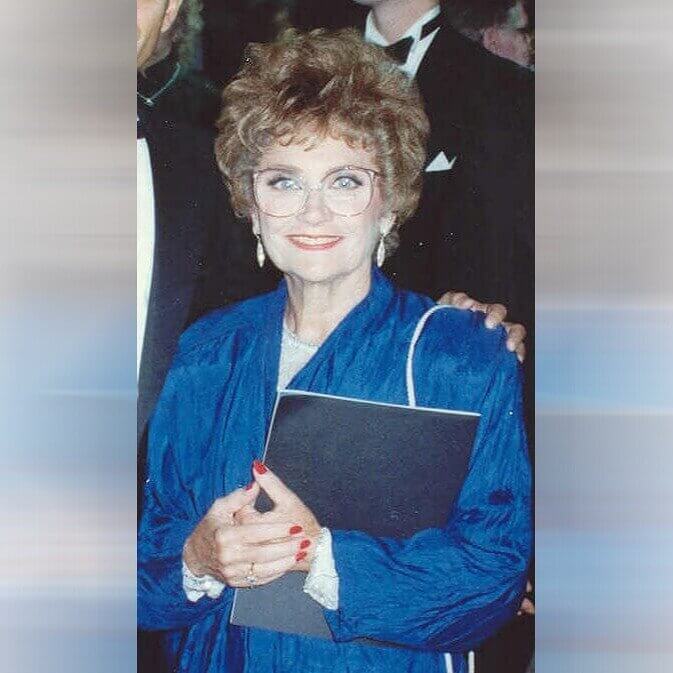
She proved that you can become a pop-culture icon at an age when many people are considering moving into a retirement community themselves.
Alfred Hitchcock: Directing His Greatest Masterpieces After 50
While Alfred Hitchcock had a long career in film, his "Golden Age" is widely considered to be his work in his 50s and 60s. He directed Rear Window at 55, Vertigo at 59, and Psycho at 61. Many directors find their style early and fade away, but Hitchcock became more experimental and daring as he aged. He used his decades of technical knowledge to push the boundaries of cinema.
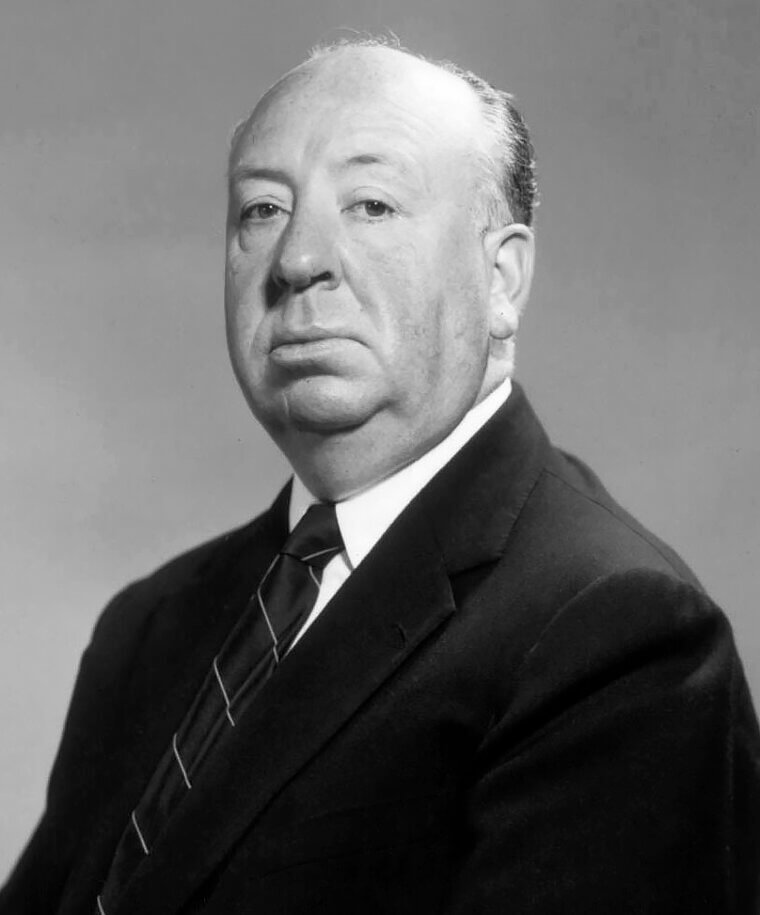
Hr proved that mastery of a craft allows you to take even bigger risks later in life when others might be playing it safe.
Wally Amos: Launching "Famous Amos" Cookies at 40 (and Reinventing at 70)
Wally Amos was once a high-powered talent agent who represented some of the most legendary names in the music industry, but his heart was truly in the kitchen. While he launched the iconic Famous Amos brand at age 40, his most inspiring transformation happened much later. After losing ownership of his namesake company, he refused to let that setback define his legacy. Instead, in his 60s and 70s, he reinvented himself as a prolific author, a dynamic motivational speaker, and the founder of several new gourmet cookie ventures.
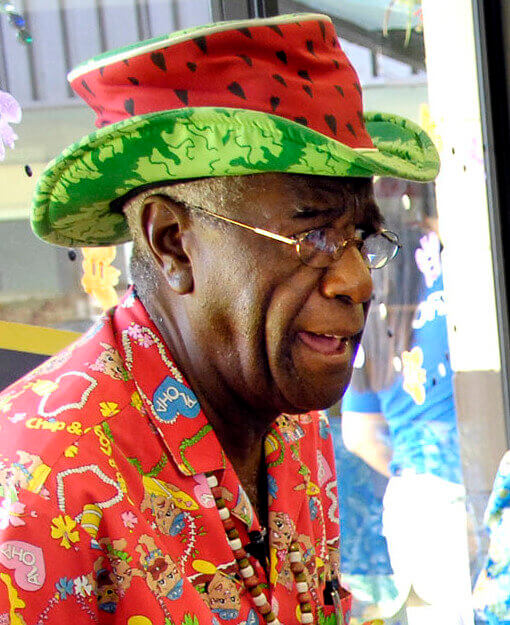
His incredible resilience and "never-say-die" spirit prove that even after a major professional peak and a subsequent fall, you can always cultivate a "third act" that is just as sweet and rewarding as the first.
Richard Adams: Publishing "Watership Down" at 52
Richard Adams was a career civil servant in the British government for many years. He used to tell his daughters stories about a group of rabbits during long car rides, and they eventually insisted he write them down. He was 52 years old when Watership Down was finally published after being rejected by several publishers. It became a literary classic and a beloved film.
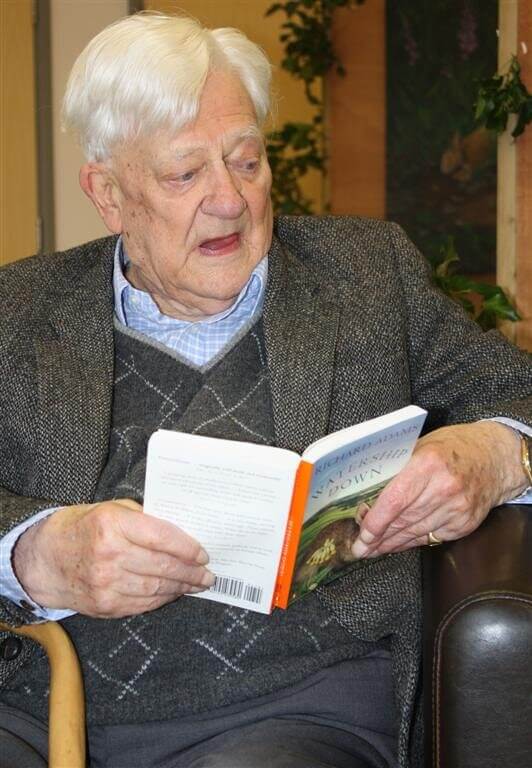
Adams proved that the stories we tell our children can become the legacy we leave the world, even if we don't start writing them until our fifties.
Henry Ford: Introducing the Model T at 45 (and Mass Production at 50)
Henry Ford had several failed businesses and "false starts" in his early career. It wasn't until he was 45 that he introduced the Model T, and he was 50 when he perfected the moving assembly line that changed the world forever. His success wasn't the result of a lucky break in his youth, but rather the culmination of years of mechanical tinkering and business trial-and-error.
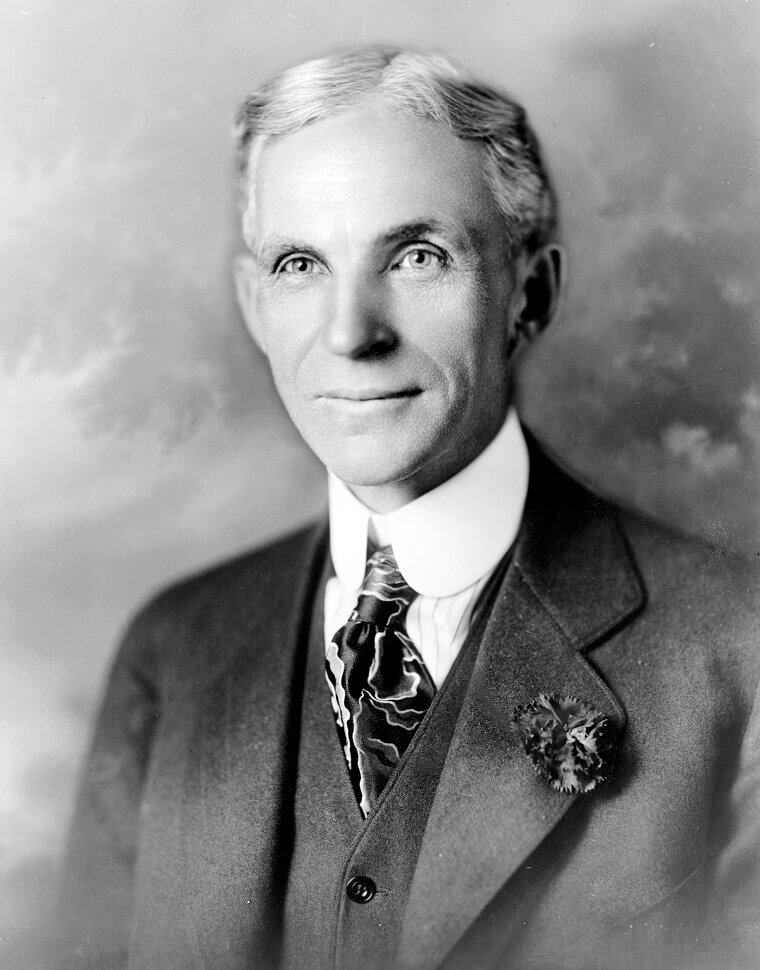
His "second act" as the man who put the world on wheels reminds us that persistence is the most valuable asset we have in our later years.
Ronald Reagan: Entering Politics in His 50s
Before he was the 40th President of the United States, Ronald Reagan was a Hollywood actor and a union leader for the Screen Actors Guild. He didn't hold his first public office—Governor of California—until he was 55 years old. He didn't reach the White House until he was 69. Whether you agree with his politics or not, his career is a massive example pivoting successfully later in life. Most politicians spend most of their lives dreaming and working towards this.
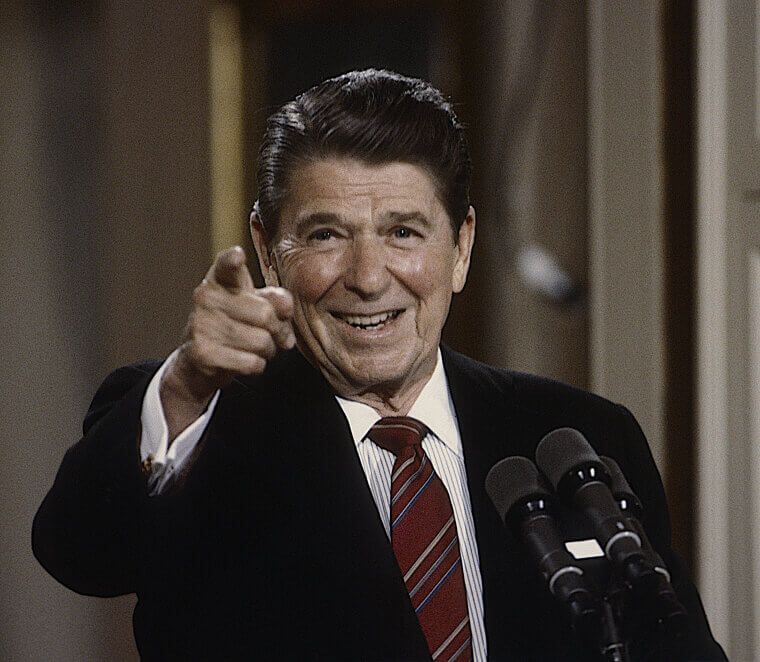
He's an example of how the skills learned in one profession (entertainment and communication) can lead to a completely different "second act" on the world stage during your senior years.
Victor Hugo: Writing "Les Misérables" at 60
While Victor Hugo was already a celebrated poet and a prominent political figure in France throughout his early years, his most enduring contribution to the world of literature, Les Misérables, did not reach the public until he was 60 years old. Remarkably, he composed a significant portion of this masterpiece while living in political exile, proving that even during times of profound personal displacement or professional upheaval, one can still cultivate their most impactful and significant work.
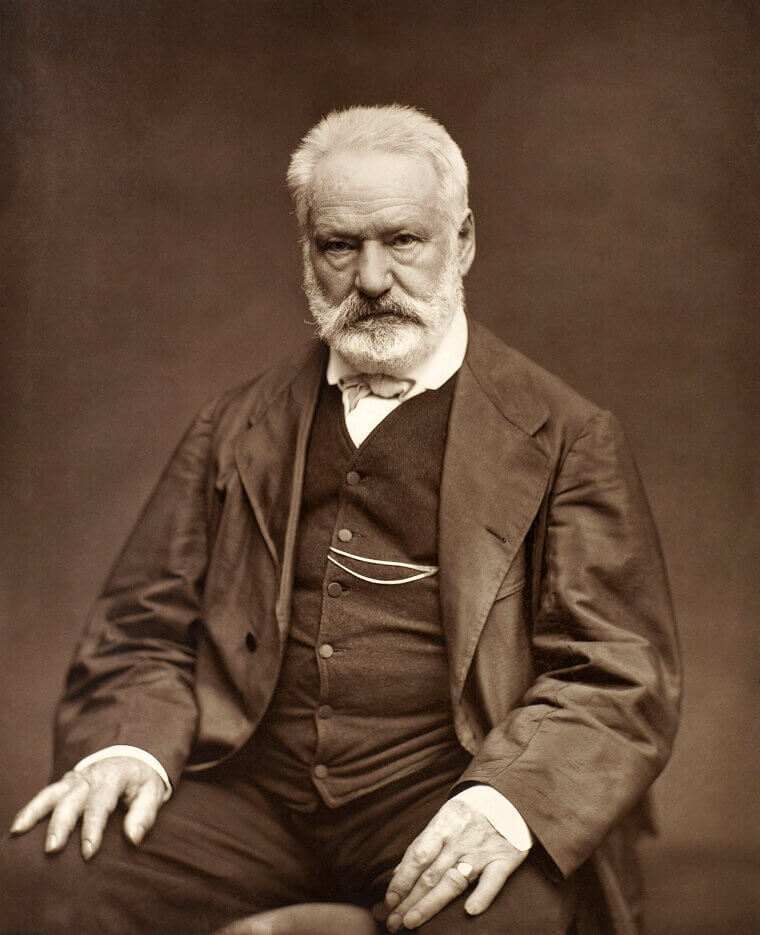
The epic scale, intricate morality, and deep empathy found within the novel are clearly the refined products of a man who had personally experienced both the heights of grand success and the crushing depths of struggle.
Frank McCourt: Writing "Angela’s Ashes" at Age 66
Frank McCourt spent thirty years teaching creative writing and English in New York City high schools, helping others find their voices while his own story remained untold. It wasn't until he retired from teaching at the age of 66 that he finally sat down to write his memoir, Angela’s Ashes. The book became an instant sensation, winning the Pulitzer Prize and selling millions of copies worldwide.
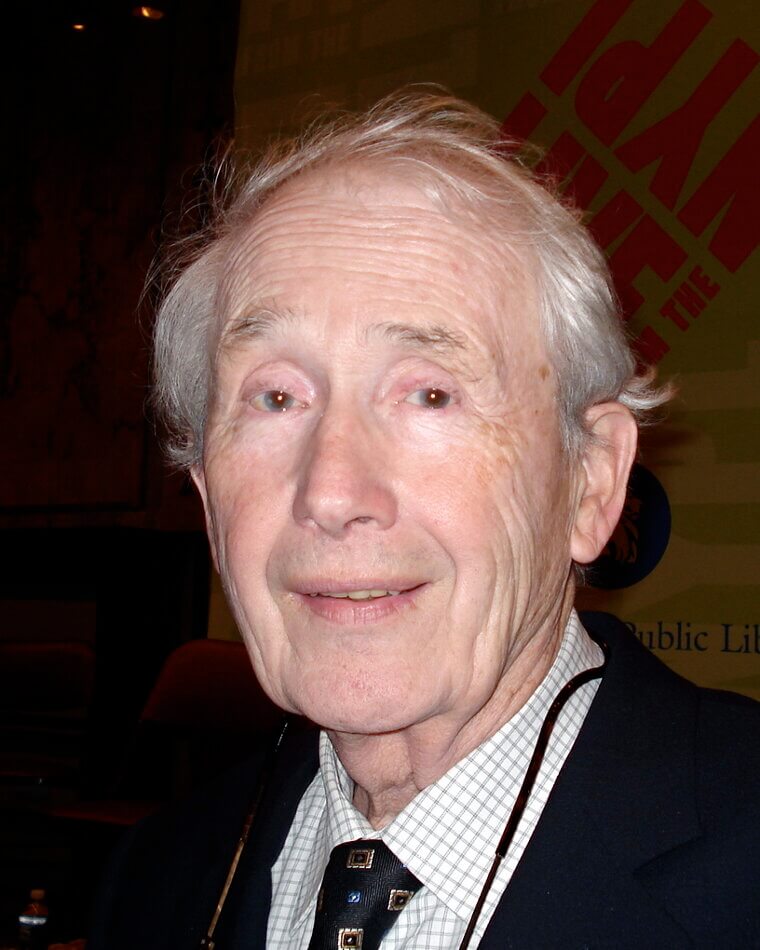
McCourt showed the world that those decades spent "just working" were actually the vital preparation needed to tell a story with profound emotional depth and clarity.
Ray Kroc: Transforming McDonald’s Into a Global Giant at 52
Ray Kroc spent decades as a struggling salesman, hawking paper cups and multi-spindle milkshake mixers. He was 52 years old when he walked into a small burger stand in San Bernardino and saw a future that no one else did. Despite having health issues and a thinning wallet, he mortgaged his home to buy the rights to franchise the concept. His vision turned a local business into a worldwide phenomenon.
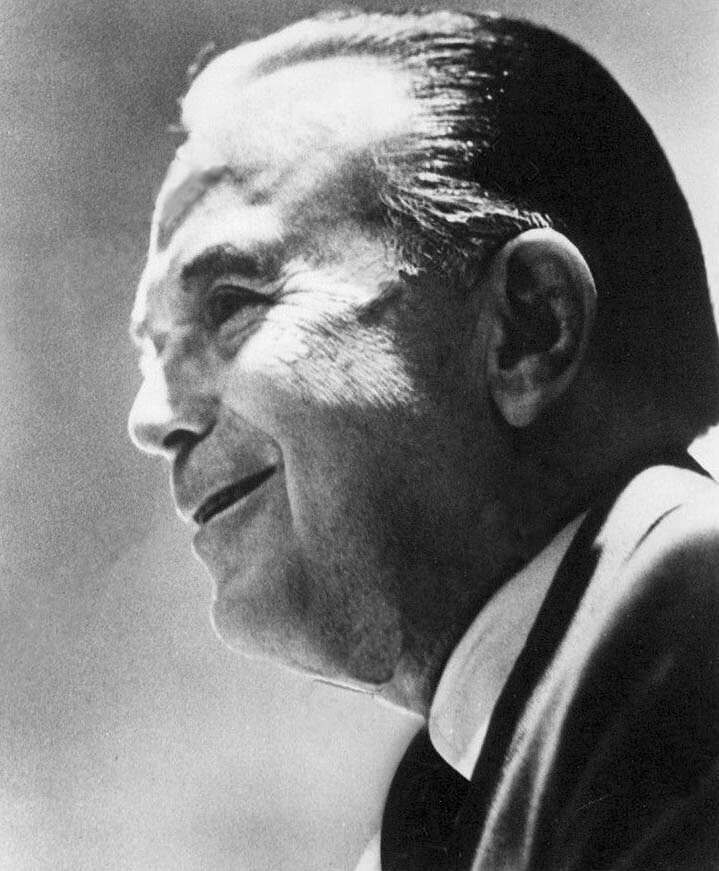
Kroc’s story teaches us that the "big idea" we’ve been waiting for might just be waiting for us in our fifties.
Bram Stoker: Writing the Legendary "Dracula" at 50
While Bram Stoker was a theater manager and a part-time writer for most of his life, he didn’t achieve literary immortality until he reached the half-century mark. In 1897, at the age of 50, he published Dracula. While he had written other stories previously, it was this Gothic masterpiece that defined an entire genre of horror and suspense. Stoker spent years researching European folklore and vampire mythology.
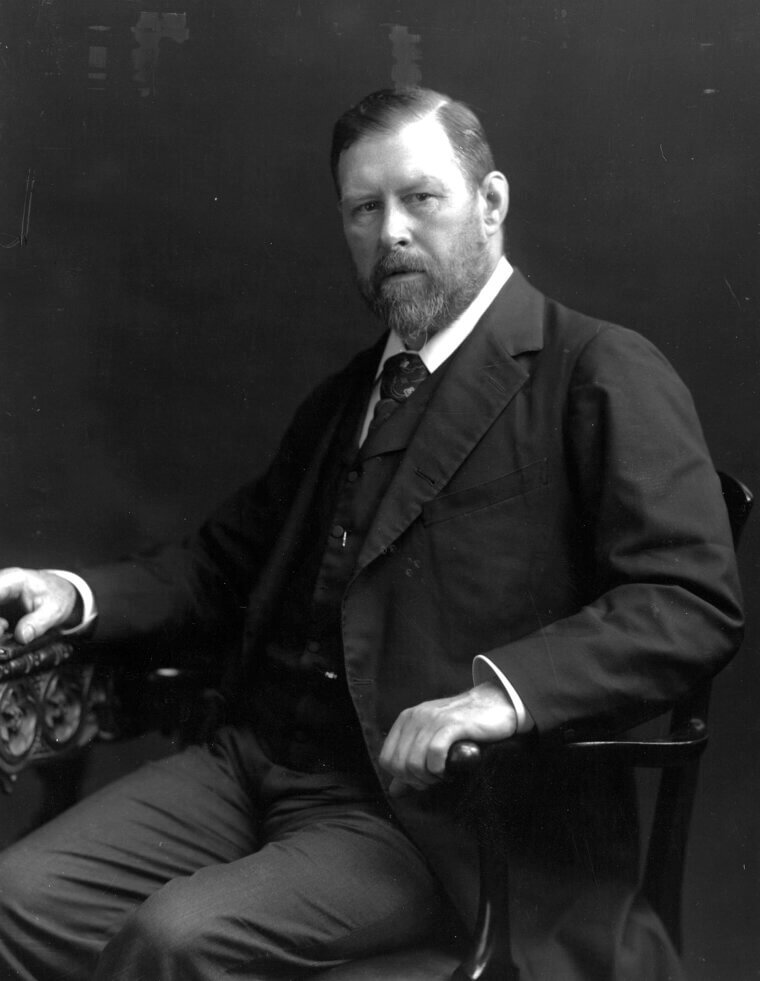
He proved that a deep well of life experience and meticulous study can lead to a breakthrough that resonates for centuries after you are gone.
Peter Roget: Publishing His Famous Thesaurus at 73
Most of us have a Roget’s Thesaurus on our bookshelves, but few realize it was the product of a retirement hobby. Peter Mark Roget was a physician and philologist who began working on a system of classifying words to cope with his own bouts of depression. He didn't officially publish the first edition of his famous reference book until he was 73 years old.
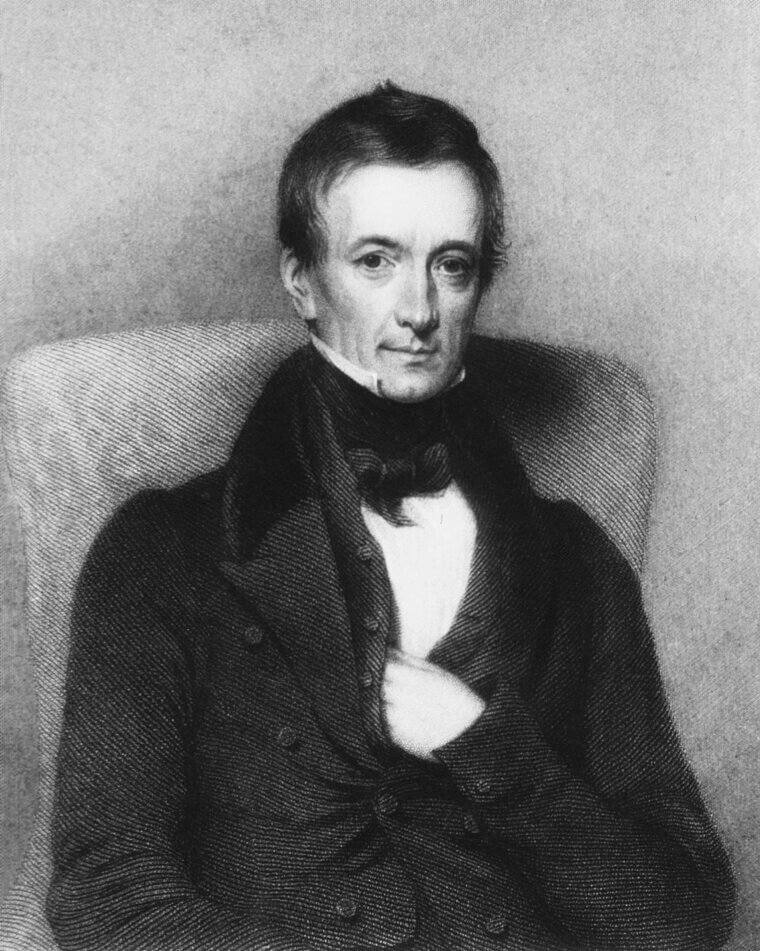
His dedication to organizing the English language in his later years created a tool that has assisted every writer since, proving that intellectual curiosity can keep the mind sharp well into the 70s.
Charles Darwin: Publishing "On the Origin of Species" at 50
We often think of great scientific breakthroughs as the work of young radicals, but Charles Darwin was 50 years old when his seminal work, On the Origin of Species, was finally published. He had spent decades traveling, observing, and—perhaps most importantly—doubting and refining his theories. His "second act" as the father of evolutionary biology only began after a lifetime of careful, quiet data collection.
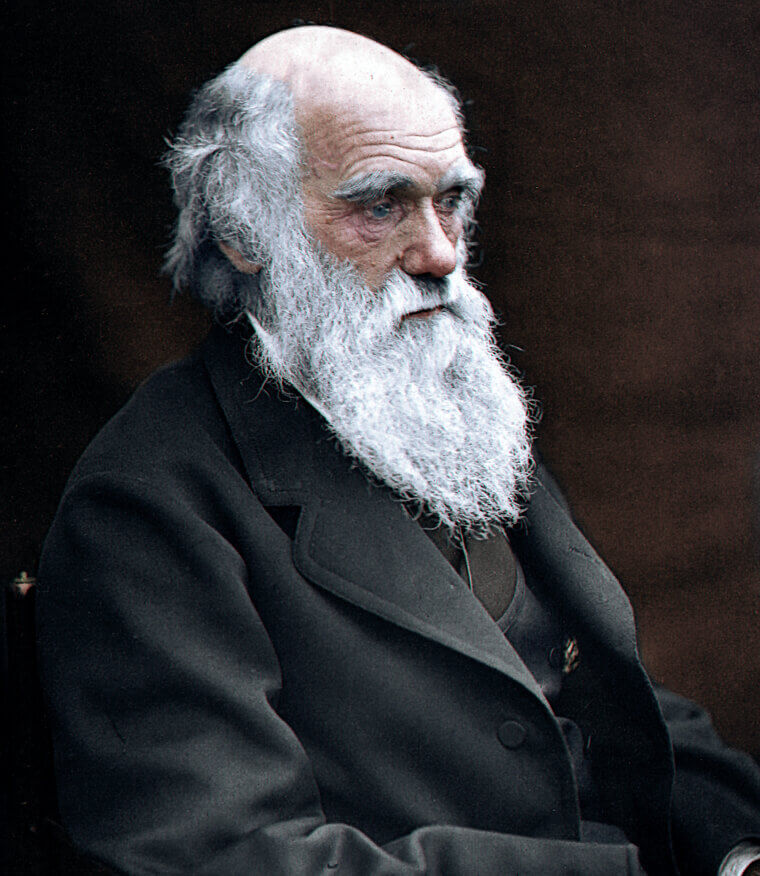
Darwin’s life reminds us that true genius often requires a long period of "simmering" before it is ready to change the world and how we see ourselves.
"Mother" Mary Harris Jones: Becoming a Labor Leader at 60
Mary Harris Jones suffered unimaginable tragedies in her early life, losing her husband and four children to yellow fever and her dressmaking business to the Great Chicago Fire. It was only after these losses, in her late 50s and early 60s, that she found her true calling as a fiery labor organizer. Known as "Mother Jones," she traveled across the country to support striking miners and workers, becoming "the most dangerous woman in America."
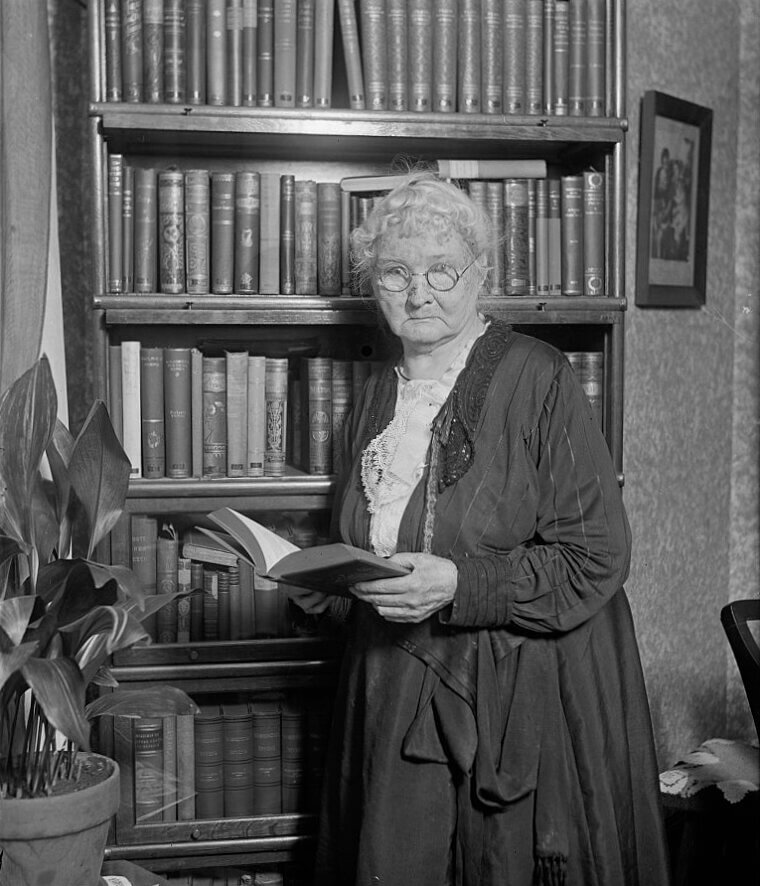
She proved that age can be a source of incredible moral authority and a powerful tool for social change.
Nelson Mandela: Becoming President at 76
After spending 27 years in prison for his activism, Nelson Mandela was released at the age of 71. Most people would have sought a quiet life after such an ordeal, but Mandela’s "second act" was just beginning. At age 76, he became the first Black president of South Africa, leading the country through a miraculous transition away from apartheid. His leadership in his 70s and 80s remains one of the greatest examples of grace and purpose in history.
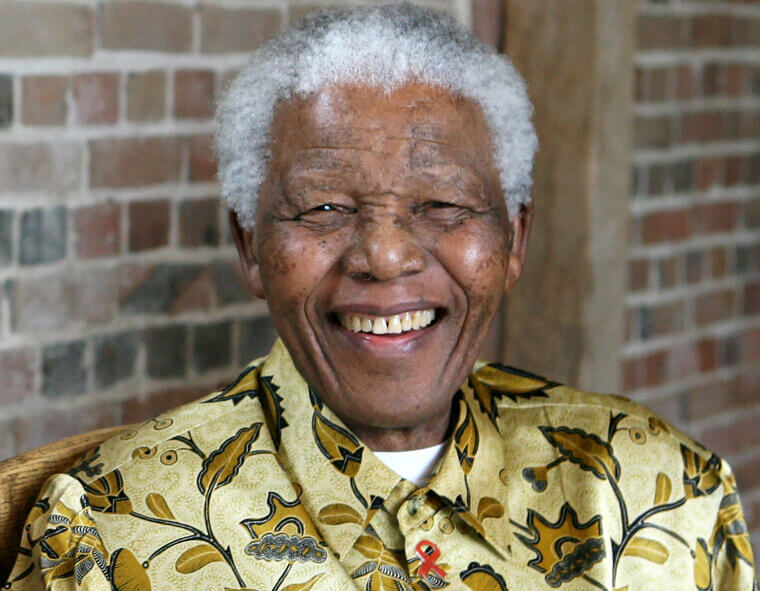
Mandela proved, on an immense scale, that the latter part of life can be your most influential.
Gladys Burrill: Completing Her First Marathon at 86
Gladys Burrill, affectionately known as the "Glady-ator," didn't even start running until she was 86 years old. She was a multi-talented woman—a pilot, a mountain climber, and a hiker—but she found her true "running" legs very late in life. At age 92, she completed the Honolulu Marathon, earning a Guinness World Record. Her story is a vibrant reminder that our bodies are capable of incredible feats if we keep them moving.

And a reminder that "athleticism" doesn't have an expiration date if you have the heart to keep going.
Harry Bernstein (author of "The Invisible Wall"): Publishing His First Best-Seller at 96
Harry Bernstein spent his life as an editor and a writer of unpublished stories, but his true breakthrough came at an age most people never reach. After the passing of his wife, he began writing his memoir, The Invisible Wall, as a way to cope with his loneliness. The book was published to international acclaim when he was 96 years old. He went on to write three more books before passing away at 101.

His life is the ultimate proof that your "true calling" is ready for you whenever you are ready for it.