
The Lord of the Rings: Hobbiton’s Rolling Hills in Matamata, New Zealand
The Shire isn't just a feat of clever CGI; it is a permanent, living village nestled in the lush pastures of a working sheep farm. Originally built as temporary facades for The Fellowship of the Ring, the set was completely rebuilt using permanent stone and timber for The Hobbit trilogy to ensure it would stand for decades. Today, visitors can wander past 44 unique Hobbit holes, each adorned with tiny, intricate details like miniature mailboxes and hand-painted gates.
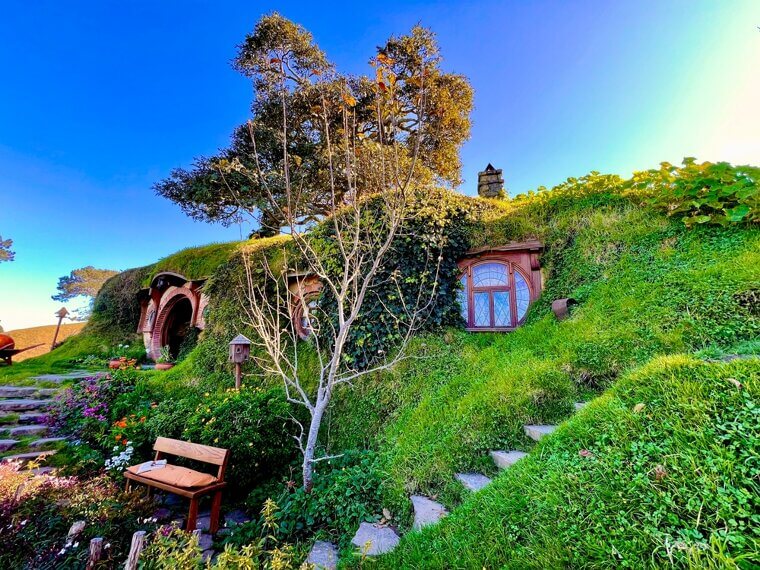
The tour famously concludes at the Green Dragon Inn, where you can enjoy a custom-brewed ale in a perfectly recreated pub that feels centuries old. It remains an iconic destination because it offers total immersion into a fantasy world that feels remarkably tangible and real to every guest.
Star Wars: Luke Skywalker’s Troglodyte Home at Hotel Sidi Driss, Tunisia
Deep in the desert of Matmata, fans can actually spend the night in the very home where Luke Skywalker dreamed of joining the Rebel Alliance. This traditional Berber "troglodyte" dwelling consists of several sunken courtyards connected by underground tunnels, which provided the perfect "otherworldly" aesthetic for George Lucas in 1976. While much of the original set was dismantled, it was meticulously restored by fans and the film crew for the prequel trilogy.
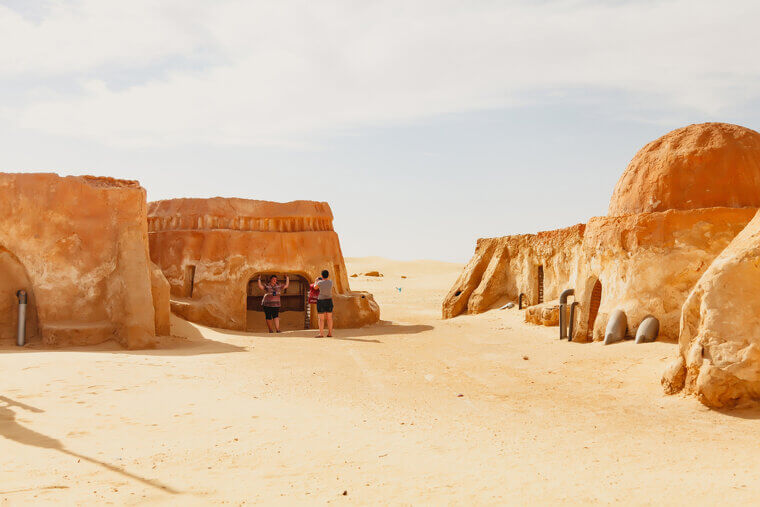
You can still see the original kitchen murals and technical "gadgets" bolted to the cave walls, offering an incredibly immersive experience for any sci-fi enthusiast. It remains a legendary stop because it allows travelers to live inside the modest beginnings of cinema’s most famous hero while experiencing authentic North African architecture and history.
Downton Abbey: The Aristocratic Splendor of Highclere Castle, England
While many period dramas use various locations for filming, the Crawley family's estate is almost entirely contained within the magnificent Highclere Castle in Hampshire. This Jacobethan masterpiece, designed by the same architect who built the Houses of Parliament, served as the primary filming site for the series and both feature films. Visitors are allowed to explore the library, the drawing room, and the iconic dining room where so many verbal sparring matches took place.
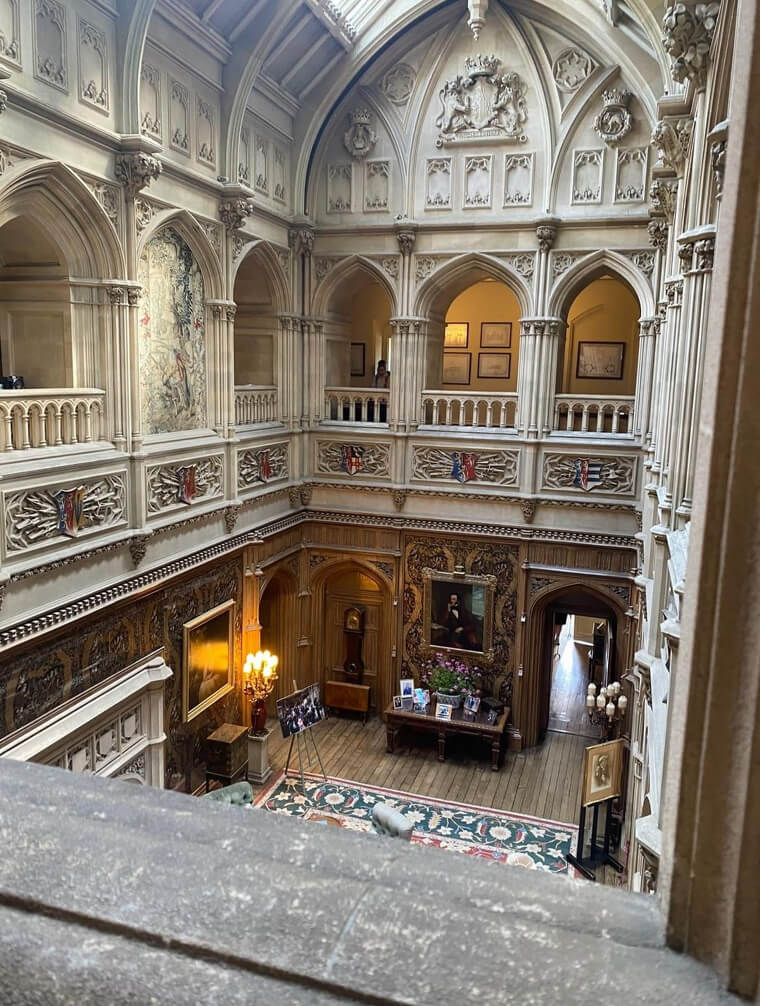
It remains an iconic destination because it represents the pinnacle of Edwardian elegance, preserved perfectly for those who wish to live out their aristocratic fantasies. The castle is still a private home, which adds a layer of genuine, lived-in warmth that studio sets simply cannot replicate, making every tour feel like a personal invitation into high society.
Harry Potter: The Great Hall and Diagon Alley at Leavesden Studios, UK
For those who want to see where the "Boy Who Lived" spent a decade filming, the Warner Bros. Studio Tour London is the ultimate pilgrimage. Unlike many productions that strike sets after filming, the producers kept the most significant structures, including the massive Great Hall with its solid stone floor and the cobbled streets of Diagon Alley. Walking through these sets allows you to see the hand-crafted detail that went into every potion bottle and wand box. It remains open today as a testament to British craftsmanship and the enduring legacy of a franchise that defined a generation of cinema.
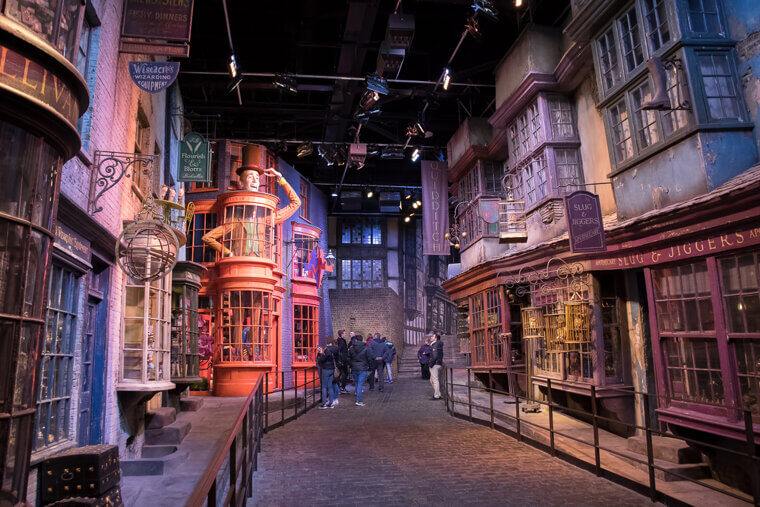
The scale of the sets is truly breathtaking, especially the hand-painted portraits and the intricate woodwork, proving that the magic of the films was built on a foundation of incredible, real-world artistry.
Field of Dreams: The Magical Baseball Diamond in Dyersville, Iowa
"If you build it, he will come" wasn't just a line from the movie; it became a reality for the Lansing family farm. After filming wrapped in 1988, the owners decided to keep the baseball field intact, carved right out of the sprawling cornfields. It has since become a site of quiet reflection for sports fans and movie lovers alike. The pristine white farmhouse and the bleachers remain exactly as they appeared on screen. Its longevity is attributed to its status as a symbol of American nostalgia and the emotional bond between fathers and sons that the film captured so perfectly.
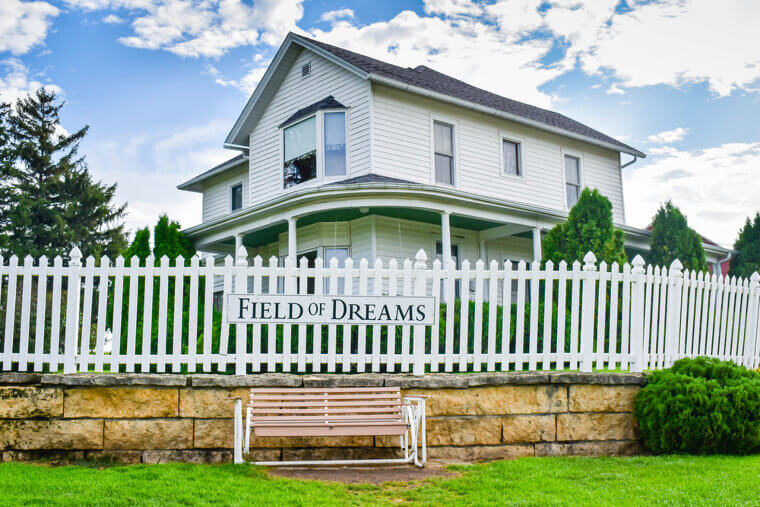
Visitors are encouraged to bring their own gloves and play a game of catch, making this a rare "interactive" movie set where the spirit of the story continues to live on through the fans.
Jurassic Park: The Majestic Gates of Kualoa Ranch, Hawaii
Known as "Hollywood’s Backyard," Kualoa Ranch on the island of Oahu has hosted dozens of blockbusters, but its most famous resident is undoubtedly the Jurassic Park franchise. While the dinosaurs were added in post-production, the dramatic, fluted mountain ridges and the iconic fallen log—where Dr. Grant and the kids hid from a Gallimimus stampede—are very real. Visitors can take vintage bus tours to see the actual locations where Steven Spielberg revolutionized cinema.
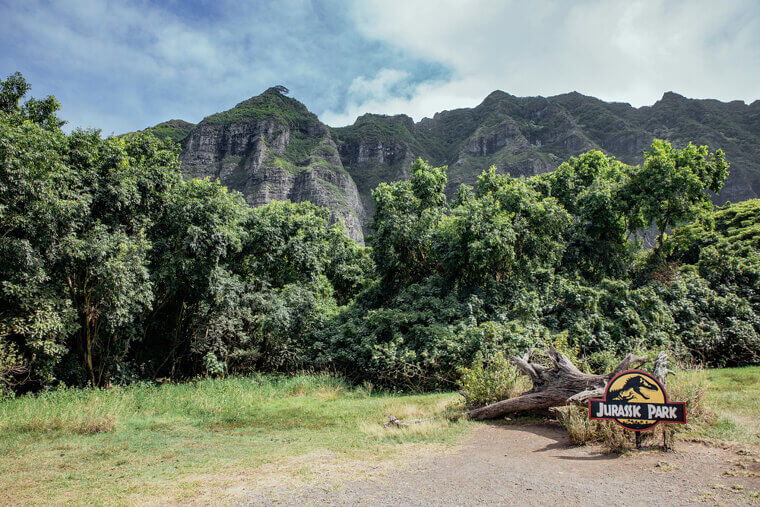
The ranch maintains these sites because the landscape itself is so cinematic that it feels as though a T-Rex could step out from the jungle at any moment. It remains a legendary destination for travelers who want to witness the raw, primeval beauty of Hawaii while standing in the footsteps of prehistoric giants that defined modern blockbuster history.
The Godfather: The Rustic Charm of Bar Vitelli in Savoca, Sicily
In the heart of a quiet Sicilian village, you can sit in the exact same chair where Michael Corleone asked Apollonia's father for her hand in marriage. Bar Vitelli is not a studio recreation; it is a functioning café that has changed remarkably little since Francis Ford Coppola filmed there in 1971. The bead curtains, the stone walls, and the outdoor terrace are all instantly recognizable to fans of the epic trilogy. It remains a legendary stop because it offers a rare, authentic slice of film history that is still part of the local community’s daily life.
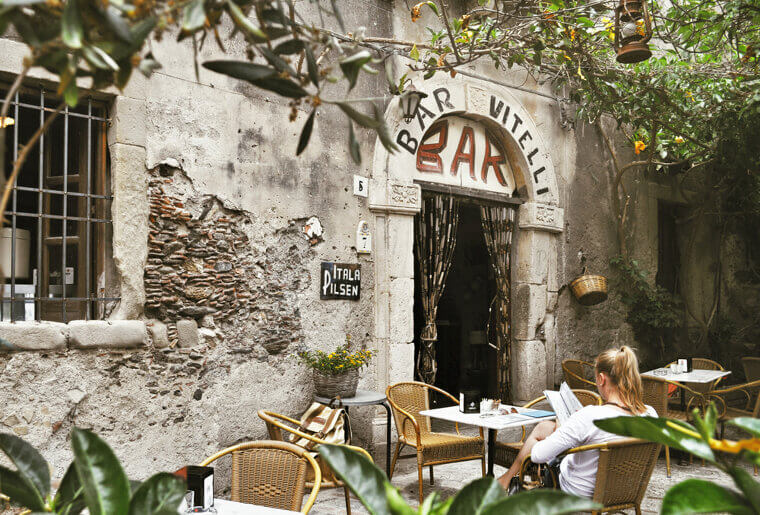
Inside, you will find a small collection of memorabilia and photographs from the production, allowing you to enjoy a granita while soaking in the atmosphere of one of the greatest cinematic achievements of all time, reportedly untouched by the passage of modern commercialism.
The Shining: The Haunting Grandeur of Timberline Lodge, Oregon
While the interiors of the Overlook Hotel were built on a soundstage in England, the imposing exterior that chilled audiences to the bone is the real Timberline Lodge. Located on the slopes of Mount Hood, this National Historic Landmark provided the perfect isolated atmosphere for Stanley Kubrick’s psychological masterpiece. Fans often visit to take photos of the distinctive stone and wood architecture, though they are relieved to find the interior is much warmer and more welcoming than the film suggested. It remains iconic for its role in creating one of the most recognizable "villainous" buildings in horror history.
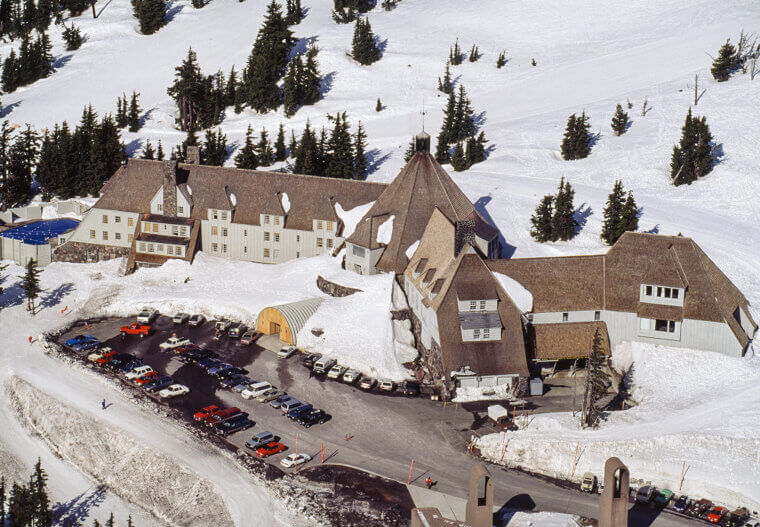
The lodge still operates as a full-service hotel today, allowing guests to experience the majestic isolation of the Pacific Northwest while reflecting on the intense performances that made the film a timeless staple of the thriller genre.
Somewhere in Time: The Timeless Grand Hotel on Mackinac Island, Michigan
Fans of this 1980 romantic cult classic often flock to Mackinac Island to relive the love story of Christopher Reeve and Jane Seymour. The Grand Hotel, with its world-record-length porch, served as the primary set for the film and has leaned into its cinematic history ever since. The hotel hosts annual "Somewhere in Time" weekends where guests dress in Edwardian costumes. Because the island bans motorized vehicles, the setting feels just as trapped in 1912 today as it did during filming, making it a perfect destination for those looking for a bit of old-world romance.
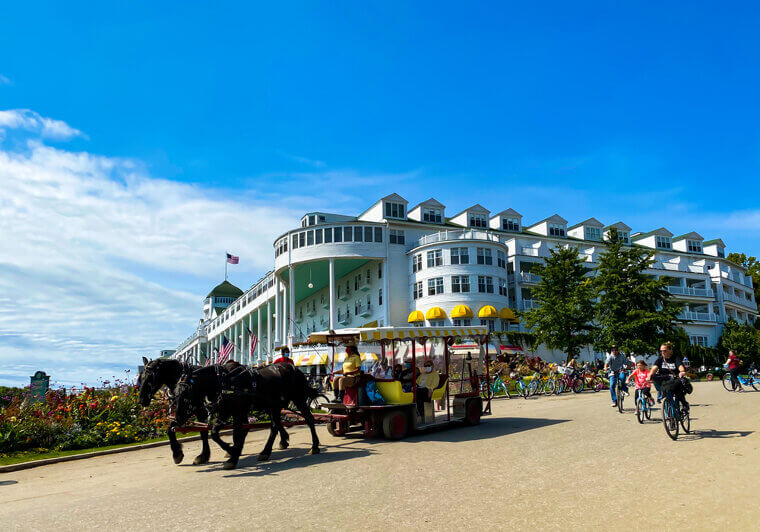
It is incredibly popular with our demographic because it celebrates a gentler era of storytelling and provides a beautiful, physical space where one can truly feel as though they have stepped through a portal into the past, away from modern stresses.
Forrest Gump: The Gentle Beauty of Chippewa Square in Savannah, Georgia
While the specific "bench" Forrest sat on was a prop now housed in a museum, the scenic square where he told his life story remains one of the most visited spots in the American South. Chippewa Square, with its towering oaks and Spanish moss, provided the quintessential backdrop for Forrest’s reflections on his "box of chocolates" life. The square is part of Savannah’s historic district and is meticulously preserved. Visitors often stand at the northern edge of the square to capture the exact angle seen in the film, proving that some movie magic is found in the atmosphere.
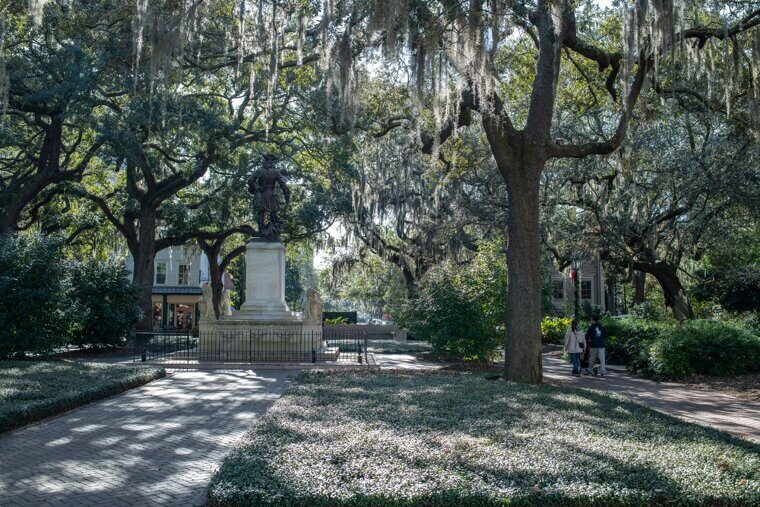
It remains a top-tier destination for movie buffs because it perfectly captures the nostalgic, sentimental spirit of 20th-century America. Standing there allows you to appreciate the quiet, historic charm that has made Savannah a favorite for filmmakers and travelers alike for generations.
Gladiator: The Ancient Sands of Ait Benhaddou, Morocco
This stunning UNESCO World Heritage site served as the backdrop for the gladiatorial training school in Ridley Scott’s Oscar-winning epic. The ancient earthen clay buildings and fortified walls provided an authentic texture that no CGI could replicate. Interestingly, this location has been used for dozens of films, including The Mummy and Kingdom of Heaven, due to its timeless appearance. It remains open to tourists who can hike through the narrow alleys and see where Russell Crowe’s character first began his journey toward the Colosseum, standing as a monument to both history and Hollywood.
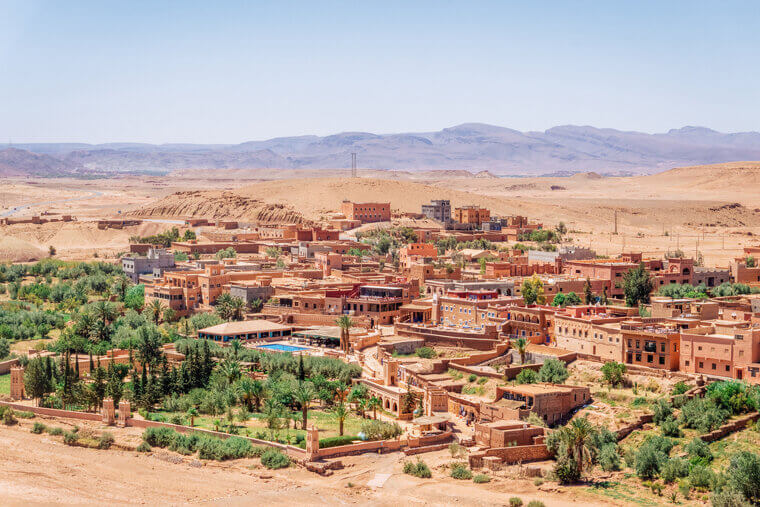
The site is a marvel of ancient engineering, and visiting it offers a unique perspective on how legendary directors utilize real-world historical architecture to ground their fictional epics in reality. It is a breathtaking stop for anyone who appreciates the grand scale of classical storytelling.
Popeye: The Whimsical Sweethaven Village in Mellieħa, Malta
Originally built as a massive, colorful set for the 1980 musical starring Robin Williams, "Popeye Village" was never torn down. The production team constructed nineteen wooden buildings using timber imported from Holland and Canada, creating a quirky, crooked town nestled in Anchor Bay. After filming, the locals realized the set was too charming to destroy, and it was converted into an open-air museum and theme park. It is a rare example of a "prop" town that has outlived its film’s initial reputation to become a beloved national landmark in its own right. Visitors can explore the houses, meet characters, and even participate in their own filming sessions.
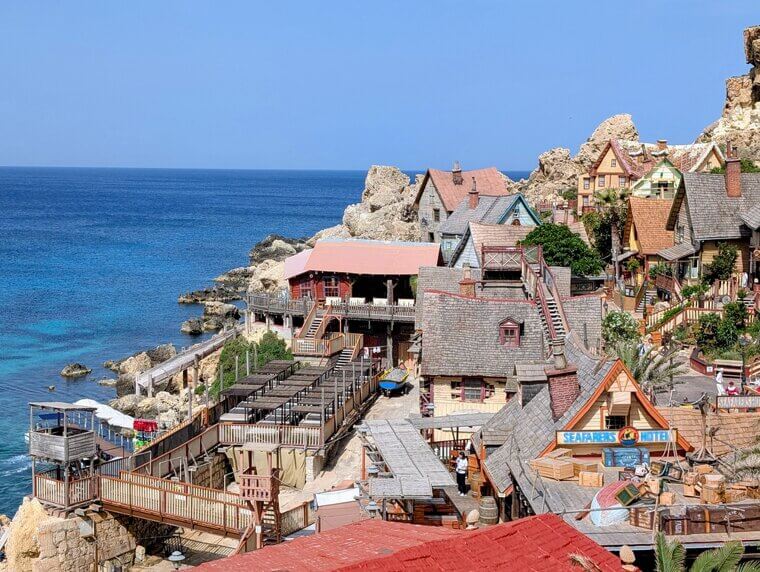
It remains iconic because it represents the sheer creativity of 1980s set design and provides a playful, nostalgic escape for fans of the late, great Robin Williams and the classic comic strip character.
Basic Instinct: The Breathtaking Coastline of Old Coast Road, Big Sur
The high-speed car chases and dramatic coastal views that defined this 1992 thriller were filmed along the rugged cliffs of Monterey and Big Sur. Specifically, the winding roads near Bixby Creek Bridge remain iconic for their sheer drop-offs and crashing waves. While the "house" from the film is a private residence, the surrounding parklands and overlooks are open to the public. This location is a favorite for travelers who want to experience the moody, dangerous beauty of Northern California that served as the perfect visual metaphor for the film’s tense plot.
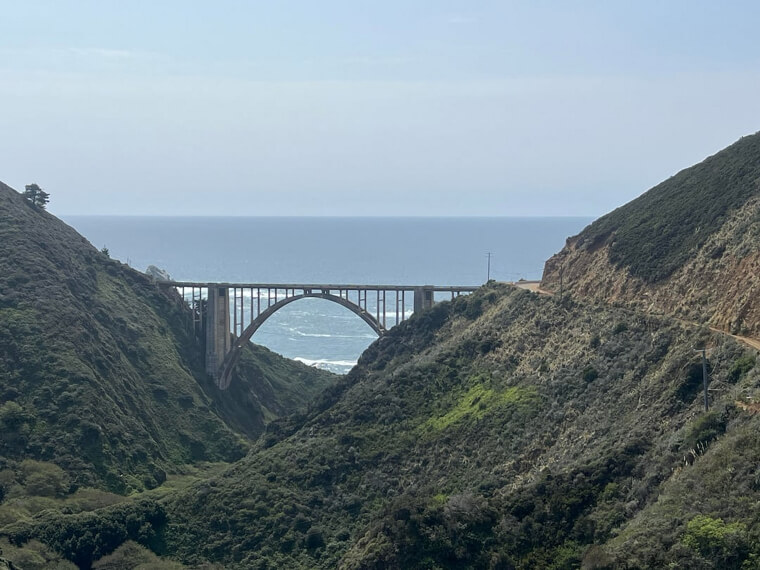
Driving this stretch of Highway 1 offers a sense of cinematic adventure, as the fog rolls over the cliffs just as it did on screen. It is an essential visit for those who appreciate how a natural landscape can become its own character in a suspenseful, well-crafted Hollywood mystery.
The Sound of Music: The Mirabell Gardens in Salzburg, Austria
"Do-Re-Mi" wouldn't be nearly as catchy without the Pegasus Fountain and the vine-covered tunnels of Mirabell Gardens. This 17th-century palace garden was the site of the most famous musical numbers in the 1965 classic. Today, the gardens are meticulously maintained in their original Baroque style, allowing fans to hop along the same steps as the von Trapp children. It remains a top destination for older travelers because of the film's enduring message of hope and the sheer, unadulterated beauty of the Austrian landscape that the movie showcased so brilliantly.
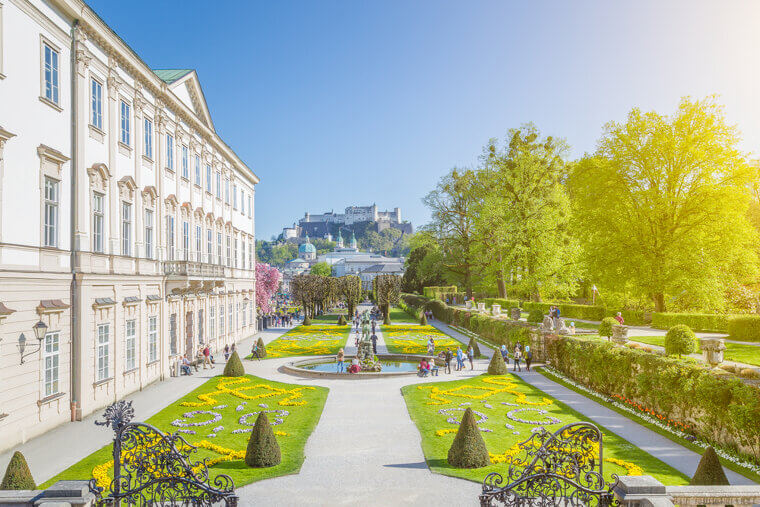
Walking through the gardens feels like stepping into a musical, with the Hohensalzburg Fortress looming in the background just as it did in the film. It is a beautifully preserved piece of history that continues to bring joy and song to millions of visitors every single year.
The Good, the Bad and the Ugly: The Sad Hill Cemetery in Burgos, Spain
For decades, the site of the final three-way standoff in Sergio Leone’s Western masterpiece was lost to nature, overgrown by shrubs and dirt. However, in 2015, a group of dedicated fans spent months unearthing the stone circle and thousands of "graves" to restore the set to its 1966 glory. Located in the Mirandilla Valley, the Sad Hill Cemetery is now a stunning monument to the "Spaghetti Western" genre. It is an iconic visit because it was built by the Spanish army for the film and represents the grand scale of 1960s international filmmaking.
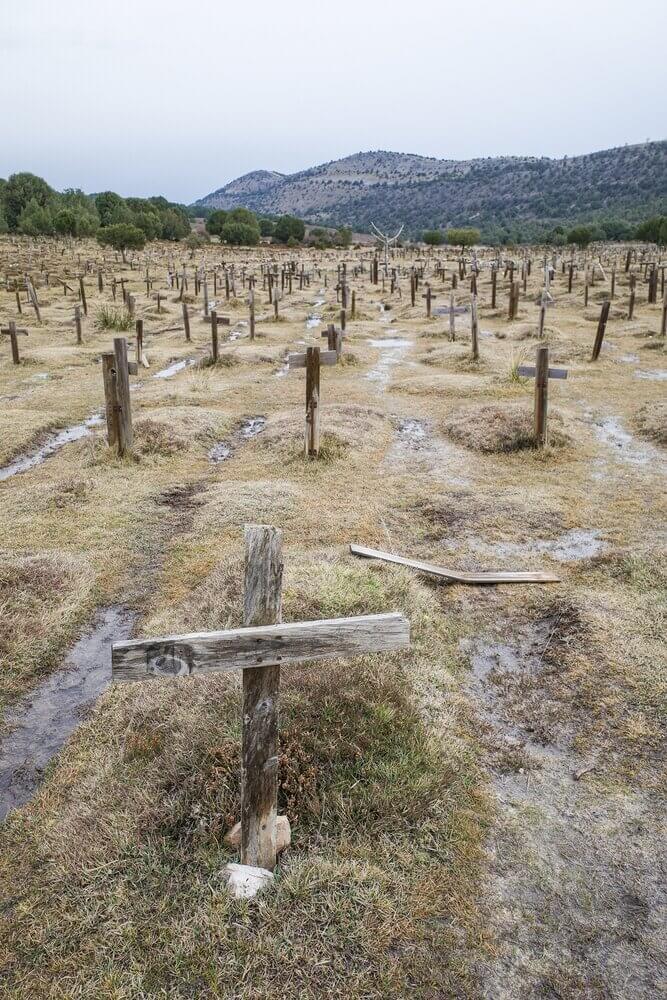
Visitors can now walk through the circular graveyard and stand in the center to reenact one of cinema's most tense finales. It is a powerful example of fan dedication and a must-see for anyone who loves the rugged, operatic style of classic Westerns.
Psycho: The Ominous Bates Motel at Universal Studios, California
The Bates Motel and the looming "Psycho House" are perhaps the most recognizable structures in cinematic history. While they are part of the Universal Studios backlot tour, they are actual standing sets that have been preserved for over sixty years. Seeing the house on the hill in person reveals how Alfred Hitchcock used forced perspective to make the building look more intimidating. It remains a staple of Hollywood tours because it represents the birth of the modern thriller and offers fans a chance to see the "mother" of all horror movie sets.
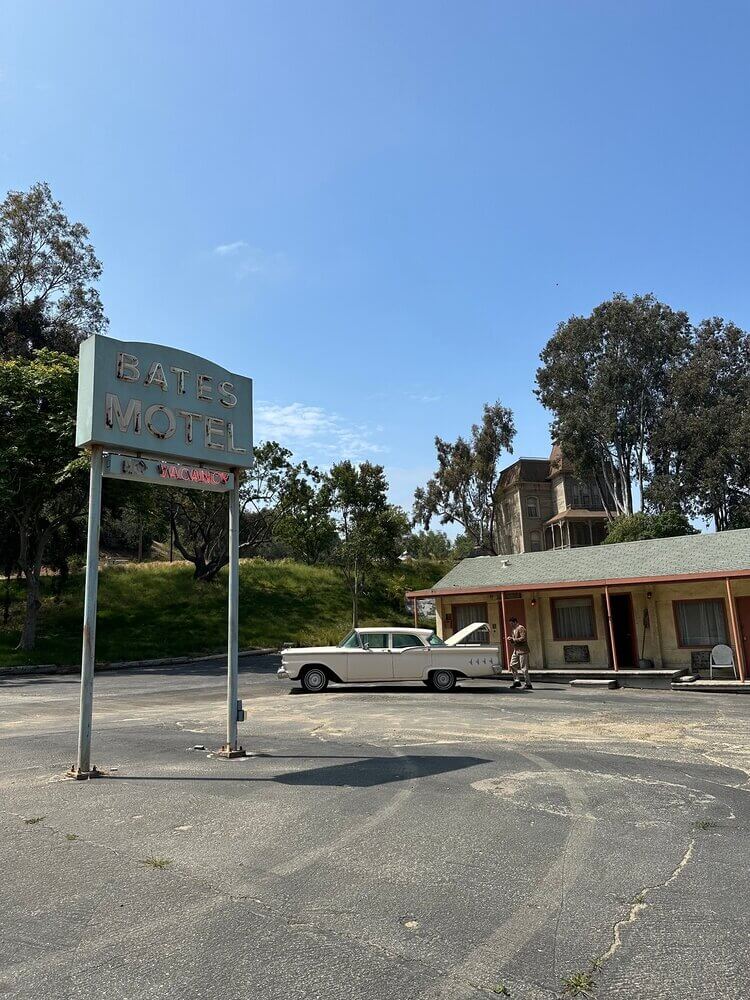
Standing in front of the motel office is a spine-tingling experience for any film buff, as it serves as a physical reminder of the director's genius in creating suspense through architecture. It is an essential stop for understanding how early Hollywood studio magic was crafted to terrify audiences for decades to come.
Lawrence of Arabia: The Vastness of Wadi Rum, Jordan
Peter O’Toole’s legendary performance was matched only by the staggering beauty of the Jordanian desert. The "Valley of the Moon," with its red sand and towering sandstone mountains, served as the primary filming location for this 1962 epic. Unlike a traditional set, this is a natural wonder that has remained unchanged for centuries. Visitors can take Jeep tours to see the specific rock formations where T.E. Lawrence reportedly led his desert campaigns. It is iconic because it captures the "epic" scale of filmmaking before the era of green screens and digital landscapes.
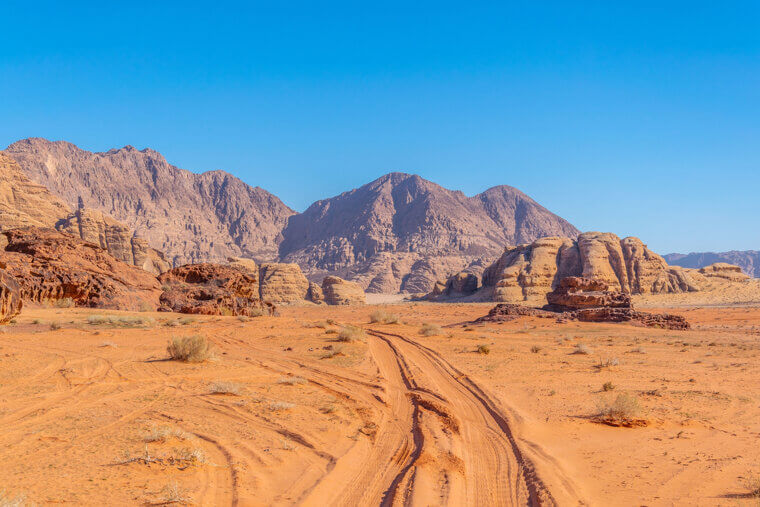
Watching the sunset over the same dunes seen in the film is a spiritual experience for movie lovers, offering a profound appreciation for the physical challenges and visual rewards of location filming on a grand, international scale. It remains a breathtaking testament to the golden age of cinema.
Indiana Jones and the Last Crusade: The Treasury at Petra, Jordan
The climax of Indiana Jones' search for the Holy Grail takes place at the "Canyon of the Crescent Moon," which is actually the ancient city of Petra. The moment the Al-Khazneh (The Treasury) is revealed through the narrow "Siq" gorge is one of the most breathtaking frames in cinema. This 2,000-year-old rock-cut temple is a UNESCO site and is perfectly preserved. It is a legendary destination for movie buffs because the film introduced the world to this architectural marvel, blending real-world archaeology with the thrill of Hollywood adventure.
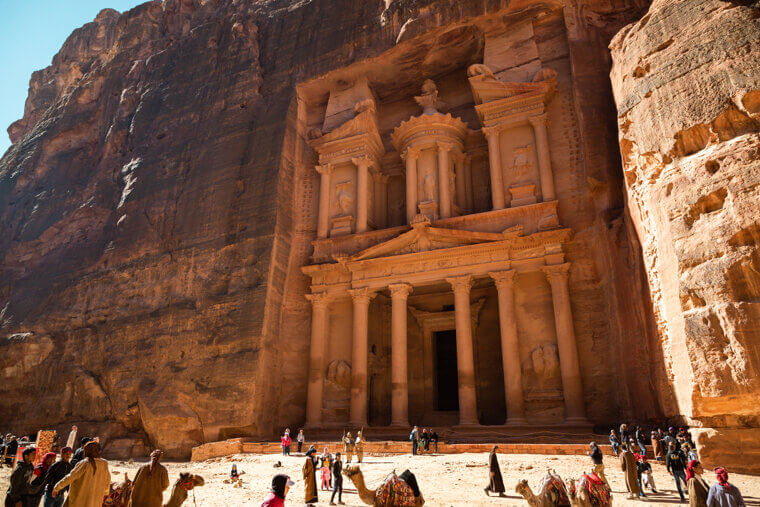
Visitors can walk the same dusty paths as Harrison Ford and Sean Connery, feeling the weight of history and the excitement of a classic quest. It is a destination that proves real life can be just as spectacular as the movies, provided you have a sense of adventure and a sturdy pair of walking shoes.
Rocky: The Triumphant "Rocky Steps" at the Philadelphia Museum of Art
While not a "set" in the traditional sense, the 72 stone steps leading up to the Philadelphia Museum of Art became a global symbol of perseverance thanks to Sylvester Stallone. The "Rocky" statue, originally a prop for Rocky III, now stands permanently at the bottom of the stairs. Millions of visitors each year make the climb to recreate the iconic victory pose. It remains a must-visit location because it represents the underdog spirit of the 1970s and has become an inseparable part of the city’s identity and film history.
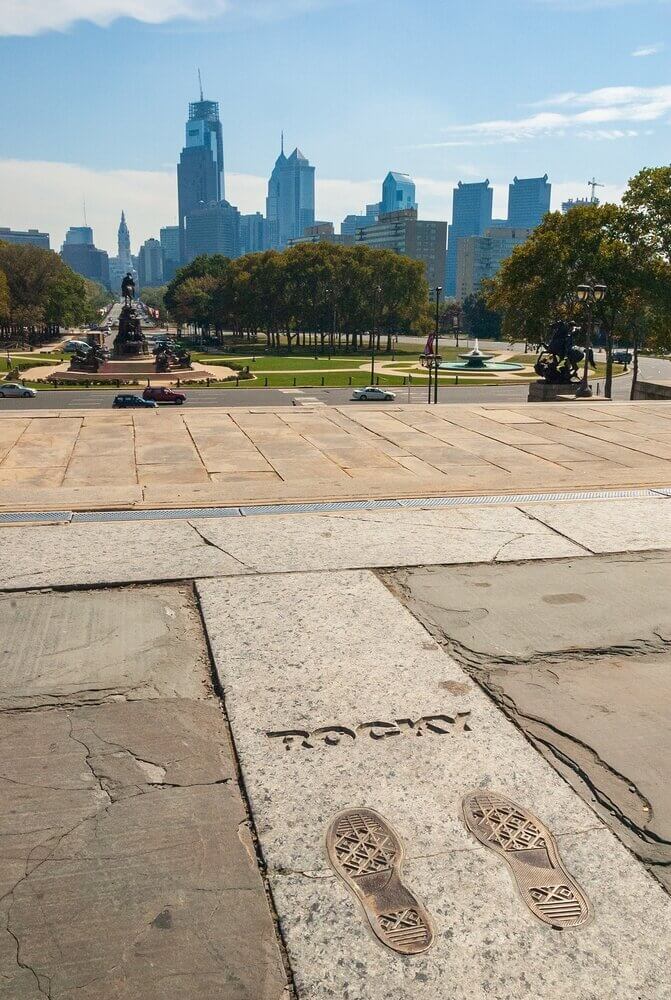
For many in our age group, this site is a powerful reminder of a character who proved that grit and heart are more important than winning. Reaching the top and looking out over the city skyline is a personal triumph for every fan who makes the journey, connecting them to the film’s enduring legacy.
A Christmas Story: The Ralphie Parker House in Cleveland, Ohio
The modest Victorian house where Ralphie dreamed of his Red Ryder BB gun is now a year-round museum dedicated to the 1983 holiday classic. After being sold on eBay, the house was meticulously restored to its exact on-screen appearance, right down to the "fra-gee-lay" leg lamp in the window. Visitors can tour the house, sit under the kitchen sink, and even stay overnight for the ultimate nostalgic experience. Its popularity among the 45-85 demographic stems from the film’s relatable portrayal of 1940s family life and the quirky traditions of the American holiday season.
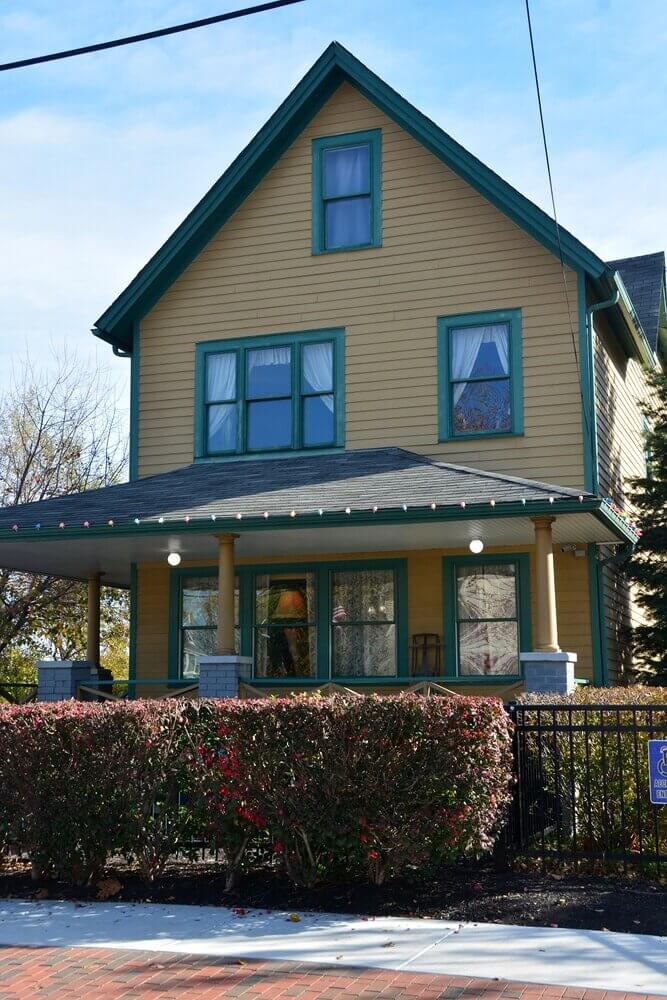
It is a wonderfully cozy destination that allows fans to step directly into their favorite childhood memories. The museum across the street also houses original costumes and props, making it a comprehensive celebration of a film that has become a mandatory part of many families' annual Christmas traditions and festive celebrations.
The Searchers: The Iconic Buttes of Monument Valley, Arizona/Utah
Director John Ford used Monument Valley so frequently that it became the definitive visual language for the American West. The towering red sandstone buttes seen in John Wayne’s The Searchers are still accessible via the Navajo Tribal Park. One specific overlook is even named "John Ford’s Point" because of how often the director placed his camera there. For fans of classic Westerns, this is the "holy grail" of locations, offering a timeless look at the rugged landscape that defined the Golden Age of Hollywood.
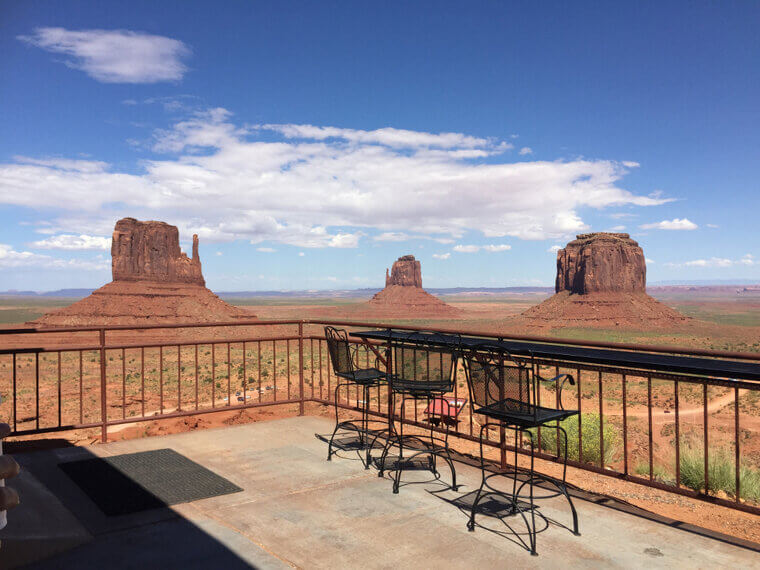
The valley remains largely untouched, allowing visitors to see the same horizon that John Wayne rode toward in the film’s heartbreaking final shot. It is an evocative destination that honors the history of the land and the legendary filmmakers who shared its beauty with the world, making it an essential stop on any cinematic road trip through the American heartland.
Casino Royale: The Lavish Villa Del Balbianello on Lake Como, Italy
When James Bond needed a place to recover from his injuries in the 2006 reboot, the producers chose this stunning 18th-century villa. Nestled on the edge of Lake Como, the villa’s terraced gardens and ornate balconies provided a backdrop of pure luxury. Interestingly, it also served as a filming location for Star Wars: Attack of the Clones. It remains open to the public, offering guided tours of the interiors and the perfectly manicured grounds. It is iconic for representing the sophisticated, high-stakes world of 007 that fans have loved for over sixty years.
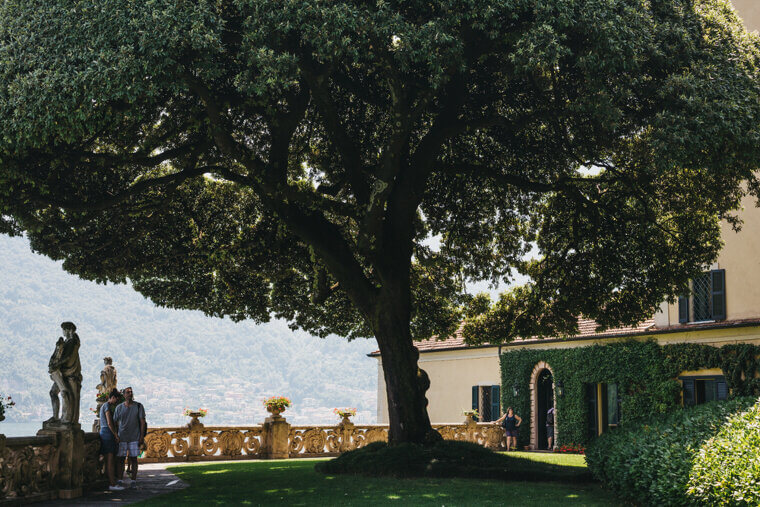
Walking through the loggia where Bond and Vesper Lynd shared their moments of peace is a truly glamorous experience. The villa’s location on the tip of a peninsula makes it feel like an exclusive retreat, perfectly capturing the elegance and international intrigue that have become hallmarks of the James Bond film franchise.
Mamma Mia!: The Sun-Drenched Island of Skopelos, Greece
The fictional island of Kalokairi is actually the stunning Greek island of Skopelos. The tiny Agios Ioannis Chapel, perched atop a steep rocky staircase, was the site of the film’s climactic wedding scene and remains a top destination for fans of the ABBA-infused musical. While the "Villa Donna" was a set built at Pinewood Studios, the island’s beaches and villages provided the vibrant, breezy atmosphere that made the film a global hit. It’s an iconic visit for those who want to experience the "joy of life" that the film so vibrantly celebrated.
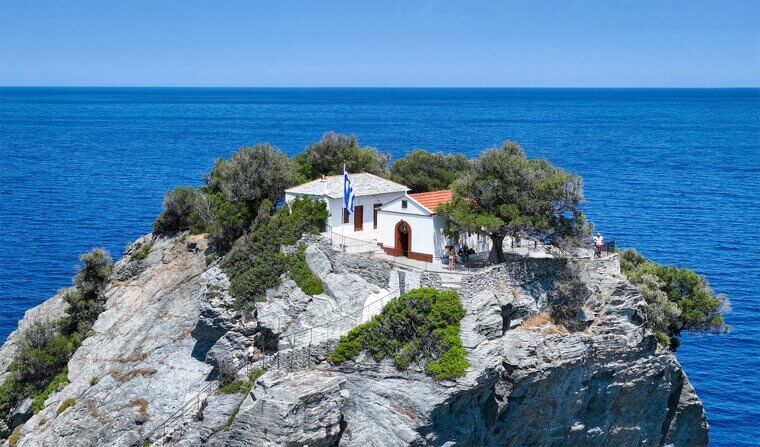
Visitors can wander the same whitewashed streets as Meryl Streep and enjoy the crystal-clear waters that provided the backdrop for the film's many song-and-dance numbers. It is a joyful, colorful destination that reminds us all that it’s never too late for a second chance at love, adventure, and perhaps a bit of singing in the sun.
Braveheart: The Rugged Beauty of the Glen Nevis Valley, Scotland
While much of Braveheart was surprisingly filmed in Ireland, the most iconic highland scenes were shot in the shadow of Ben Nevis, the UK's highest peak. The village of "Lanark" was constructed in the Glen Nevis valley, and though the wooden buildings are gone, the dramatic landscape remains the heart of the film’s visual identity. Hikers can still follow the "Braveheart Path" to see where Mel Gibson’s William Wallace fought for Scottish independence. It remains a legendary spot because it captures the raw, untamed spirit of the Scottish Highlands that continues to inspire travelers today.
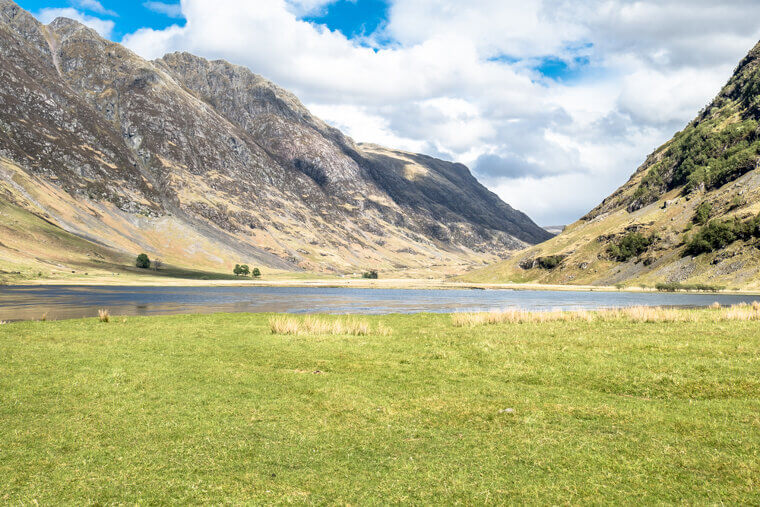
The sheer scale of the mountains and the rolling mist create a somber, epic atmosphere that brings the history of the 13th century to life. It is an essential visit for anyone who was moved by the film’s themes of freedom and courage, set against one of the world's most beautiful natural backdrops.
The Notebook: The Romantic Cypress Gardens at Charleston, South Carolina
The unforgettable scene where Noah takes Allie on a swan-filled boat ride was filmed at the Cypress Gardens in Moncks Corner. This blackwater cypress swamp, with its towering trees and reflections, looks exactly as it did in the 2004 romance. The gardens offer boat tours that follow the same path as the movie’s stars, allowing you to drift through the same serene, moss-covered landscape. This location is particularly popular with women in the 45-85 age group who appreciate the film’s sweeping, sentimental story and the ethereal, Southern Gothic beauty of the South Carolina lowcountry.
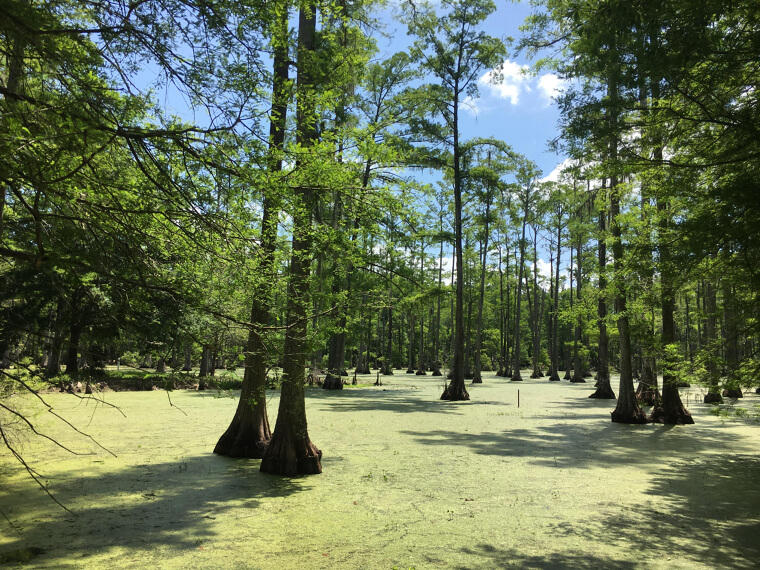
It is a peaceful, hauntingly beautiful place that perfectly encapsulates the film’s theme of enduring devotion. Standing among the cypress knees and the quiet waters, it is easy to see why this location was chosen to represent a love that could survive any storm, making it a truly romantic destination for film lovers.
Close Encounters of the Third Kind: The Alien Landing Site at Devils Tower, Wyoming
The first United States National Monument, Devils Tower, became a pop-culture icon after Steven Spielberg used it as the landing site for his benevolent aliens in 1977. The geological formation is so unique that it required very little "Hollywood dressing" to look like a place of cosmic importance. Visitors can hike the Tower Trail and look for the specific vantage points used in the film where the characters were drawn by their mysterious visions. It remains iconic because it perfectly blended real-world natural wonders with the imaginative possibilities of science fiction, making it a "must-see" for any film buff who remembers the awe of seeing the mothership descend.
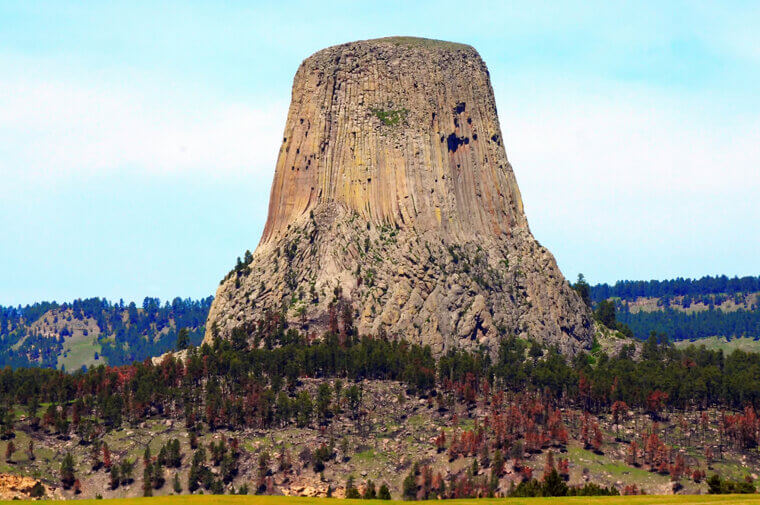
The site continues to be a place of wonder and mystery, reportedly attracting thousands of enthusiasts every year who hope to capture a bit of that cinematic magic under the vast, clear skies of the Wyoming wilderness.
The Bridges of Madison County: The Roseman Covered Bridge in Winterset, Iowa
Clint Eastwood and Meryl Streep brought Robert James Waller’s bestselling novel to life right in the heart of Iowa. The Roseman Covered Bridge, built in 1883, was the central meeting point for the two lovers and remains one of the few original covered bridges left in the state. It is meticulously preserved and open to the public, offering a quiet, romantic glimpse into the past. For many readers and viewers, visiting this bridge is a pilgrimage of the heart, representing a story of missed timing and enduring love that resonated deeply with audiences when it premiered in 1995.
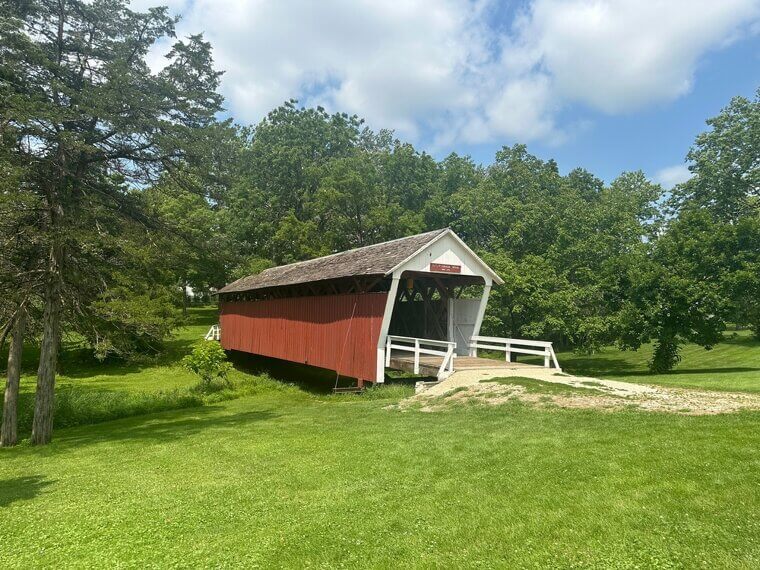
Standing on the worn wooden planks, you can almost hear the rustle of the wind and the echo of the film’s poignant dialogue. It is a beautifully simple location that reminds us how a single moment in a specific place can change a person's life forever, much like the story told in the film.
Butch Cassidy and the Sundance Kid: The Ghost Town of Grafton, Utah
The famous "Raindrops Keep Fallin' on My Head" bicycle scene was filmed in the historic ghost town of Grafton, just outside Zion National Park. The old wooden schoolhouse and rustic homes provided a genuine 1890s backdrop for Paul Newman and Robert Redford. Because the town is preserved as a historic site, it looks nearly identical to how it appeared in the 1969 film. It is a legendary destination because it captures the transition of the "Old West" into the modern era, a theme that the film explored with wit and style.
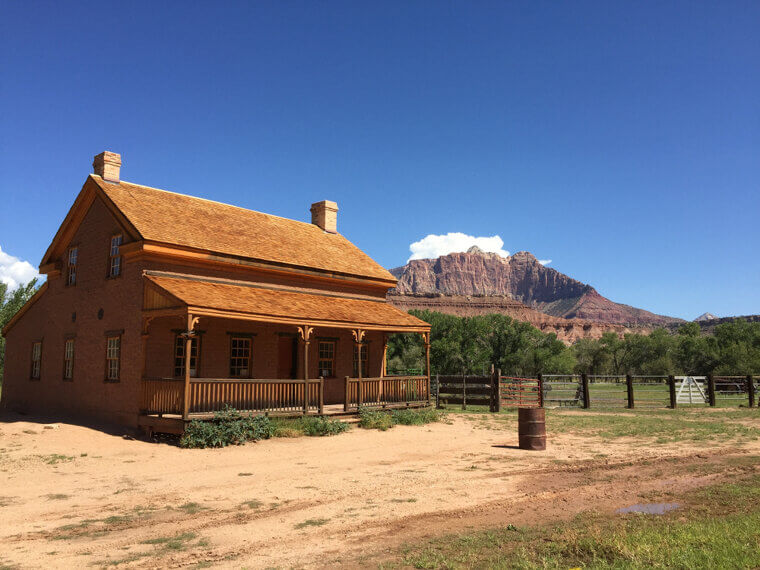
Walking through the empty town, you can feel the ghosts of the past and the charisma of the film’s leads. It remains a favorite for classic cinema fans who appreciate the mixture of humor and tragedy that defined the New Hollywood era. The town’s preservation ensures that this slice of Western movie history remains accessible for everyone to explore today.
Breakfast at Tiffany’s: The Elegant Tiffany & Co. On Fifth Avenue, NYC
While technically a retail store, the exterior and interior of Tiffany & Co. served as the most important "set" in the 1961 Audrey Hepburn classic. The opening shot of Holly Golightly eating a pastry while gazing into the window is one of the most famous frames in history. Today, fans can even enjoy "Breakfast at Tiffany’s" in the Blue Box Cafe inside the store, surrounded by the brand's signature robin's-egg blue. It remains a top-tier destination for movie lovers because it represents the timeless glamour and sophistication of New York City that Hepburn embodied so perfectly.
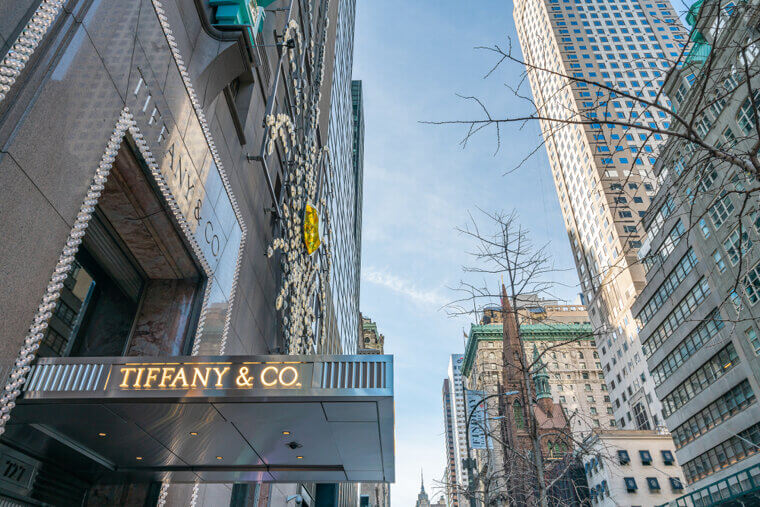
Visiting the store allows you to experience a piece of high-fashion history while celebrating the enduring legacy of a film that redefined the romantic comedy. It is an essential stop for anyone who wants to feel a bit of Holly Golightly’s magic while browsing the legendary jewelry displays that have graced the silver screen for decades.
The Shawshank Redemption: The Imposing Ohio State Reformatory in Mansfield, Ohio
The fictional Shawshank Prison is actually the Ohio State Reformatory, a massive Gothic-style prison that was closed in 1990. Instead of being demolished, it was turned into a museum where fans can take "Shawshank Tours" to see the warden’s office, the tunnel Andy crawled through, and the room where Brooks was "here." The site is remarkably well-preserved and offers a chillingly authentic look at the film’s setting. It remains iconic because the movie is widely considered one of the greatest films ever made, and the building itself is an architectural marvel.
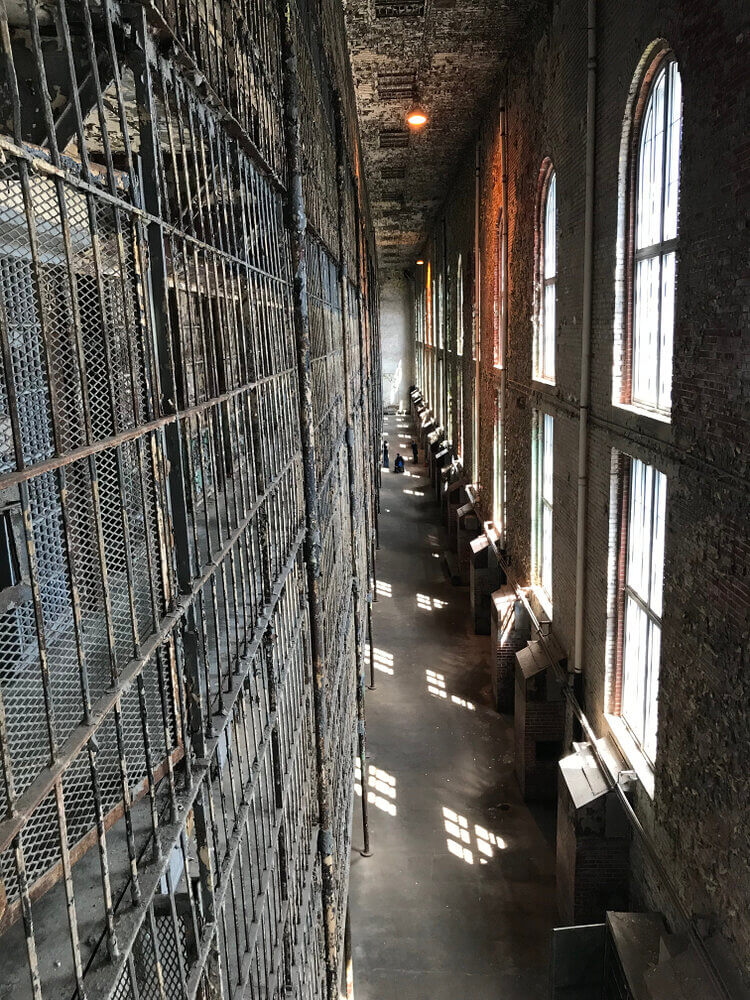
Walking through the cell blocks provides a deep sense of the film’s themes of hope and friendship in the face of adversity. It is a powerful, emotional visit that allows fans to connect with the characters' journey in a way that few other movie locations can offer, making it a cornerstone of cinematic tourism in the American Midwest.
Gone With the Wind: The Historic Twelve Oaks at the Twelve Oaks Bed & Breakfast, Georgia
While the O'Hara estate of "Tara" was unfortunately a facade on a Hollywood backlot, the inspiration and some filming for the "Twelve Oaks" estate took place at this grand Antebellum mansion in Covington, Georgia. The house features the massive columns and sweeping staircases that defined the Southern grandeur of the 1939 epic. It has since been meticulously restored and operates as a luxury bed and breakfast, allowing guests to stay in rooms named after the film's characters.
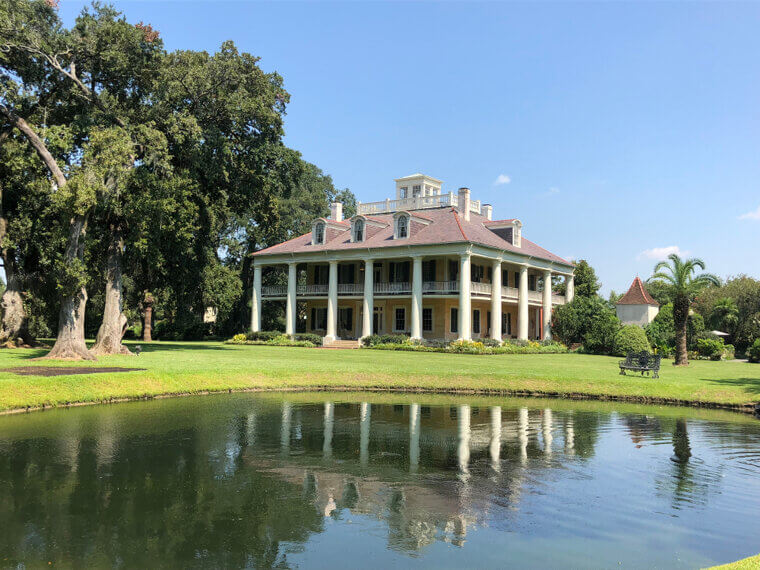
It is a favorite for fans of classic cinema who want to step back into the world of Scarlett O’Hara and experience the elegance of the Old South in person. The mansion reportedly served as the visual blueprint for the Wilkes family home, and standing on its porch allows you to feel the weight of film history and the enduring legacy of a story that has captivated audiences for over eighty years.
To Catch a Thief: The Glamorous Promenade Des Anglais in Nice, France
Alfred Hitchcock’s 1955 romantic thriller showcased the French Riviera in a way that made every viewer want to book a flight immediately. The Promenade des Anglais, with its iconic blue chairs and palm trees, was the site of several key scenes featuring Cary Grant and Grace Kelly. The location remains the height of European luxury and looks very much as it did seventy years ago. For fans of classic Hollywood glamour, walking this promenade is like stepping into a postcard from the most elegant era of filmmaking.
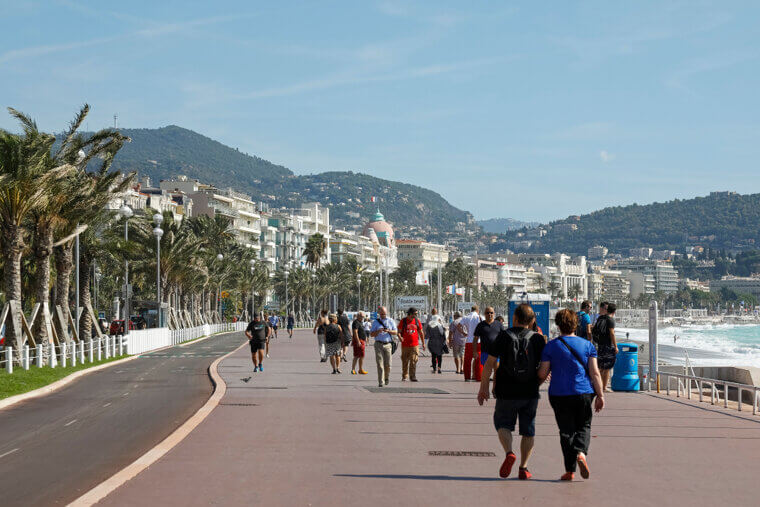
The sparkling Mediterranean Sea and the grand hotels that line the walk provide a backdrop of pure sophistication. It is an essential destination for those who appreciate the suave, effortless style of 1950s cinema and wish to experience the same sun-drenched beauty that Hitchcock captured so perfectly. It remains a timeless symbol of the jet-set lifestyle and the allure of the Cote d'Azur.
The Great Gatsby: The Gold Coast Mansions of Long Island, New York
While the most recent Gatsby film used a lot of digital sets, the 1974 version starring Robert Redford was filmed at the stunning Oheka Castle and Old Westbury Gardens. These "Gilded Age" estates provided the real-world scale and opulence required for F. Scott Fitzgerald’s story. Visitors can tour the gardens and the mansion interiors, which have been preserved as historic landmarks of American wealth. They remain iconic because they represent a bygone era of prosperity and the literary history that Hollywood has returned to time and time again.
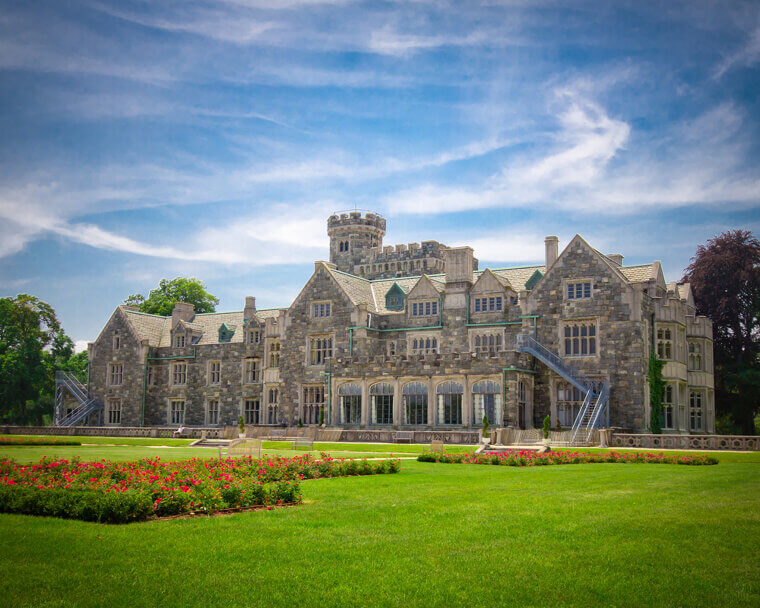
Walking through the manicured lawns of Old Westbury Gardens, you can easily imagine Jay Gatsby’s lavish parties and the tragic romance at the heart of the tale. It is a beautiful, evocative trip into the Roaring Twenties that celebrates the intersection of classic American literature and the grand traditions of Hollywood costume drama, making it a must-visit for any fan of the era.
The Best Years of Our Lives: The Nostalgic Streets of Boone, North Carolina
This 1946 Best Picture winner captured the heart of post-war America, and while much was filmed in studios, the "small town" feel was modeled after the Appalachian beauty of the Carolinas. Specifically, the historic buildings and mountain views around Boone provided the inspiration for "Boone City" in the film. Today, the area retains its charming, mid-century atmosphere, with its brick storefronts and welcoming community spirit. It is a legendary destination for older audiences who appreciate the film’s honest portrayal of veterans returning home and the enduring strength of the American community during the mid-20th century.
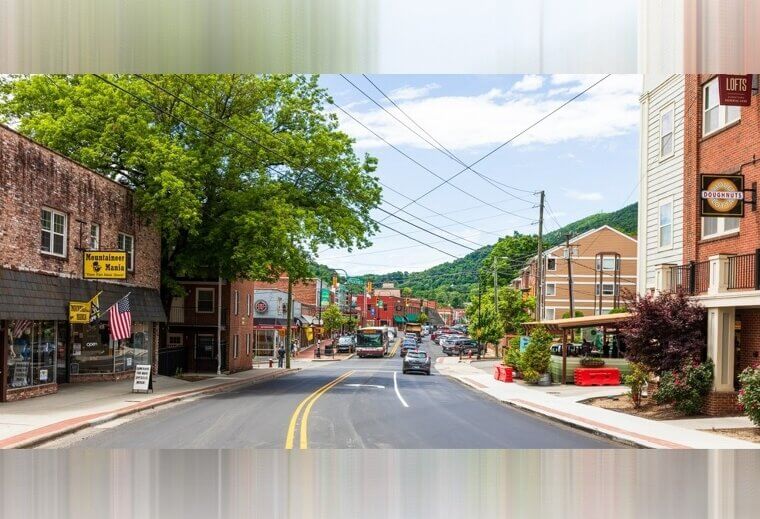
Visiting Boone allows you to step into a slice of Americana that feels both timeless and deeply connected to the cinematic history of the 1940s. It is a peaceful, reflective location that honors the resilience and character of a generation that shaped the world we live in today, all set against a beautiful mountain backdrop.
The Wizard of Oz: The Tribute Set at the Judy Garland Museum, Minnesota
While the original 1939 sets were unfortunately destroyed or lost over time, the Judy Garland Museum in Grand Rapids has meticulously recreated the "Yellow Brick Road" and the "Munchkinland" sets using original blueprints and period materials. This is the ultimate tribute to the film that every child of the 40s and 50s grew up loving. The museum is located in Garland’s childhood home and features an extensive collection of props and costumes, including a pair of those famous ruby slippers. It remains iconic because it preserves the magic of Hollywood’s Golden Age for new generations to experience first-hand.
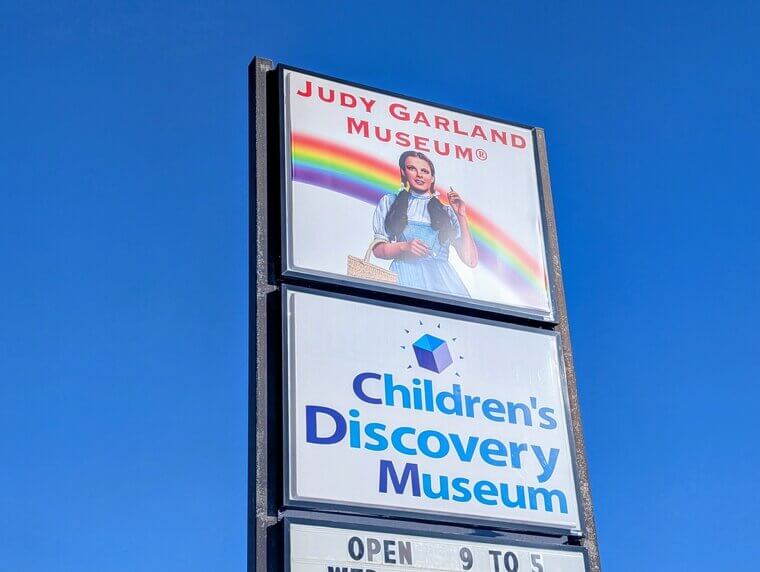
Walking down the Yellow Brick Road in the museum provides a sense of wonder and nostalgia that connects visitors to their earliest memories of cinematic magic. It is a joyful, heartwarming destination that celebrates the life of a legendary performer and the timeless story that taught us all there truly is "no place like home."