
The Givenchy Little Black Dress: A $923,000 Masterpiece of Refinement From "Breakfast at Tiffany’s"
When Audrey Hepburn stepped out of a yellow cab in Breakfast at Tiffany’s, she didn't just start a movie; she launched a thousand wardrobes. Designed by Hubert de Givenchy, this floor-length satin gown is the definitive "Little Black Dress." Its architectural back and sleeveless silhouette emphasized Hepburn’s grace, making it a symbol of urban sophistication. In 2026, we see this influence in the "quiet luxury" movement.
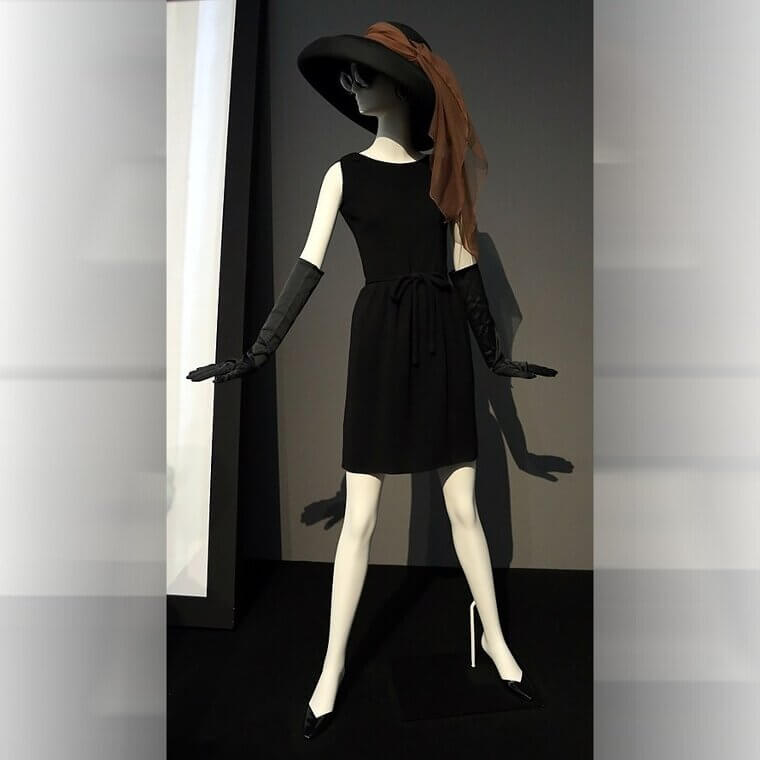
High-quality black silk and minimalist cuts prioritize silhouette over logos. This dress sold at auction for nearly $1 million, proving that true elegance never depreciates in value or cultural relevance.
Marilyn Monroe’s Subway Dress in "The Seven Year Itch": The $5.6 Million Icon of Kinetic Glamour
William Travilla’s ivory pleated halter dress from The Seven Year Itch is perhaps the most famous garment in cinematic history. The way the light-as-air rayon-acetate fabric reacted to the breeze of a passing subway train created an image that defines 1950s Hollywood. While it was once rumored to have changed color to ecru due to age, careful preservation has kept its legendary status intact.
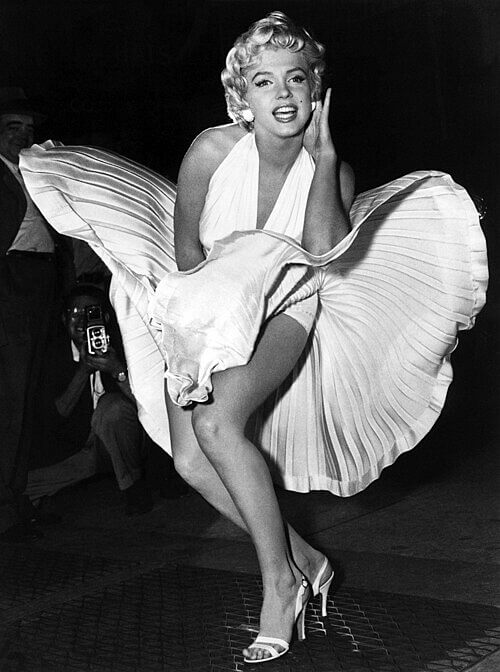
Today, the 2026 fashion scene embraces its "accordion pleat" style in flowing midi-skirts, offering a playful yet polished femininity that mirrors Marilyn’s effortless charm and the era’s bold spirit.
Judy Garland’s Ruby Slippers: The $32.5 Million Path to Technicolor Magic
These aren't just shoes; they are the ultimate symbol of cinematic wonder. Adorned with roughly 2,300 sequins each, the slippers were changed from silver to ruby to pop against the new Technicolor technology of 1939. Their recent record-breaking sale at auction highlights their status as the world’s most valuable film memorabilia. In 2026, the "ruby red" trend has dominated footwear, with designers drawing inspiration from the slippers' deep, shimmering hue.
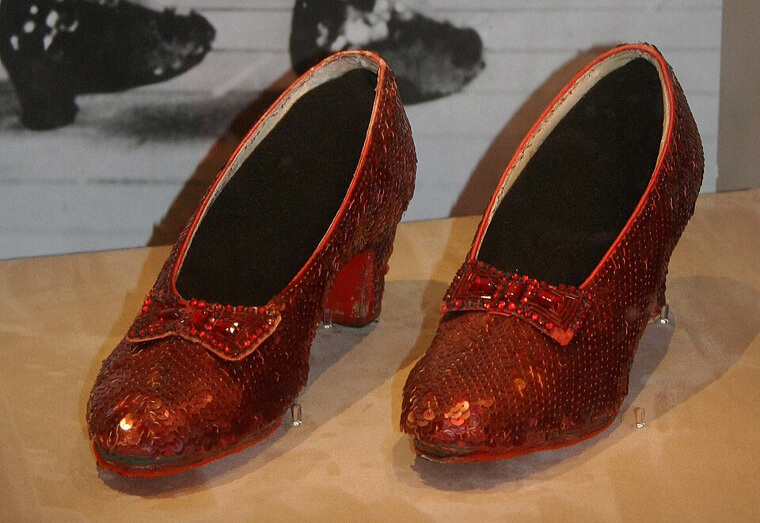
They represent the lasting emotional connection we have with home and the magical storytelling that only the golden age of Hollywood could provide.
Diane Keaton’s "Annie Hall" Waistcoat: The Gender-Bending $15,000 Style Revolution
Diane Keaton reportedly brought much of her own wardrobe to the set of Annie Hall, blending masculine tailoring with whimsical feminine energy. The combination of a Ralph Lauren tie, a button-down shirt, and a structured waistcoat challenged traditional gender norms in 1977. This look is the blueprint for the 2026 "soft power" capsule wardrobe, which favors vests worn as tops and oversized blazers. She chose comfort and character over tight silhouettes,
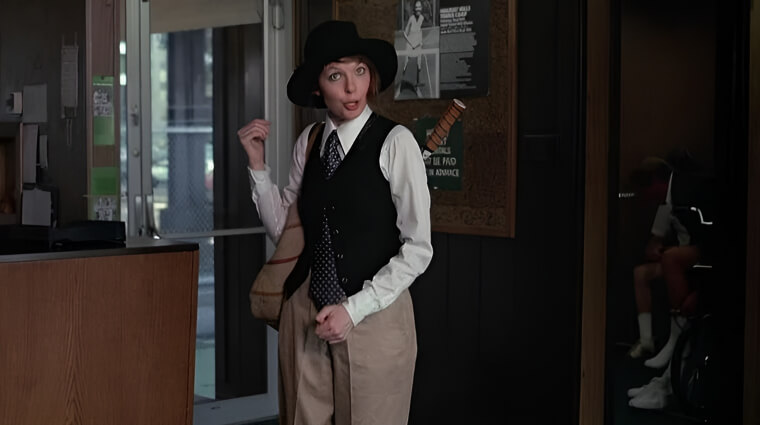
Keaton’s style remains a beacon for women who value individuality, proving that a well-tailored vest is a timeless investment.
Humphrey Bogart’s Aquascutum Trench: The $100,000 Uniform of Mystery in "Casablanca"
In the misty finale of Casablanca, Humphrey Bogart’s Rick Blaine made the trench coat the official uniform of the brooding leading man. Originally designed for military utility in the trenches of World War I, Bogart transformed it into a symbol of moral ambiguity and world-weary romanticism. In 2026, the trench has seen a massive resurgence as the ultimate transitional piece, favored for its versatility and "quiet luxury" undertones.
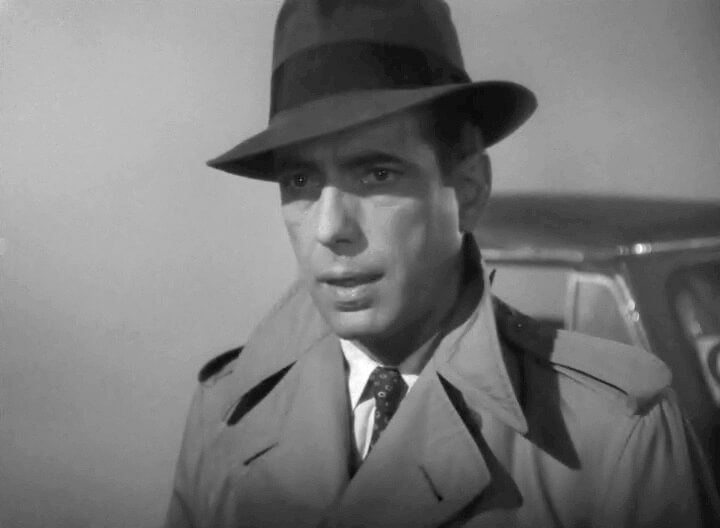
Whether worn open or belted tightly, Bogart’s coat reminds us that functional clothing can be incredibly stylish when paired with the right amount of grit.
Olivia Newton-John’s "Bad Sandy" Leathers on "Grease": The $405,700 Transformation
The black spandex trousers and leather jacket from the finale of Grease represent one of the most shocking and celebrated character arcs in film. Olivia Newton-John famously had to be sewn into the vintage 1950s pants because the zipper was broken and the fit was so tight. This outfit sold for over $400,000 to benefit cancer research, cementing its status as a philanthropic powerhouse.
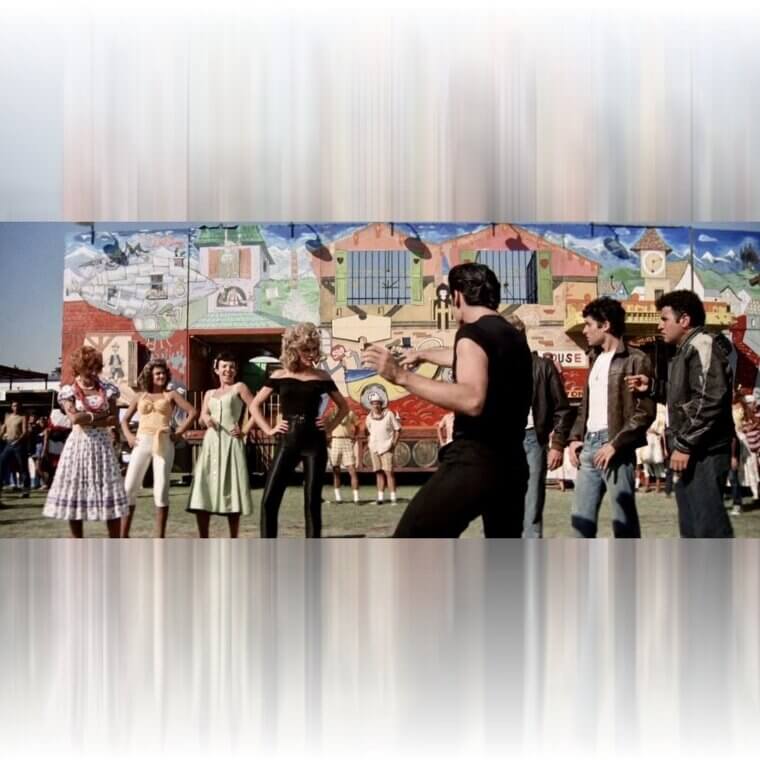
Today, the "all-black leather" look is a staple for the 2026 "edgy-classic" aesthetic, proving that a great leather jacket is an essential piece of armor for any woman.
Vivien Leigh’s Green Curtain Dress: The $137,000 Symbol of Survival in "Gone With the Wind"
Designed by Walter Plunkett for Gone with the Wind, this dress was literally made from heavy velvet curtains to show Scarlett O'Hara’s desperation and resourcefulness during the Civil War. The deep moss-green hue and gold fringe were intended to look slightly DIY yet regal. Preservationists at the Harry Ransom Center have spent hundreds of hours stabilizing the heavy fabric. In 2026, we see this "repurposed luxury" trend in high fashion.
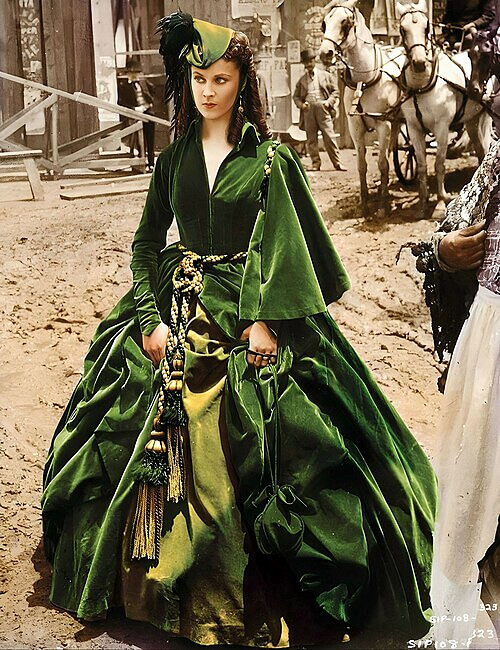
The velvet textures and earthy jewel tones are used to convey a sense of strength and historical depth in modern evening wear.
James Dean’s Red Windbreaker: The $600,000 Jacket of Teenage Rebellion for "Rebel Without a Cause"
In Rebel Without a Cause, James Dean’s bright red nylon jacket became the visual shorthand for youthful angst. Chosen by director Nicholas Ray to pop against the blue jeans and white t-shirt, the jacket was a departure from the drab suits of the older generation. This piece fundamentally changed how men dressed, ushering in the era of casual cool. In 2026, the "bomber" and "windbreaker" silhouettes are back in a big way.
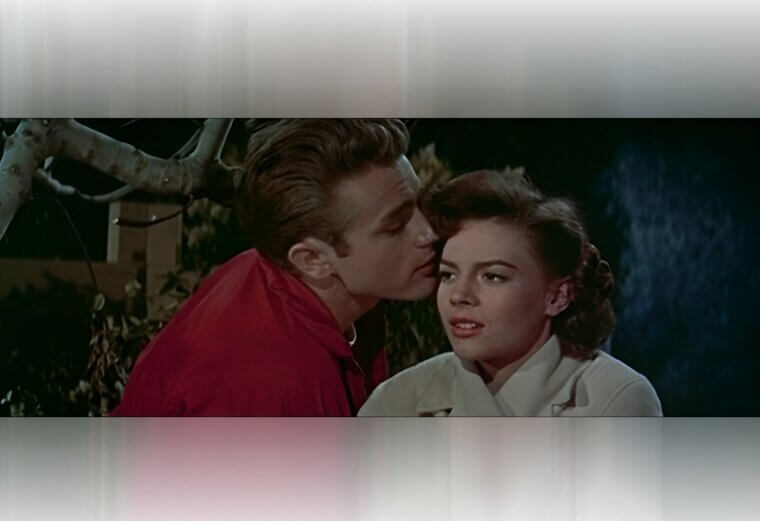
These pieces are often rendered in premium tech-fabrics that offer a nod to Dean’s iconic, effortless style while providing modern-day durability.
Harrison Ford’s "Indiana Jones" Fedora: The $630,000 Crown of Adventure
The wide-brimmed sable-colored fedora worn by Harrison Ford in The Temple of Doom is more than a hat; it’s a character in its own right. Designed to stay on during high-speed chases (sometimes with the help of staples!), it gave Indy his unmistakable silhouette. One of these screen-matched hats recently fetched over $600,000 at auction. In the 2026 fashion world, high-quality felt hats have become the "it" accessory for those seeking a touch of rugged elegance.
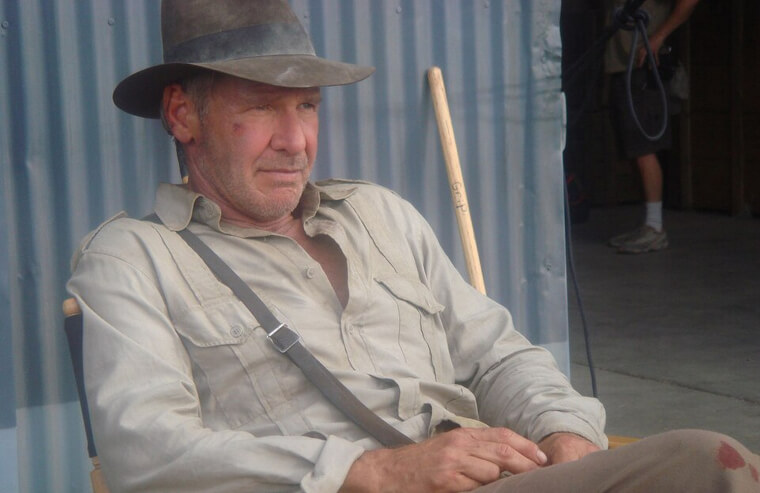
The fedora’s lasting influence lies in its ability to make any outfit feel like the start of a journey.
Elizabeth Taylor’s "Cleopatra" Headdress: The $60,000 Golden Standard
The 1963 film Cleopatra was famous for its astronomical budget, much of which went into Elizabeth Taylor’s 65 costume changes. The 24-karat gold-plated "Phoenix" headdress is a masterpiece of costume design, featuring thousands of hand-sewn beads. It helped define the "Egyptian Revival" look of the 1960s. Today, in 2026, we see its influence in the trend of "maximalist jewelry," where bold, gold statement pieces are used to elevate simple, monochromatic outfits.
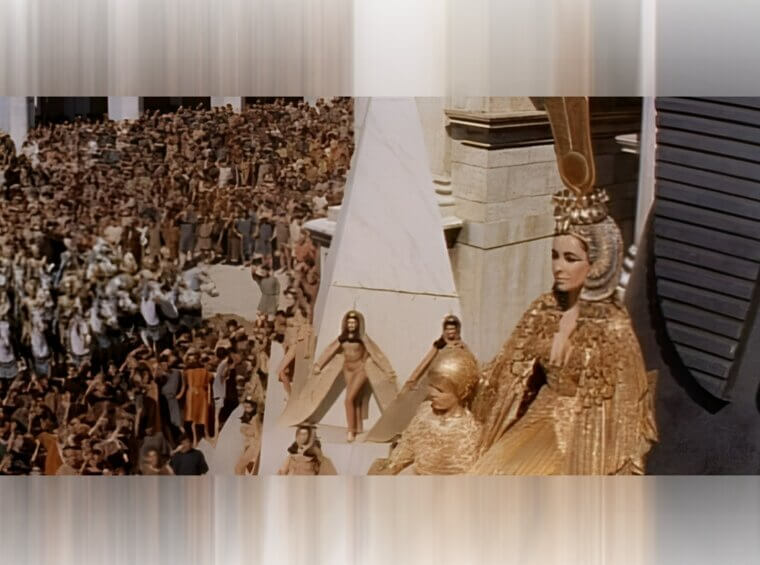
It remains a testament to Taylor’s status as Hollywood royalty and the power of over-the-top, unapologetic glamour.
Grace Kelly’s Hitchcockian Silk Gown in "Rear Window": A $50,000 Study in Frozen Fire
In Rear Window, Grace Kelly played Lisa Fremont, a woman who "never wears the same dress twice." Her black-and-white tulle gown, with its deep V-neck and floral appliqué, is the epitome of 1950s "New Look" elegance. Designed by Edith Head, the dress was meant to look like it cost a fortune, cementing Kelly's image as a sophisticated socialite. In 2026, this style of "cinched waist and full skirt" is a favorite for formal events.
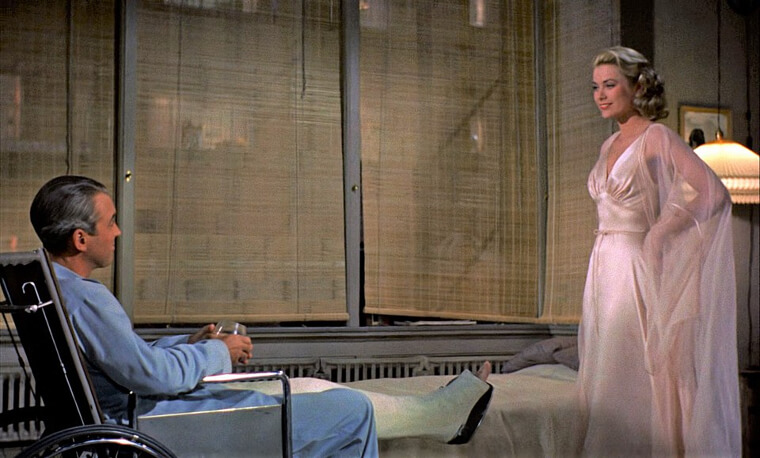
It offers a timeless femininity that balances modesty with high-fashion drama and an aura of refined, quiet luxury.
Rita Hayworth’s "Gilda" Satin Gown in "Put the Blame on Mame": The $160,000 Silhouette of a Siren
Jean Louis designed the black Jean-Satin strapless gown that Rita Hayworth wore for her legendary "Put the Blame on Mame" performance. The dress featured an internal harness to keep it in place, allowing Hayworth to move with incredible fluidity. This gown defined the "femme fatale" aesthetic of 1940s film noir. In 2026, the "sculpted column dress" has become a red-carpet staple, with modern designers using internal corsetry to mimic the sleek, dangerous elegance that Hayworth pioneered.
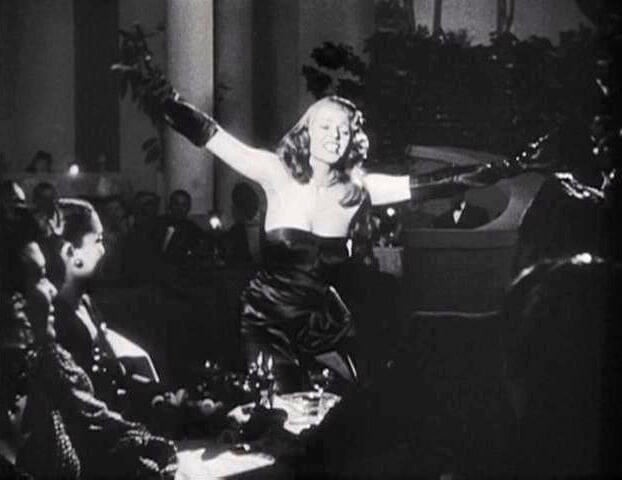
It remains a masterclass in how a single garment can capture an entire mood and it's easy to see why it's gone down in Hollywood history.
Steve McQueen’s "Bullitt" Turtleneck: The $20,000 Blueprint for Cool
In the 1968 classic Bullitt, Steve McQueen paired a navy blue turtleneck with a tweed sport coat and dark slacks. This outfit became the definitive "detective" look, moving away from the Fedora-and-Trench era into something more modern and athletic. McQueen’s ability to look tough yet refined in a knit sweater changed men's fashion forever. In 2026, the "tonal turtleneck" is the cornerstone of the minimalist male wardrobe.
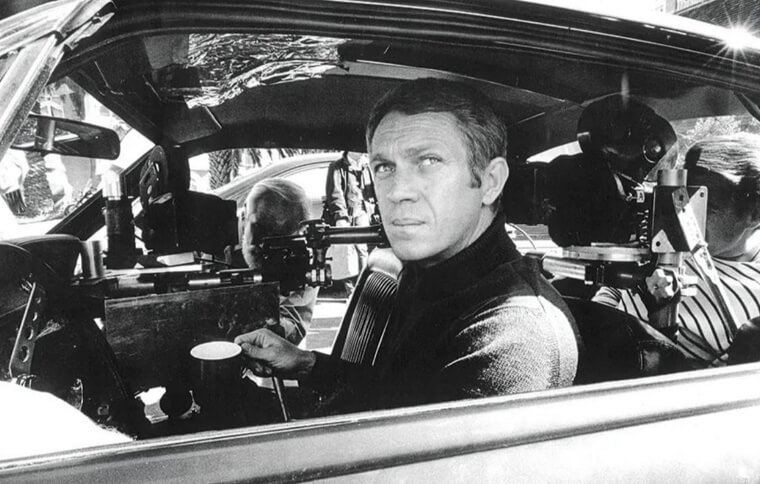
It's favored by tech moguls and actors alike for its ability to look professional without the stiffness of a traditional suit and tie.
Dorothy Dandridge’s "Carmen Jones" Skirt: The $25,000 Burst of Color
Dorothy Dandridge made history in Carmen Jones, and her vibrant red-and-orange wrap skirt and black off-the-shoulder top became an instant sensation. This look emphasized her charisma and broke through the monochromatic barriers of the time. The outfit is a celebration of bold, expressive color. In 2026, we are seeing a "Dandridge Revival" in resort wear, with high-contrast floral prints and wrap-style silhouettes dominating summer collections.
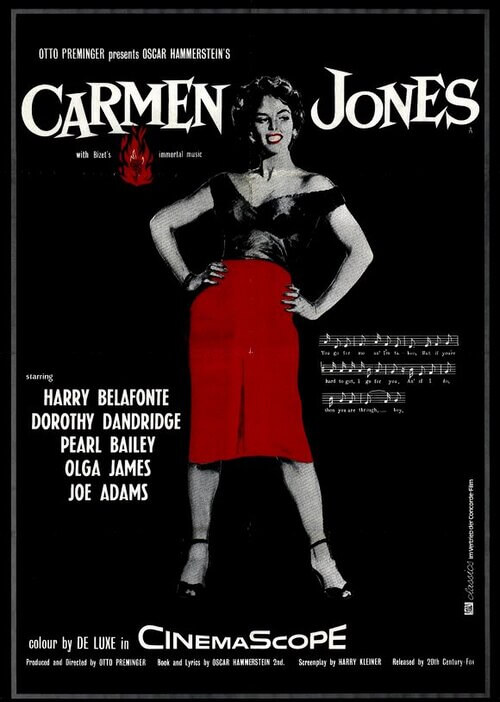
It reminds us that Hollywood glamour isn't just about diamonds; it's about the confidence to wear color with pride and a sense of theatricality.
John Travolta’s "Saturday Night Fever" Suit: The $145,000 Polyester King
The three-piece white suit worn by Tony Manero is the ultimate symbol of the disco era. Interestingly, the suit was off-the-rack and made of cheap polyester, yet Travolta’s performance turned it into an icon of aspiration and style. It sold at auction for nearly $150,000, proving that cultural impact outweighs fabric cost. In 2026, we see a "Disco-Minimalism" trend, where the sharp lapels and flared trousers of the 70s are being reimagined in luxurious linens and silks.
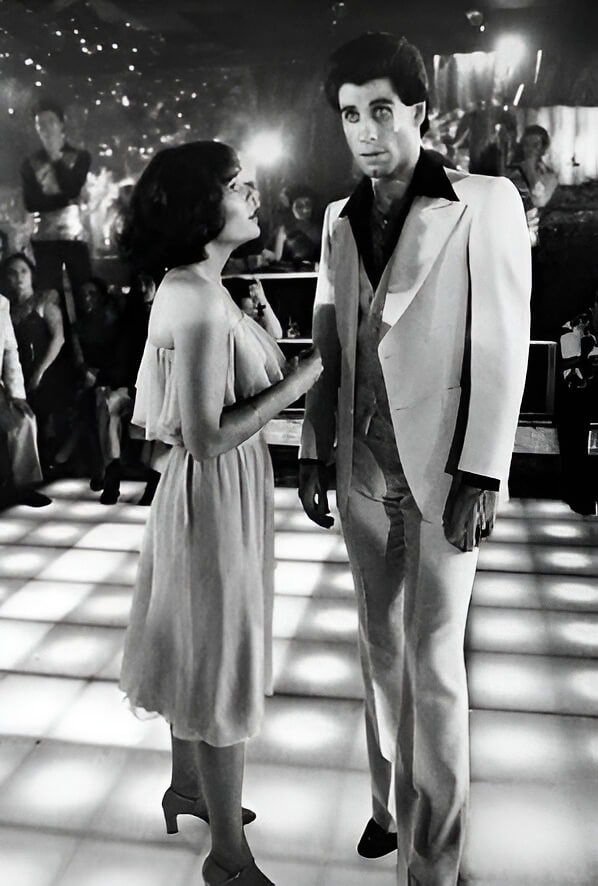
This evolution offers a more breathable, modern take on the high-energy dance floor aesthetic and people seem to be loving it.
Katharine Hepburn’s Wide-Leg Trousers in "The Philadelphia Story": The $12,000 Freedom Suit
Long before it was socially acceptable for women to wear pants, Katharine Hepburn was doing it with defiance and grace. Her high-waisted, wide-leg trousers from films like The Philadelphia Story were a radical departure from the restrictive dresses of the 1940s. Hepburn reportedly preferred the freedom of movement they provided. In 2026, "The Hepburn Pant" is the gold standard for professional women, offering a silhouette that is both commanding and comfortable.
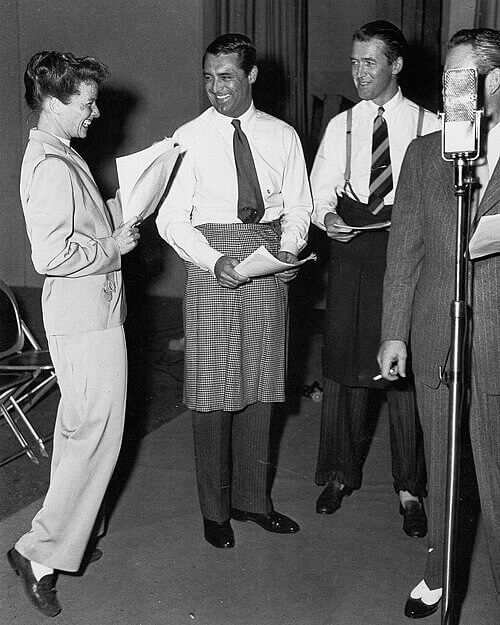
It represents the lasting legacy of a woman who refused to fit into a mold, literally and figuratively.
Burt Reynolds’ "Deliverance" Vest: The $10,000 Macho Icon
The sleeveless black leather vest worn by Burt Reynolds in Deliverance became a symbol of 1970s rugged masculinity. It was a utilitarian piece that showcased his physicality and the "survivalist" theme of the film. While seemingly simple, it contributed to the "outdoorsman" aesthetic that took over men's fashion in the subsequent decade. In 2026, this influence is seen in "gorpcore"—a trend where functional outdoor gear is worn as high fashion.
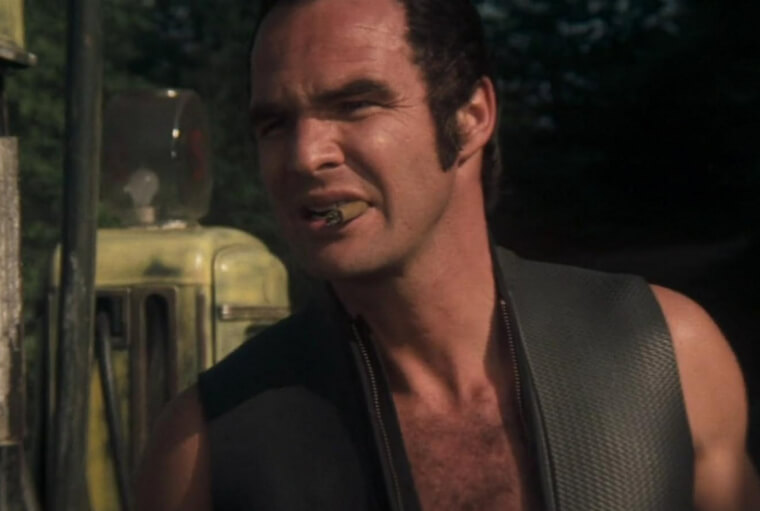
The leather vest remains a cult favorite for its ability to add an edgy, masculine layer to any casual outfit.
Barbra Streisand’s "Funny Girl" Sailor Suit: The $15,000 Nautical Classic
In her Oscar-winning debut, Barbra Streisand’s Fanny Brice wore a variety of theatrical costumes, but the sequined sailor suit is one of the most memorable. It captured the character’s pluck and the film’s vibrant energy. Streisand’s unique look helped redefine what a "Hollywood star" could look like. In 2026, the "nautical-glam" trend is making waves, with designers using stripes, gold buttons, and crisp navy fabrics.
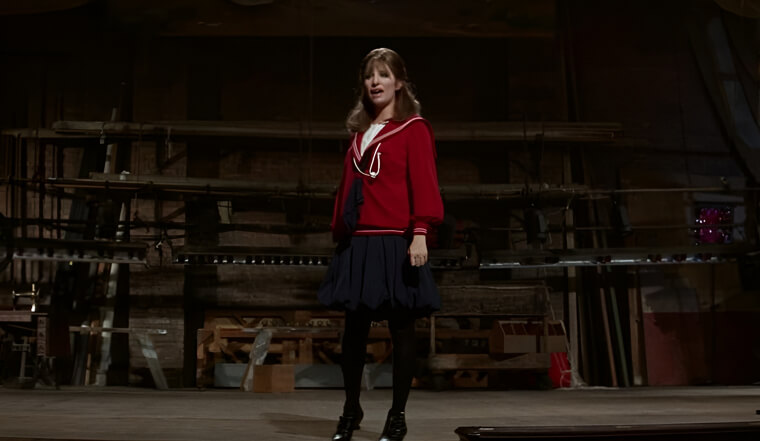
These combinations create a look that is both playful and polished. It’s a nod to the timeless appeal of the sea and the stage.
Paul Newman’s "Cool Hand Luke" Denim: The $30,000 Workwear Standard
The chambray shirts and distressed denim worn by Paul Newman as Lucas Jackson gave birth to the "blue-collar chic" movement. This look was about durability and authenticity, reflecting the character’s rebellious spirit against the system. Newman’s rugged good looks made even prison-issue clothing look like a fashion statement. In 2026, "workwear-inspired luxury" is a multi-billion dollar industry, with brands producing high-end denim and "broken-in" shirts that mimic this classic Hollywood look.
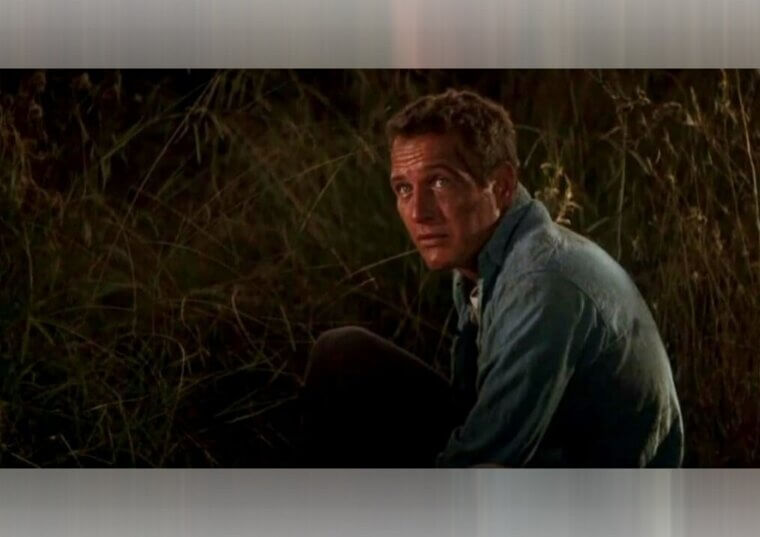
It proves that the most enduring styles are often those born out of necessity and hard work. Although it is a bit funny to see worn-down looking clothes being sold for big pricetags.
Faye Dunaway’s "Bonnie and Clyde" Beret: The $18,000 French-American Fusion
Faye Dunaway’s Bonnie Parker revolutionized late-60s fashion with her silk scarves, midi-skirts, and most notably, the tilted beret. This look blended 1930s gangster moll style with 1960s Parisian chic. Sales of berets reportedly skyrocketed after the film’s release. In 2026, the "Bonnie Beret" is back as a key accessory for the "literary-chic" aesthetic, adding a touch of intellectual mystery to any ensemble. It's crazy what just a hat can do.
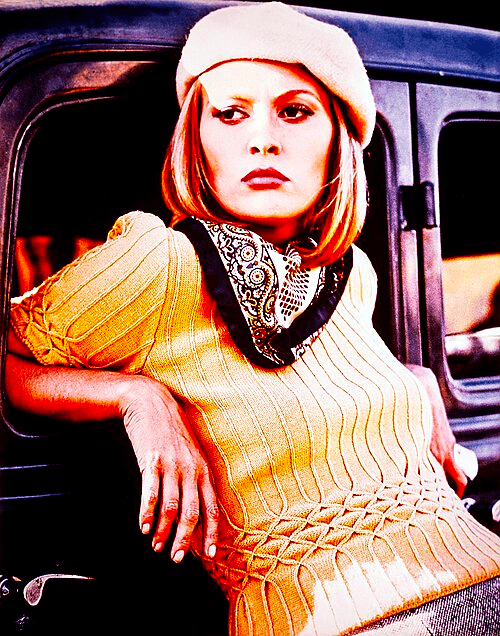
It’s a perfect example of how a single accessory can change the entire mood of an outfit and bridge the gap between different eras of style.
Sean Connery’s "James Bond" Tuxedo: The $120,000 License to Thrill
The midnight-blue tuxedo with silk-faced lapels worn by Sean Connery in Dr. No set the standard for the modern secret agent. Designed by Anthony Sinclair, the "Conduit Cut" allowed for movement while maintaining a razor-sharp silhouette. It defined the concept of "suave." In 2026, the "classic tux" remains the pinnacle of formalwear, with men opting for traditional tailoring over trendy alternatives. Connery’s Bond proved that a man in a well-fitted tuxedo is a force to be reckoned with.
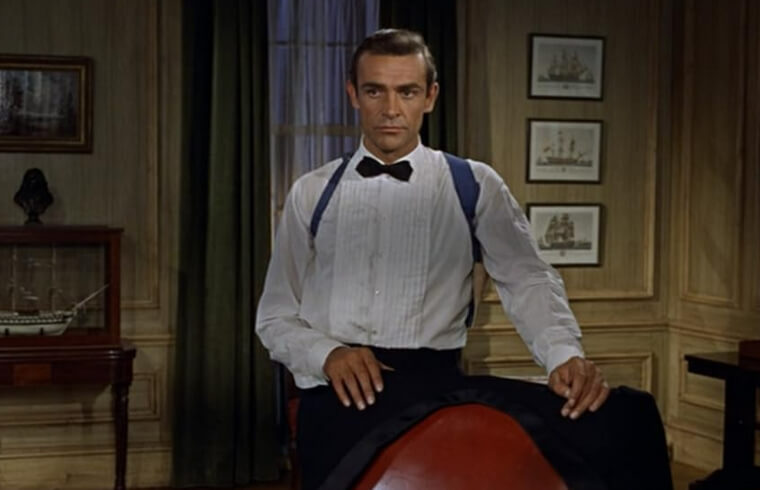
It created a lasting legacy of masculine elegance that spans generations of James Bond movies and general fashion in the world.
Elizabeth Taylor’s White Slip for "Cat on a Hot Tin Roof": The $25,000 Silk Sensation
In the 1958 film, Elizabeth Taylor’s simple white lace-trimmed silk slip became a symbol of high-tension drama and raw vulnerability. It was a daring choice for the time, blurring the lines between lingerie and costume. This piece emphasized Taylor’s legendary curves and contributed to her status as a global sex symbol. In 2026, the "slip dress" is a cornerstone of the "90s-revival" meets "quiet luxury" trend.
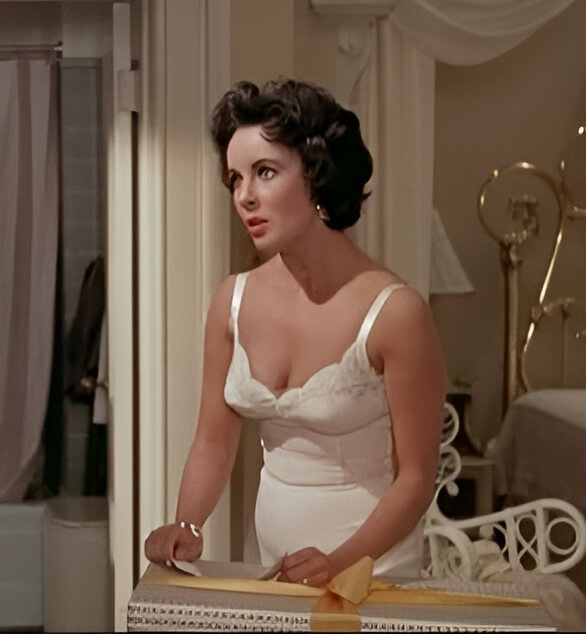
It's often layered with oversized blazers or knits for a look that is both intimate and sophisticated, reflecting Taylor’s timeless, sultry appeal.
Clark Gable’s "It Happened One Night" Undershirt (or Lack Thereof): The $5,000 Cultural Shift
Legend has it that when Clark Gable removed his shirt to reveal a bare chest instead of an undershirt in It Happened One Night, sales of men’s undershirts plummeted nationwide. This moment redefined masculine intimacy on screen. Gable’s casual, slightly rumpled look in the film—high-waisted trousers and rolled sleeves—is the essence of 1930s charm. In 2026, the "relaxed vintage" look for men is one that's trending.
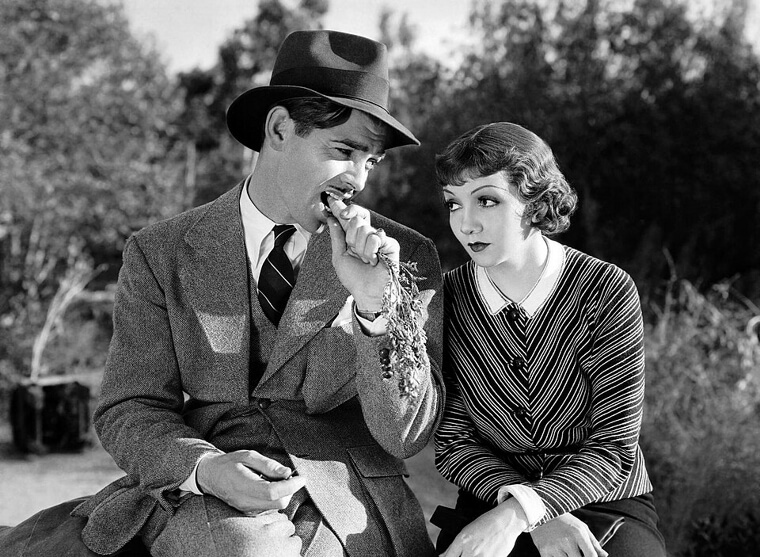
It's characterized by breathable fabrics and an unbuttoned, effortless vibe, draws directly from this era when Gable showed the world that confidence is the best accessory.
Natalie Wood’s "West Side Story" Red Dress: The $40,000 Rhythmic Icon
The vibrant red dress Natalie Wood wore as Maria during the "Dance at the Gym" scene is a masterpiece of movement. Designed to swirl and catch the light, it symbolized Maria’s blooming passion and the tension between the rival gangs. The dress remains one of the most recognizable in musical history. In 2026, "movement-focused fashion" is a major trend, with pleated fabrics and bold primary colors used often.
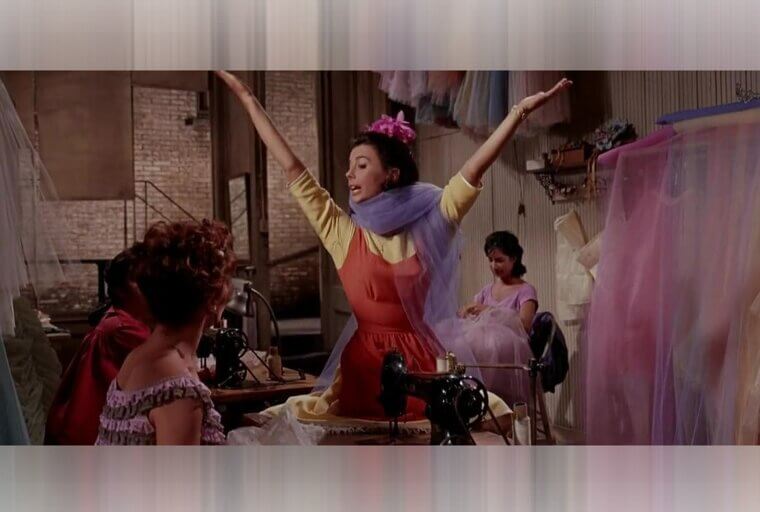
These combinations create garments that look as good in motion as they do in a still photograph. It’s a celebration of the joy of dance.
Robert Redford’s "Great Gatsby" Suits: The $55,000 Pastel Revolution
In the 1974 version of The Great Gatsby, Robert Redford’s pink and cream-colored suits (designed in part by Ralph Lauren) brought 1920s opulence to a new generation. This look challenged the traditional dark-palette of men's formalwear and introduced "preppy luxury" to the masses. In 2026, we see a huge return to "summer tailoring," where linen suits in pastel shades—mint, lavender, and peach—are being worn to weddings and garden parties.
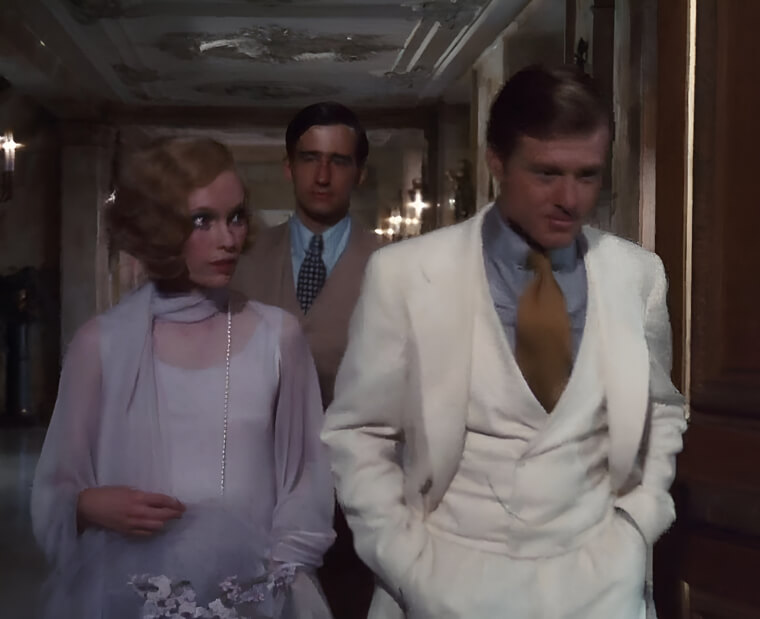
Redford’s Gatsby remains the ultimate inspiration for anyone looking to combine wealth, style, and a touch of romantic mystery.
Judy Garland’s "Meet Me in St. Louis" Red Gown: The $35,000 Holiday Standard
The velvet crimson gown worn by Judy Garland as she sang "Have Yourself a Merry Little Christmas" is the definitive image of 1900s-inspired Hollywood glamour. The rich fabric and high neckline offered a modest yet stunning elegance that captured the film’s sentimental heart. In 2026, "vintage holiday-wear" is a major seasonal trend, with women seeking out high-quality velvet pieces in deep jewel tones to recreate that warm, classic feel.
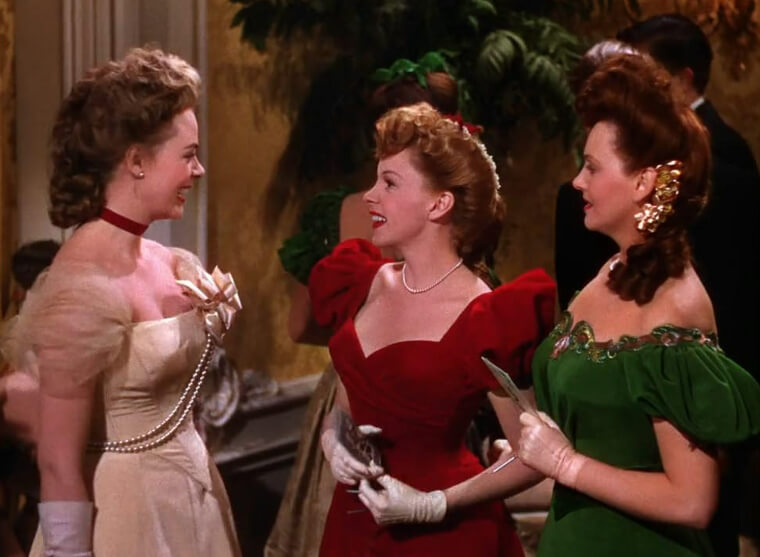
The gown represents a time when Hollywood used fashion to evoke a sense of home, family, and timeless tradition.
Michael Jackson’s "Thriller" Jacket (Film Version): The $1.8 Million Red Leather King
While primarily a music video, the short film Thriller is a cinematic masterpiece, and the red leather jacket with black "V" detailing is perhaps the most famous piece of outerwear in pop culture history. Designed by Deborah Nadoolman Landis, it was meant to make Jackson stand out in the dark, foggy graveyard scenes. In 2026, the "structured statement jacket" is a favorite for those looking to add a pop of celebrity-inspired flair to their wardrobe.
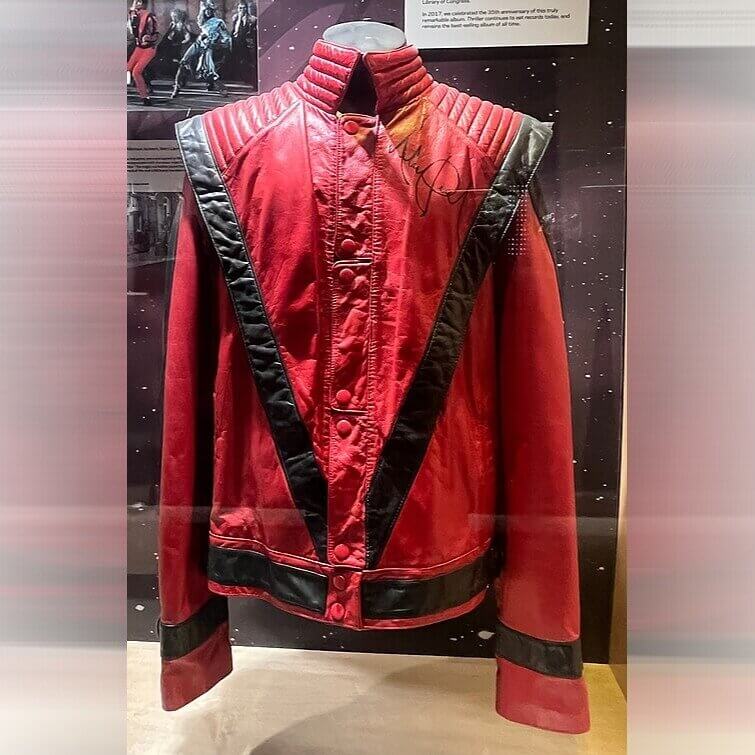
It remains a symbol of the 1980s' bold energy and the power of a truly iconic silhouette.
Tippi Hedren’s "The Birds" Green Suit: The $45,000 Uniform of Terror
Edith Head designed the simple, elegant mint-green suit that Tippi Hedren wore throughout her ordeal in The Birds. The color was chosen because it was "cool" and "calm," contrasting sharply with the chaos of the bird attacks. This suit is a masterclass in how a single outfit can be used to ground a character’s journey. In 2026, the "matching set" or "power suit" in soft, unexpected colors like sage or mint is a top trend.
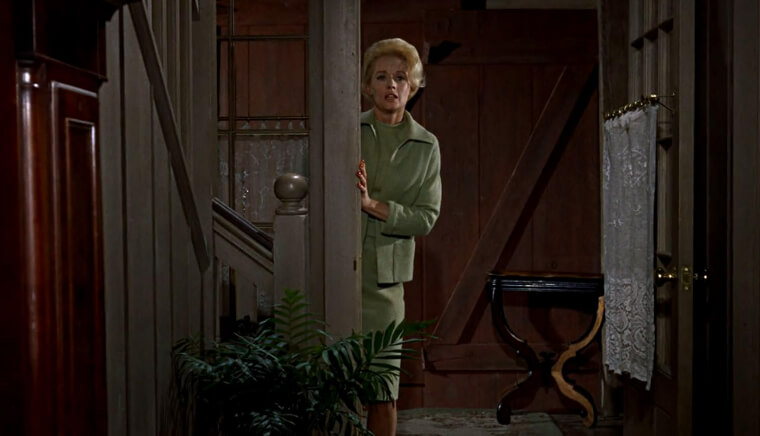
It offers a sophisticated alternative to gray or navy while maintaining a professional, Hitchcockian edge. It's easy to see why this wardrobe piece is one that will be forever remembered.
Gene Kelly’s "Singin’ in the Rain" Yellow Slicker: The $15,000 Beacon of Optimism
The bright yellow raincoat and matching hat worn by Gene Kelly are the ultimate symbols of cinematic joy. In a film that celebrates the transition from silent films to talkies, this outfit provided a burst of color in a rainy, monochromatic world. In 2026, "functional fashion" has taken a bright turn, with high-end designers creating luxury rainwear in vibrant primary colors. Kelly’s yellow slicker reminds us that even the most practical items can be iconic.
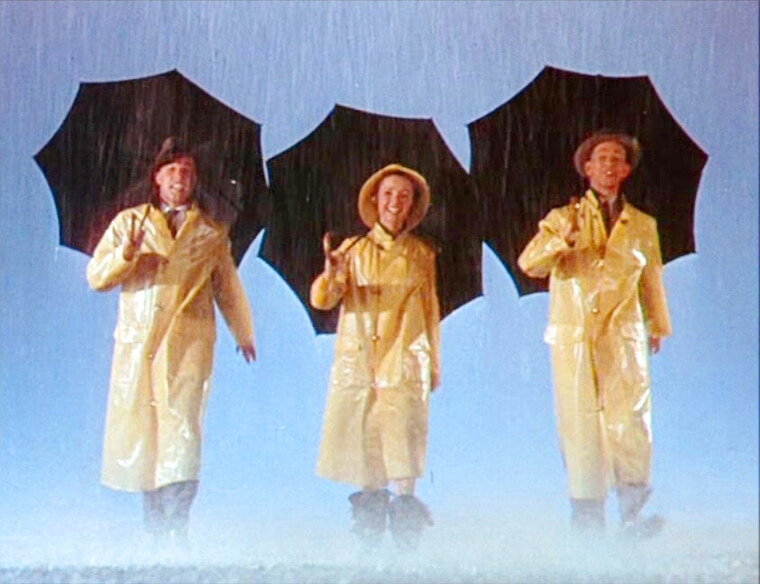
Maybe it's not the case always, but it sure is when paired with a legendary performance and a sense of unbridled happiness.
Bette Davis’s "All About Eve" Party Dress: The $30,000 Silhouette of Sophistication
"Fasten your seatbelts, it's going to be a bumpy night." Bette Davis wore a dark, off-the-shoulder silk dress with a pleated bodice that became the blueprint for the "sophisticated hostess." Designed by Edith Head, the dress was meant to look lived-in yet regal, reflecting Margo Channing’s complicated life. In 2026, the "cocktail dress with a twist" is back, with women opting for structured, dark fabrics that offer a sense of authority and timeless allure.
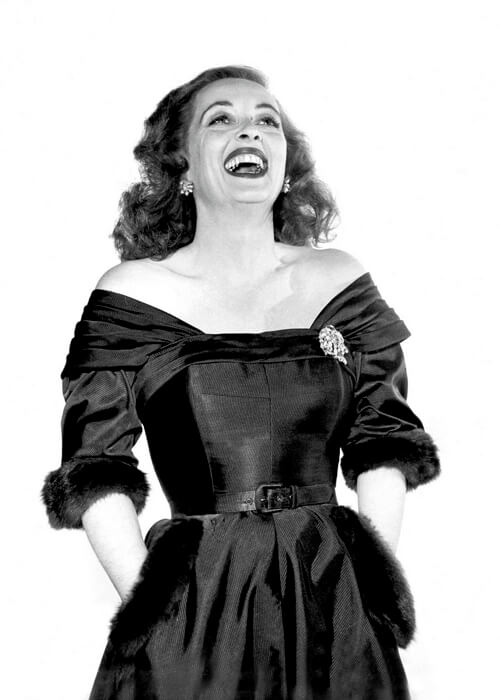
It’s a dress for a woman who knows her worth and isn't afraid to command the room (AKA, someone like Bette Davis).
Marlon Brando’s "The Wild One" Biker Jacket: The $50,000 Icon of the Outsider
Marlon Brando’s Schott Perfecto leather jacket, tilted hat, and jeans created the "rebel" look that would define rock and roll and youth culture for decades. Before this film, leather jackets were mostly for pilots or police; Brando made them cool and dangerous. In 2026, the "authentic biker jacket" is a high-value investment piece, often passed down through generations. Brando’s influence is seen in the "luxury-grunge" trend.
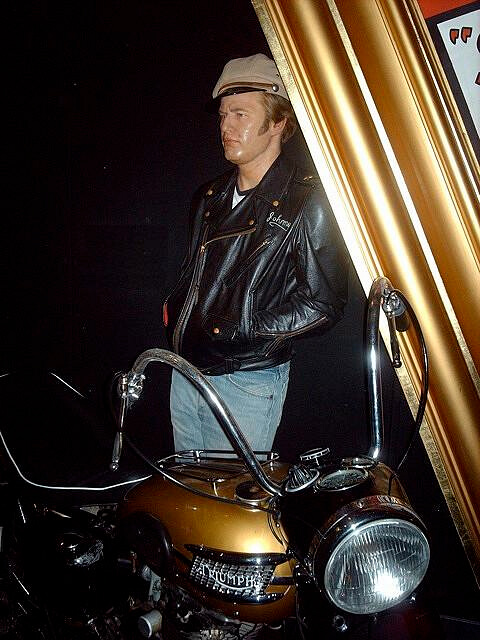
This trend features high-end materials used to recreate that raw, untamed energy that changed the face of American fashion forever.
Cher’s "Clueless" Plaid Suit: The $20,000 Modern Classic
While a "younger" movie, Clueless has become a vintage favorite for our audience’s children and grandchildren, and the yellow plaid Dolce & Gabbana suit is its crown jewel. It redefined "schoolgirl chic" for the 90s. In 2026, we are seeing a "Grand-millennial" take on this look, where classic plaids and tweeds are being used in more mature, tailored silhouettes. It’s a testament to how Hollywood can take a traditional pattern and make it a global phenomenon.
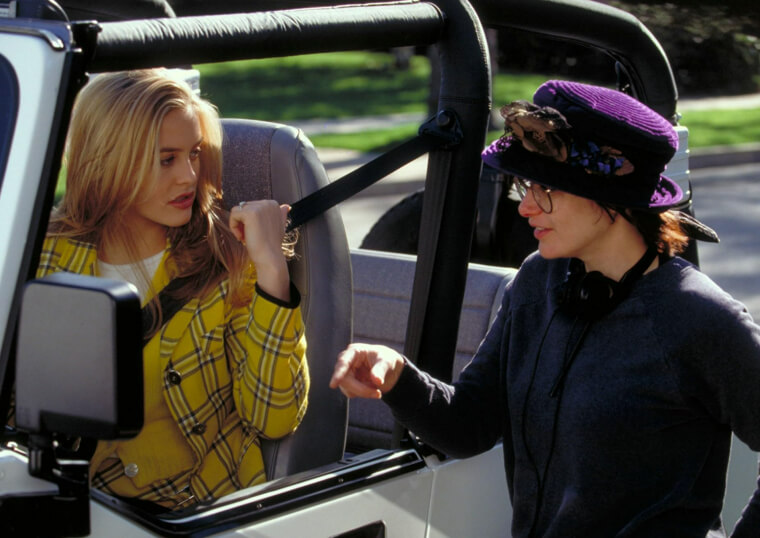
Thanks to clever styling and a relatable, albeit wealthy, character, this skirt remains an icon of Hollywood decades after its original use.
Fred Astaire’s White Tie and Tails: The $40,000 Peak of Formalism
Fred Astaire was the king of the "White Tie" look, making the most formal of dress codes look as easy as walking down the street. His custom-made tails were designed with higher armholes to allow him to dance without the jacket riding up. This attention to detail is the essence of true luxury. In 2026, the "bespoke movement" has led many to seek out tailors who can provide this level of precision and comfort.
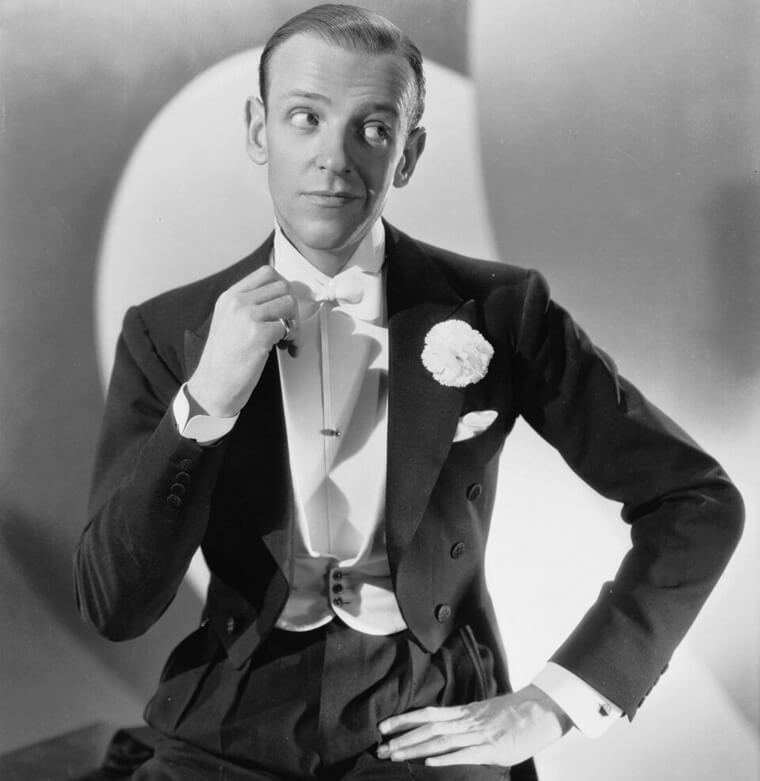
Astaire reminds us that true style isn't about what you wear, but how you move in it, proving that fashion is more than just clothes - it's how you carry those clothes.
Lauren Bacall’s "To Have and Have Not" Houndstooth: The $25,000 Suit of Sultry Mystery
In her debut film, 19-year-old Lauren Bacall wore a structured houndstooth suit that emphasized her "look"—that low-lidded, sultry gaze. The sharp shoulders and nipped waist were the hallmarks of 1940s tailoring. This look was about understated power. In 2026, we continue to see the influence and effect of this iconic look. Houndstooth and herringbone patterns are dominating the "quiet luxury" winter collections, used in everything from coats to trousers.
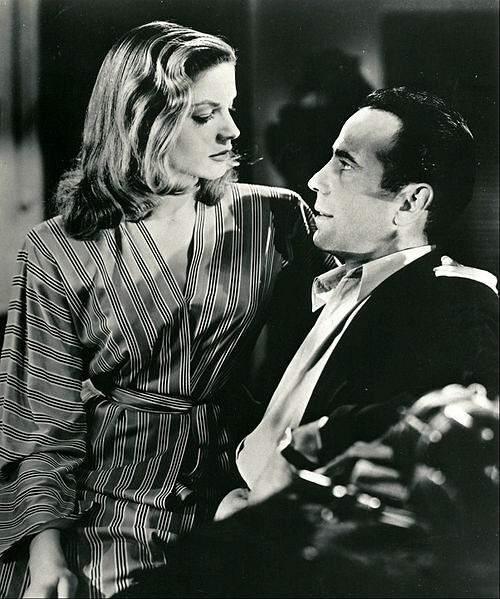
Bacall’s suit remains the definitive example of how traditional patterns can be used to create a look that is both incredibly professional and undeniably alluring.