
Mae Questel as Betty Boop in "The Betty Boop Cartoons" and Olive Oyl in "Popeye"
Mae Questel possessed a vocal range that was nothing short of miraculous, but she is forever immortalized as the squeaky, soulful voice of Betty Boop. Starting in the early 1930s, Mae brought a mix of innocence and flapper-era charm to the character, reportedly beating out over 100 other contestants in a look-alike and sound-alike contest. Interestingly, she also provided the voice for Olive Oyl in the "Popeye" series for decades.
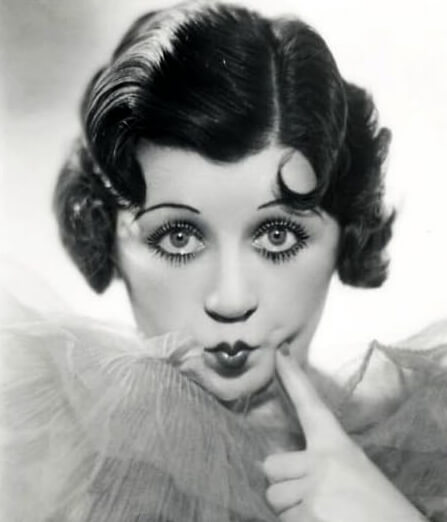
Her ability to maintain that iconic, high-pitched vibrato for over 50 years made her a true pioneer for women in the male-dominated animation industry.
Sterling Holloway as Winnie the Pooh in "The Many Adventures of Winnie the Pooh" and the Cheshire Cat and Kaa the Snake
With a voice that sounded like it was lined with velvet and honey, Sterling Holloway was the only choice to bring A.A. Milne’s "silly old bear" to life. Before becoming the voice of Pooh, Holloway was a successful character actor in live-action films, but his gentle, slightly rasping tenor became his greatest legacy. He voiced several other Disney icons, including the Cheshire Cat and Kaa the snake, but Pooh remains his masterpiece.
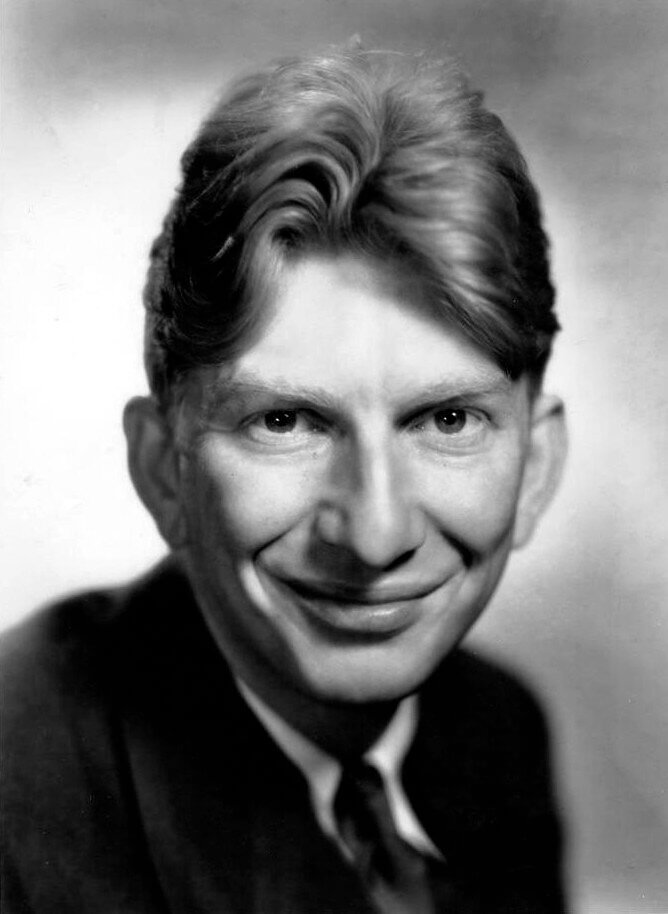
His performance captured a specific kind of Midwestern kindness and innocent curiosity that continues to soothe and delight generations of children and adults alike.
Mel Blanc as Bugs Bunny in "Looney Tunes" and Basically Every Other Major Character on Warner Bros.
Known quite literally as "The Man of a Thousand Voices," Mel Blanc was the backbone of Warner Bros. animation. While he voiced nearly every major character, Bugs Bunny was his crowning achievement. Blanc allegedly gave the rabbit a blend of Bronx and Brooklyn accents to create that "tough guy with a heart of gold" persona. His dedication was legendary; even after a near-fatal car accident in 1961, he reportedly regained consciousness only when a doctor addressed him as Bugs Bunny.
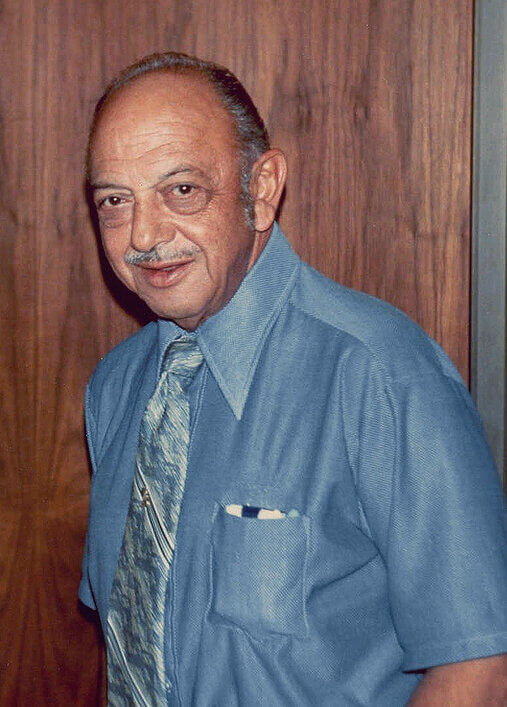
Sounds crazy, right? He was a true virtuoso who elevated voice acting to a respected, stand-alone art form.
June Foray as Rocky the Flying Squirrel in "The Rocky and Bullwinkle Show" and Natasha Fatale and Granny in "Looney Tunes"
June Foray was often called the "female Mel Blanc," and for good reason. Her career spanned the entire history of modern animation, but her role as the plucky, optimistic Rocky remains a standout for many who grew up in the 1960s. Foray brought a crisp, energetic tone to the flying squirrel that balanced perfectly with Bullwinkle's dim-witted charm. Beyond Rocky, she voiced the sinister Natasha Fatale and even Granny from "Looney Tunes."
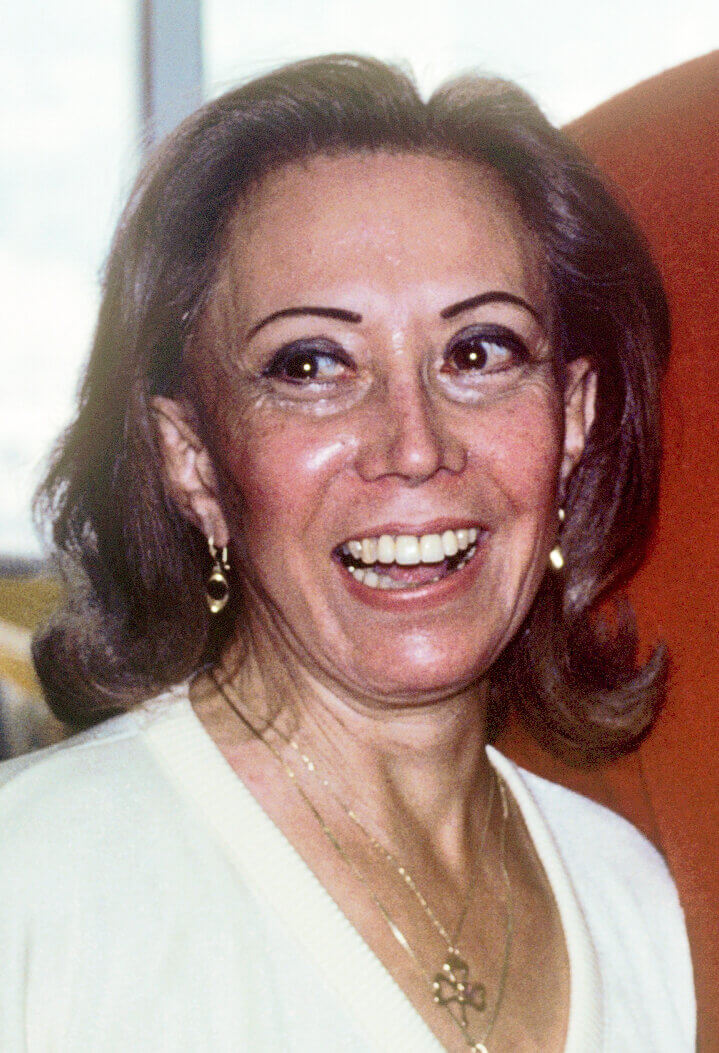
She was a tireless advocate for the industry, allegedly being the primary force behind the creation of the Best Animated Feature Oscar.
Eleanor Audley as Maleficent in "Sleeping Beauty" and the Wicket Stepmother in "Cinderella"
Eleanor Audley was the undisputed queen of the "Disney Villainess" sound. She provided the voice for the Mistress of All Evil, Maleficent, giving her a cold, calculated elegance that still sends shivers down the spine. Audley was known for her impeccable diction and regal presence, which she also used to portray Lady Tremaine (the Wicked Stepmother) in "Cinderella." Unlike many voice actors, she often performed the roles in costume to help the animators capture her facial expressions.
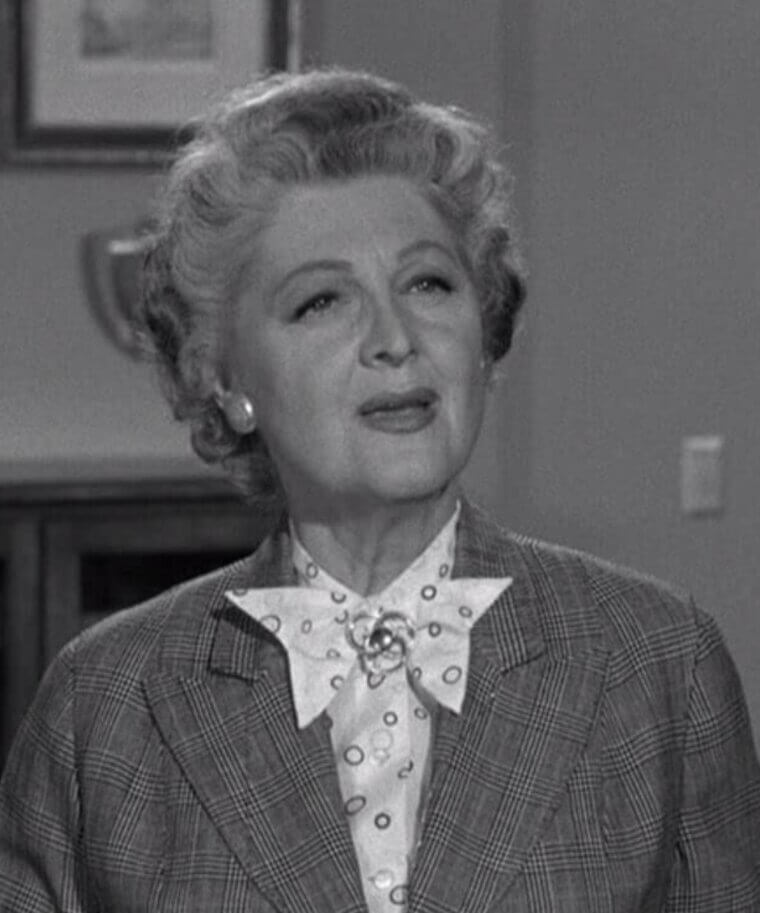
Her ability to sound both sophisticated and terrifying created a blueprint for every animated antagonist that followed her.
Paul Winchell as Tigger in "The Many Adventures of Winnie the Pooh"
Paul Winchell was a man of many talents, including being a world-famous ventriloquist and a medical inventor who helped design the first artificial heart. However, to millions of fans, he is simply Tigger. Winchell gave the energetic tiger his signature "hoo-hoo-hoo-hoo!" laugh and his charmingly mispronounced vocabulary. He reportedly based the voice on a specific brand of eccentric energy he used in his vaudeville acts.
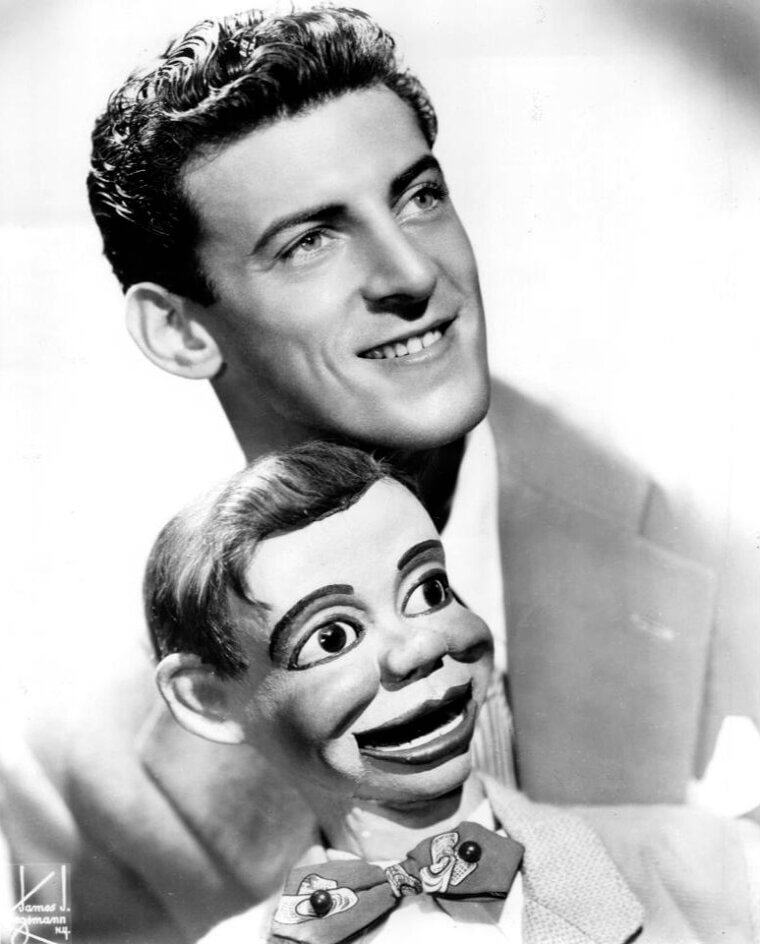
His performance made Tigger a symbol of unbridled joy and resilience, teaching us all that the most wonderful thing about Tiggers is that he’s the only one.
Bea Benaderet as Betty Rubble in "The Flintstones"
Bea Benaderet was a staple of classic radio and television, but her voice work as Betty Rubble helped make "The Flintstones" a household name. As the level-headed, giggling best friend to Wilma, Bea provided a warm, suburban groundedness to the prehistoric setting. She was actually the first choice for the role of Ethel Mertz on "I Love Lucy" but had to turn it down due to her radio commitments.
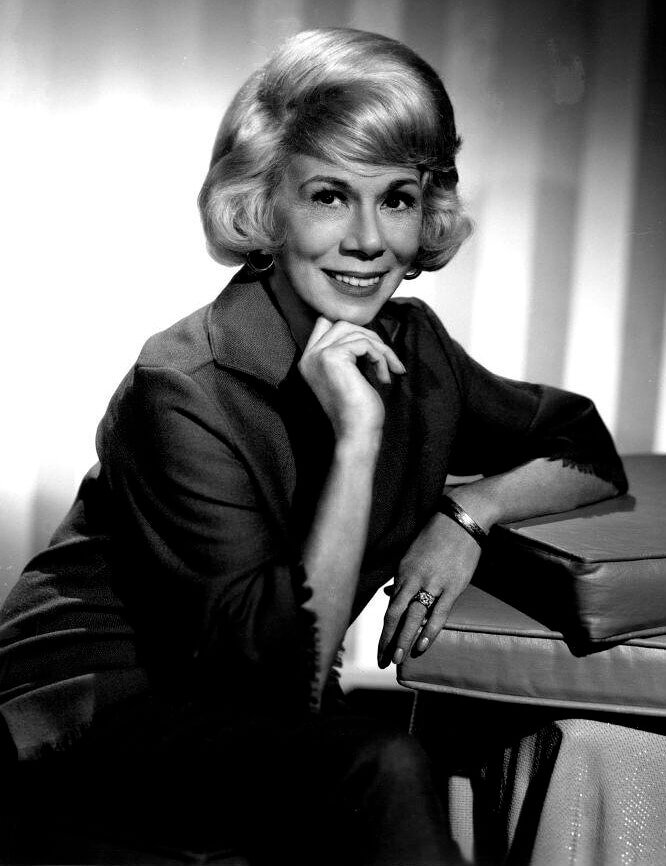
Her chemistry with the rest of the Bedrock cast helped the show become the first animated series to truly capture the dynamic of a modern adult sitcom.
Cliff Edwards as Jiminy Cricket in "Pinocchio"
Cliff Edwards, also known as "Ukulele Ike," was a massive star in the 1920s before lending his voice to Walt Disney’s moral compass, Jiminy Cricket. His rendition of "When You Wish Upon a Star" became the official anthem of the Disney company, largely due to the earnest, soulful quality of his singing voice. Edwards brought a vaudevillian charm to the role, making the tiny cricket feel like a trusted old friend.
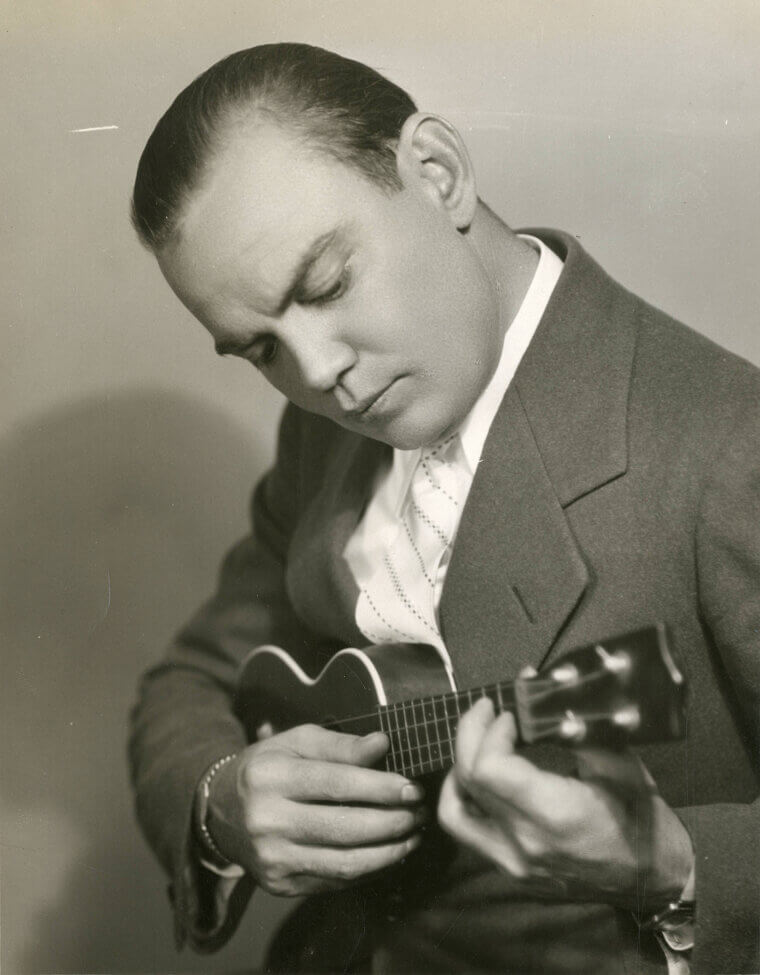
His performance proved that a voice could carry the emotional weight of an entire film, turning a supporting character into a global icon of hope.
Adriana Caselotti as Snow White in "Snow White and the Seven Dwarfs"
Walt Disney was famously protective of the voice of his first princess, allegedly making Adriana Caselotti sign a contract that prevented her from performing in other films to keep the "magic" of Snow White alive. Her operatic, bird-like soprano was the heartbeat of the 1937 masterpiece. Caselotti was only 18 when she recorded the role, and her youthful, innocent delivery set the standard for every fairytale heroine that followed.
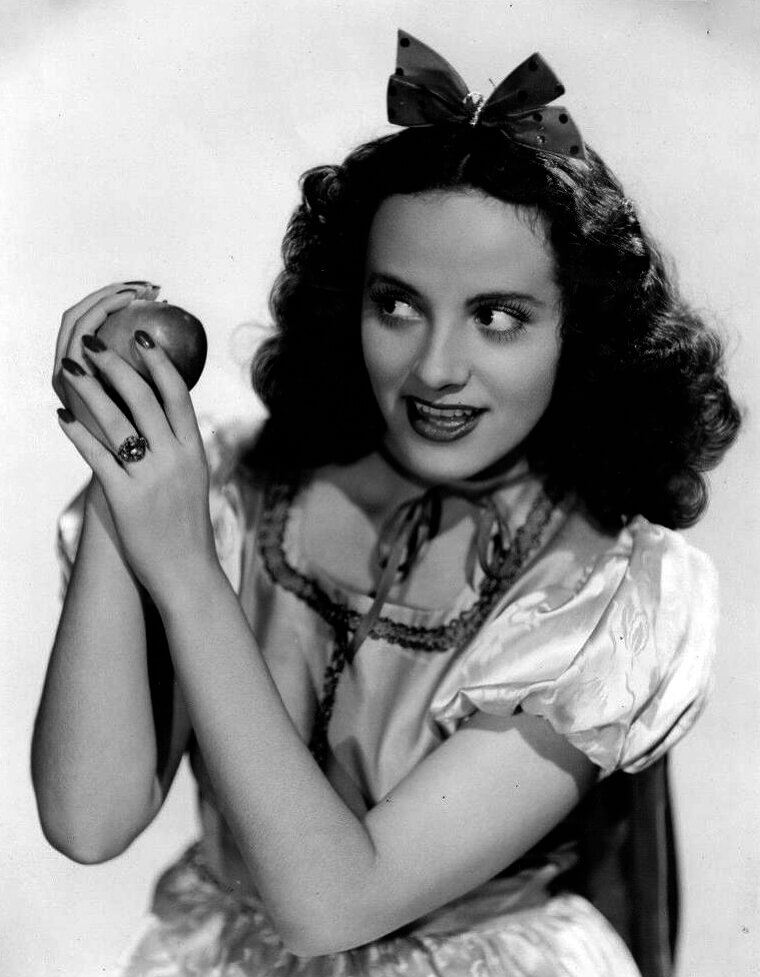
Though she rarely worked in Hollywood again, she remained a beloved ambassador for the film until her passing, often singing for fans in her backyard.
Dallas McKennon as Gumby in "The Gumby Show" and Archie Andrews in "Archie"
Dallas McKennon was a master of the "everyman" voice, which made him the perfect fit for the optimistic, clay-animated hero, Gumby. McKennon gave Gumby a wide-eyed, youthful tone that mirrored the character’s curiosity and kindness. A versatile performer, he also provided voices for Archie Andrews in the "Archie" cartoons and several characters in Disney’s "Lady and the Tramp." His voice had a friendly, approachable quality that felt like a warm hug.
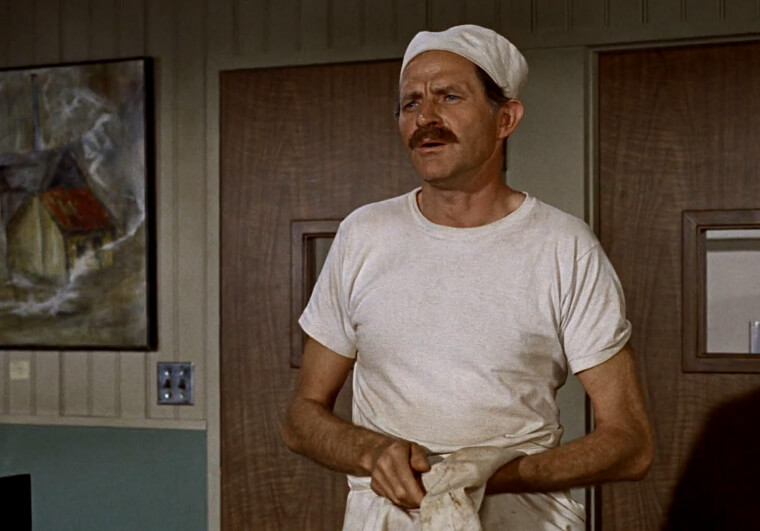
And that made him a fixture of Saturday morning television for decades. He truly understood the gentle pacing required for children's programming.
Casey Kasem as Shaggy in "Scooby-Doo, Where Are You! "
Long before he was counting down the hits on "American Top 40," Casey Kasem was the voice of the world’s most famous coward, Shaggy Rogers. Kasem brought a frantic, "hippie-lite" energy to the role, complete with his signature "Zoinks!" catchphrase. Interestingly, Kasem was a strict vegetarian and eventually insisted that Shaggy follow suit in the show. His distinctive, slightly raspy tenor was so iconic that it helped "Scooby-Doo" remain relevant through multiple decades.
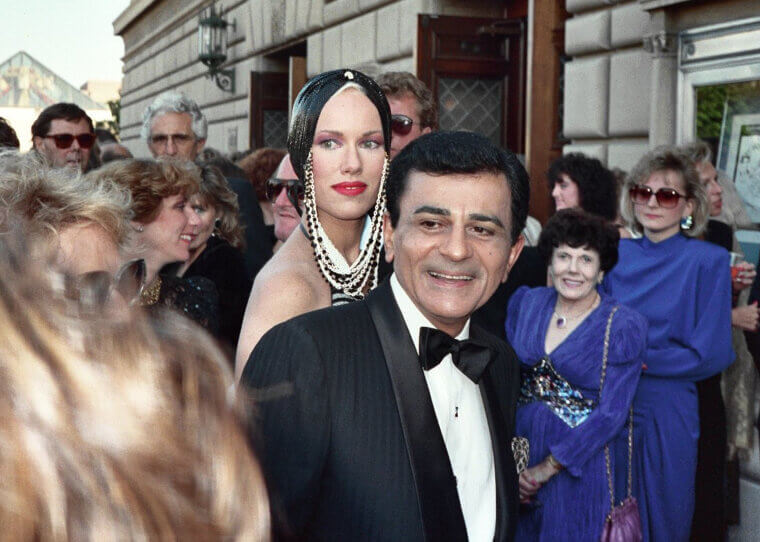
Kasem’s ability to jump between his polished radio persona and Shaggy’s panicked staccato showcased his incredible range as a professional vocal artist.
Clarence Nash as Donald Duck in "The Wise Little Hen"
Clarence "Ducky" Nash discovered his talent by accident while trying to imitate a family of goats, which eventually evolved into the most famous "duck talk" in history. Walt Disney heard Nash performing on the radio and knew he had found his Donald. Nash voiced the hot-tempered mallard for over 50 years, mastering the art of "intelligible squawking." He even voiced Donald in several different languages for international releases, memorizing the phonetic sounds since he didn't speak the languages himself.
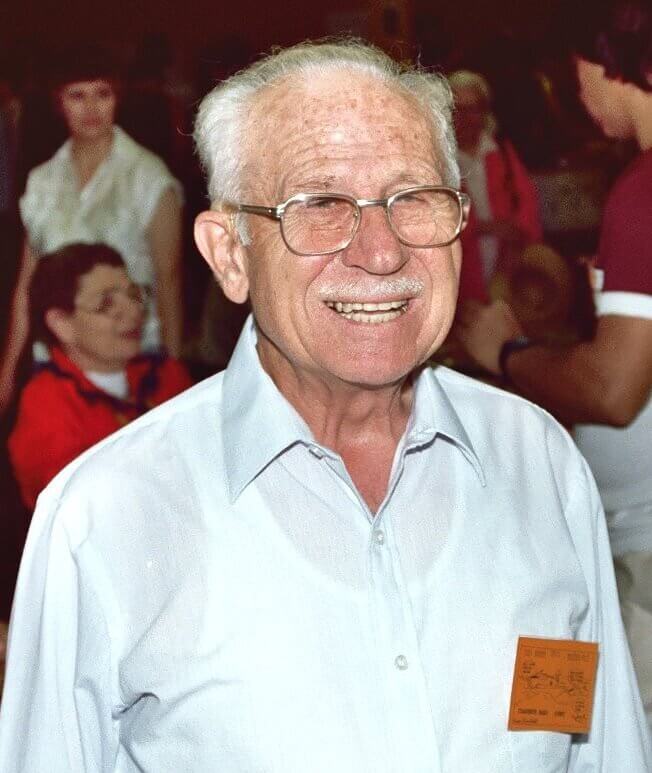
His dedication ensured that Donald’s frustrated, sputtering personality was consistent across the globe for half a century.
Janet Waldo as Judy Jetson in "The Jetsons"
Janet Waldo was the quintessential voice of the "all-American teenager" during the mid-20th century. As Judy Jetson, she brought a bubbly, futuristic flair to the 1960s space-age family. Her voice captured the excitement of the "Space Race" era, filled with teenage angst and "intergalactic" slang. Waldo was a veteran of the radio era, having starred in "Meet Corliss Archer," and she brought that impeccable timing to animation.
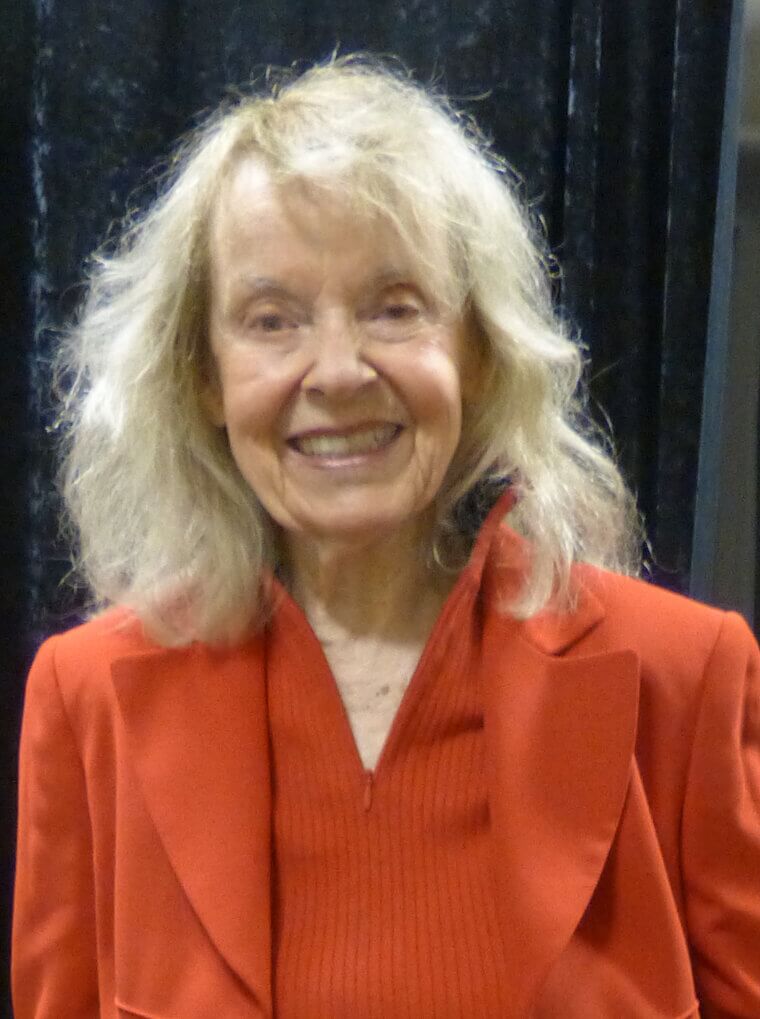
Even into her later years, she could still perfectly recreate Judy’s youthful pitch, proving that she was truly the voice of a generation—even one set in the future.
Hans Conried as Captain Hook in "Peter Pan"
Hans Conried was a legendary character actor known for his sophisticated, somewhat haughty persona, which made him the ideal Captain Hook. He brought a "pantomime villain" energy to the role, expertly shifting between flamboyant arrogance and whimpering cowardice whenever the crocodile appeared. Conried also voiced Mr. Darling in the same film, following the stage tradition of having the father and the villain played by the same actor.
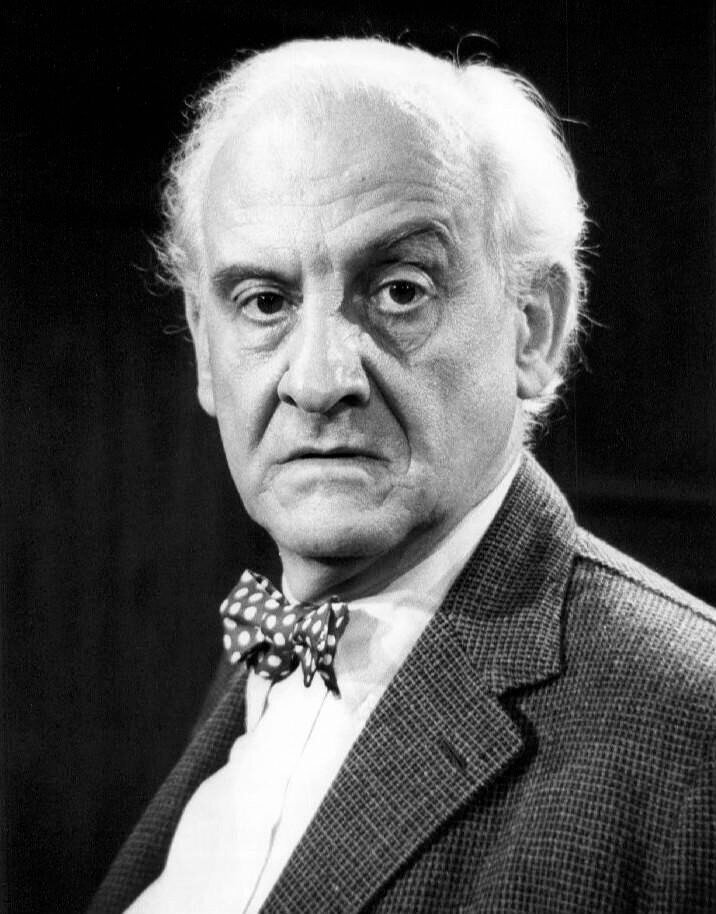
His theatrical delivery and sharp comedic timing gave Hook a layered personality that made him one of the most entertaining and memorable villains in the Disney library.
Lorenzo Music as Carlton the Doorman in "Rhoda" and Garfield the Cat
In one of the most unique "voice only" roles in television history, Lorenzo Music played Carlton the Doorman on the sitcom "Rhoda" without ever appearing on screen. His sleepy, deadpan delivery became a massive hit with audiences, making Carlton a breakout character. Music later used a similar "lazy" vocal style to provide the definitive voice for Garfield the Cat in the 1980s. His voice had a relaxed, dry wit that felt incredibly modern and relatable.
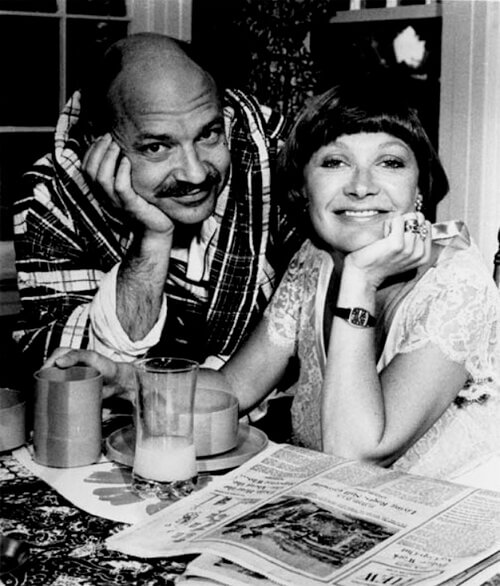
He proved that a performer doesn’t need a physical presence to steal a scene or build a loyal fan base.
Jean Vander Pyl as Wilma Flintstone in "The Flintstones" and Rosie the Robot on "The Jetsons"
Jean Vander Pyl provided the matriarchal strength and sharp wit behind Wilma Flintstone, the woman who kept Fred in line for six seasons and beyond. Her voice had a wonderful "no-nonsense" quality that balanced the chaotic energy of the show. Jean was a prolific voice actress, also providing the sounds for Rosie the Robot on "The Jetsons." She reportedly loved the character of Wilma so much that she continued to voice her in various specials and commercials.
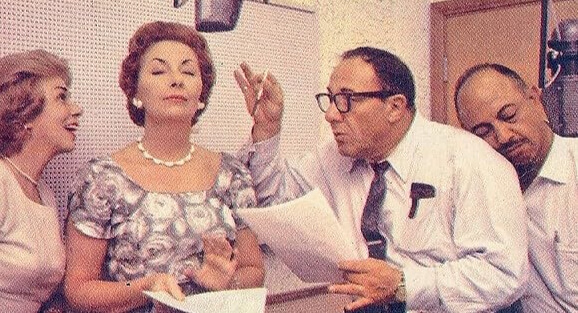
In fact, she did so until the late 1990s. Her performance helped define the "smart wife" archetype in the world of animation.
Bill Thompson as Droopy in "Northwest Hounded Police," White Rabbit in "Alice in Wonderland," and Smee in "Peter Pan"
Bill Thompson was a master of the understated. As the voice of Droopy Dog, he utilized a slow, monotonous, and incredibly polite delivery that made the character’s deadpan humor land perfectly. Thompson was a regular on the "Fibber McGee and Molly" radio show, where he developed many of the voices he later brought to MGM and Disney. He also voiced the White Rabbit in "Alice in Wonderland" and Smee in "Peter Pan."
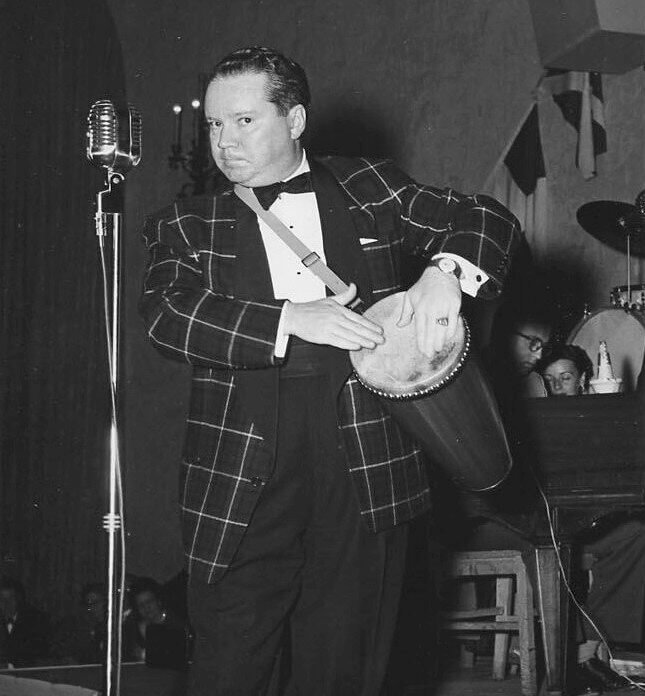
His ability to create such distinct, memorable personalities with subtle shifts in tone and pacing made him a favorite among the industry's top directors.
Verna Felton as the Fairy Godmother in "Cinderella," the Queen of Hearts in "Alice in Wonderlan," and Flora in "Sleeping Beauty"
Verna Felton was the "Grandmother of Disney." Her warm, fluttering, and matronly voice was the perfect fit for the Fairy Godmother, bringing a sense of comfort and magic to the 1950 classic. Felton had a long career in radio and film, often playing the bossy or motherly type. In the Disney world, she also voiced the Queen of Hearts in "Alice in Wonderland" and Flora in "Sleeping Beauty."
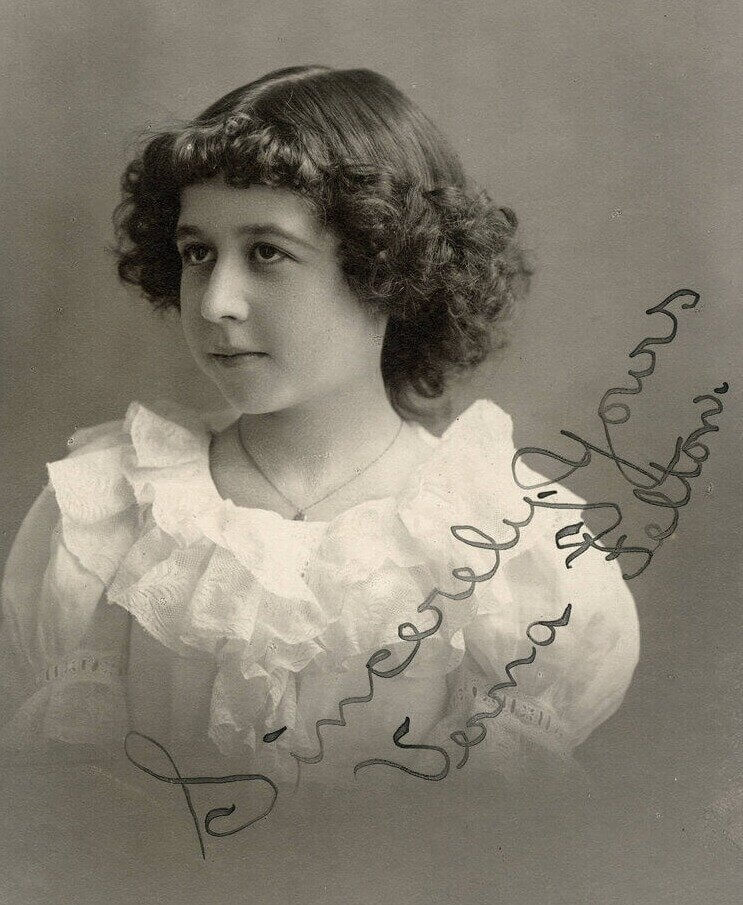
Her versatility allowed her to play both the sweetest magical mentor and the most terrifying, head-chopping monarch with equal conviction and a truly unmistakable vocal texture.
Alan Reed as Fred Flintstone in "The Flintstones"
Alan Reed was a veteran character actor who brought a booming, operatic energy to the role of Fred Flintstone. He is famously credited with inventing the phrase "Yabba Dabba Doo!" during a recording session, reportedly inspired by a "Brimful of Dash" slogan his mother used to use. Reed’s voice captured the essence of the 1950s working-class father, full of bluster and schemes but ultimately devoted to his family.
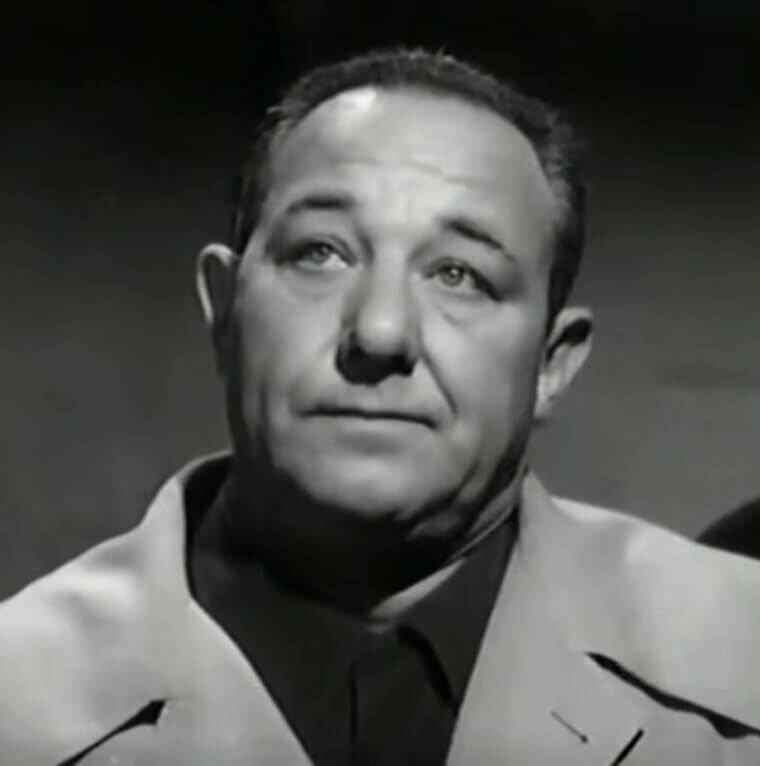
His performance was so powerful that Fred became the first animated character to truly feel like a three-dimensional human being with complex, albeit loud, emotions.
Daws Butler as Yogi Bear in "The Yogi Bear Show" as Well as Huckleberry Hound, Snagglepuss, and Elroy Jetson
Daws Butler was the primary voice architect for the Hanna-Barbera universe. For Yogi Bear, Butler famously drew inspiration from Art Carney’s character, Ed Norton, from "The Honeymooners." He gave Yogi a rhythmic, boisterous way of speaking that made every sentence sound like a catchy tune. Butler also voiced Huckleberry Hound, Snagglepuss, and Elroy Jetson. He was known for his incredible technical precision and his ability to give every character a distinct "soul."
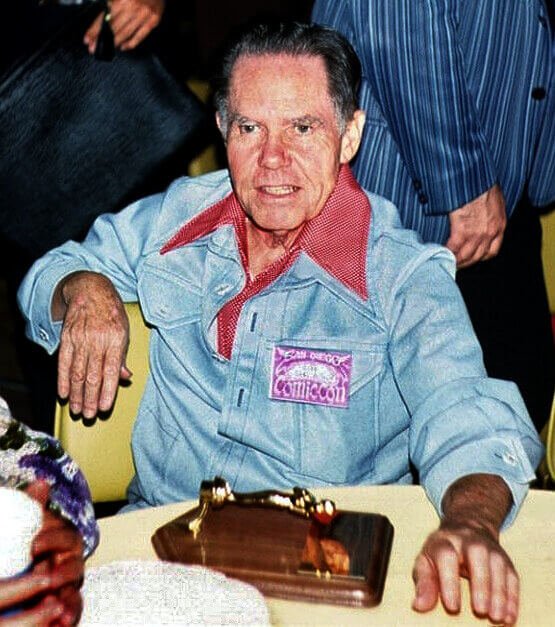
His work defined the sound of Saturday mornings for the entire Baby Boomer generation, creating a legacy of laughter.
Barbara Luddy as Lady in "Lady and the Tramp," Merryweather in "Sleeping Beauty," and Kanga in "Winnie the Pooh"
Barbara Luddy brought a sophisticated, gentle, and "well-bred" quality to Lady, the American Cocker Spaniel who fell for a dog from the wrong side of the tracks. Luddy was a star of the "First Nighter Program" on radio, and her transition to voice acting for Disney was seamless. She also provided the voice for Merryweather in "Sleeping Beauty" and Kanga in the "Winnie the Pooh" shorts.
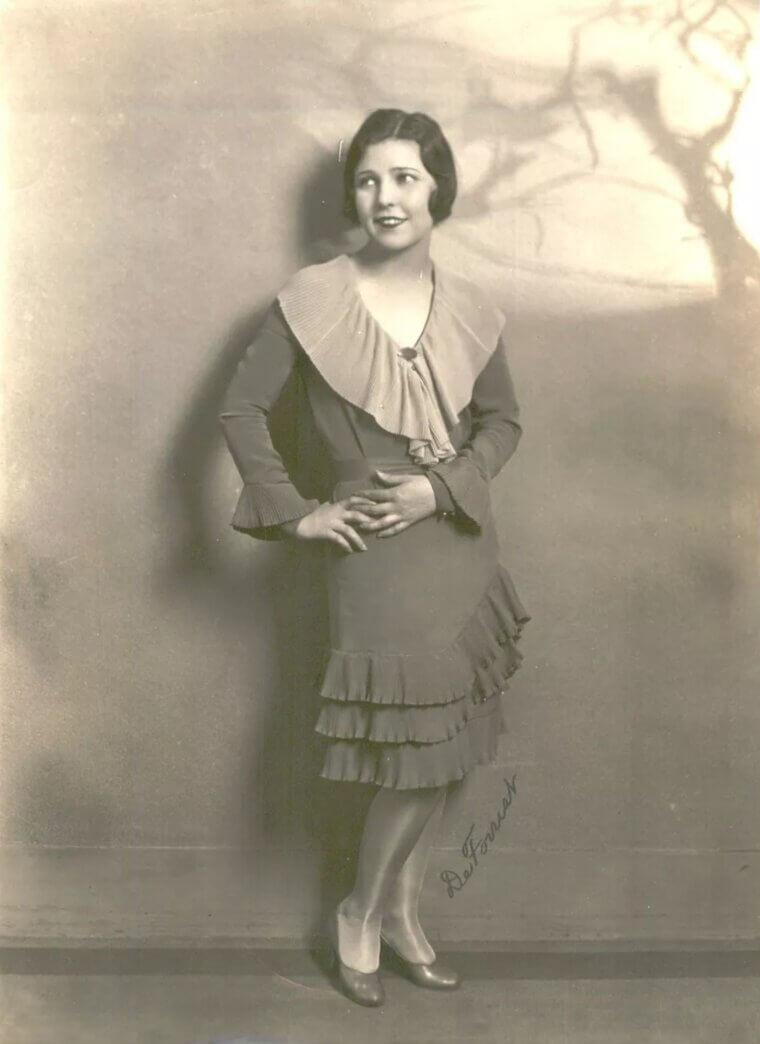
Her voice had a maternal, comforting warmth that made her characters feel safe and beloved. She was the heart of many Disney classics during the studio's silver age.
Larry Storch as Phineas J. Whoopee in "Tennessee Tuxedo and His Tales"
Larry Storch, best known for his live-action role on "F Troop," lent his comedic brilliance to the "Man with All the Answers," Phineas J. Whoopee. Using his natural gift for accents and impressions, Storch made the educational segments of the cartoon feel like a comedy routine. His fast-talking, authoritative yet eccentric delivery helped a generation of children learn about science and history without even realizing they were being "taught."
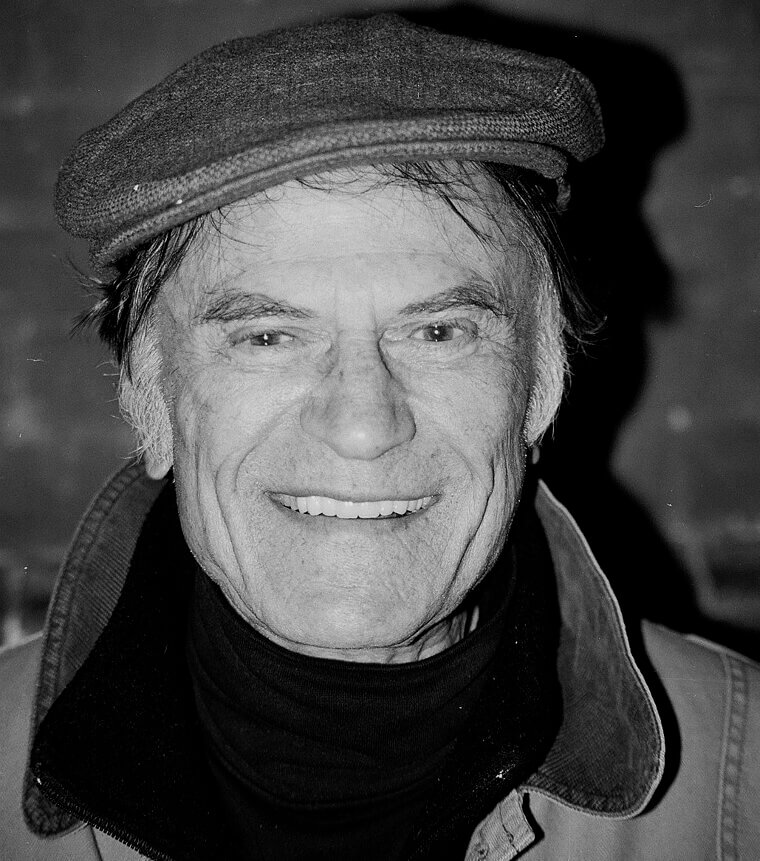
Storch’s ability to inject personality into an informational role made him a standout in the world of 1960s television animation.
Paul Frees as Boris Badenov in "The Rocky and Bullwinkle Show" as Well as the Pillsbury Doughboy and Professor Ludwig Von Drake
Paul Frees was often referred to as "The Man of a Thousand Voices" (a title he shared with Mel Blanc) because of his staggering range. As the villainous Boris Badenov, he used a thick, comical "spy" accent that became a parody of Cold War tropes. Frees was everywhere; he was the Ghost Host in Disney’s Haunted Mansion, the Pillsbury Doughboy, and Professor Ludwig Von Drake.
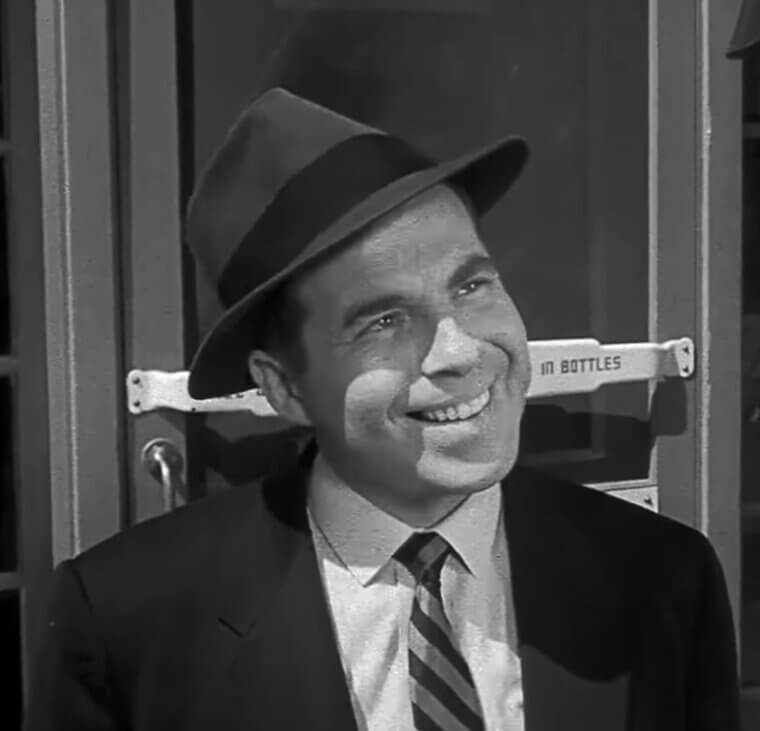
His voice was deep, flexible, and could jump from terrifying to hilarious in a heartbeat. He was the unsung hero of dozens of animated series and theme park attractions.
June Whitfield as Various Characters in "The Archers"
For our friends across the pond or those who enjoy BBC radio, June Whitfield was a titan of the airwaves. While she became a television legend in "Absolutely Fabulous," her voice work on the long-running radio soap "The Archers" and various comedies was foundational. Whitfield had a sharp, versatile voice that could play the "proper" lady or the comedic foil with equal ease. She represented the power of the British radio tradition.
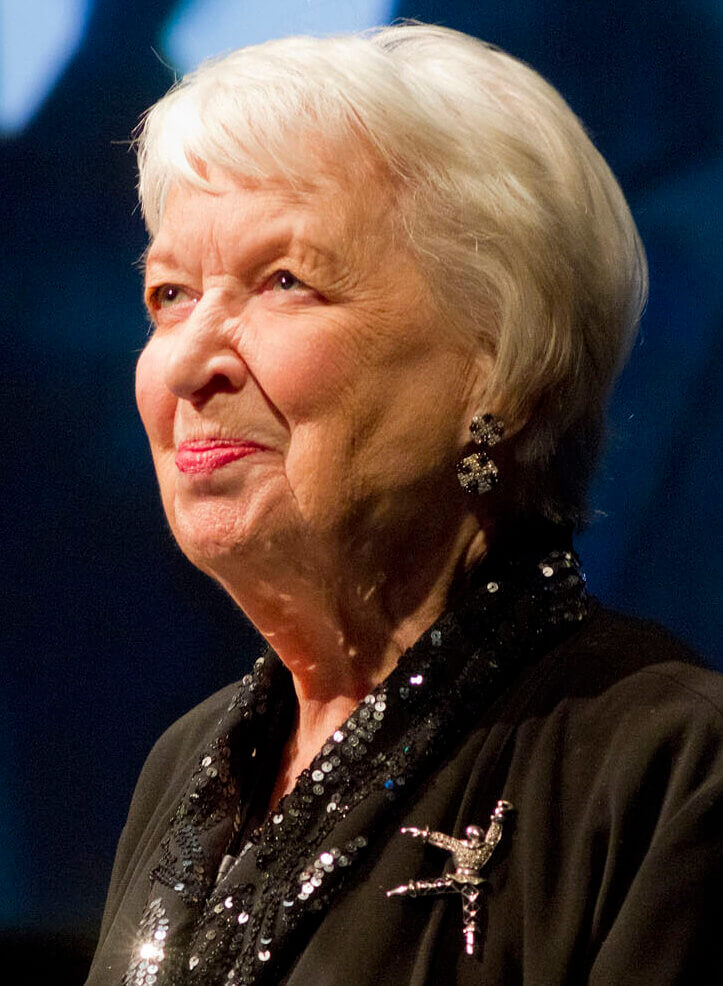
There, the voice alone had to build an entire world for the listener, a skill she mastered over seven decades of performance.
Peter Robbins as Charlie Brown in "A Boy Named Charlie Brown"
Peter Robbins was the original voice of the world’s most famous "blockhead," Charlie Brown. Unlike many cartoons that used adult women to voice young boys, Robbins was an actual child when he recorded the classic Peanuts specials of the 1960s. He brought a genuine sense of melancholy, hope, and vulnerability to the role that resonated with people of all ages. His voice captured the essence of childhood frustration and the "good grief" of growing up.
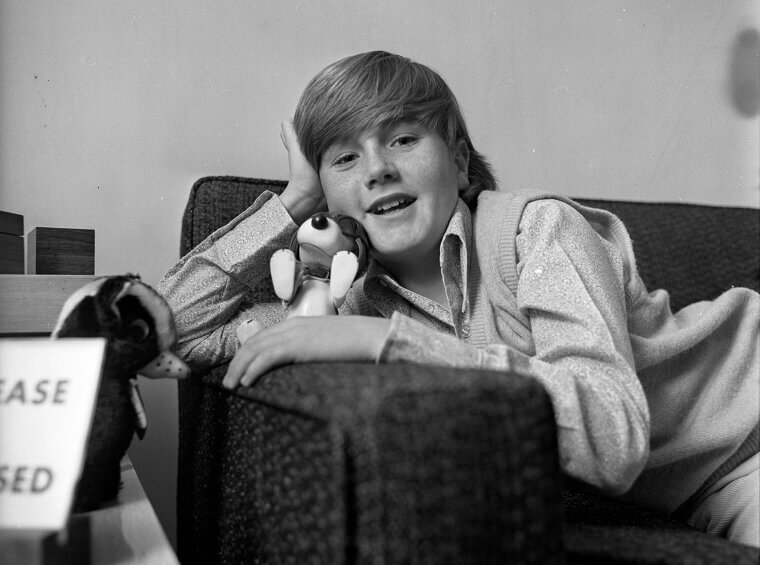
Robbins’ performance remains the definitive version of the character, setting the tone for the entire Peanuts franchise.
Lucille Bliss as Smurfette in "The Smurfs," Anastasia in "Cinderella," and "Crusader Rabbit"
Lucille Bliss had a career that stretched from the 1940s to the 2000s, but she is perhaps most famously known as the voice of Smurfette. She gave the only female Smurf in the village a sweet, high-pitched, yet resilient tone. Bliss was a veteran of the industry, having previously voiced Anastasia (the stepsister) in Disney’s "Cinderella" and the title character in "Crusader Rabbit," the first animated series made specifically for television.
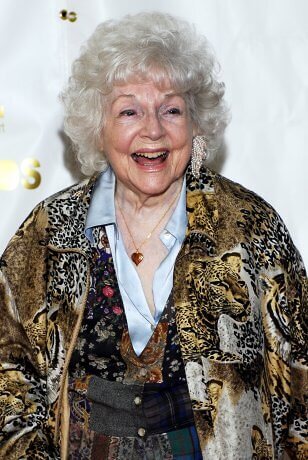
Her ability to maintain a youthful, energetic sound well into her senior years made her a legend among her peers in the voice-acting community.
Stan Freberg as the Honey Nut Cheerios Bee in "Honey Nut Cheerios Commercials"
Stan Freberg was a satirical genius, a radio star, and a marketing mastermind who used his voice to change the way we look at commercials. While he voiced many characters, his work as the original Honey Nut Cheerios Bee brought a fast-talking, jazzy energy to the breakfast table. Freberg believed that commercials should be as entertaining as the shows they sponsored, and his vocal performances were always filled with wit and personality.
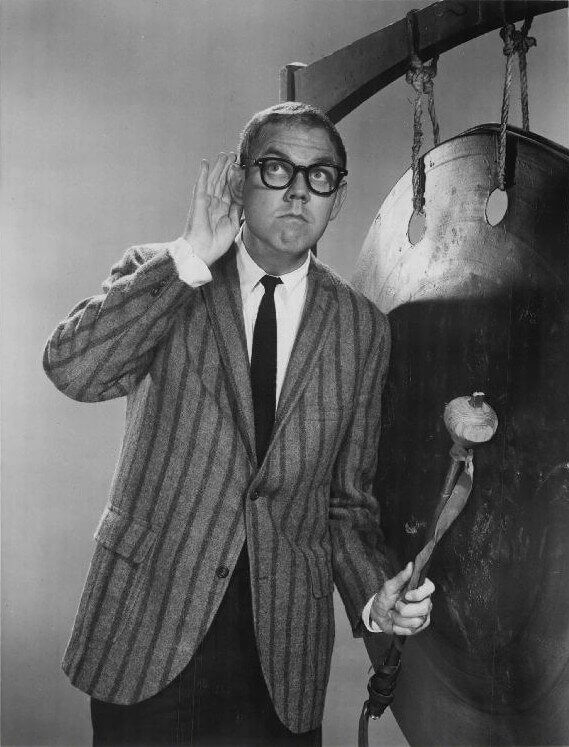
He was a pioneer who proved that "selling" something could be a true art form when done with the right voice.
Howard Morris as Beetle Bailey in "Beetle Bailey & His Friends" and Jughead Jones in "Archie"
Howard Morris was a comedic powerhouse, famous for his work with Sid Caesar on "Your Show of Shows," but he was also a prolific voice actor. He brought the lazy, nap-loving Army private Beetle Bailey to life with a perfect "slacker" drawl. Morris also voiced the high-strung Jet Screamer in "The Jetsons" and Jughead Jones in the "Archie" cartoons. His voice had an elastic quality that could stretch from a whisper to a frantic scream.
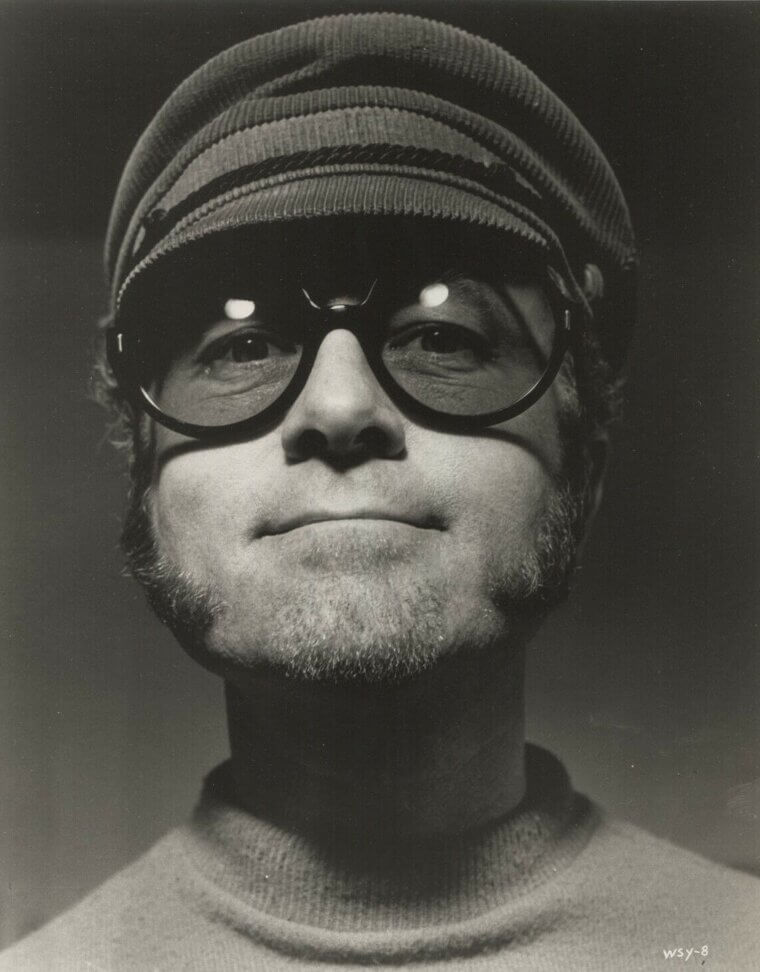
And that made him one of the most expressive performers in the history of the medium.
Dallas McKennon as Tony the Tiger (Early Years) in "Kellogg’s Frosted Flakes"
Before Thurl Ravenscroft made the role his own, the versatile Dallas McKennon was one of the early voices of Tony the Tiger. McKennon gave the tiger a slightly different, more "cartoonish" energy in the early 1950s before the character settled into his deep-voiced persona. McKennon’s ability to adapt to any brand’s needs made him a favorite in the advertising world. Whether he was voicing a cereal mascot or a Disney dog, he gave all he had.
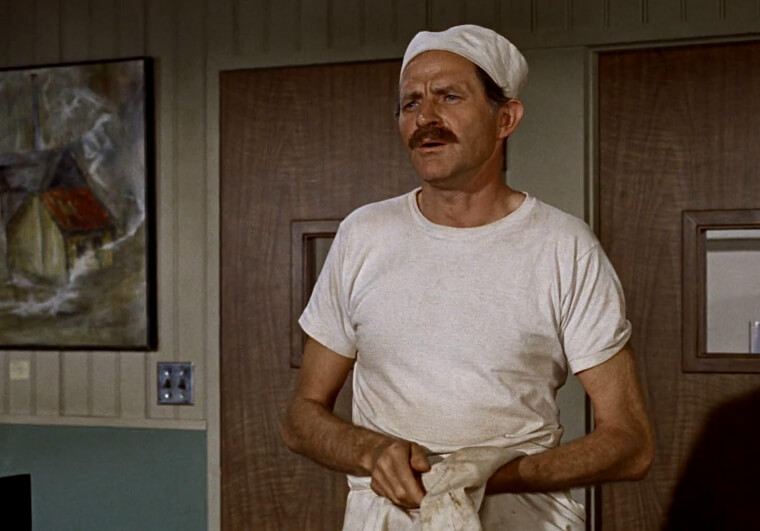
He brought a level of professionalism and character depth that helped these "commercial" entities become part of our collective cultural fabric.
Arnold Stang as Top Cat in "Top Cat"
Arnold Stang had one of the most unique voices in Hollywood—a nasal, "tough guy from the city" tone that was both hilarious and endearing. He used this to perfection as the leader of the alley cat gang, Top Cat. Stang reportedly based the voice on Phil Silvers’ Sergeant Bilko, giving the character a fast-talking, manipulative, yet lovable personality. Stang was a frequent guest on variety shows.
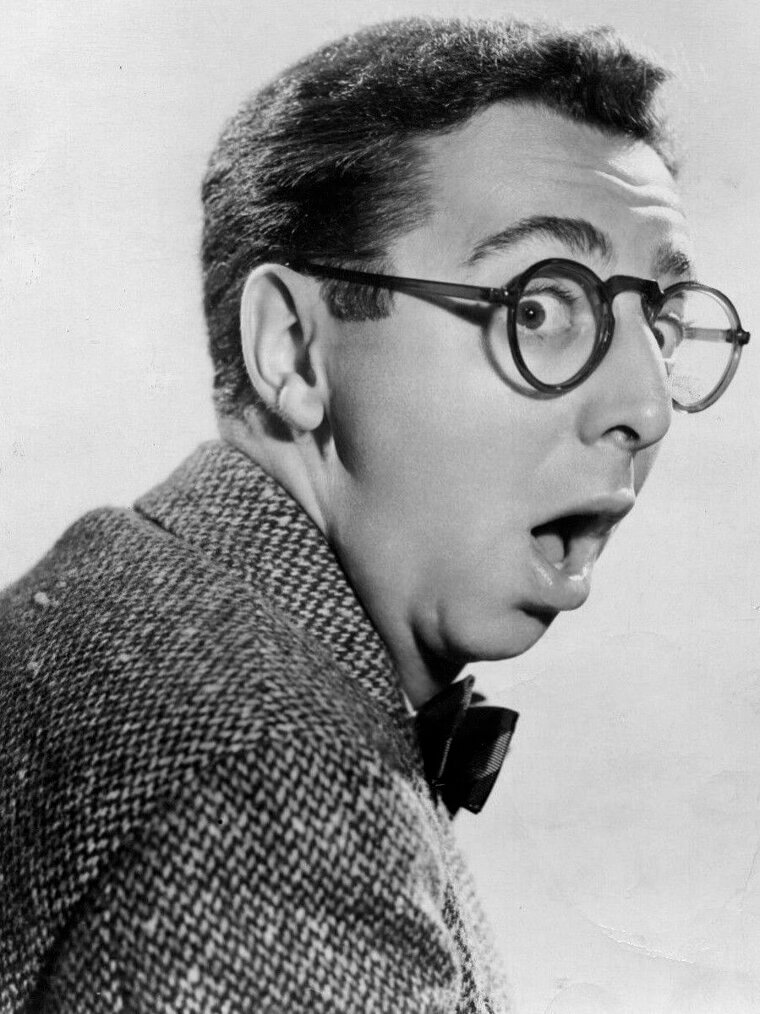
But his voice work allowed him to play characters that his small physical stature might have otherwise prevented, proving that the microphone is the great equalizer.
Ginny Tyler as Various Animals in "Disney’s True-Life Adventures"
Ginny Tyler was known as the "Disneyland Storyteller." She was a master of animal vocalizations and provided the "voices" for many of the creatures in Disney’s live-action and animated features. She could mimic everything from a squirrel to a bird, and she narrated dozens of Disney records that accompanied storybooks. Tyler had a magical, welcoming tone that invited listeners into the story.
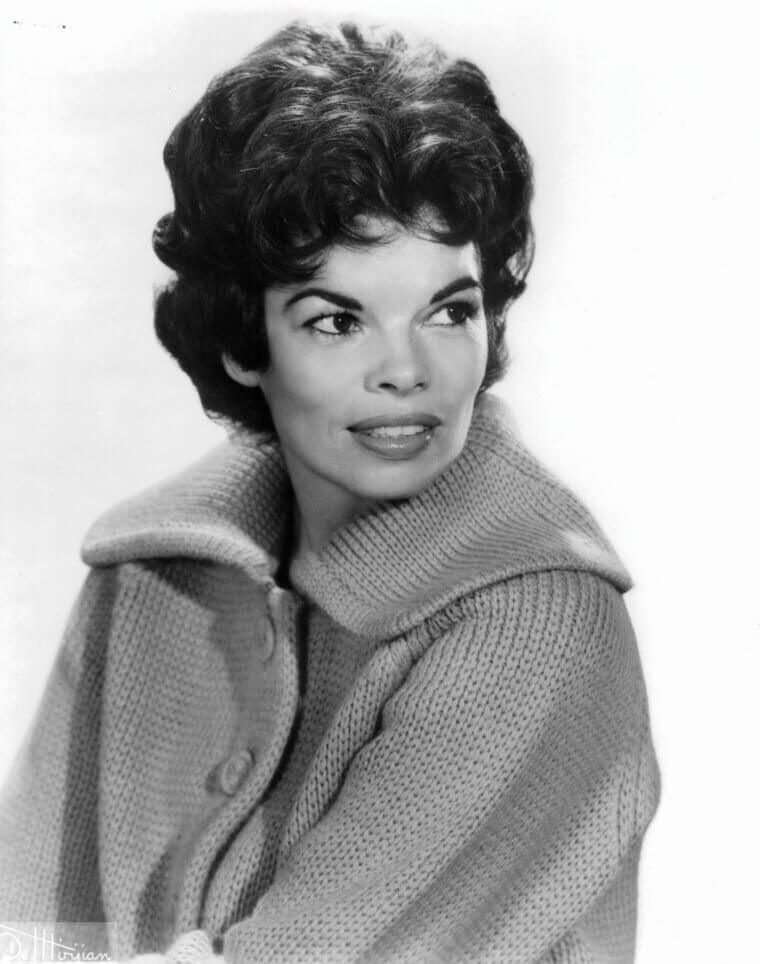
She was one of the first female "headliners" at Disney who specialized almost exclusively in the auditory experience, helping to build the immersive world of the Disney brand.
Arthur Q. Bryan as Elmer Fudd in "Looney Tunes"
Arthur Q. Bryan was the man behind the "wascally wabbit’s" greatest foil, Elmer Fudd. Bryan’s natural voice actually included the famous rhoticism (the inability to pronounce "R" sounds), which he leaned into to create Elmer’s signature speech pattern. Unlike many voice actors of the time, Bryan was a successful radio actor who didn't initially want to do cartoons, but his chemistry with Mel Blanc was too good to ignore.
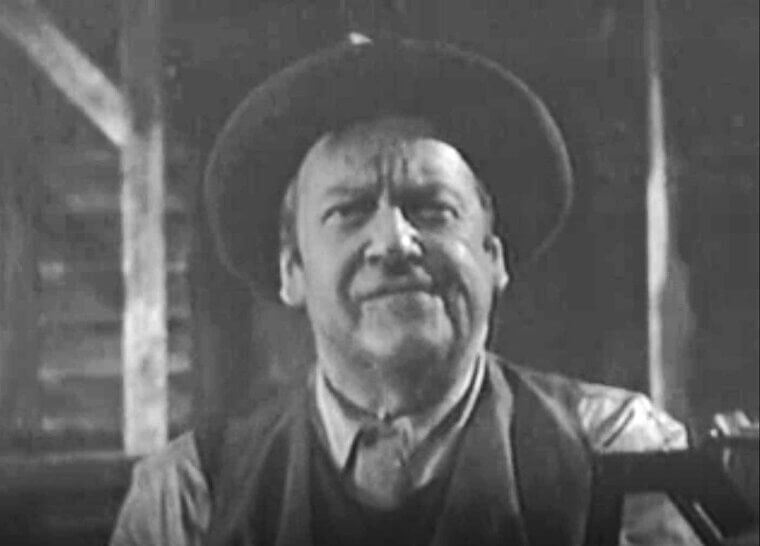
He gave Elmer a sense of "lovable frustration" that made the hunter an essential part of the "Looney Tunes" dynamic for decades.
Dick Beals as Speedy Alka-Seltzer in "Alka-Seltzer Commercials," Gumby and Davey in "Davey and Goliath. "
Dick Beals had a unique glandular condition that kept his voice from ever deepening, allowing him to sound like a young boy for his entire life. This made him the go-to actor for child characters, most famously "Speedy Alka-Seltzer." With his bright, high-pitched "Plop, plop, fizz, fizz," Beals became the voice of relief for millions of Americans. He also voiced Gumby in certain eras and "Davey" in "Davey and Goliath."
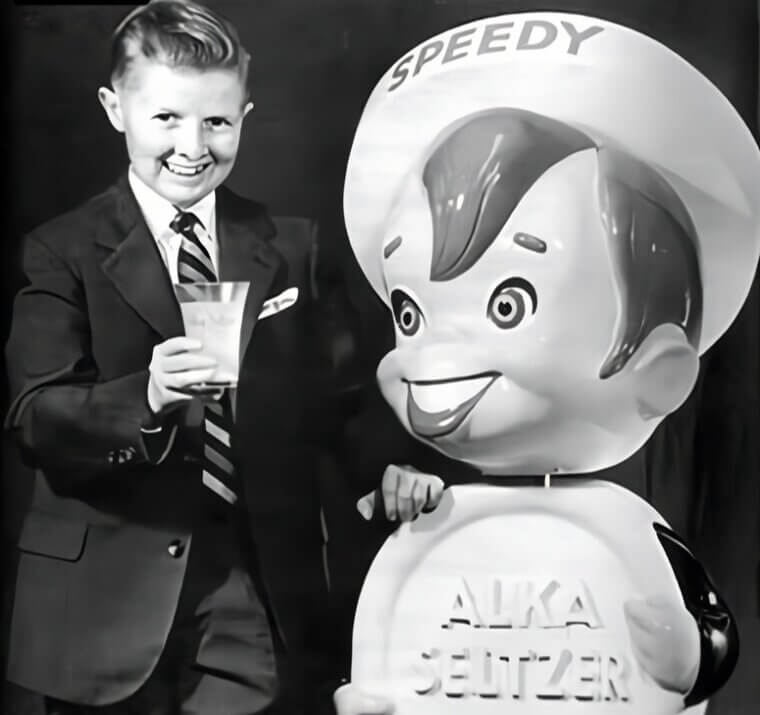
Beals was a giant in the industry, proving that what some might see as a limitation can actually be a superpower in the world of voice acting.