
This article was originally published on GoSpinMagazine
Julian Casablancas - The Strokes
Julian Casablancas didn’t grow up wondering how to pay for music lessons. Born in New York City to John Casablancas, the entrepreneur who founded Elite Model Management, he was raised around fashion-industry power and big-city access. That kind of privilege can buy time, connections, and confidence—yet it doesn’t write hooks for you. When you hear. The Strokes’ tight, sneering melodies, you’re hearing someone who still had to obsess over records, form a band, and earn respect gig by gig.

Wealth opened doors, but his songwriting and voice kept them open for years and survive the New York club scene.
Lars Ulrich - Metallica
Lars Ulrich was born in Denmark into what he’s described as an upper-middle-class family, exactly the kind of start that can fund big dreams. His father, Torben Ulrich, was a prominent tennis player, and the household had deep ties to arts and travel. Privilege helped him discover bands early, collect records, and move to the United States as a teenager. Money buys drums, not momentum. Not your hunger, either. But Metallica wasn’t inevitable.

You still have to be obsessive enough to recruit bandmates, rehearse relentlessly, and turn raw taste into a new sound that changes heavy music forever.
Carly Simon
Carly Simon didn’t need to “make it” to escape anything—she was raised in an upper-class New York home where art and opportunity were built in. Her father, Richard L. Simon, co-founded the publishing giant Simon & Schuster, and that kind of family wealth can mean great schools, connections, and a life steeped in culture. What it can’t do is give you emotional truth.
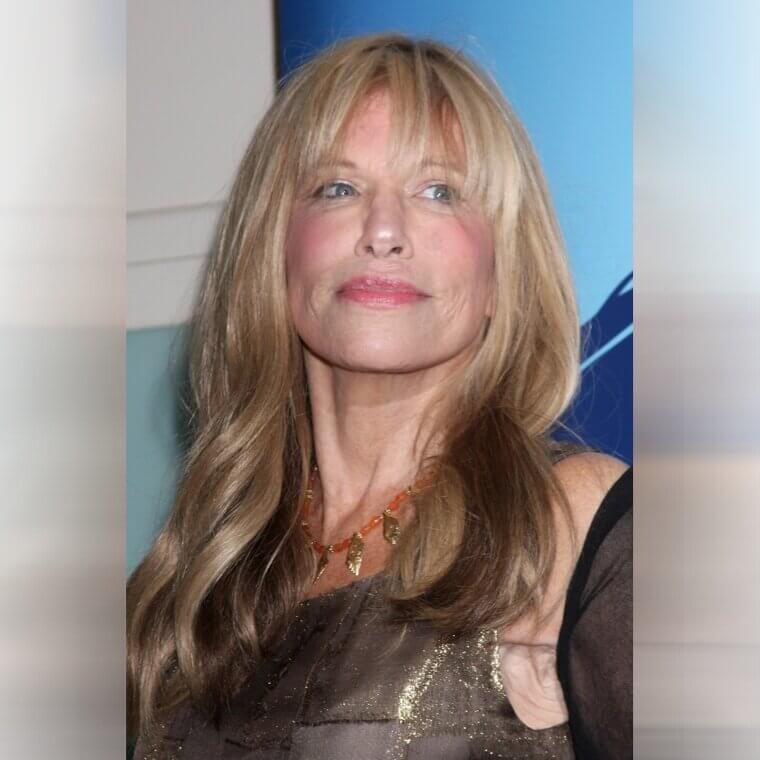
When you listen to Carly’s intimate writing and unmistakable phrasing, you’re hearing an artist who turned privilege into craft, and comfort into songs that still sting. You get the polish but also the bite inside.
Lindsay Buckingham - Fleetwood Mac
Lindsey Buckingham grew up in the Bay Area’s affluent orbit, raised in Atherton, California, with a father who served as president of a coffee company. That’s not the classic broke-musician backdrop—you’re looking at a household that can buy gear, give you space to practice, and treat music as a real option. Still, you don’t end up reshaping Fleetwood Mac through comfort alone. His fingerpicked guitar style and perfectionist production came from relentless self-teaching and obsession.
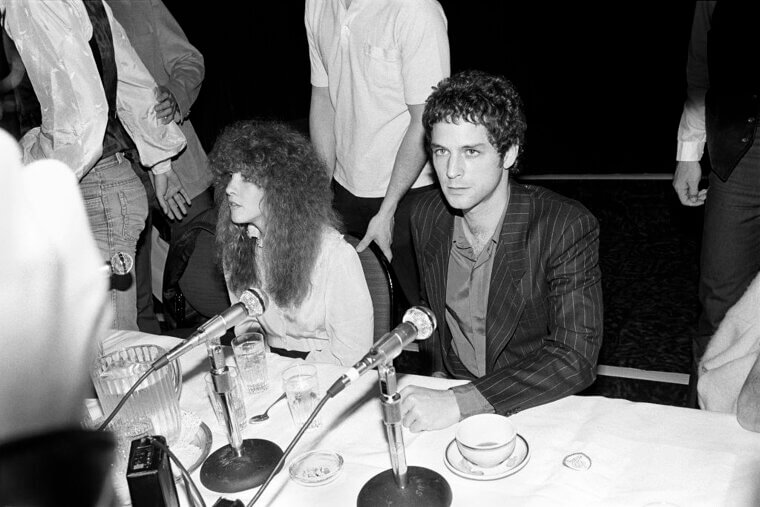
When you hear those layered harmonies and precise riffs, you’re hearing privilege meet work ethic—and the work wins in the end.
Adam Levine - Maroon 5
If you picture a scrappy garage-band origin story, Adam Levine’s childhood is a little different. He was born in Los Angeles to Fredric Levine, who founded the M. Fredric retail chain, so he grew up with the security that comes from a successful family business. That cushion can make it easier for you to chase creative risks instead of a steady paycheck. Still, you don’t become the voice of Maroon 5 on allowance alone.

His pop instincts and sharp phrasing were built through years of writing, rehearsing, and performing until the songs finally sounded effortless to anyone listening on radio.
Grace Slick - Jefferson Airplane
Grace Slick’s counterculture image can make you forget she wasn’t raised on the margins. Her father worked in investment banking, and she attended private schools—including Castilleja in Palo Alto—before studying at Finch College. That’s a polished, well-funded start, the kind that exposes you to art, travel, and confidence long before you’re onstage. Yet her fearless presence in Jefferson Airplane wasn’t purchased; it was chosen.
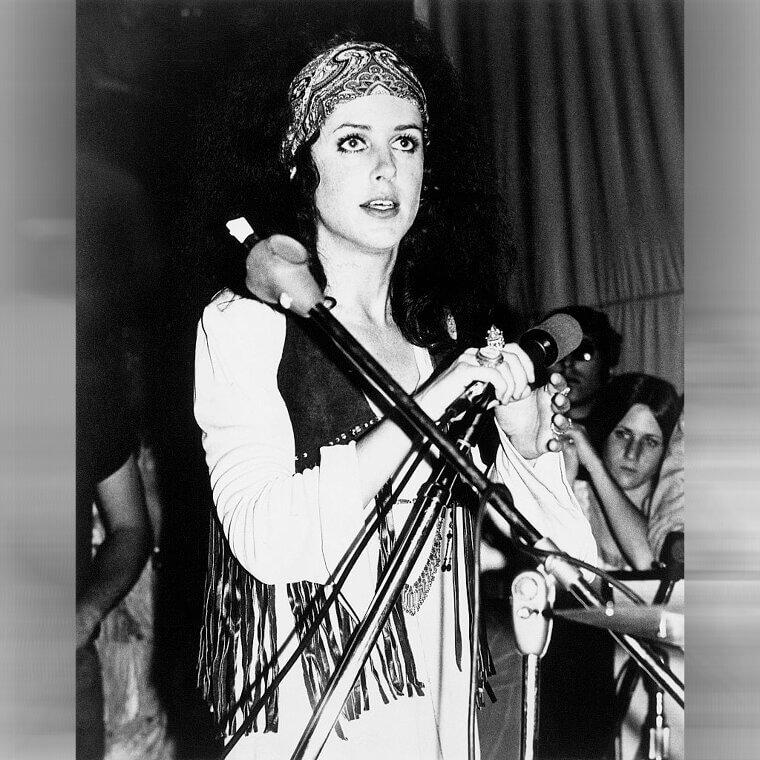
When you listen to her soaring vocals and sharp attitude, you’re hearing a performer who took privilege and aimed it straight at the establishment. You can feel that certainty in every chorus she delivers.
Gram Parsons - The Byrds and The Flying Burrito Brothers
Gram Parsons is practically the poster child for “born rich, played country.” His mother was the daughter of citrus magnate John A. Snively, and Parsons later received substantial trust-fund income. That money helped him drift between schools, scenes, and bands without a day job forcing his hand. It also fed the myth of the charming, self-destructive aristocrat.
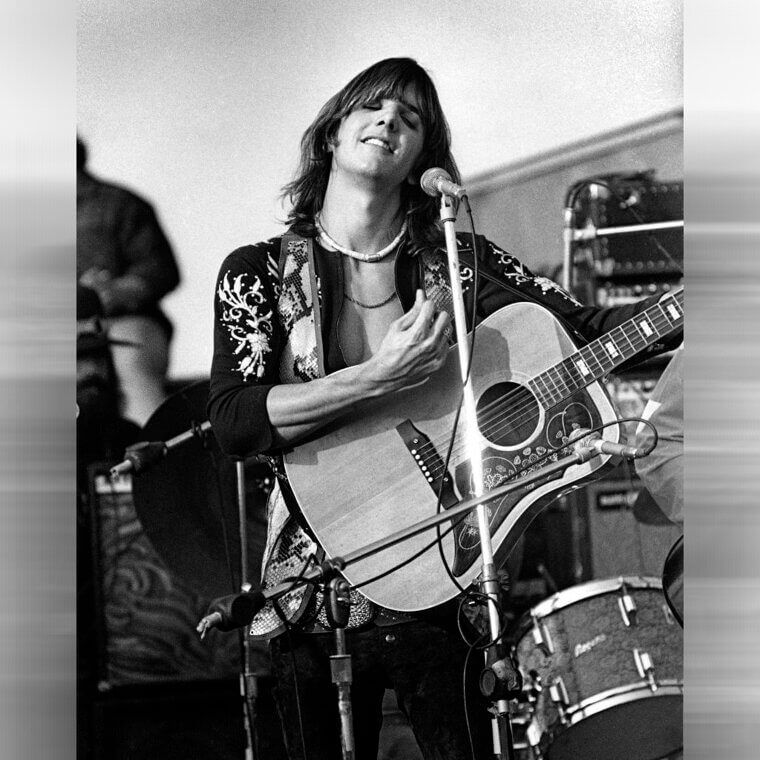
But the real legacy is musical: when you hear his work with the Byrds and the Flying Burrito Brothers, you’re hearing someone who used cushion to chase a risky new blend of country and rock—then made it sound inevitable today.
Brian Wilson - Beach Boys
You might picture Brian Wilson growing up in endless California sunshine and easy money, but his start was distinctly middle-class. Born in Inglewood and raised in Hawthorne, he was the eldest son of Audree Wilson and Murry Wilson, a machinist who pursued songwriting part-time. What he did have was time, siblings who sang, and a parent determined to mold talent—sometimes harshly.
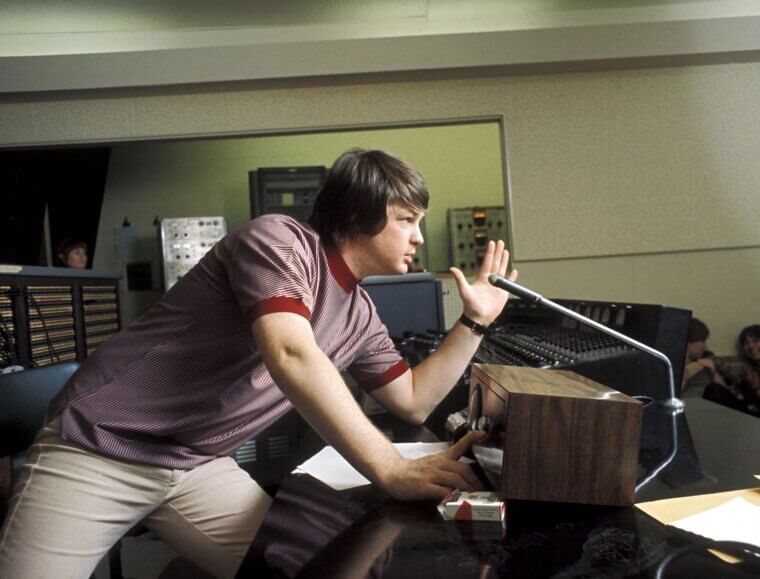
That pressure turned the family living room into a practice space where Brian learned to stack melodies, hear chords, and chase perfection. Those early, no-frills lessons became the quiet engine behind the Beach Boys’ most ambitious recordings ever.
Dave Haywood - Lady A
Dave Haywood’s path to Lady A wasn’t fueled by hardship myths—it was powered by stability. His dad, Van, worked as a dentist and dental instructor and is credited with a tooth-whitening method; his mom, Angie, was a teacher. That’s the kind of professional, comfortable upbringing that can afford instruments, lessons, and a home where music feels normal. You can picture family singalongs shaping his ear long before arenas did.

When you listen to his precise guitar work and harmony instincts, you’re hearing someone who had support early—and then kept daily sharpening the craft through discipline and collaboration.
Chris Martin - Coldplay
Chris Martin didn’t arrive with celebrity parents, but you can trace advantage in his upbringing. He grew up in Exeter with a father who worked as a chartered accountant and a mother who taught music—steady jobs that supported a music-leaning home. Martin attended Sherborne School, an independent school, where he had ensembles, peers who played, and time to write.
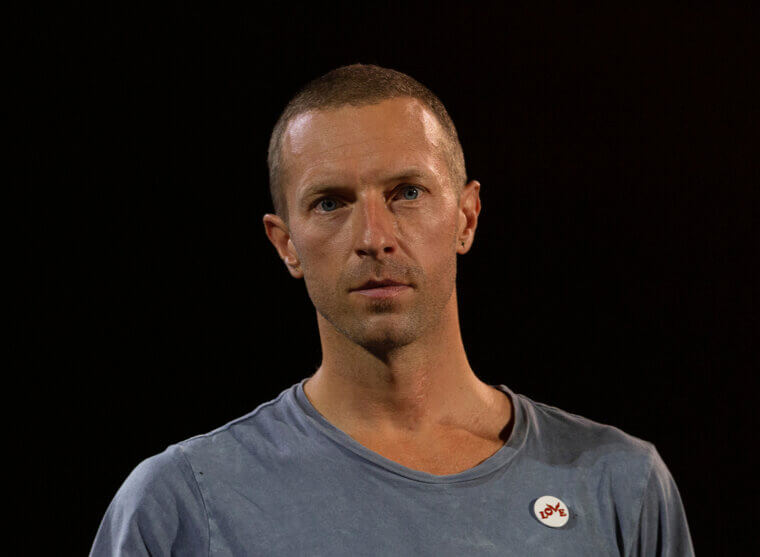
That kind of environment won’t guarantee a band, but it can remove a lot of barriers: instruments aren’t mysterious, practice is normal, and performing feels possible. Later, when Coldplay aimed for stadiums, he already knew how to hold a room.
Joe Strummer - The Clash
Joe Strummer didn’t come from a silver-spoon rock fantasy, but he wasn’t raised without privilege, either. Born in Ankara to a father who served as a British foreign-service officer, he spent childhood moving between countries and later attended boarding school in England. That background meant education, stability, and a wider world view than most punks could claim. The twist is what he did with it: instead of protecting comfort, he turned it into urgency for you to shout along.
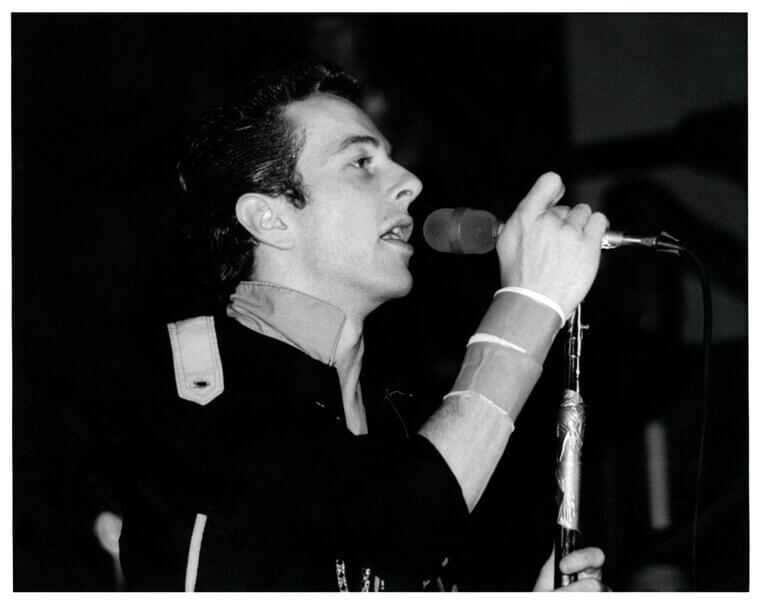
When you hear The Clash, you’re hearing someone who could have coasted—and chose to pick a fight with injustice instead.
Brian Jones - Rolling Stones
If you assume Brian Jones was born into rock-star luxury, the reality is subtler. He grew up in Cheltenham in a comfortable, music-friendly household: his father worked as an aeronautical engineer and also taught piano, while his mother played keys and led church music. That kind of stability meant instruments were within reach, and curiosity was encouraged.
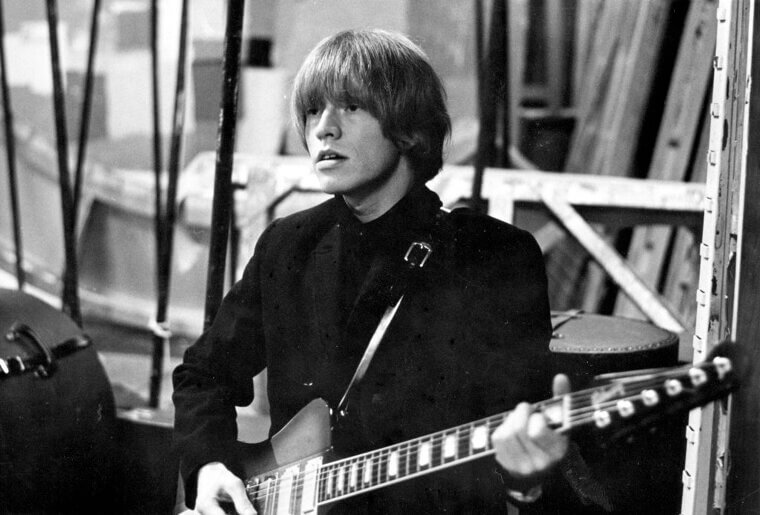
By the time he was a teenager, Jones could move between piano, clarinet, saxophone, and guitar, building the versatility that later made him the Rolling Stones’ early sonic explorer. Privilege didn’t write the riffs, but it helped him access the very tools early.
Miley Cyrus
Miley Cyrus was born into show business. Her father is country singer and actor Billy Ray Cyrus, so you can assume the household understood studios, managers, and how careers get built. She grew up around Nashville, and that access helped her step in front of cameras young—first with small acting parts, then with the massive launch of Hannah Montana. Of course, a famous last name also brings pressure and scrutiny.

What’s impressive is how she kept reinventing her sound as an adult. When you listen across her eras, you’re hearing someone who used early advantage—and outworked the label.
Thom Yorke - Radiohead
Thom Yorke is often grouped with “privileged” artists, but his childhood was more about education than riches. Born in Northamptonshire, he was raised by parents with professional careers—his father worked in science and his mother taught—so you’re looking at stability, not a trust fund. The family moved around England, and Yorke eventually attended Abingdon School, where he met future Radiohead bandmates and found rehearsal space, equipment, and an audience for noisy experiments.
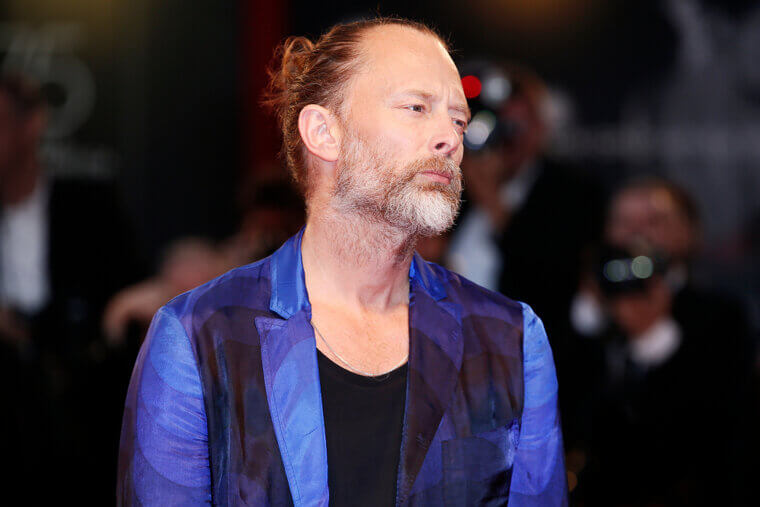
That steady foundation—books, structure, and room to obsess—helped him turn teenage anxiety into songs that feel uncomfortably universal. It was privilege, but not flashy.
Peter Gabriel - Genesis
Peter Gabriel’s imagination grew in circumstances many rock icons never had. Raised in Surrey in a comfortable family, he had stability, instruments, and an expectation that education mattered. He attended Charterhouse, a prestigious boarding school, where choirs, bands, and rehearsal space were part of daily life. That kind of support buys time to practice, to fail, and to start again without panic. So when Genesis formed, Gabriel already treated performance as craft, not accident.
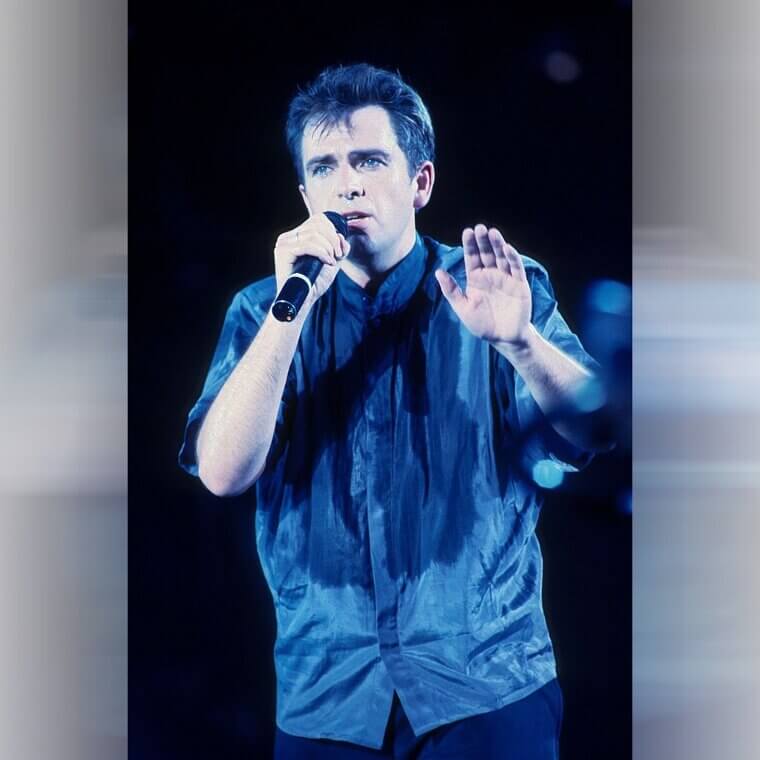
His later solo work kept that same ambitious scale, turning early security into fearless experimentation. You can hear it in how he builds worlds onstage alone.
Hank Williams Jr. - The Bama Band
Hank Williams Jr. was born into country-music royalty: his father was the legendary Hank Williams, so the family name carried instant weight in Nashville. Even after Hank Sr. died when his son was three, that legacy meant access—industry attention, visitors with instruments, and a built-in audience hungry for “the next Hank.” You can’t buy a voice, though, or the grit it took to step out of the impersonator shadow.
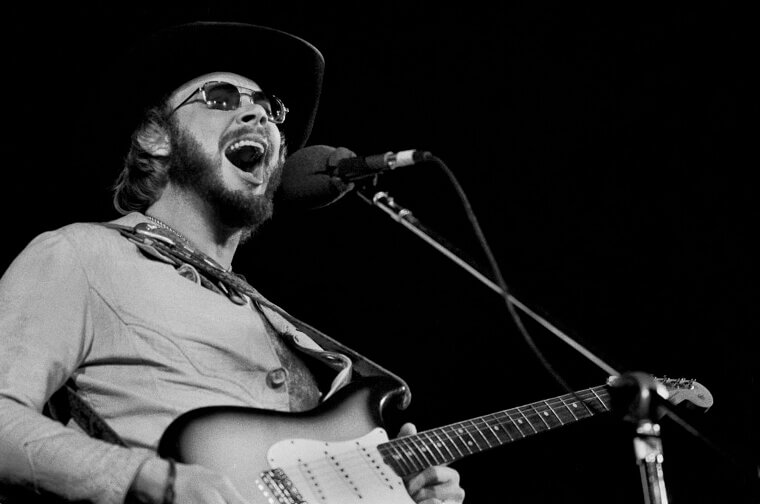
When you hear Hank Jr.’s blend of rock, blues, and country, you’re hearing someone who used inherited advantage to build a louder, rougher identity on his own terms.
Michael Nesmith - The Monkees
Michael Nesmith is a tricky fit for “born into wealth,” because the fortune came later. He was born in Texas to Bette Nesmith Graham, before she invented Liquid Paper and became a business success. So his childhood wasn’t automatically cushy. The twist is what followed: her invention changed the family’s finances, and Nesmith later inherited a sizable estate. That cushion helped him take creative risks—producing, investing, and chasing odd ideas after The Monkees without fearing total ruin.
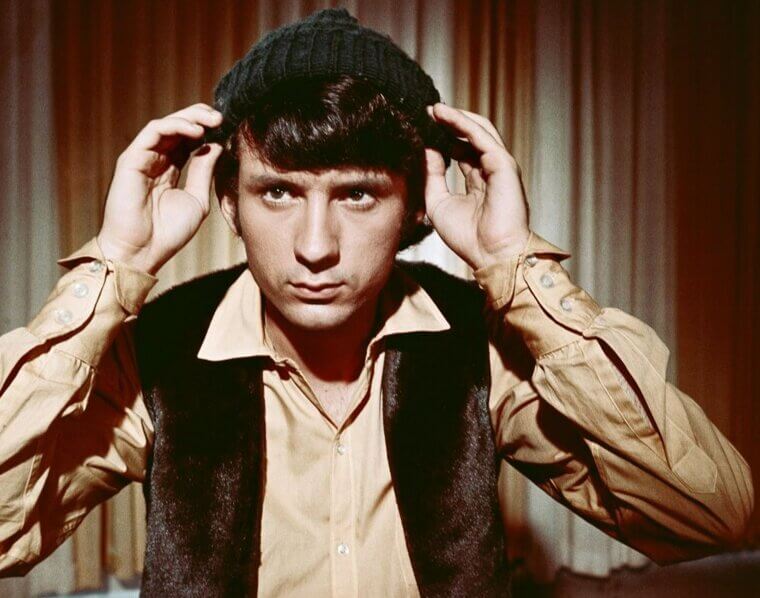
Think of it as delayed privilege: not a silver spoon at birth, but a powerful safety net in adulthood when choices mattered.
Albert Hammond Jr. - The Strokes
Albert Hammond Jr. grew up with global privilege that can speed up a music career. Born in Los Angeles, he’s the son of hit songwriter Albert Hammond and Argentine Claudia Fernández, a former model. As a kid, he was sent to Institut Le Rosey in Switzerland, an elite boarding school for the very wealthy. There he met Julian Casablancas, who later became his bandmate in The Strokes.
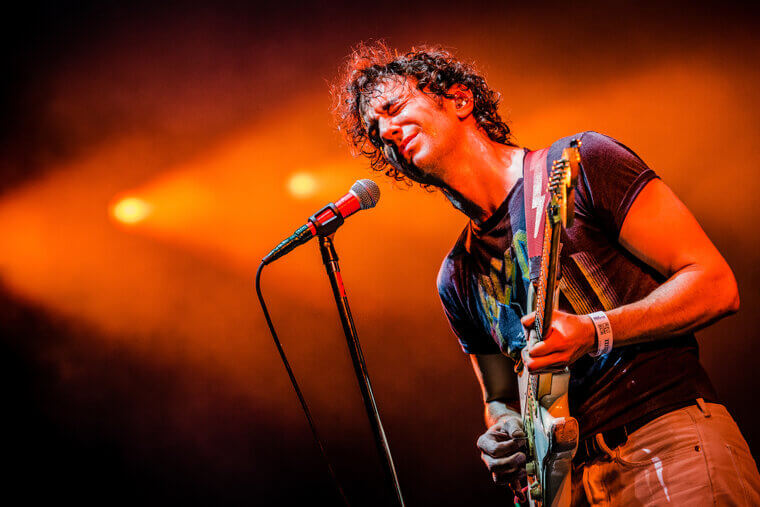
That background meant travel, polish, and access to peers with instruments and rehearsal space. Privilege didn’t write the riffs, but it helped place him exactly where a future scene was gathering there first.
Jim Morrison - The Doors
Jim Morrison’s wild image can hide his secure upbringing. He was born in Florida to a Navy family: his father, George Stephen Morrison, rose to the rank of rear admiral. Military life meant steady pay, housing, and access to schools, even as the family moved frequently. The fascination is the contrast—you’re watching someone raised around rules turn into rock’s poet of refusal.
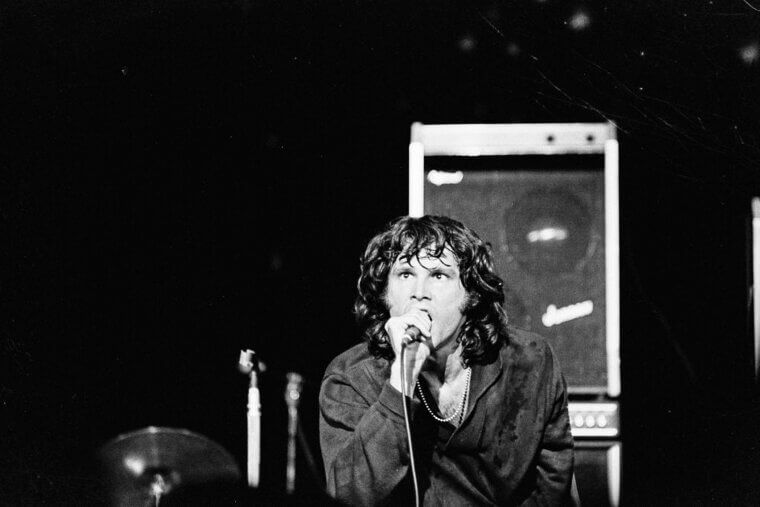
That stability also meant books were available, and Morrison’s obsession with literature had room to grow. He didn’t inherit a music career, but he did inherit a safety net, and he pushed against it in every performance.
Kid Rock
Kid Rock’s “down-home rebel” persona hides a cushy start. He was born in Michigan to a father who owned multiple car dealerships, and he grew up on a large property that included an orchard and horses. That kind of money can buy instruments, studio time, and the freedom to chase Detroit’s music scene without panicking about rent. Of course, privilege doesn’t teach you to move a crowd.

When you listen to his early rap-rock hustle, you’re hearing someone with resources—who still had to earn attention, one loud show at a time and prove you can’t fake belonging either.
Miles Davis
Miles Davis didn’t start as the stereotypical “struggling jazz kid”—his family had money. Born in Illinois, he grew up in an affluent Black household: his mother was a music teacher and violinist, and his father was a dentist. The family owned substantial property, including a rural estate, so Davis knew horses, land, and security early. That stability let him focus on craft: he got a trumpet as a teenager and had time to practice.
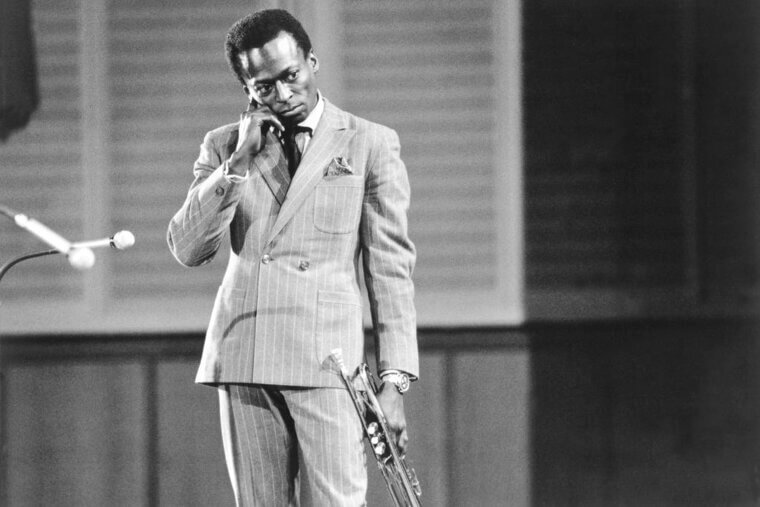
Later, when he reinvented jazz repeatedly, it wasn’t an escape-from-poverty story. It was the work of someone with room to obsess, learn, and take risks.
Ariana Grande
Ariana Grande didn’t grow up in a showbiz dynasty, but you can see comfort in her early setup. She was raised in Boca Raton, Florida, by entrepreneurial parents: her mother, Joan, ran a communications company, and her father, Ed Butera, worked in graphic design. That meant lessons, auditions, and travel were possible without derailing the household. As a kid, she could chase theatre, vocal training, and acting opportunities—the kinds of steps that often cost more than talent alone.

When you later watched her leap from Nickelodeon to superstardom, remember she built on a runway that many dreamers never get.
Fiona Apple
Fiona Apple’s childhood wasn’t a glossy, gated version of New York, but it was surrounded by the arts. Born in Manhattan, she came from a performer family: her father, Brandon Maggart, acted, and her mother, Diane McAfee, sang. That doesn’t guarantee riches, yet it can grant access—musicians around, talk about craft, and the feeling that art is a real path. Apple played piano early and built a fierce musical identity long before fame.
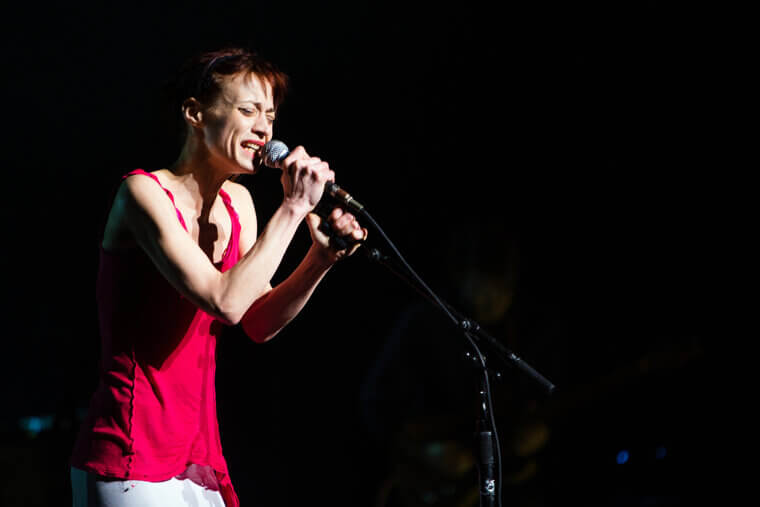
When she released “Tidal” as a teenager, you weren’t hearing luxury; you were hearing obsession, sharpened by an artistic home base and lots of hard practice.
Enrique Iglesias
Enrique Iglesias was born into fame that soon translated into wealth. He’s the son of global superstar Julio Iglesias and socialite-journalist Isabel Preysler, so the spotlight arrived early. As a teenager he moved to Miami and attended private school, growing up around comfort, connections, and big expectations. Here’s the part that makes his story interesting: he pursued music quietly at first, using a different identity so he wouldn’t be handed a free pass.

The advantages were real, but he still chased proof through hits, touring stamina, and a long career built on his own name not just his father’s reputation.
Lady Gaga
Lady Gaga’s rise was powered by talent, but she didn’t start from zero. Born in Manhattan, she grew up in an upper-middle-class Catholic family; her mother was a business executive and her father an internet entrepreneur. At 11, she attended Convent of the Sacred Heart, a private girls’ school, and she took piano lessons early. That kind of support buys you time to practice, coaching to improve, and the confidence to chase stages in a city.

You can see how it mattered: before the wigs and spectacle, she already had training, discipline, and the expectation that big dreams were possible.
Nancy Sinatra
Nancy Sinatra shows how proximity to fame can open doors—and still leave you fighting for identity. She was Frank Sinatra’s eldest child, born in New Jersey in 1940 as his career was rising. After the family moved west, she had lessons, access, and industry connections. That advantage helped her get in the room, but it didn’t guarantee a persona people wanted. In the mid-1960s she reinvented herself with a new sound and image, separating her name from her father’s shadow.
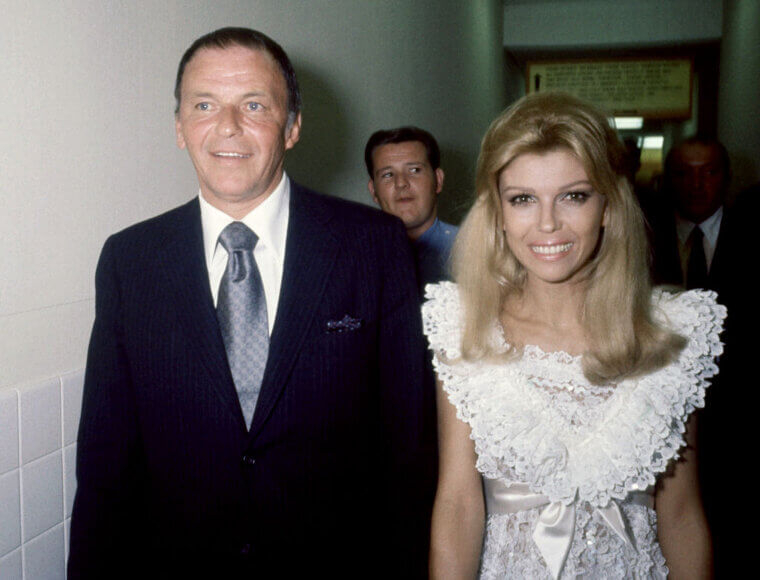
When “These Boots Are Made for Walkin’” topped charts, it landed as her statement, not a hand-me-down at all.
Taylor Swift
Taylor Swift didn’t start from zero. She was raised on a Pennsylvania Christmas tree farm in a family with money and business savvy. Her father worked in finance at Merrill Lynch, and her mother had a marketing background, so support meant more than encouragement—it meant resources. That’s why you see early lessons, demos, and a big move to the Nashville area while she was still a teenager. Privilege can open doors, but it can’t write bridges.

When you hear her precise storytelling, you’re hearing obsession, practice, and sharp instincts taking advantage of the runway you were never given yourself.
Jordin Sparks
With Jordin Sparks, the “born into wealth” angle is really about professional-sports stability. She was born in Phoenix to Jodi Wiedmann Sparks and Phillippi Sparks, a former NFL defensive back. An athlete’s paycheck doesn’t guarantee lifelong luxury, but it can mean neighborhoods, safer schools, and the ability to invest in a child’s talent. Sparks grew up while her dad played for the New York Giants, and she had the support to focus on singing early.
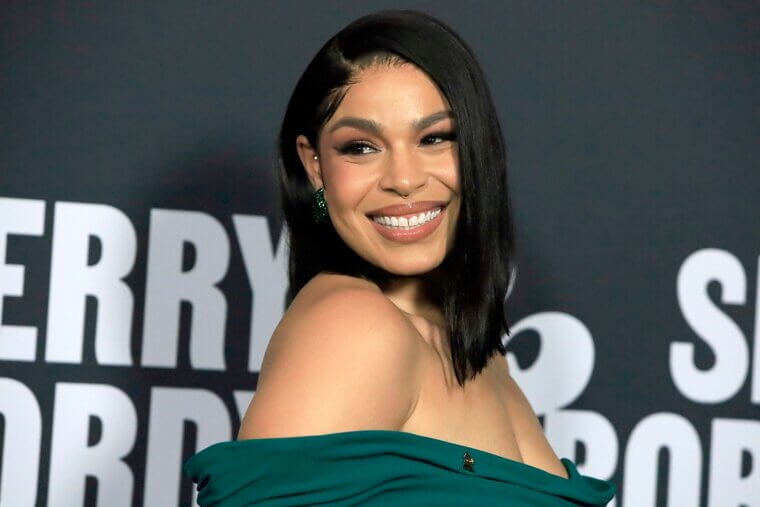
When she won American Idol at 17, you weren’t seeing a lucky break from nowhere—you were seeing preparation backed by family resources and belief.
Lily Allen
Lily Allen’s childhood mixed bohemian chaos with real industry privilege. Born in London to actor Keith Allen and film producer Alison Owen, she grew up with music and film in the family orbit. Even when home life wasn’t perfectly stable, the advantage was clear: creative adults, insider knowledge, and access to rooms where talent gets noticed. That background also helps explain her early confidence—she’d been around storytellers, so writing felt natural.

When her debut took off, it wasn’t because she appeared from nowhere; it was because she turned a connected upbringing into a distinct, relatable voice that felt fearless.
James Taylor
James Taylor grew up with advantages that many songwriters never get. Raised in North Carolina, he came from a prominent family; his father, Isaac M. Taylor, was a physician and academic. That security meant instruments, records, and the freedom to practice without worrying about basic needs. He also attended boarding school, where music-making and performance were built into student life. Privilege didn’t erase his later personal struggles, but it did provide a steady launchpad and a safety net while he learned his voice.

When his songs reached millions, you were hearing years of unhurried development in a protected, well-resourced bubble.
Mark Ronson
Mark Ronson’s origin story really does include old money. He was born into the Ronson family, once among Britain’s wealthiest and tied to the property firm Heron International, even though the family later lost huge sums in the early-1990s crash. His father, Laurence, worked in music and later real estate, and his mother was a socialite and designer. After a divorce, Ronson moved to New York with his mother and stepfather, Foreigner guitarist Mick Jones, and grew up on Manhattan’s Upper West Side.
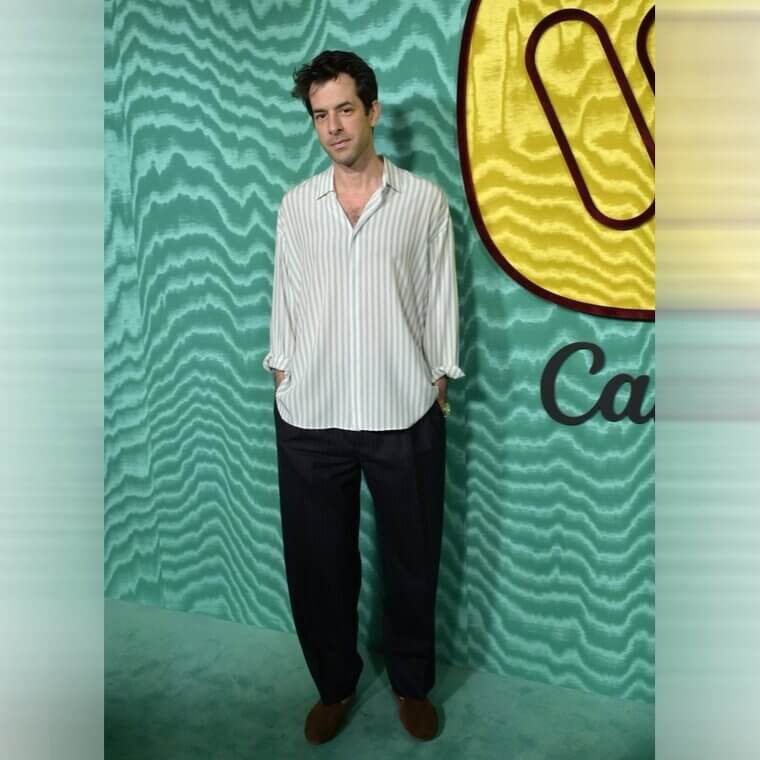
Private schooling, internships, and music gear weren’t distant dreams—they were options. That access shaped his instincts.
Gracie Abrams
When you listen to Gracie Abrams, it can sound like a diary cracked open—yet her surroundings were anything but ordinary. She was born in Los Angeles and raised in Pacific Palisades, and her parents are filmmaker J. J. Abrams and producer Katie McGrath. That kind of household doesn’t just mean comfort; it means proximity to studios, songwriters, and the idea that creative work is a real career.

You can also assume she had access to lessons, instruments, and the freedom to develop before stepping onstage. Even so, her songs still have to stand on their own—and they do.
Ezra Koenig - Vampire Weekend
Ezra Koenig’s story isn’t trust-fund tabloid material, but it does read as comfortable and culturally rich. He was born in New York City to a psychotherapist father and a set-dresser mother—steady, creative-professional work that can make arts education feel normal, not risky. Add the path to Columbia University, and you get an environment where curiosity is rewarded. That background shows up in Vampire Weekend’s literate lyrics and polished arrangements.

Still, you don’t write songs people tattoo on themselves by accident. You hear the advantage—and then you hear the craft taking over every time the chorus hits hard.
Lana Del Rey
Lana Del Rey was born in Manhattan to parents working in advertising—her father a copywriter and her mother an account executive. After the family moved to Lake Placid, her dad later became an entrepreneurial domain investor, keeping the household financially secure. That security shows up in the options she had: as a teen, she was sent to Kent School, an Episcopal boarding school in Connecticut. Money didn’t protect her from turmoil, but it did give her space to restart.

When you hear her lush, cinematic songs, you’re hearing experimentation backed by resources—and stubborn self-belief that refuses to quit.
Joan Baez
Joan Baez is sometimes assumed to have been born rich because she moved through elite circles later, but her early privilege was primarily intellectual. Her father, Albert Baez, was a physicist, and the family relocated often for academic work. That meant a childhood shaped by education, languages, and the belief that ideas matter more than display. Music also had space to grow, because discipline and study were household habits.
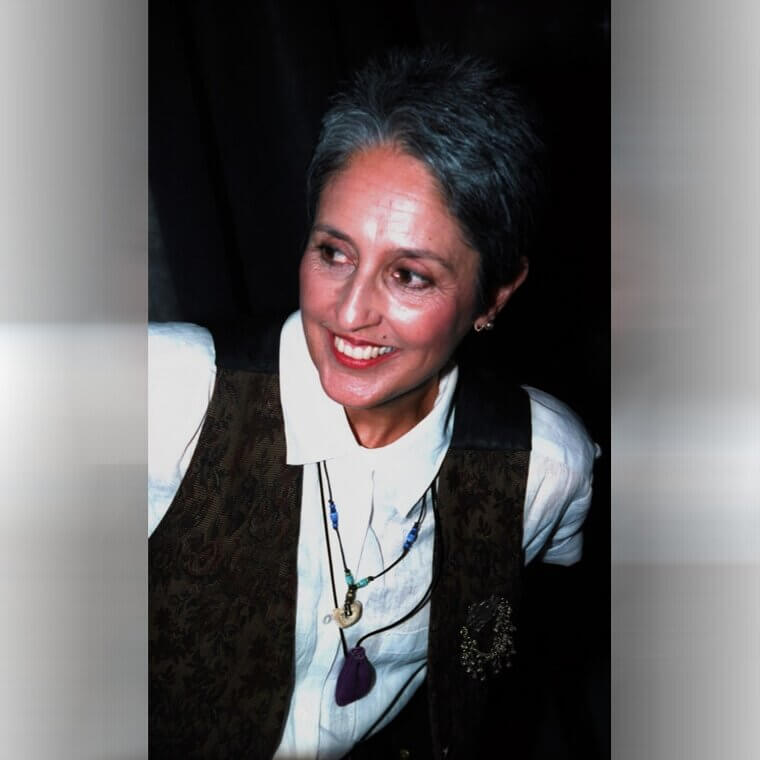
When Baez emerged as a voice of the 1960s folk revival, she paired artistry with conscience, showing how cultural capital can be as powerful as cash and open the same doors.
Kate Bush
Kate Bush’s genius didn’t appear out of nowhere—you can see the support system in her background. She grew up in Bexleyheath, Kent, in a family that valued art and education. Her father, Robert Bush, worked as a doctor, and the household was packed with music: her brothers played, and Kate was writing songs young and learning piano. Comfort matters here because it buys you privacy, time, and patience.
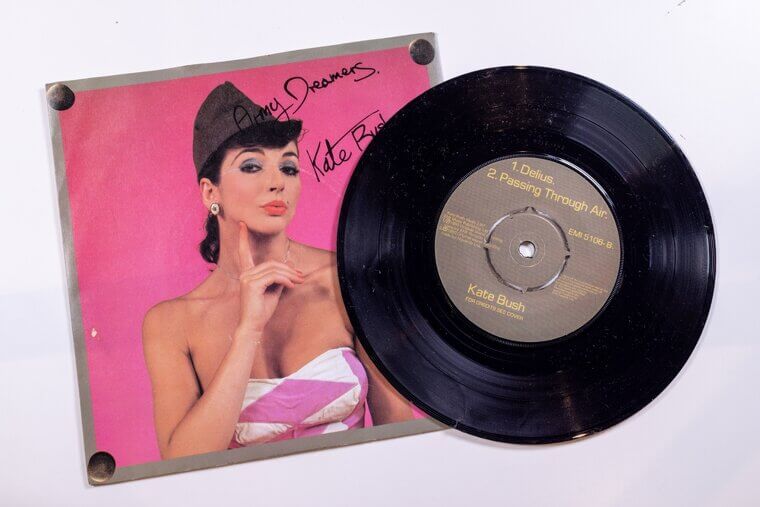
Instead of squeezing creativity into odd hours, she could experiment at home until her demos were strong enough to catch attention. By the time “Wuthering Heights” hit, she sounded fully formed.
Robin Thicke
Robin Thicke was born into entertainment, which changes the starting line. He grew up in Los Angeles with famous parents—actor Alan Thicke and singer-actress Gloria Loring—so studios, musicians, and industry talk were normal dinner-table topics. That environment can give you confidence, contacts, and early guidance. Instead of guessing how songs get made and marketed, you watch adults do it for a living. Of course, access isn’t artistry; you still have to deliver.
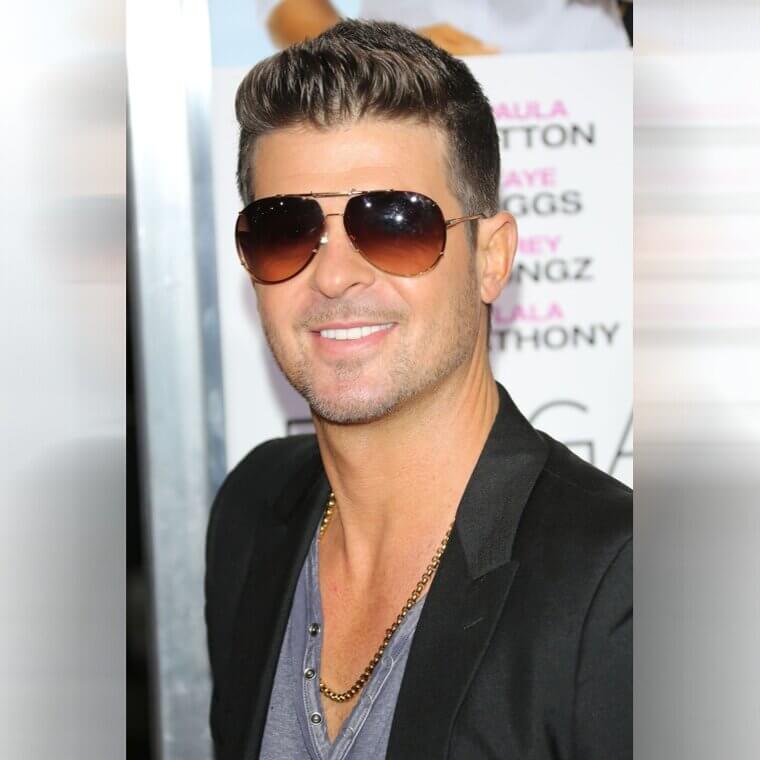
But when Thicke’s career moved fast, it made sense: he understood the business early, had support, and could focus on craft while others were juggling survival.