
The Silent Pact Between Julie Andrews and Christopher Plummer
On the set of The Sound of Music (1965), Christopher Plummer was famously miserable. He referred to the film as "The Sound of Mucus" and felt the role of Captain von Trapp was an empty vessel. A lesser actress might have taken his grumpiness personally, but Julie Andrews sensed his creative frustration. Instead of clashing, the two formed a "silent pact" of mutual survival. Andrews used her legendary patience to ground Plummer, while Plummer’s cynicism kept the set from becoming too saccharine.
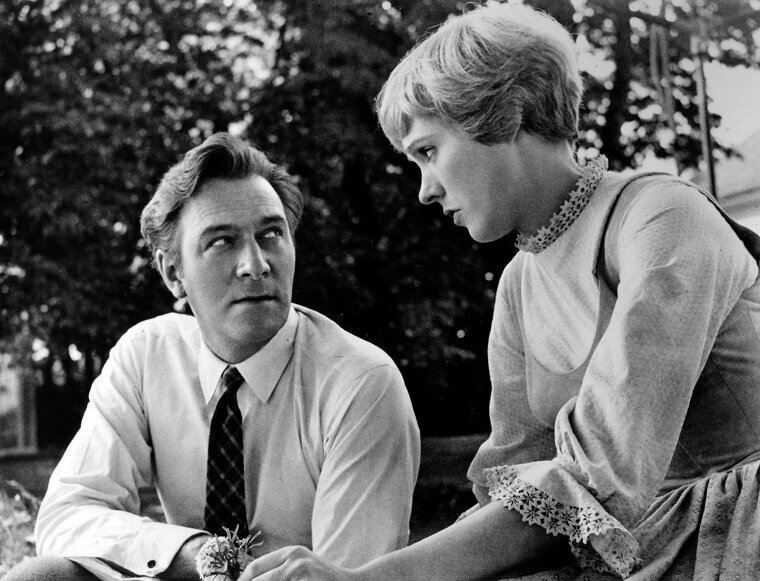
They spent their off-hours drinking and mocking the very sentimentality of the film they were making. This cynical bond actually birthed the tension that made their on-screen romance feel sophisticated rather than just a fairy tale.
Why the Cast of ‘The Golden Girls’ Wasn’t Always a Happy Family
To the world, they were the ultimate "ride or die" squad of the 1980s. But inside 632nd Street, the dynamic was strained by fundamentally different professional philosophies. Bea Arthur was a classically trained stage actress who valued precision and quiet; Betty White was a charming "pro’s pro" who loved to interact with the live audience between takes. Arthur reportedly found White’s sunny disposition and constant "on" switch exhausting. The tension wasn't a "feud" in the tabloid sense, but rather a clash of personalities—the stoic vs. the socialite.
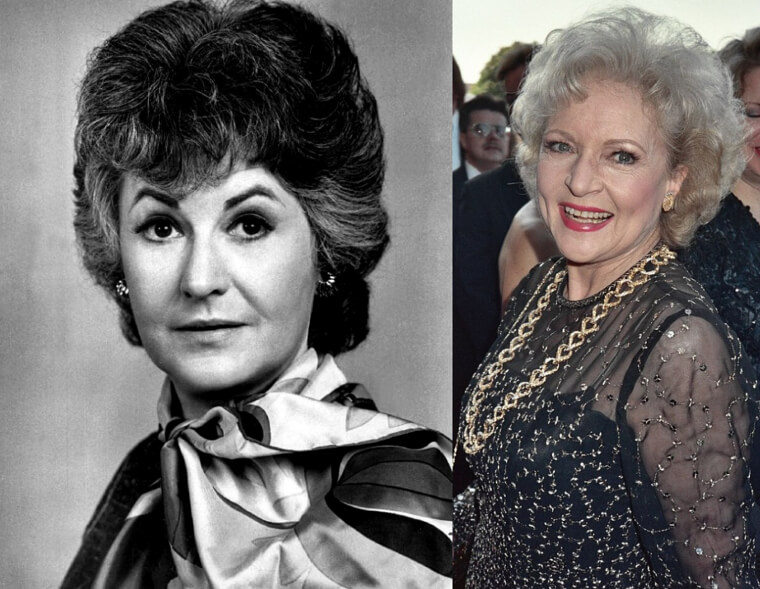
While they respected each other's comedic timing immensely, the cheesecake sessions were strictly for the cameras. Once the lights went down, the ladies largely went their separate ways.
The "Icy Professionalism" of Bette Davis and Joan Crawford
While What Ever Happened to Baby Jane? is the poster child for Hollywood rivalries, the "unseen side" was less about hatred and more about a desperate struggle for relevance. By 1962, both women knew the Studio System that built them was dead. The "scandals" on set—like Crawford putting rocks in her pockets during a scene where Davis had to drag her—were often calculated moves to keep the film in the headlines. They didn't just dislike each other; they used their dislike as a marketing tool.
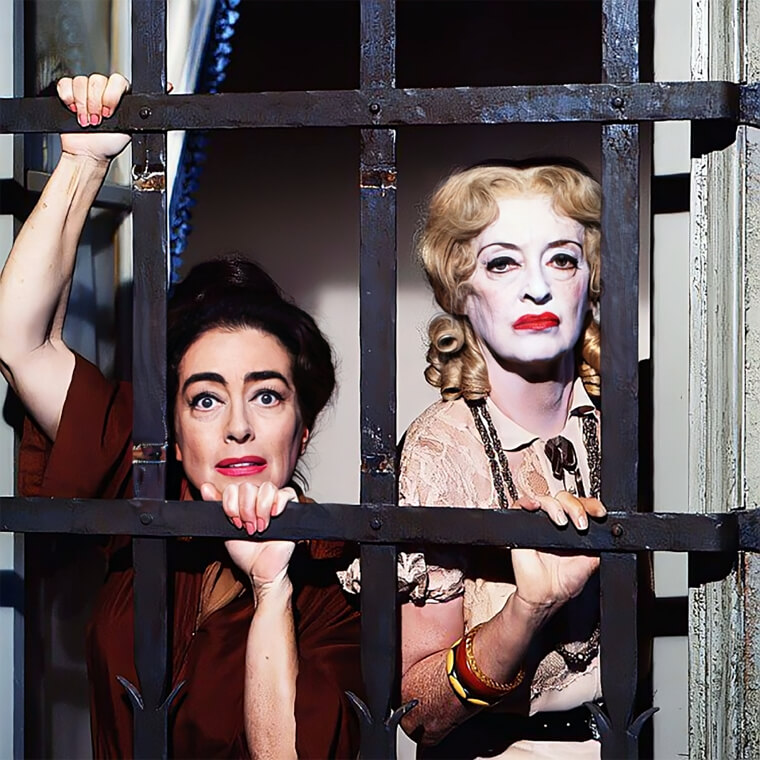
It was a professional arrangement born of necessity, proving that even in "Dark Old Hollywood," a well-placed grudge was worth more than a friendly handshake.
The "Brat Pack" Secret: How Molly Ringwald and Anthony Michael Hall Navigated the Hughes Era
In the 1980s, John Hughes was the puppet master of teen cinema, but his sets were often intensely emotional environments. During the filming of The Breakfast Club, Ringwald and Hall—both actual teenagers—formed a protective "united front." Because Hughes often demanded deep, personal improvisations that felt like therapy sessions, the two young stars relied on each other to maintain their boundaries. The media wanted to paint them as a budding romance.

But they were actually more like "war buddies," navigating the sudden weight of representing an entire generation’s angst while still needing to be home by curfew.
Why Humphrey Bogart and Ingrid Bergman Never Spoke Off-Camera
On screen, their chemistry defined cinematic romance, but once the cameras stopped rolling on the set of Casablanca, the air between Humphrey Bogart and Ingrid Bergman turned remarkably thin. Bogart was trapped in a volatile, disintegrating marriage to Mayo Methot—who frequently stormed the set accusing him of an affair—leading "Bogey" to retreat into a shell of brooding silence. Bergman, meanwhile, found his detached nature baffling, later remarking that she "kissed him, but never knew him." Rather than a friendship, they maintained a "long-distance respect," treating their legendary scenes like high-stakes chess matches.
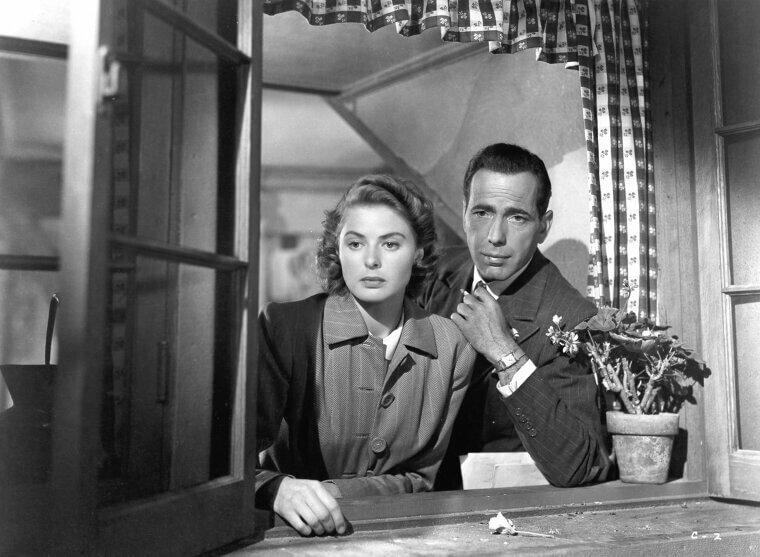
This lack of personal familiarity actually fueled the film’s tension; because they weren't pals in real life, every look of longing on screen was a pure, professional construction, untainted by the messy reality of a standard Hollywood friendship.
The "Beautiful Nightmare" of Singin' in the Rain: Why Gene Kelly Drove a 19-Year-Old Debbie Reynolds to Physical Collapse
On screen, Gene Kelly was the epitome of effortless grace, but behind the scenes, he was a relentless, militaristic taskmaster. Debbie Reynolds, a teenage gymnast with zero professional dance training, was his primary target. Kelly’s perfectionism was so intense that he reportedly insulted her technique until she wept under a piano. The grueling 15-hour rehearsal days for the "Good Morning" number culminated in a legendary tragedy: after dozens of takes to satisfy Kelly’s eye, Reynolds’ feet were literally bleeding inside her shoes.
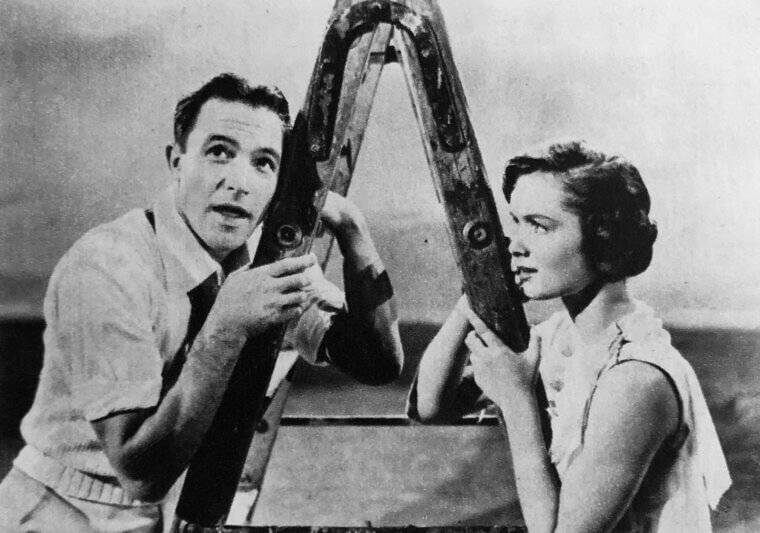
She had to be carried to her dressing room, yet Kelly’s only response was to demand more precision the following morning. It took the intervention of Fred Astaire, who found her crying and offered to coach her in secret, to help her survive the production.
Why the Chemistry of Dirty Dancing Was Born From Genuine Irritation Between Patrick Swayze and Jennifer Grey
If the romance between Johnny Castle and Baby Houseman felt electric, it’s because it was fueled by high-voltage annoyance. Patrick Swayze and Jennifer Grey had already clashed on the set of Red Dawn, and by the time they arrived at the Mountain Lake Lodge for Dirty Dancing, the truce was paper-thin. Swayze, a trained, disciplined dancer with a "perfectionist" streak, grew increasingly frustrated with Grey’s emotional spontaneity.
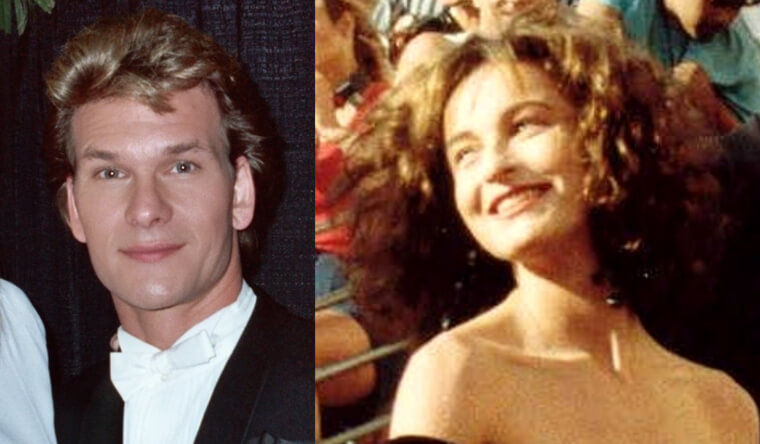
He found her tendency to break into giggles or demand retakes "unprofessional," while Grey found Swayze’s intense, "macho" coaching overbearing.
Why Shelley Duvall Never Forgave Jack Nicholson (Or Stanley Kubrick)
On the set of The Shining, Stanley Kubrick didn't just direct Shelley Duvall; he systematically dismantled her. To extract the perfect "hysterical" performance, Kubrick isolated her from the cast and crew, forbidding anyone from showing her sympathy. While Jack Nicholson was privately supportive, his commitment to his own descent into madness meant he remained in character—menacing and unapproachable—between takes. Duvall was left truly alone in the freezing Colorado "hotel," her hair falling out from the sheer stress of 127 takes of the "bat scene."
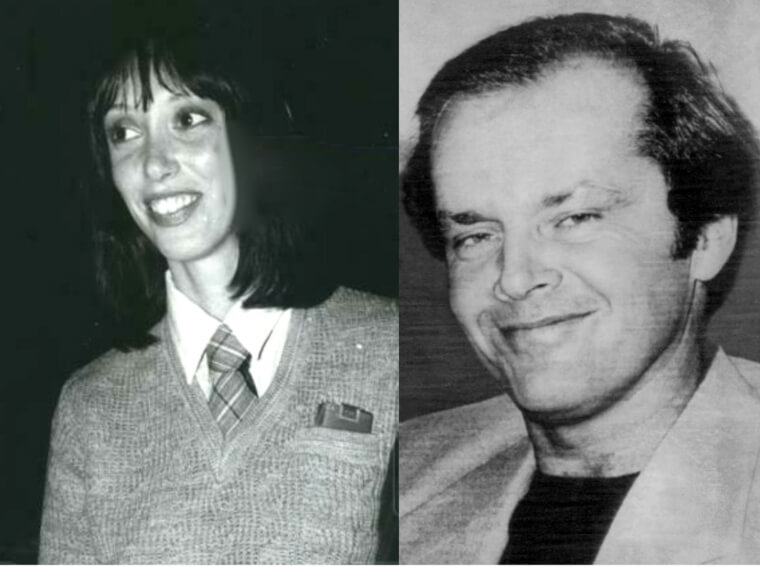
She later admitted she never truly forgave the experience, feeling that while Nicholson got the accolades for his "Method" brilliance, she was the one who actually lived the nightmare.
The Anti-Semitic Betrayal: How Robert De Niro Terrified Jerry Lewis Into a Masterpiece
On the set of The King of Comedy, the clash between "New Hollywood" intensity and "Old Hollywood" showmanship turned toxic. Robert De Niro, fully submerged in his role as the psychotic Rupert Pupkin, decided that the only way to get a genuine reaction from the legendary Jerry Lewis was to shatter his composure. During a high-tension scene, De Niro began hurling vicious anti-Semitic slurs at Lewis off-camera.
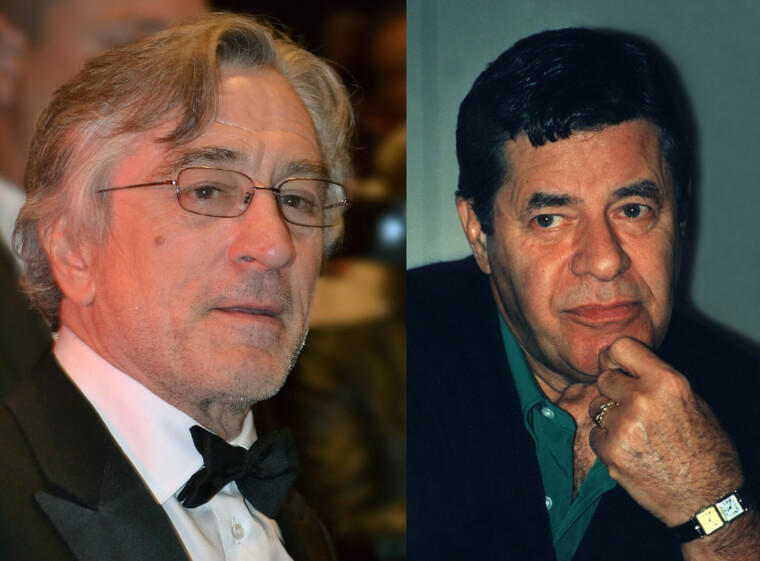
Lewis, a titan of the industry who expected professional decorum, was genuinely shaken and enraged by the personal assault. De Niro’s "method" gamble worked—the palpable, vibrating anger Lewis displays on screen wasn't acting; it was a real-time response to a perceived betrayal.
Quiet Resentment: Why the Original Star Wars Trio Spent Their Off-Hours in Total Silence
While Luke, Leia, and Han Solo were the ultimate rebellion squad, the atmosphere inside the Millennium Falcon was often thick with a "generational and social divide." Carrie Fisher, a child of Hollywood royalty, possessed a quick, sharp wit that often left the young Mark Hamill starstruck and the older Harrison Ford retreating into a cloud of carpenter-turned-actor grumpiness. Ford and Hamill were at completely different stages of life—Ford was a weary father of two just looking for a paycheck.

And Hamill was a wide-eyed dreamer. Fisher often found herself playing the "unpaid therapist," mediating between Hamill’s boyish need for validation and Ford’s cynical, brooding silence.
The "Class Warfare" Between Vivien Leigh and Clark Gable Who Couldn’t Stand the Sight (or Smell) of Each Other
On the set of Gone with the Wind, the sweeping passion between Scarlett and Rhett was a carefully curated illusion. In reality, Vivien Leigh, a classically trained British actress who lived for the craft, viewed Clark Gable as a "common" movie star with more ego than technique. She found his "man-of-the-people" antics uncouth, but the real warfare was sensory. Gable, reportedly annoyed by Leigh’s "high-brow" attitude, took a mischievous revenge: he would intentionally eat raw onions or garlic-heavy meals before their most romantic kissing scenes.
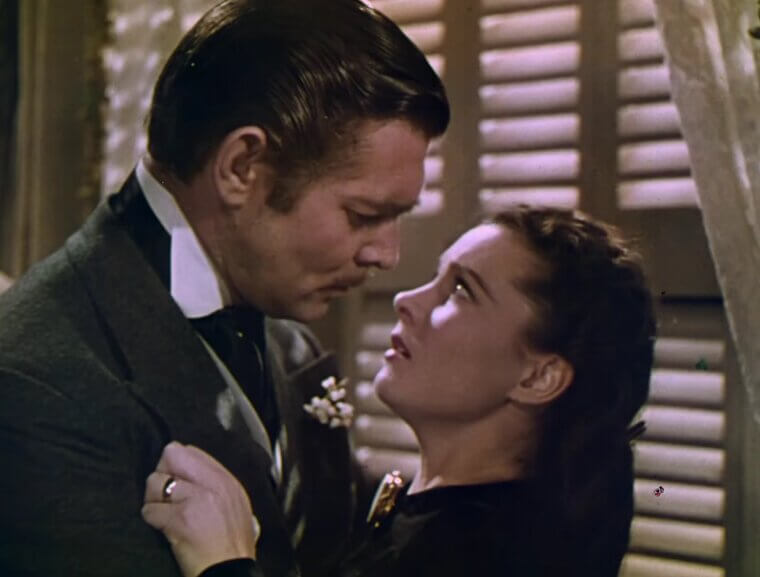
Leigh complained bitterly to the crew that kissing the "King of Hollywood" was like kissing a dumpster. This social friction created a sharp, defensive edge to their chemistry.
Why Faye Dunaway Threw Her Own Urine at Roman Polanski
The set of the 1974 masterpiece Chinatown was less a film production and more a psychological battlefield. Faye Dunaway, a perfectionist who demanded emotional depth, found herself trapped in a "war of attrition" with director Roman Polanski, who treated his actors like chess pieces rather than collaborators. The tension famously snapped during a scene where Dunaway was stuck in a car for hours. When she requested a bathroom break, Polanski—obsessed with the light and the schedule—infamously refused.
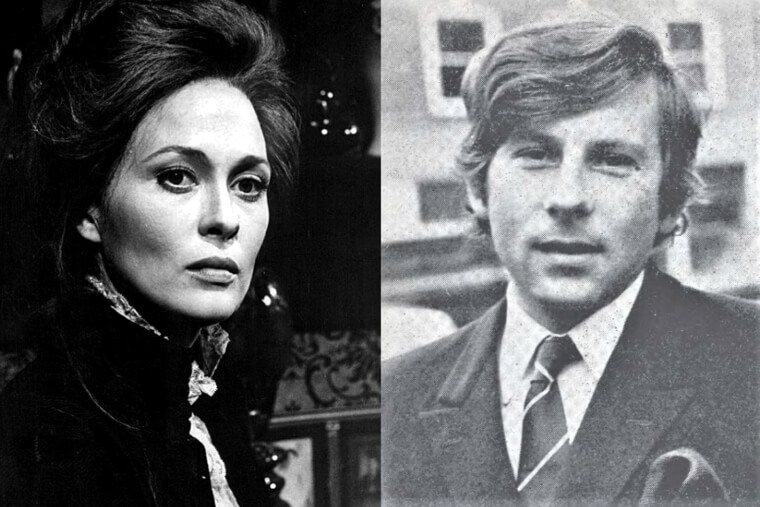
In a moment of pure, unfiltered defiance, Dunaway reportedly urinated into a coffee cup and hurled the contents directly at the director’s face.
Why Gregory Peck Risked His Contract for an Unknown Audrey Hepburn
In the rigid hierarchy of the 1953 Studio System, top billing was a star’s most guarded weapon. When Gregory Peck signed on for Roman Holiday, his contract guaranteed his name would stand alone above the title. However, within days of filming, Peck realized that his co-star, a total newcomer named Audrey Hepburn, wasn't just good—she was a generational force. In a move that stunned his agents and the studio "suits," Peck called his lawyer and demanded they change the contract to give Hepburn equal billing.
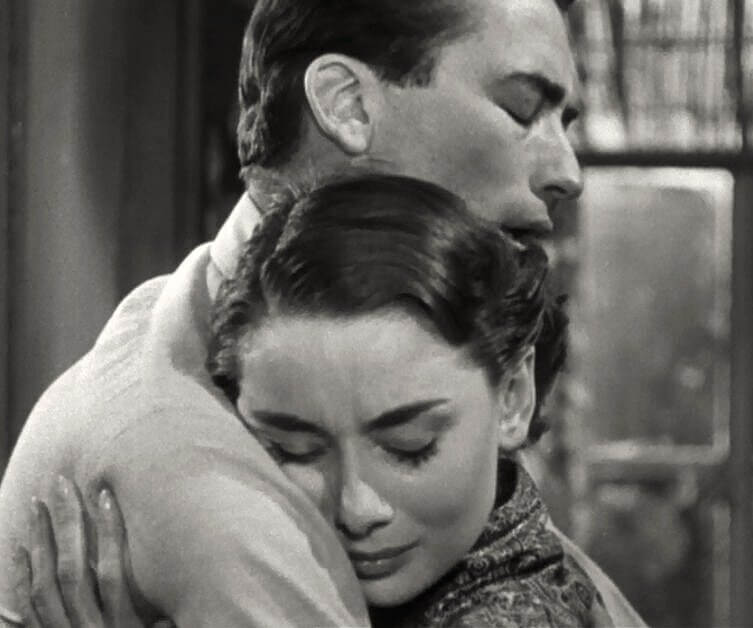
He famously warned them, "If I don't, I’m going to look like a big fool, because this girl is going to win the Oscar."
The King of Cool Vs. The Method Master: The Silent War Between Steve McQueen and Dustin Hoffman on the Set of Papillon
When the legendary Steve McQueen and the rising "actor’s actor" Dustin Hoffman were cast together in the 1973 prison epic Papillon, it wasn't just a movie—it was a clash of cinematic religions. McQueen, the "King of Cool," believed in the power of the silhouette and the unsaid word. Hoffman, fresh off the success of The Graduate, brought a frantic, detail-oriented "Method" intensity that drove McQueen up the wall. Hoffman later admitted that he was terrified of McQueen’s presence, which ironically worked perfectly for his character, the frail Louis Dega.
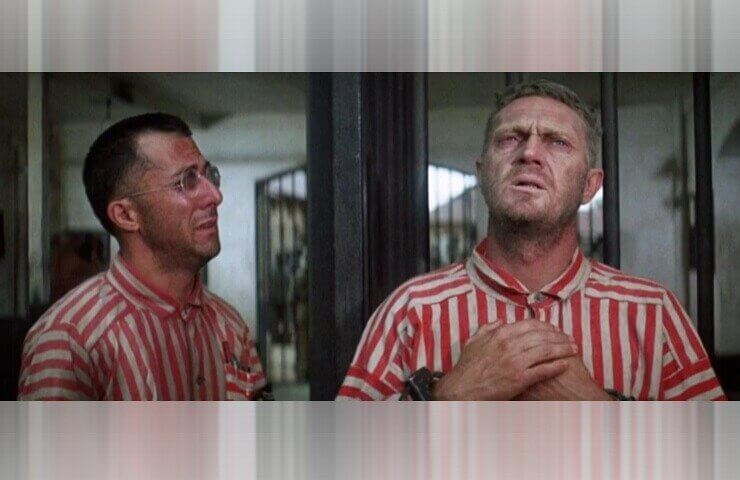
McQueen’s refusal to "act" back at him created a vacuum of tension that made their on-screen friendship feel like a high-stakes chess match.
The "Hate Scene" of 1982: Why the Blade Runner Romance Was Fueled by a Cold War Between Harrison Ford and Sean Young
On the neon-soaked, rain-drenched streets of Ridley Scott’s future, the love story between Harrison Ford and Sean Young was meant to be the film’s emotional anchor. Off-camera, however, the atmosphere was more toxic than the smog of dystopian Los Angeles. The two leads shared such a profound lack of chemistry that the crew famously redubbed their pivotal romantic encounter "the hate scene." Ford, who was already struggling with Scott’s grueling directorial style, reportedly found Young’s inexperience and personality grating.
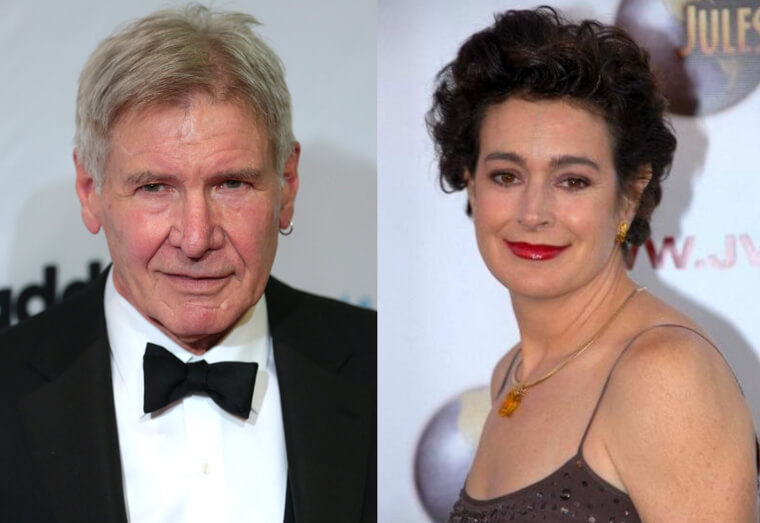
Young, in turn, felt isolated by Ford’s brooding, "unapproachable" leading-man energy. By the third week of production, the two had retreated into a total "silent treatment," communicating only through their characters.
The "Dirty" Secret of Rear Window: How Grace Kelly Used a "Double-Cross" to Break James Stewart’s Stutter
On the set of Alfred Hitchcock’s Rear Window, James Stewart was the industry’s most respected everyman, known for his stuttering, "aw-shucks" sincerity. Grace Kelly, the "Ice Queen" of the Studio System, decided that his polite composure needed a shake-up. In what the crew called a playful "double-cross," Kelly would wait for the cameras to roll and then whisper shockingly ribald jokes or "un-lady-like" observations directly into Stewart’s ear.
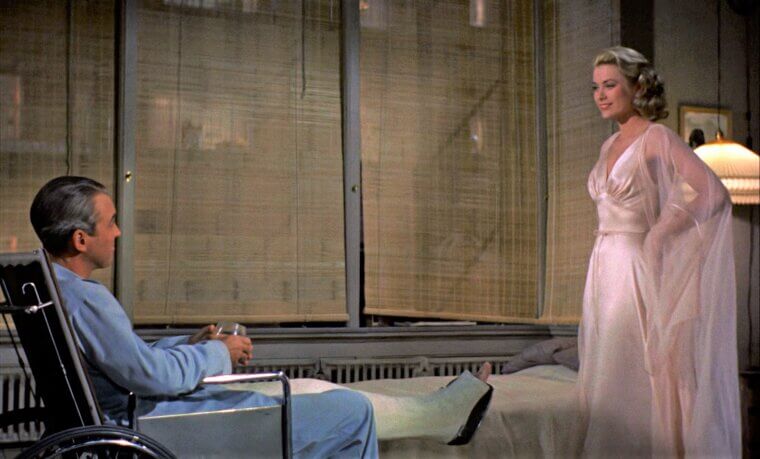
Hitchcock, who loved a bit of psychological manipulation, encouraged the behavior. Stewart, caught between his natural modesty and Kelly’s unexpected "filthy" wit, was often left genuinely flustered.
The Unexpected Softness of Arnold Schwarzenegger and Danny DeVito
When the world’s biggest action star and Hollywood’s favorite curmudgeon were cast as long-lost twins, the industry expected a clash of egos. Instead, the set of Twins became a sanctuary of mutual self-improvement. Arnold Schwarzenegger, then a rigid machine of high-protein diets and 4:00 AM gym sessions, found himself charmed by Danny DeVito’s "joie de vivre." DeVito took it upon himself to "soften" Arnold, introducing him to the world of fine Italian pastas and high-end cigars.
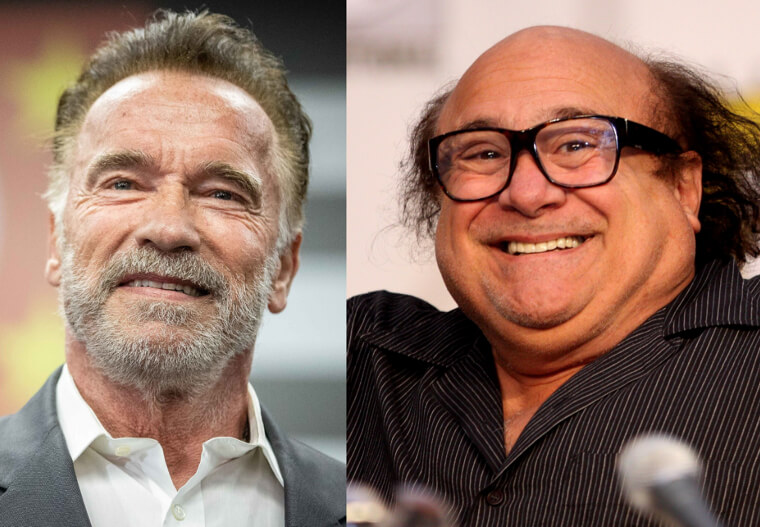
He taught the Austrian Oak that life existed outside the weight room. In return, Arnold became DeVito’s personal trainer, putting him through grueling, hilarious workouts between takes.
The "Sisterhood" of the Steel Magnolias Cast Vs. Director Herbert Ross
Director Herbert Ross was notoriously brutal to his actors, but on the set of Steel Magnolias, he met his match. Ross allegedly told Julia Roberts she couldn’t act and suggested Sally Field should "learn from the pros." Instead of crumbling, the cast—Field, Roberts, Dolly Parton, Shirley MacLaine, Olympia Dukakis, and Daryl Hannah—formed a protective phalanx. Whenever Ross targeted one woman, the others would swarm. Shirley MacLaine famously led the charge, frequently telling Ross exactly where he could shove his critiques.
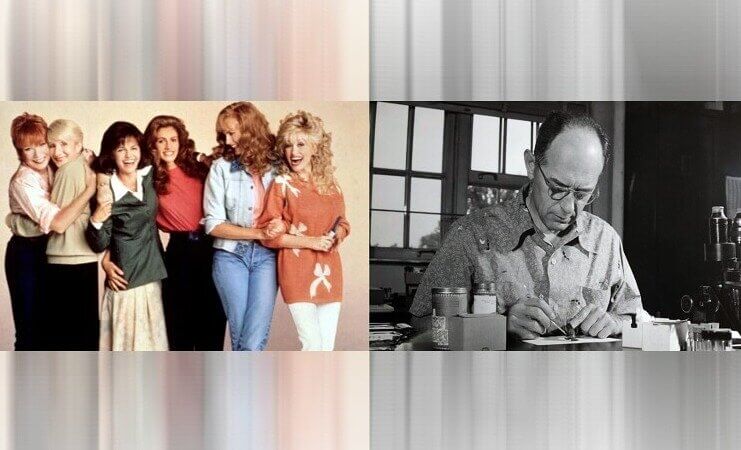
This off-camera "war" against the director forged a bond so tight that the laughter and tears in the Truvy’s Beauty Shop scenes weren't just acting—they were the genuine relief of six women who had each other's backs in a hostile environment.
Magnum, P. I. 's Tom Selleck and Larry Manetti Actually Lived Together
In 1980, before the Ferrari and the signature mustache became global icons, Tom Selleck was just an actor on his eighth attempt at a television pilot. Expecting Magnum, P.I. to potentially fail like his previous projects, Selleck and co-star Larry Manetti (Rick) decided to skip the luxury estates. Instead, the two stars moved into a modest, shared rental house together to save money. This "roommate" phase turned the set into a genuine extension of their home life.
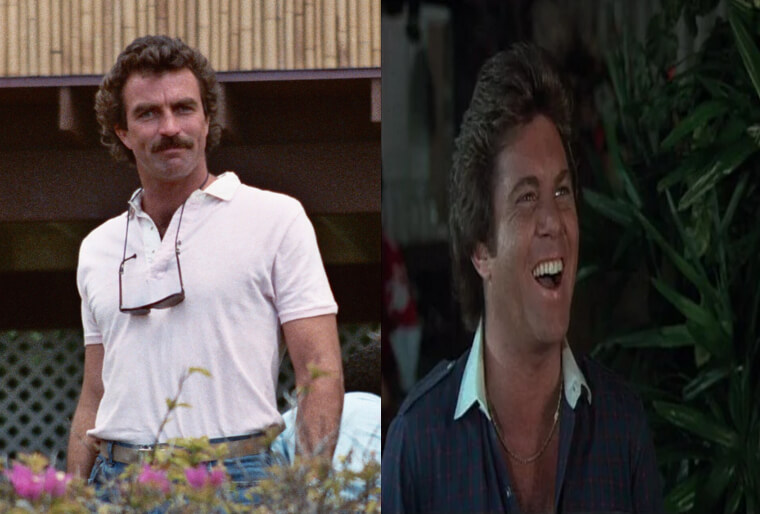
Manetti, the quintessential social butterfly, handled the cooking and the "social calendar," while the introverted Selleck focused on the grueling shooting schedule. They spent their nights reviewing lines over cheap groceries and beer, fostering a shorthand "brotherly" energy that defined the show’s legendary camaraderie.
How Paul Newman and Robert Redford Turned Rivalry Into a Lifelong Prank
When they first teamed up for Butch Cassidy and the Sundance Kid, the studio was worried about "two pretty faces" fighting for mirror time. Instead, Paul Newman and Robert Redford ignited a competitive fire that had nothing to do with vanity and everything to do with out-witting each other. Their bond was built on "aggressive affection"—a relentless series of high-stakes pranks designed to keep the other humble.
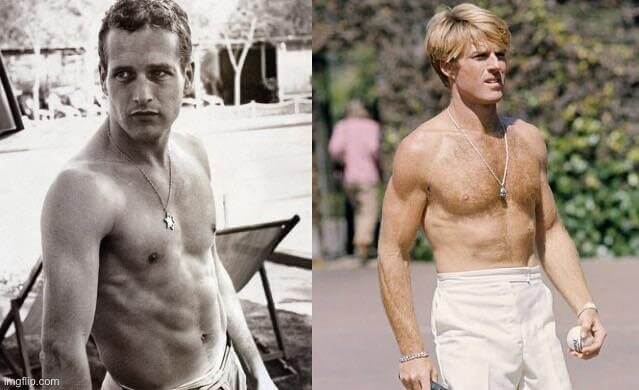
The most legendary move came from Newman, who, tired of Redford’s chronic lateness, had a Porsche crushed into a scrap-metal cube and delivered to Redford’s living room. Redford responded by having the "car" turned into a garden sculpture and sent back with a bill for "artistic services."
The Secret "No-Pants" Pact: Why Harrison Ford and Sean Connery Loved Being Hollywood’s Most Iconic Father-Son Duo
On the set of Indiana Jones and the Last Crusade, the age gap between Harrison Ford and Sean Connery was a mere 12 years, yet their chemistry felt ancient and effortless. The "secret sauce" wasn't just great acting; it was a shared, gritty disdain for the "movie star" circus. Both men were notoriously private and preferred a beer and a quiet corner to a Hollywood gala. Their bond was famously cemented during the zeppelin table scene.
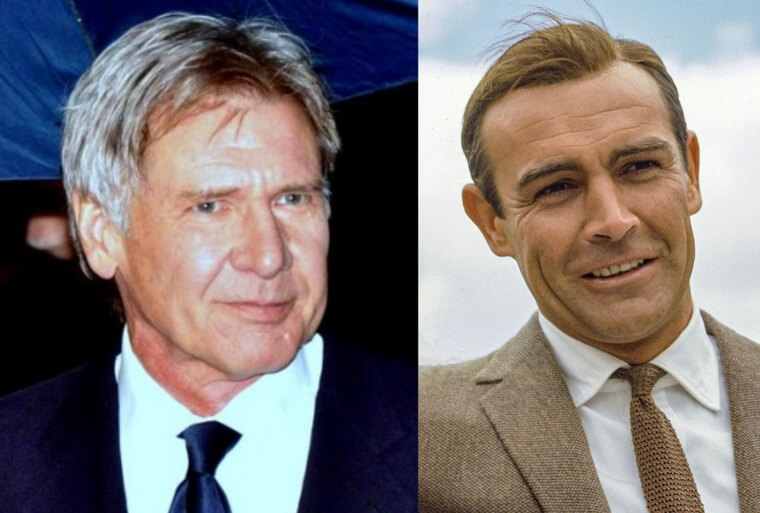
The set was sweltering, and to keep from fainting in their heavy costumes, Connery decided to shoot the scene wearing no trousers under the table. Ford, delighted by the legendary Bond’s pragmatism, followed suit.
The "Old School" Friction of Kirk Douglas and Laurence Olivier
On the set of Spartacus, the clash wasn't just between slaves and Romans; it was between Kirk Douglas (the American "Powerhouse") and Sir Laurence Olivier (the British "Theater King"). Douglas, who was also the film's producer, lived for raw, muscular intensity. Olivier, meanwhile, looked down on the "vulgarity" of Hollywood epics, treating the shoot like a high-brow vacation. The tension peaked during the famous bathtub scene. Douglas felt Olivier was "acting too much" with his eyes, while Olivier felt Douglas was "just posing."
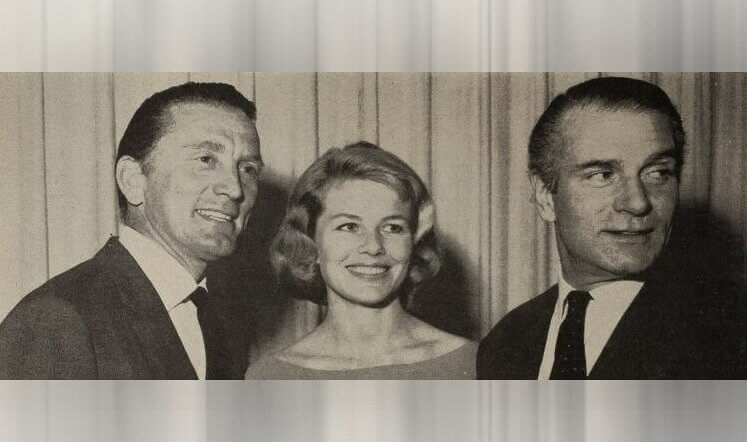
They communicated through icy, polite memos delivered by assistants. This cultural friction—the rugged American vs. the refined Brit—gave the film its unique, vibrating energy, proving that even a "bromance" between a general and a senator needs a little bit of mutual disdain to feel real.
The Unexpected Mentor Who Guided a Young Ron Howard
In the mid-70s, Ron Howard was transitioning from "Opie" to a leading man on Happy Days. While the world was focused on the breakout stardom of Henry Winkler’s "The Fonz," it was a veteran guest star and occasional director who saw Howard's true potential: John Wayne. While filming The Shootist, the "Duke" took the young Howard under his wing. It wasn't just about acting; Wayne recognized Howard’s analytical mind. He famously told the young actor that "the real power is behind the lens."
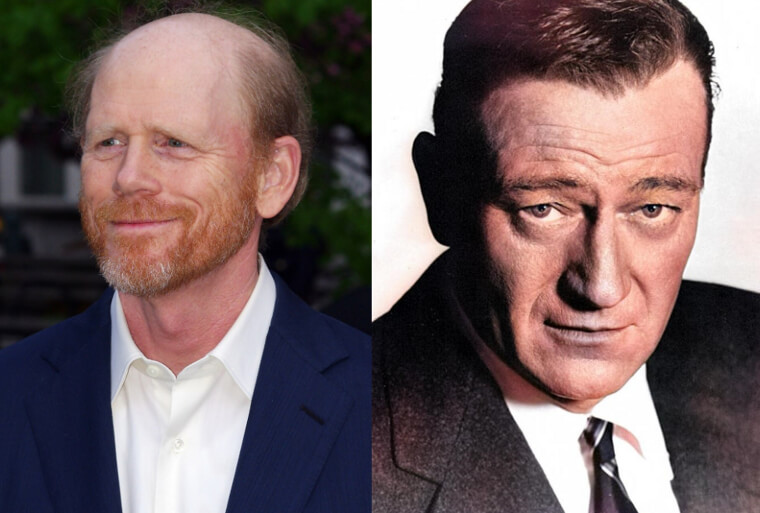
This wasn't just Hollywood fluff; Wayne shared the gritty logistics of the Studio System with Howard, providing the strategic blueprint that allowed Howard to pivot from a child star to an Oscar-winning director.
The Secret "Gentleman’s Agreement" Between Cary Grant and Jimmy Stewart That Saved The Philadelphia Story
On the set of the 1940 classic, Cary Grant and James Stewart were the two biggest titans in the MGM stable, and a collision of egos seemed inevitable. Instead, the pair entered into a legendary, unspoken "Gentleman’s Agreement": they would refuse to compete for the spotlight. Grant, the established king of suave, intentionally dialed back his physical comedy to give Stewart—then a rising star—the space to shine in his "drunk" scenes.
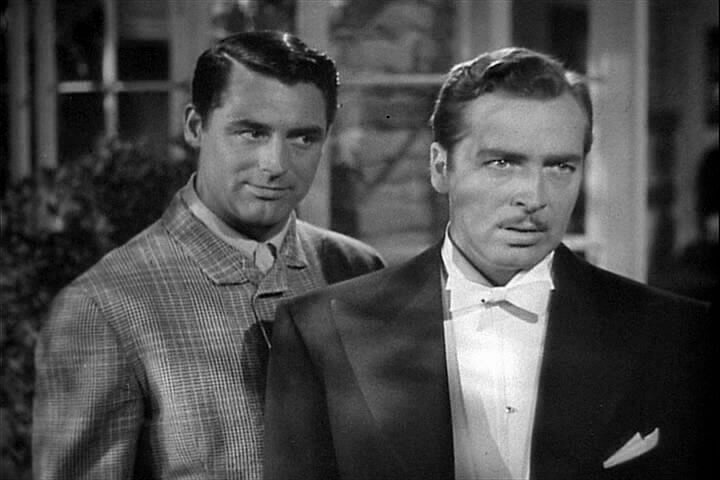
Stewart repaid the favor by never trying to out-charm Grant’s natural magnetism. This "professional ceasefire" was born from a mutual, quiet respect for the craft over the credit.
How River Phoenix Became the Real-Life Guardian of the Stand By Me Cast
On the set of the 1986 coming-of-age masterpiece, the boundary between the characters and the actors famously dissolved. While the four leads—River Phoenix, Wil Wheaton, Corey Feldman, and Jerry O’Connell—were essentially living out a summer of unsupervised freedom, it was the 15-year-old Phoenix who stepped into a surprisingly heavy role. Sensing the various childhood traumas and industry pressures his younger co-stars were facing, Phoenix became their "emotional anchor."
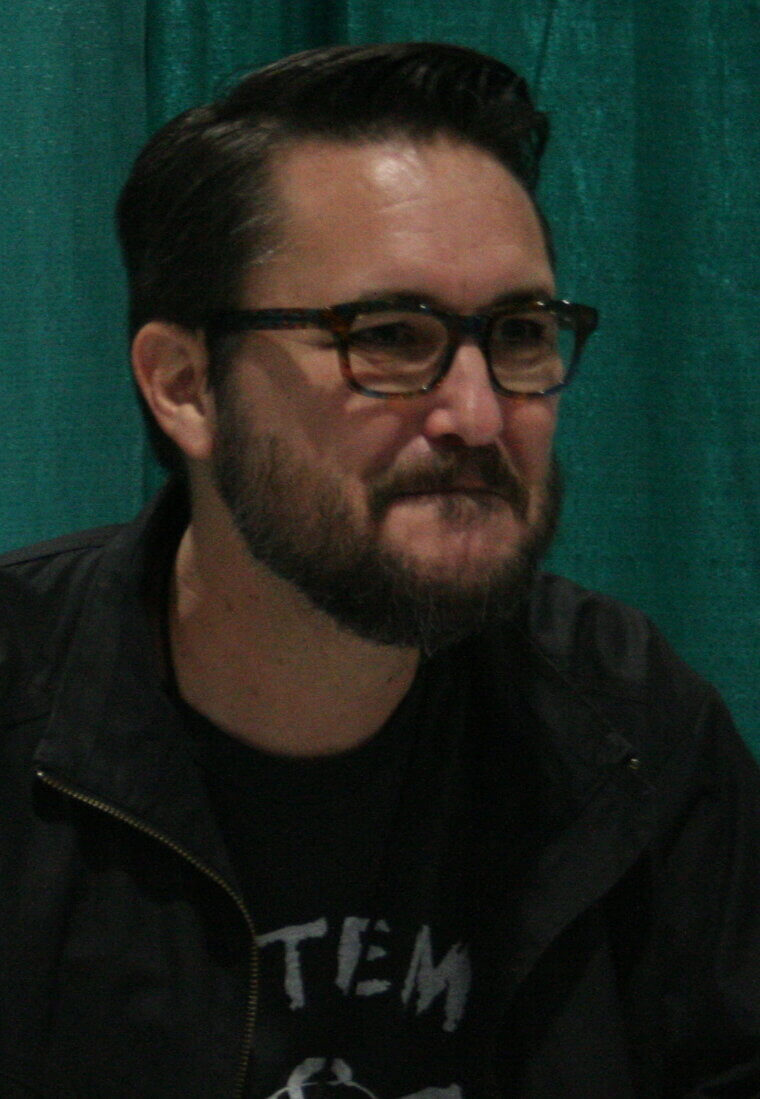
He didn't just play the leader; he lived it, often acting as a buffer between the children and the grueling demands of director Rob Reiner.
The Prank War That Kept ‘MAS*H’ From Falling Apart
On the set of M*A*S*H, the boundary between the script’s anti-war cynicism and the actors' actual exhaustion was razor-thin. To survive the freezing outdoor locations at Malibu’s Century Ranch and the heavy, blood-soaked themes of the show, Alan Alda and Wayne Rogers launched a relentless, unauthorized "Prank War." This wasn’t just actors being juvenile; it was a psychological defense mechanism. From hiding livestock in trailers to filling surgical gloves with water and dropping them from the "Swamp" rafters, the duo turned the set into a playground.
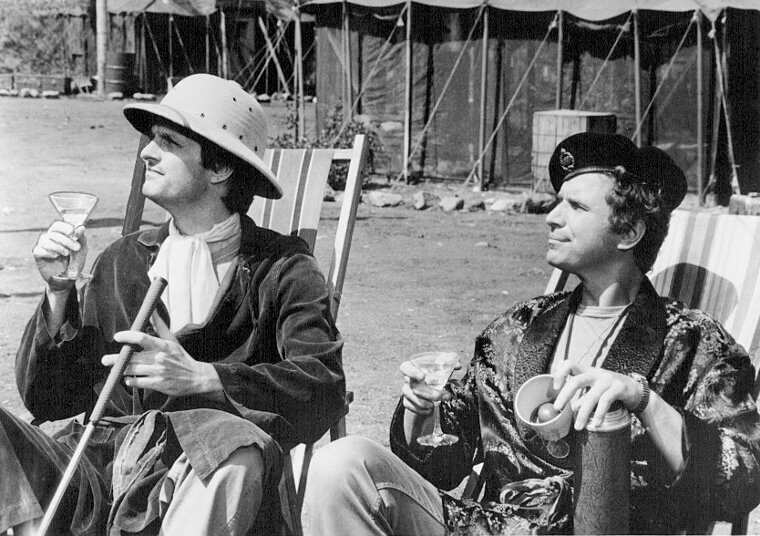
The executive producers initially hated the distractions, but they soon realized the "insanity" was keeping the cast from burning out.
The "Double-Vision" Masterpiece: Why the Burton-Taylor Marriage Was a Three-Way Affair With Bourbon
On the set of Who’s Afraid of Virginia Woolf?, the line between the script’s domestic warfare and the lead actors’ actual lives ceased to exist. Elizabeth Taylor and Richard Burton didn't just play alcoholics; they famously consumed a bottle of bourbon a day while filming. The production was a high-stakes gamble where the crew often couldn't distinguish between a rehearsed insult and a genuine marital blow. Burton, the Shakespearean intellectual, and Taylor, the ultimate movie star, used their shared addiction as a bridge to reach the film’s "ugly" emotional truth.
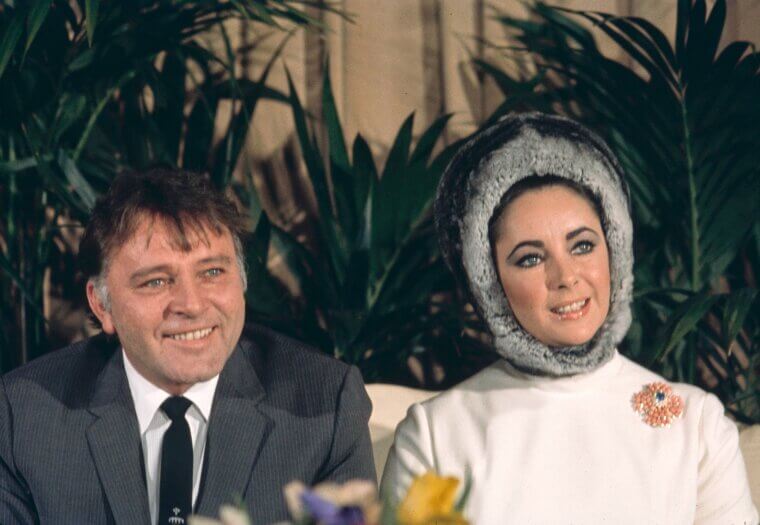
While the studio was terrified their lead actors would pass out before the final scene, the booze created a "cocoon of chaos" that insulated them from the world.
The "Telepathic" Brawlers: Why Bud Spencer and Terence Hill Never Needed a Script to Fight
In the world of "Spaghetti Westerns," no duo was more iconic than the hulking Bud Spencer and the nimble Terence Hill. While most action stars spent weeks choreographing fights with stunt coordinators, these two developed a "secret language" of physical comedy that bypassed the director entirely. Off-camera, they were an odd couple—Spencer was a former Olympic swimmer and intellectual, while Hill was a disciplined, quiet athlete—but on set, they shared a rhythmic telepathy.
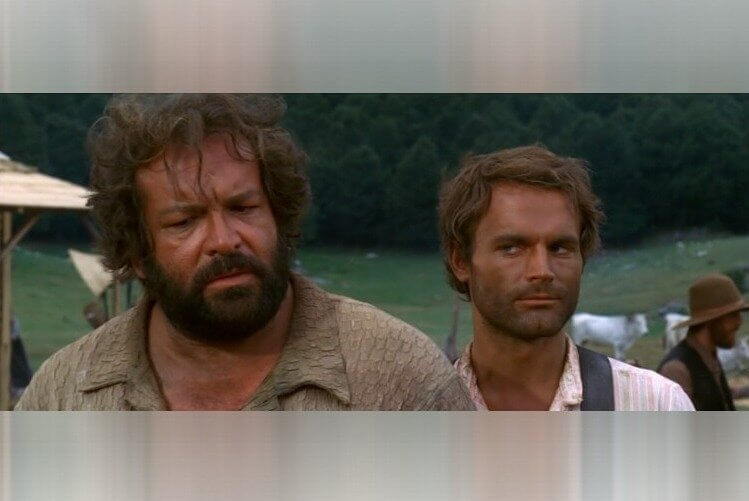
They often tossed the script aside, communicating through subtle nods and eye twitches to improvise their legendary, slapstick brawls. This wasn't just professional rapport; it was a decades-long "silent dialogue" that made their 18 films feel like one continuous dance.
The Fatherly Guidance of Mr. Rogers and Tom Fox
In the high-pressure world of public broadcasting, the bond between Fred Rogers and his longtime producer and friend Tom Fox was the heartbeat of Mister Rogers' Neighborhood. While Rogers was the face of emotional intelligence, Fox was the architectural force who ensured that Fred’s vision remained uncompromised by corporate trends or "flashy" television gimmicks. Their relationship was defined by a profound, paternal "guidance" that went both ways. Fox protected Rogers from the cynical noise of the industry.
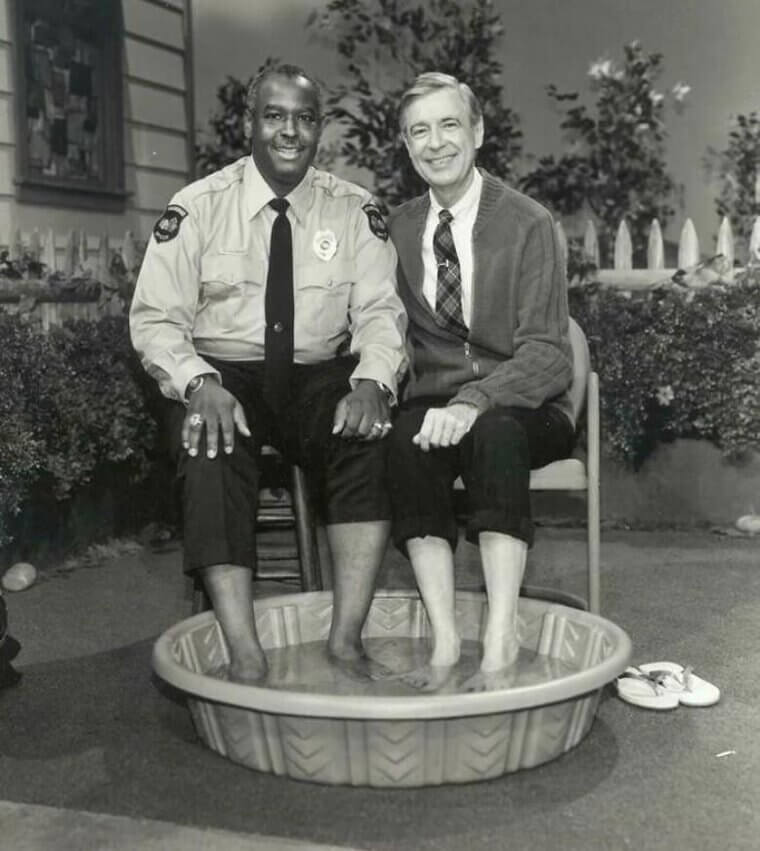
And Rogers provided Fox with a moral compass that influenced every frame of the show. They famously spent hours in quiet reflection before filming, treating the "Neighborhood" not as a set, but as a sacred space for a child’s development.
The Empty Stool: The Hidden Sadness of the ‘Cheers’ Bar
For the first three seasons of Cheers, Nicholas Colasanto—the lovable, forgetful "Coach"—was the soul of the ensemble. Behind the scenes, however, Colasanto was battling severe heart disease. His decline was a slow, painful transformation that the cast watched in real-time. By the time he passed away in 1985, the bar didn't just lose a character; it lost its heartbeat. The "hidden sadness" of the show stems from how the cast handled his absence.
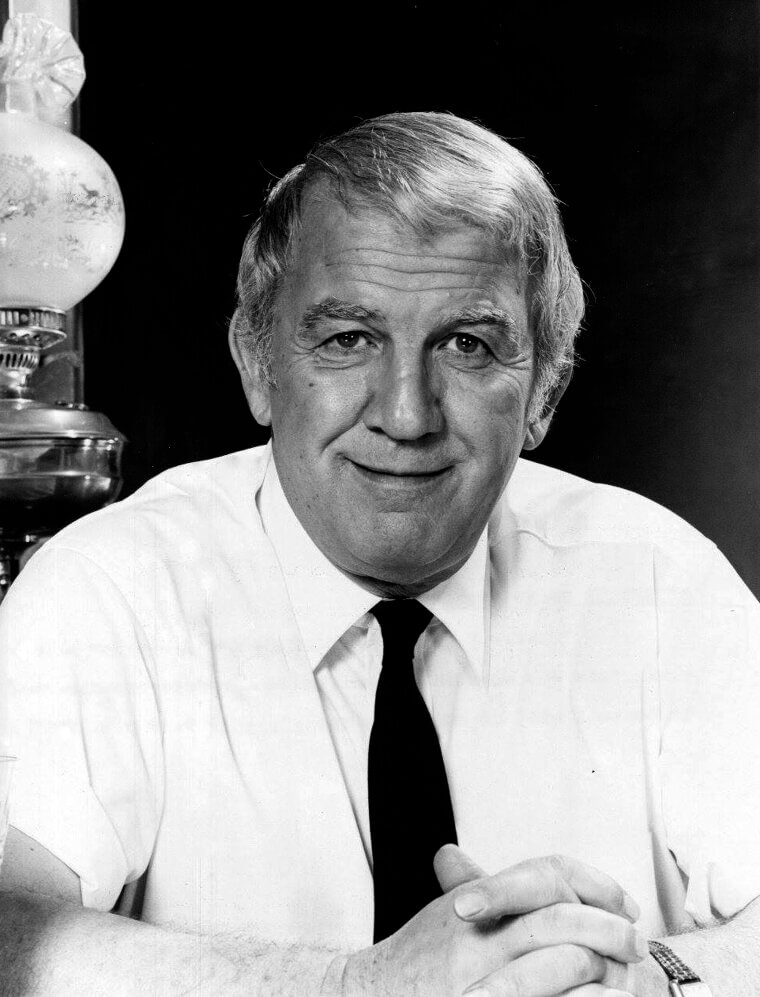
Ted Danson, Rhea Perlman, and George Wendt famously kept a photo of Colasanto in the dressing room, and for years, they would "toast" his memory before every taping.
The Secret Admiration of Vincent Price and Christopher Lee
In the 1960s and 70s, Vincent Price and Christopher Lee were the dual pillars of cinematic dread—Price the master of campy, Gothic Americana, and Lee the cold, aristocratic face of British terror. While fans imagined them living in rival castles, the two shared a bond so specific it felt like fate: they were born on the exact same day (May 27) and spent their off-hours trying to out-read each other. Their "secret admiration" wasn't based on jump scares, but on high-brow erudition.
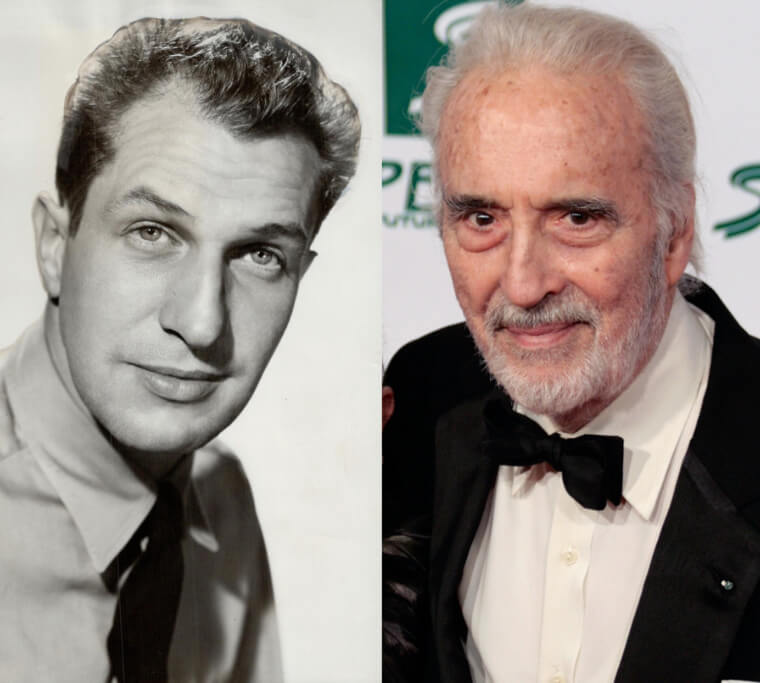
On the set of The Oblong Box and The Scream and Scream Again, they bypassed the typical trailer culture to discuss fine art, rare book collecting, and classical history.
The Mutual Distrust of Robert Redford and Dustin Hoffman
In 1976, Robert Redford and Dustin Hoffman were the two most powerful actors in Hollywood, but they occupied entirely different universes. Redford, the "Golden Boy" producer-star, was a minimalist who believed in the power of the movie star gaze. Hoffman, the "Method" obsessive, wanted to know the brand of pencil Woodward and Bernstein used in 1972. The set of All the President’s Men became a masterclass in mutual distrust.
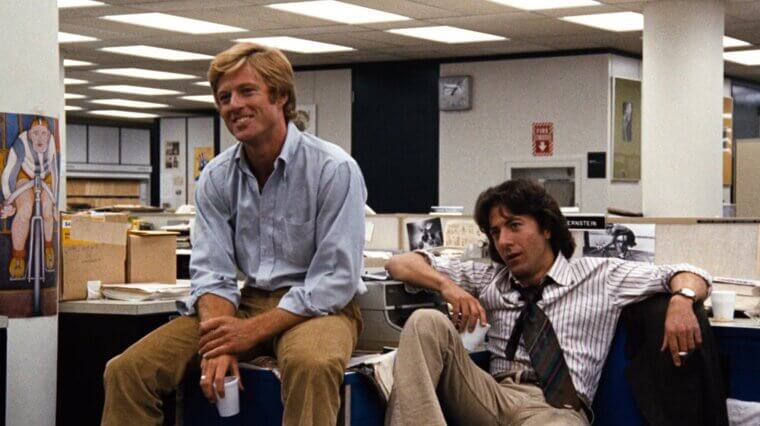
Redford, who had spent years developing the project, was wary of Hoffman "cluttering" the frames with his neurotic character choices. Hoffman, meanwhile, felt Redford’s effortless cool was a form of "lazy" acting.
The Unexpected Comedy Duo: Sigourney Weaver and the ‘Aliens’ Marines
When Sigourney Weaver arrived on the set of Aliens, she was the "Academy Award-nominated star" entering a room full of "grunt" actors playing Colonial Marines. To build unit cohesion, director James Cameron had the Marines train with actual SAS soldiers for weeks—while keeping Weaver isolated. When she finally joined them, the "Marines" (led by Bill Paxton and Al Matthews) tried to intimidate her with their macho, rehearsed bravado. Weaver, however, didn't flinch.
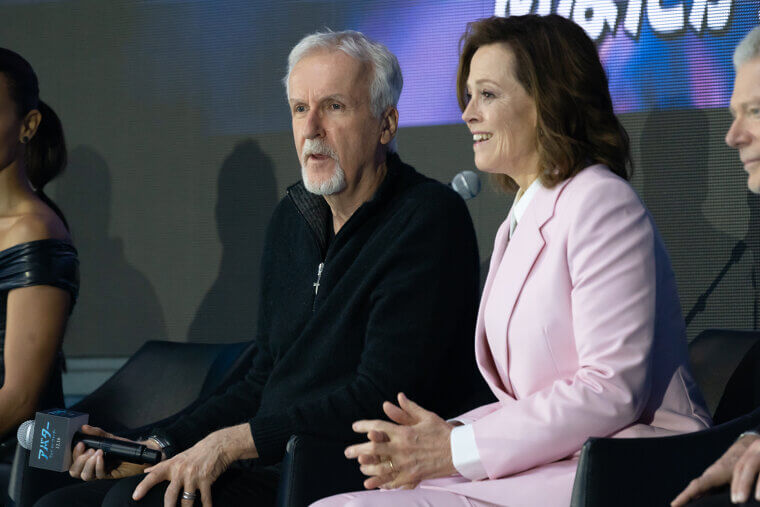
She leaned into the absurdity, matching their "tough-guy" energy with a dry, aristocratic wit that caught them off guard. This "Unexpected Comedy" between the weary Ripley and the hyperactive soldiers turned a horror sequel into a character-driven masterpiece.
The Quiet Dignity of Sidney Poitier and Rod Steiger
In 1967’s In the Heat of the Night, the racial tension was at a boiling point both in the script and in the real-world American South where they filmed. Sidney Poitier and Rod Steiger were two very different actors: Poitier was the master of "Internalized Grace," while Steiger was a "Method" powerhouse who lived for the outburst. Steiger, a staunch ally of Poitier, realized that for the movie to work, his character (Chief Gillespie) had to be truly repulsive. He would often apologize to Poitier between takes for the slurs he had to hurl.
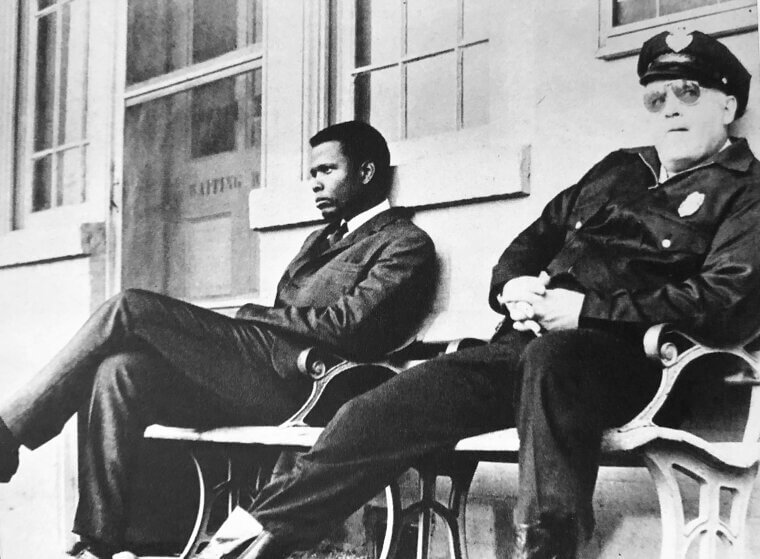
Poitier, in turn, offered a "Quiet Dignity" that anchored Steiger’s frantic energy. They spent their nights in hotel rooms discussing the Civil Rights Movement, turning their on-screen rivalry into a deep, private friendship that served as a blueprint for how two men could bridge a divide through art.
The "Last Hurrah" of John Candy and Steve Martin
The making of Planes, Trains and Automobiles was a grueling, improvisational marathon. Steve Martin, the "Straight Man," and John Candy, the "Force of Nature," were polar opposites in their process. Martin liked to stick to the script; Candy liked to riff for 20 minutes at a time. During the filming of the "I like me" monologue, Martin realized that Candy wasn't just being funny—he was pouring his own insecurities into the character of Del Griffith.
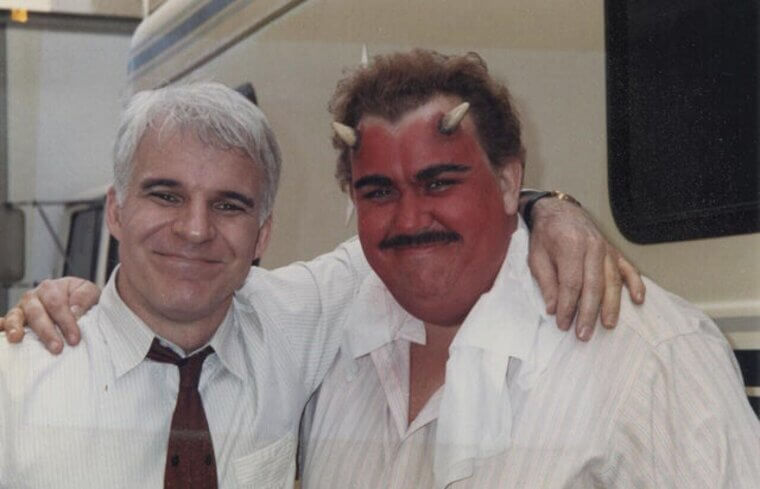
This wasn't just a "buddy comedy"; it was a "Last Hurrah" for a specific kind of vulnerable, large-scale comedy. Martin reportedly cried after watching the final cut, realizing that Candy had given the performance of a lifetime.