
34. The Scarlet Letter (1995)
This adaptation of Nathaniel Hawthorne’s classic is often cited as one of the most misguided attempts in Hollywood history. Starring Demi Moore, the film made the baffling decision to drastically alter the ending, turning a somber tale of guilt and societal judgment into a bizarre action-drama with a "happy" conclusion. Critics and fans of the 1850 novel were reportedly horrified by the inclusion of a literal "Rambo-style" skirmish at the end.
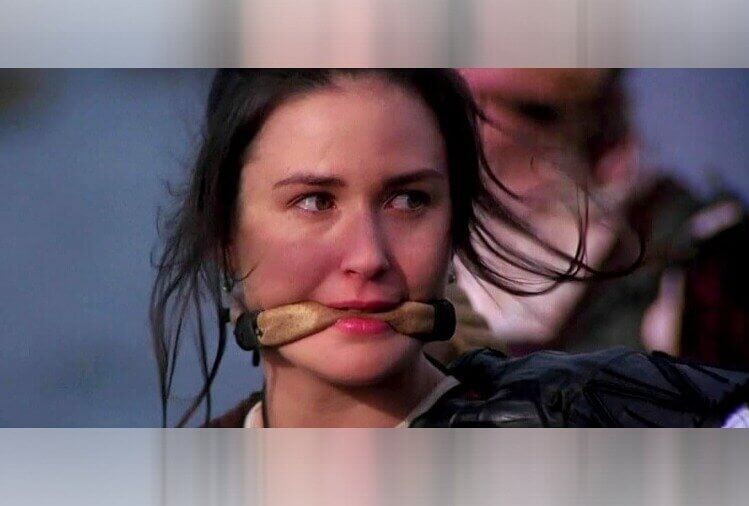
It allegedly prioritizes 90s star power over the book’s deep psychological themes, making it a definitive example of how not to adapt a literary masterpiece.
33. Percy Jackson & The Olympians: The Lightning Thief (2010)
Fans of Rick Riordan’s beloved series were left scratching their heads when this movie hit theaters. The film aged the characters from twelve to sixteen, which reportedly gutted the foundational growth themes of the original story. It also allegedly ignored crucial plot points, such as the overarching threat of Kronos, in favor of a generic "find the pearls" quest that didn't exist in the book.
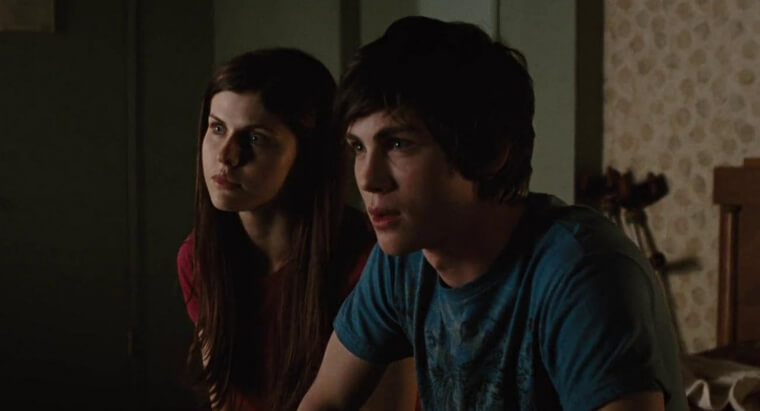
Author Rick Riordan has famously distanced himself from the project, reportedly stating that he felt the script was like watching his life's work go through a meat grinder.
32. The Dark Tower (2017)
Stephen King’s sprawling eight-book epic is a complex tapestry of Western, fantasy, and sci-fi. Unfortunately, the film attempted to cram all that lore into a measly 95 minutes. The result was a confusing mess that allegedly alienated lifelong fans and left newcomers bewildered. While Idris Elba and Matthew McConaughey were praised for their acting, the script was reportedly so thin that it felt like a cliff-notes version of a much better story.
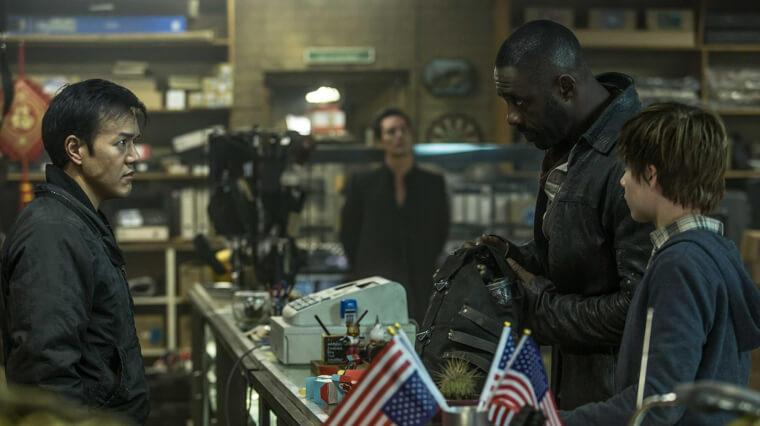
It is widely considered one of the biggest missed opportunities in the realm of modern book-to-screen adaptations for King enthusiasts.
31. The Great Gatsby (2013)
Baz Luhrmann’s take on F. Scott Fitzgerald’s definitive American novel is certainly a feast for the eyes, but many argue it lost the soul of the book. While Leonardo DiCaprio was arguably a perfect Jay Gatsby, the frantic editing and modern hip-hop soundtrack reportedly clashed with the 1920s setting for many viewers. Allegedly, the film became so obsessed with its own spectacle that the subtle tragedy of the "American Dream" was buried under glitter and champagne.
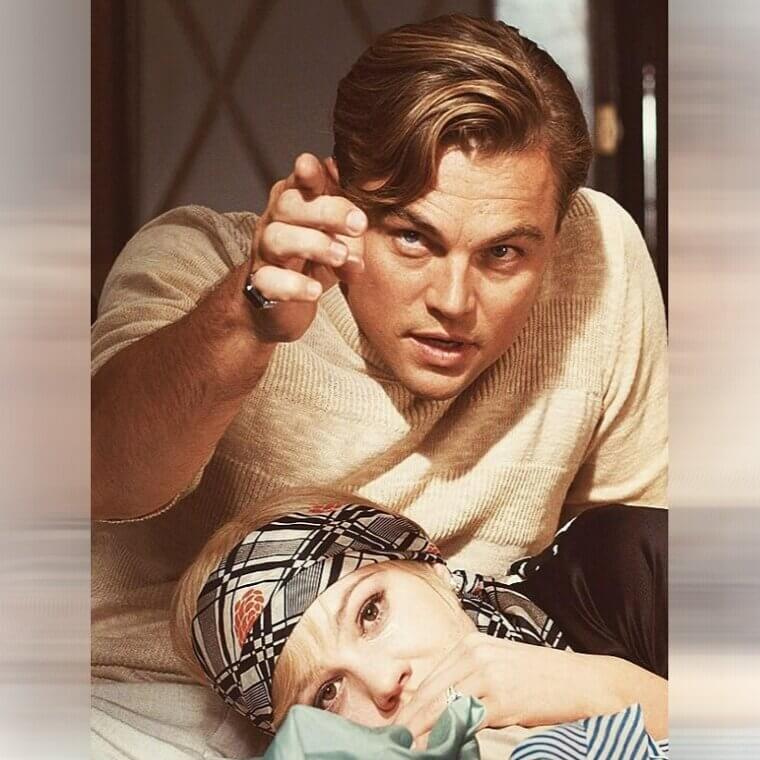
It is a visually stunning experience, but it reportedly lacks the haunting, quiet intimacy that makes the prose so timeless.
30. The Bonfire of the Vanities (1990)
Tom Wolfe’s biting satire of 1980s New York class struggles was a literary sensation, but the movie is legendary for being a "bomb." Casting Tom Hanks—America’s sweetheart—as a greedy, unlikable Wall Street trader reportedly backfired, as the film softened the book's sharp edges to make the characters more sympathetic. This change allegedly sucked the life out of the social commentary.
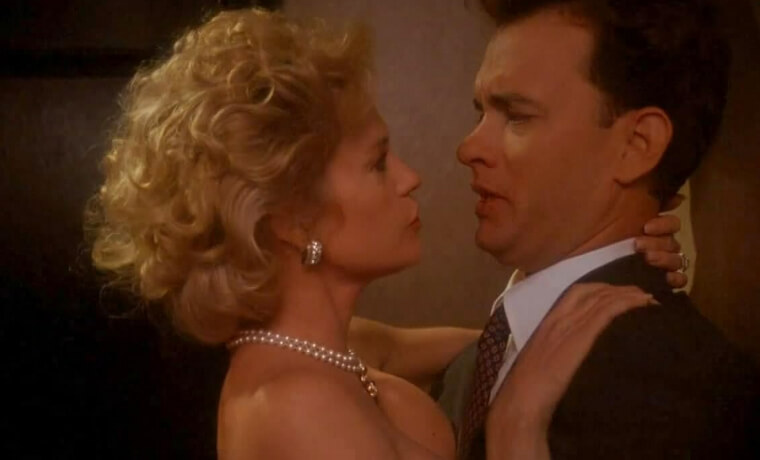
The production was so fraught with issues that a book was actually written just about how bad the filming was. It remains a cautionary tale about miscasting and losing a book’s intended tone.
29. Eragon (2006)
Based on Christopher Paolini’s best-selling dragon rider series, this film was expected to be the next big fantasy franchise. Instead, it was reportedly hampered by a rushed plot and lackluster special effects. Fans were particularly upset that the film allegedly simplified the complex magic system and ignored the detailed world-building that made the books a success. The screenplay reportedly took so many liberties that a sequel became narratively impossible.
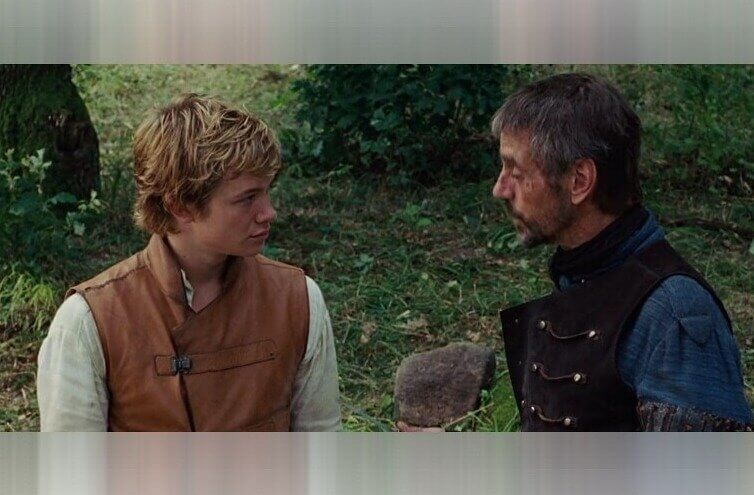
It is often remembered as a film that lacked the "spark" of its source material, leaving a generation of young readers disappointed by the on-screen result.
28. The Hobbit Trilogy (2012–2014)
While Peter Jackson’s Lord of the Rings was a triumph, turning a 300-page children’s book into three massive films was a choice that divided audiences. To fill the time, the filmmakers reportedly added subplots and characters that never appeared in J.R.R. Tolkien’s original work. Allegedly, the heavy use of CGI made the world feel less "real" than the previous trilogy.
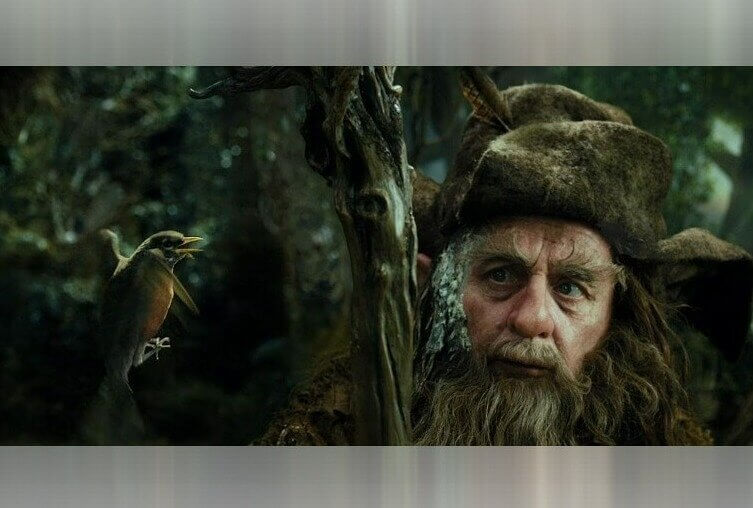
While some enjoyed the return to Middle-earth, many purists felt the simple, charming adventure of Bilbo Baggins was bloated and over-commercialized. It stands as a prime example of "more" not always being "better" in storytelling.
27. Persuasion (2022)
Jane Austen fans are notoriously protective of her work, and this Netflix adaptation reportedly rubbed many the wrong way. By attempting to give the story a modern, "Fleabag-style" sensibility, the film allegedly stripped away the quiet dignity and yearning that defines Anne Elliot. Critics pointed out that the dialogue felt more like contemporary social media speak than 19th-century Regency prose.
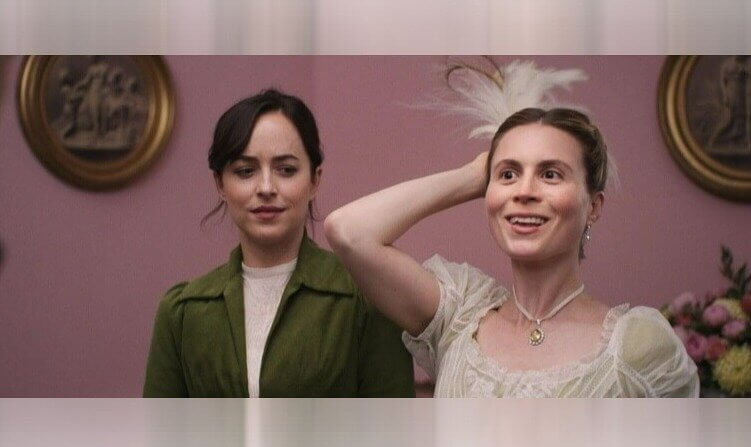
While it was clearly aimed at a younger demographic, the older audience who loves the original novel reportedly found it jarring. It’s a film that allegedly forgot that Austen’s humor comes from wit, not just breaking the fourth wall.
26. The Golden Compass (2007)
Philip Pullman’s His Dark Materials is a provocative and deep trilogy, but the 2007 movie reportedly played it far too safe. Fearing controversy, the studio allegedly watered down the book’s critique of organized authority, leaving the story feeling hollow and aimless. Despite a fantastic cast including Nicole Kidman and Daniel Craig, the film’s ending was reportedly cut and moved to a potential sequel that was never made.
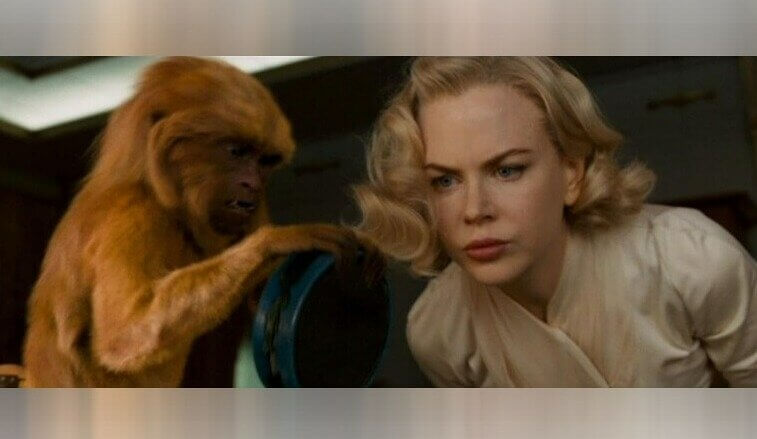
This left viewers with a cliffhanger that led nowhere. It’s a beautiful-looking film that allegedly lost its narrative spine in an attempt to be a "safe" family blockbuster.
25. The Girl on the Train (2016)
Paula Hawkins’ thriller was a massive "page-turner" that relied heavily on the protagonist’s foggy, unreliable memory. Moving the setting from London to New York for the film reportedly altered the atmosphere in a way that didn't quite sit right with readers. While Emily Blunt gave a powerhouse performance, the movie allegedly felt like a standard police procedural rather than the gritty, claustrophobic character study found in the book.
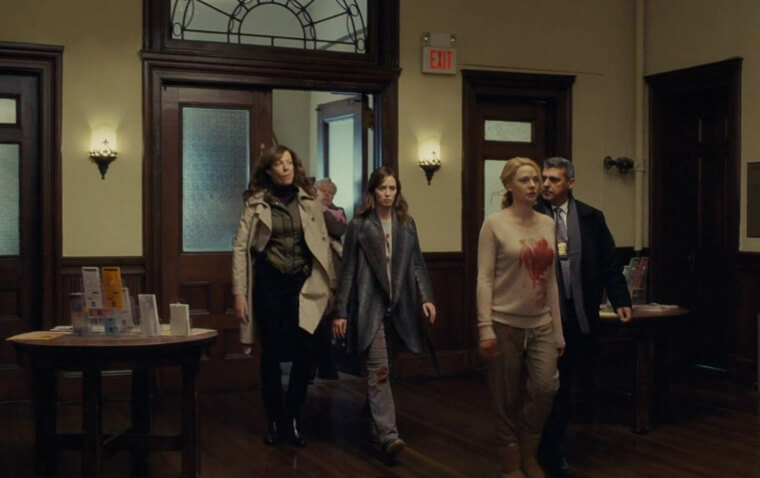
It wasn't a total failure, but many felt it lacked the visceral tension and "grime" that made the novel such a global phenomenon during its release.
24. Breakfast at Tiffany’s (1961)
This is a rare case where the movie is more famous than the book, but it’s ranked lower here because of how much it changed Truman Capote’s original vision. Capote reportedly wanted Marilyn Monroe for the lead and hated the "Hollywood-ized" romantic ending. In the book, Holly Golightly is a much darker, more transient character, and the story doesn't end with a kiss in the rain.
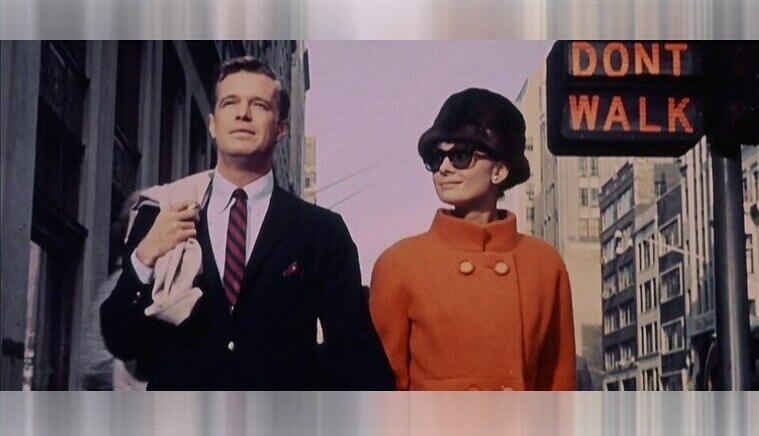
Additionally, the offensive caricature played by Mickey Rooney is a major stain on an otherwise chic film. It’s a classic, but it allegedly sanitized the source material beyond recognition.
23. Harry Potter and the Half-Blood Prince (2009)
As the sixth installment in the series, this film had the difficult task of balancing teenage romance with the rising threat of Voldemort. Many fans felt the movie focused too much on "who is dating whom" and reportedly cut out the fascinating backstory of Voldemort’s family that was central to the book. Allegedly, the dark, desaturated color palette made it difficult to see the action at times.
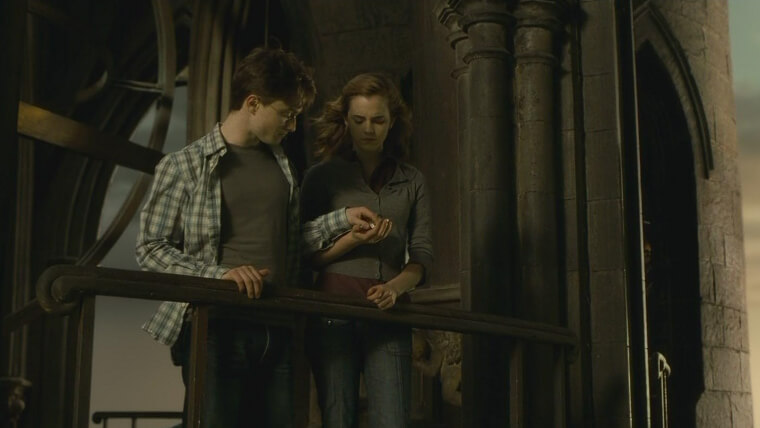
While the acting remained top-notch, the narrative choices reportedly left out the emotional weight of the "Prince" reveal itself, making the title feel almost like an afterthought to the plot.
22. Dune (1984)
David Lynch is a brilliant director, but his attempt to adapt Frank Herbert’s sci-fi epic was reportedly a chaotic experience. The film struggled to explain the complex politics and terminology of Arrakis, leading to the use of awkward "internal monologues" that whispered over the scenes. Allegedly, the studio cut the film so severely that Lynch eventually took his name off some versions.
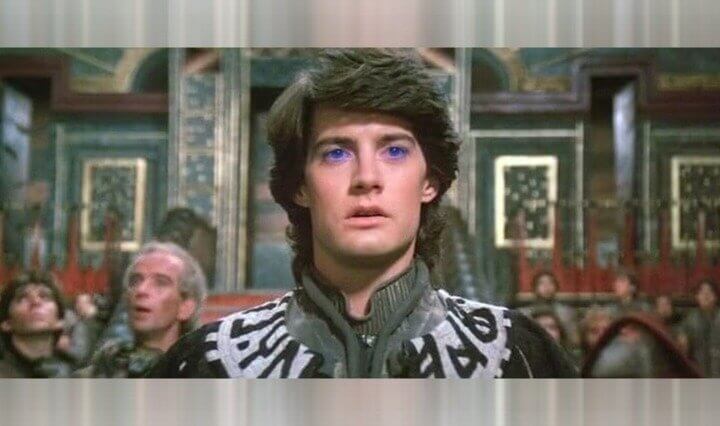
It has become a cult classic for its weirdness, but as an adaptation, it reportedly failed to capture the cohesive majesty of the book. It’s a fascinating mess that proved just how "unfilmable" the novel truly was.
21. Anna Karenina (2012)
Directed by Joe Wright, this version of Tolstoy’s epic takes place almost entirely on a literal theater stage. While the concept was visually inventive, it reportedly created a barrier between the audience and the emotional stakes of the story. Some viewers found the artifice distracting, allegedly making it hard to care about Anna’s tragic downfall. Keira Knightley’s performance was praised, but the film itself was not.
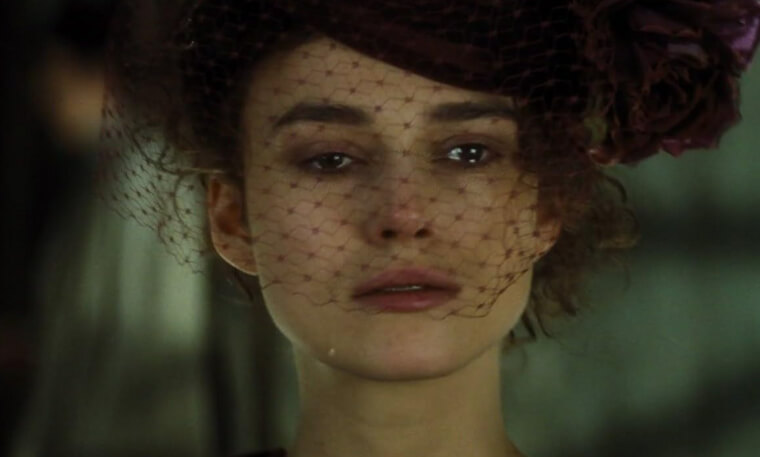
The film reportedly prioritized style over the sweeping Russian landscapes and deep philosophical musings found in the prose. It’s a bold experiment that allegedly worked better as an art piece than a faithful emotional journey.
20. Great Expectations (1946)
Moving into the better territory, David Lean’s black-and-white classic is often cited as one of the best Dickens adaptations. It captures the gothic, eerie atmosphere of the marshes and Miss Havisham’s decaying mansion perfectly. The film reportedly manages to condense a very long novel without losing the essential growth of Pip. While it’s nearly 80 years old, the cinematography allegedly still holds up today, creating a sense of wonder and dread.
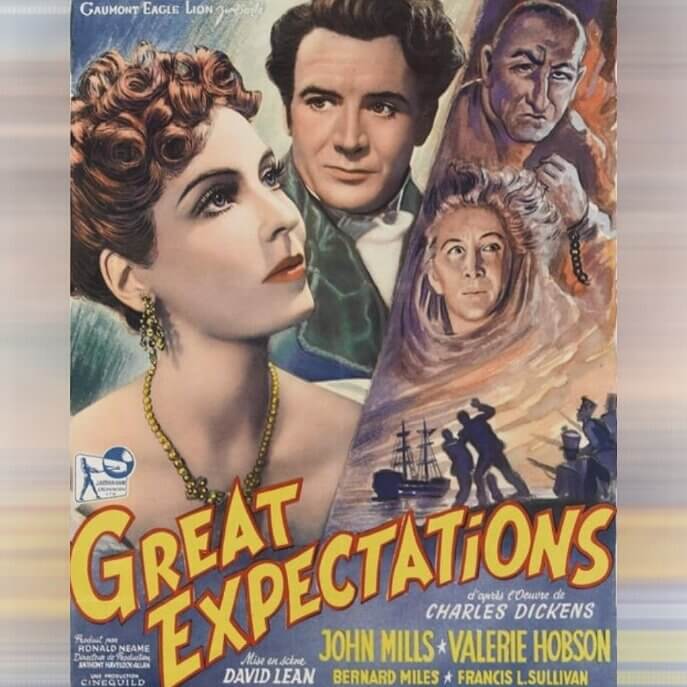
It’s a faithful, beautifully acted piece of cinema that respects the source material while standing on its own as a work of high art.
19. The Chronicles of Narnia: The Lion, the Witch and the Wardrobe (2005)
This film did a wonderful job of bringing C.S. Lewis’s magical world to a new generation. The casting of the four Pevensie children was reportedly spot-on, and Tilda Swinton was allegedly terrifying as the White Witch. The film stayed very close to the book’s plot and themes of sacrifice and redemption. While some of the CGI has aged, the heart of the story—the wonder of stepping through a wardrobe—remains intact.
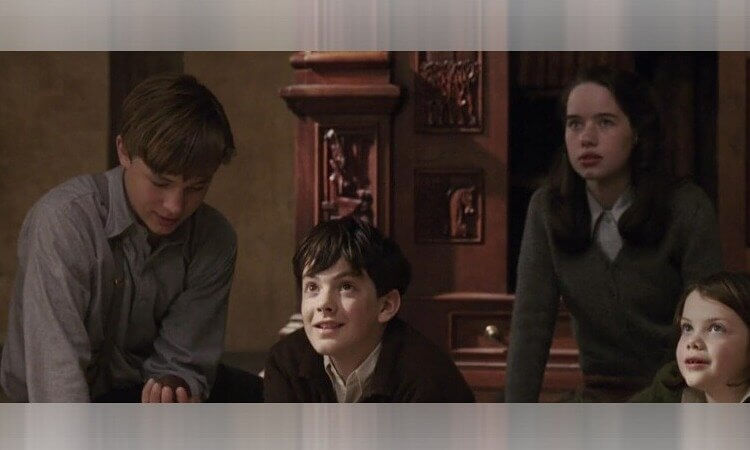
It’s a cozy, faithful adaptation that captures the "Sunday afternoon" feeling of reading the books during childhood, making it a favorite for many families.
18. Murder on the Orient Express (1974)
While there have been many versions of Agatha Christie’s most famous mystery, the 1974 film starring Albert Finney is often considered the gold standard. The star-studded cast—including Lauren Bacall and Ingrid Bergman—brought a level of Old Hollywood glamour that suited the setting perfectly. The film reportedly stays very true to the twist ending and the methodical nature of Hercule Poirot’s investigation.
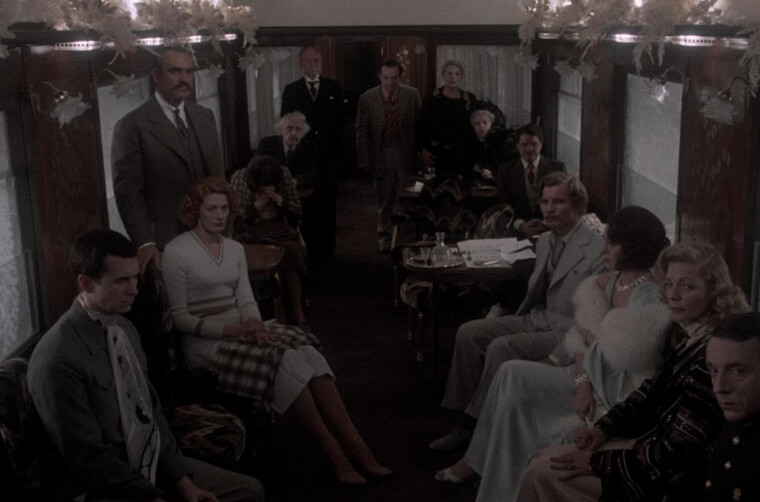
Allegedly, Christie herself was quite pleased with this version, particularly the mustache. It captures the tension of being trapped on a train with a killer better than any version that followed it.
17. Little Women (1994)
While the 2019 version is excellent, the 1994 adaptation starring Winona Ryder holds a special place in the hearts of many. It captures the warmth and domestic coziness of the March family home with great sincerity. The film reportedly emphasizes the bond between the sisters in a way that feels timeless and genuine. Allegedly, the chemistry between the cast members made the emotional beats—especially the tragedy involving Beth—hit particularly hard.
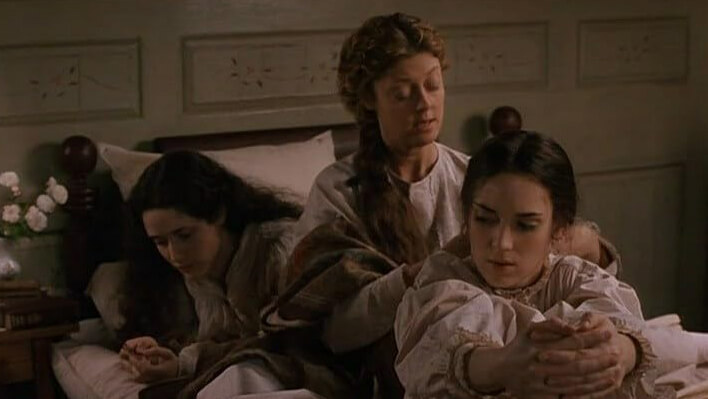
It is a faithful, loving tribute to Louisa May Alcott’s classic that focuses on the heart of the story rather than trying to reinvent the wheel.
16. The Princess Bride (1987)
It’s rare for a movie to be as beloved as the book, but The Princess Bride manages it. William Goldman wrote both the novel and the screenplay, which is reportedly why the transition was so seamless. The film captures the book's unique tone—a mix of sincere fairy tale and sharp satire—perfectly. While the book has a more cynical "framing story," the movie’s use of a grandfather reading to his grandson is arguably even more effective.
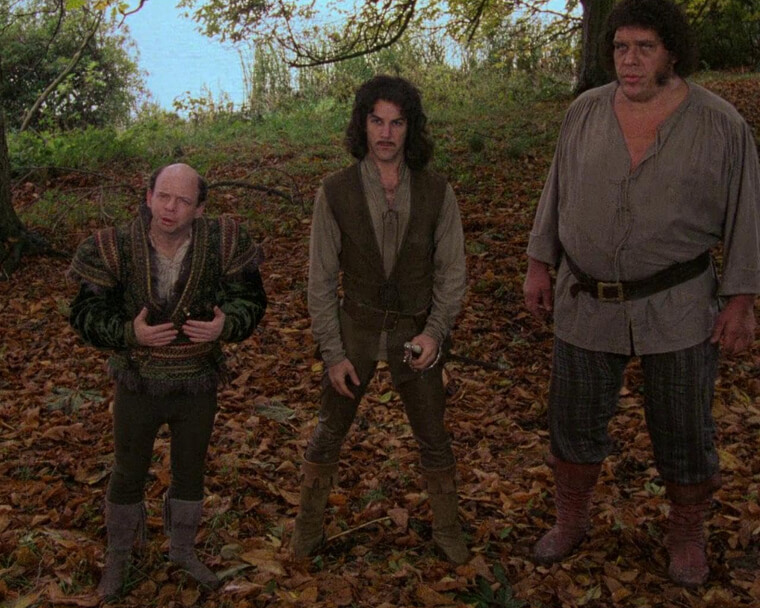
It’s an almost perfect translation of wit and adventure, proving that a faithful script can lead to a cinematic icon.
15. The Color Purple (1985)
Steven Spielberg’s adaptation of Alice Walker’s Pulitzer Prize-winning novel was a major turning point for the director. Starring Whoopi Goldberg and Oprah Winfrey, the film brought the harrowing but ultimately hopeful story of Celie to life with incredible emotional power. While some critics at the time reportedly felt the film "softened" some of the book’s harsher elements, the performances were so strong that the message remained clear.
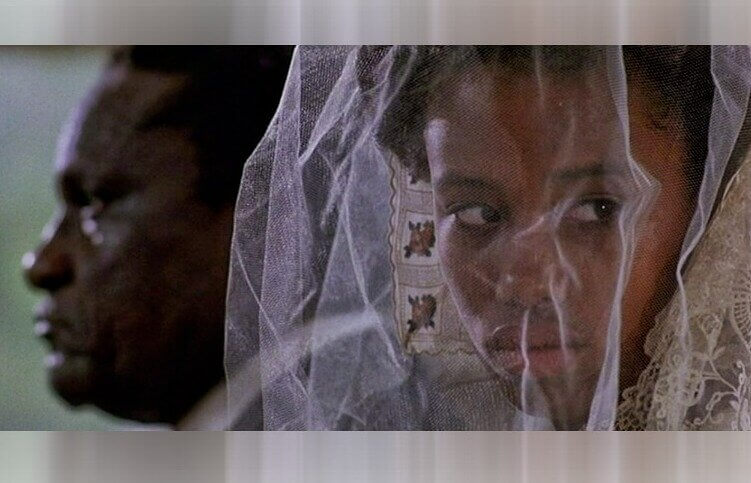
It is a beautifully shot, heart-wrenching film that successfully brought a difficult and important literary work to a massive global audience.
14. The Grapes of Wrath (1940)
John Steinbeck’s tale of the Joad family’s journey during the Dust Bowl is a heavy read, and the film captures that struggle with stark, beautiful realism. Henry Fonda’s portrayal of Tom Joad is reportedly one of the greatest performances in cinema history. While the film’s ending is slightly more hopeful than the book’s devastating conclusion, it reportedly maintains the social soul of the story. Allegedly, the film helped cement the book’s importance in American culture.
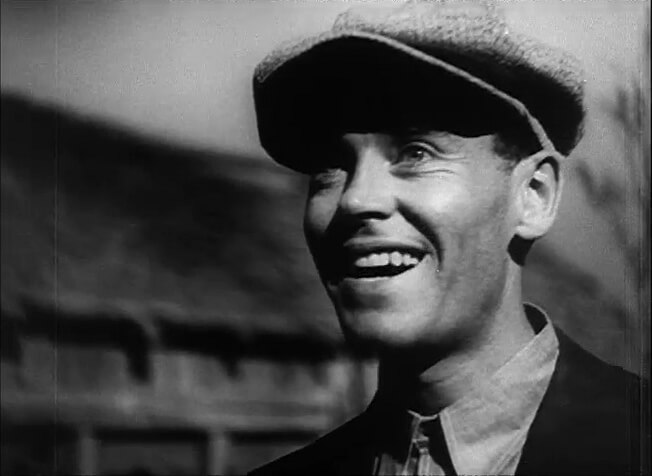
It remains a powerful look at poverty and resilience that feels just as relevant today as it did decades ago.
13. Gone With the Wind (1939)
This film is a titan of cinema, and for many, Vivien Leigh is Scarlett O’Hara. The movie captures the sweeping scale of Margaret Mitchell’s novel, from the lush plantations to the burning of Atlanta. While it has been rightly criticized for its romanticized portrayal of the Civil War era, as an adaptation, it is remarkably faithful to the plot and characters. The sheer ambition of the production reportedly mirrored the "blockbuster" nature of the book.
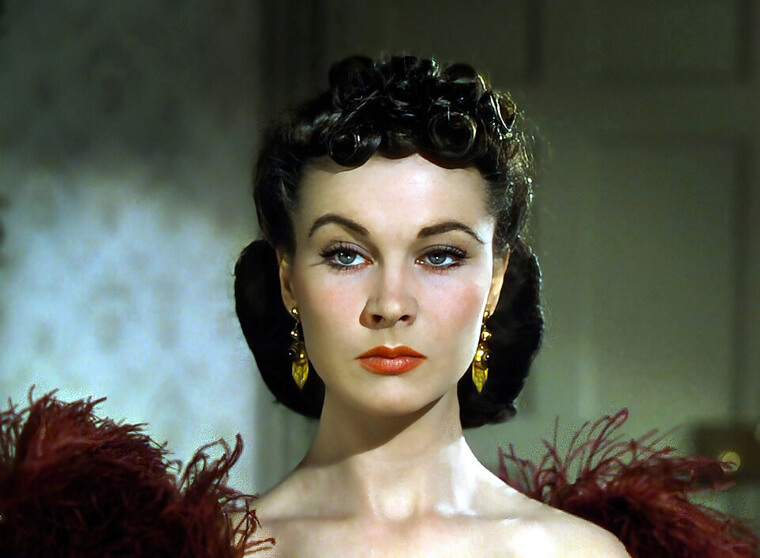
It’s a film that defined an era of Hollywood and remains the ultimate example of the "epic" book-to-screen transition.
12. Misery (1990)
Stephen King has had many adaptations, but Misery is arguably the most terrifying because it feels so possible. Kathy Bates won an Oscar for her role as Annie Wilkes, and her performance reportedly captured the character’s "flip-switch" personality exactly as written. The film wisely kept the focus on the claustrophobic tension between the two leads. While the infamous "hobbling" scene was slightly altered from the book to be a bit less gory, it reportedly lost none of its impact.
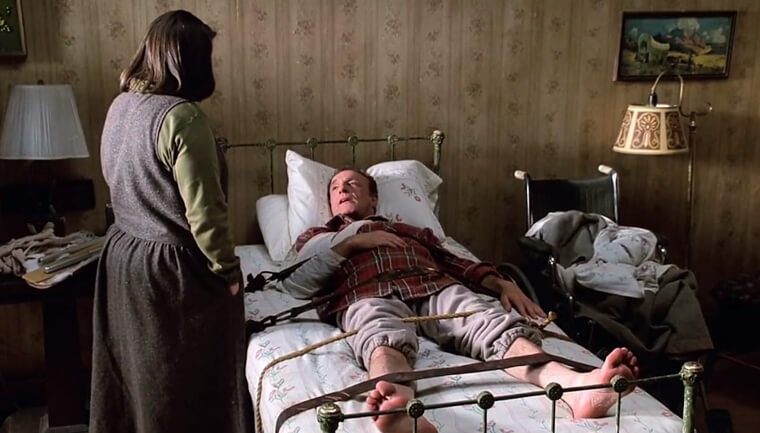
It is a masterclass in suspense that honors the psychological depth of King’s writing.
11. Sense and Sensibility (1995)
Emma Thompson not only starred in this adaptation but also wrote the Oscar-winning screenplay. Her deep understanding of Jane Austen’s wit and social observation shines through in every scene. The film reportedly balances the "sense" of Elinor and the "sensibility" of Marianne with perfect grace. With a cast including Kate Winslet and Alan Rickman, the film feels lived-in and authentic.
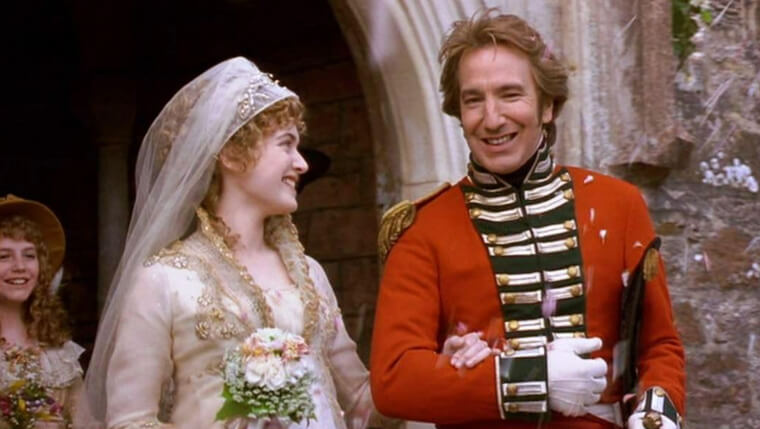
It is widely considered one of the most successful Austen adaptations because it manages to make 19th-century concerns feel deeply personal and relatable to a modern, 20th-century audience.
10. No Country for Old Men (2007)
The Coen Brothers brought Cormac McCarthy’s sparse, violent prose to the screen with haunting accuracy. The film famously uses no musical score, relying instead on the sounds of the Texas landscape to build tension. Javier Bardem’s Anton Chigurh is reportedly exactly as terrifying as he is on the page. The movie follows the book’s plot almost beat-for-beat, including the philosophical ending that left some moviegoers surprised.
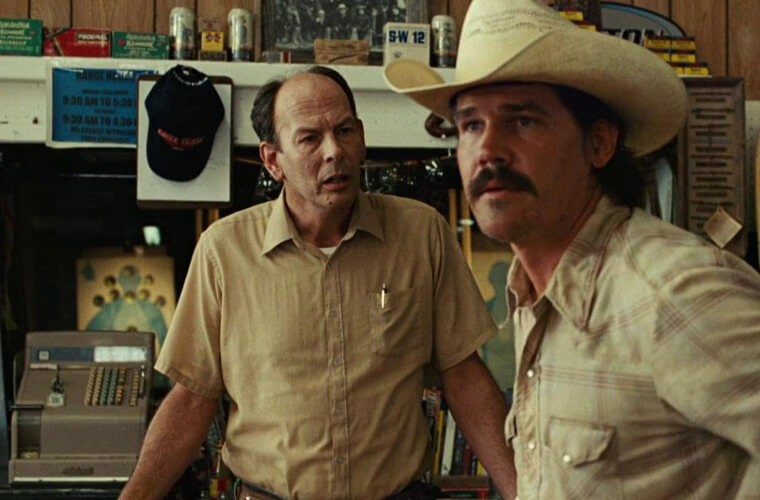
It is a gritty, uncompromising adaptation that proves that sometimes the best way to honor a book is to let the silence do the talking.
9. The Godfather (1972)
It is often said that the movie is actually better than Mario Puzo’s novel. While the book is a great read, it reportedly contains several subplots that would have cluttered the screen. Francis Ford Coppola wisely trimmed the story to focus on the Shakespearean tragedy of the Corleone family. The casting of Marlon Brando and Al Pacino brought a gravitas to the characters that elevated the material.
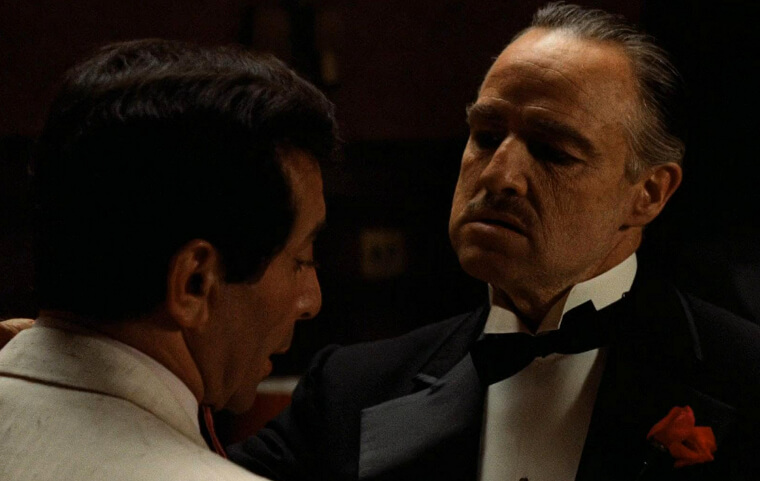
Allegedly, Puzo himself worked on the screenplay, ensuring the heart of his story remained. It is a rare perfect film that improved upon its already successful source material.
8. Rebecca (1940)
Alfred Hitchcock’s first American film was this adaptation of Daphne du Maurier’s gothic masterpiece. It captures the haunting presence of the "first Mrs. de Winter" without ever showing her face. Joan Fontaine and Laurence Olivier give performances that perfectly mirror the book's dynamic of insecurity and hidden secrets. The film reportedly had to change a major plot point regarding a certain death due to strict Hollywood censorship at the time.
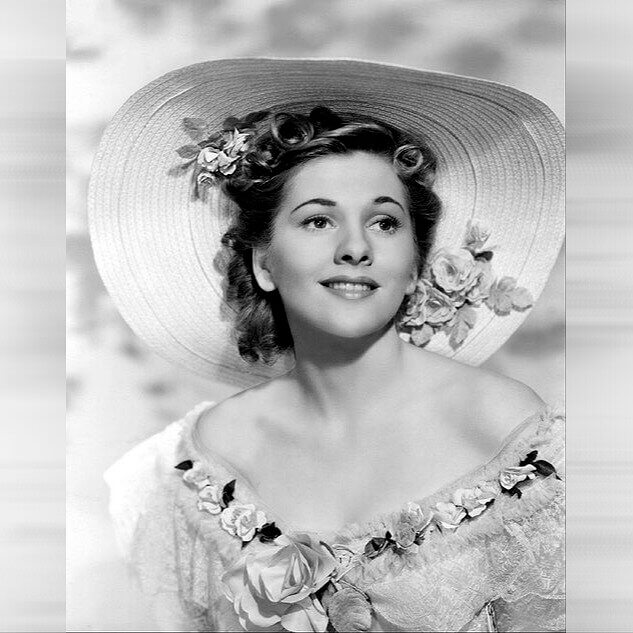
But Hitchcock allegedly handled it so skillfully that it didn't hurt the story's impact. It remains the definitive version of this classic mystery.
7. To Kill a Mockingbird (1962)
Gregory Peck’s portrayal of Atticus Finch is so iconic that it’s almost impossible to read Harper Lee’s book without seeing his face. The film captures the innocence of childhood and the harsh reality of racial injustice with a gentle but firm hand. It stays incredibly faithful to the novel’s structure and tone. Allegedly, Harper Lee was so moved by the film that she became close friends with Peck for the rest of his life.
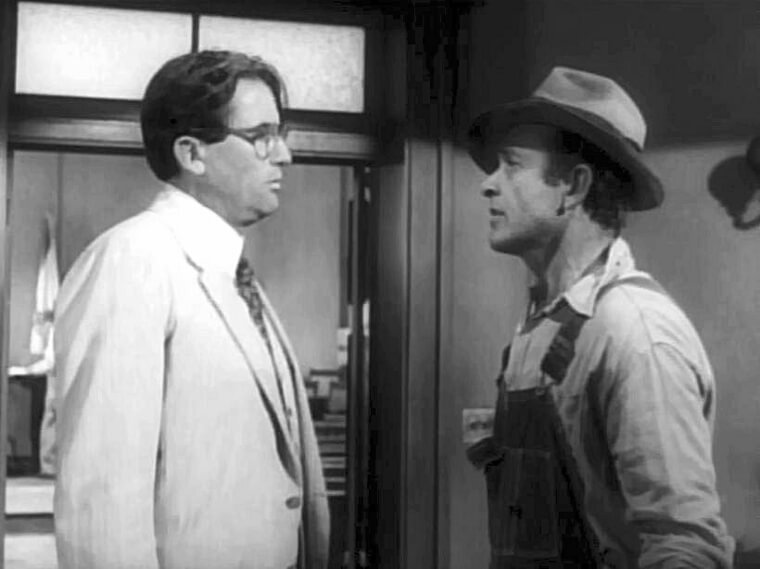
It is a beautiful, essential piece of cinema that carries the moral weight of the book with dignity and grace.
6. The Silence of the Lambs (1991)
This film is a near-perfect translation of Thomas Harris’s thriller. The "dance" between Clarice Starling and Hannibal Lecter is captured with such intensity that it redefined the horror genre. Anthony Hopkins and Jodie Foster reportedly spent hours perfecting their characters' specific mannerisms to match the book's descriptions. The film captures the procedural details of the FBI investigation as well as the dark, psychological undercurrents.
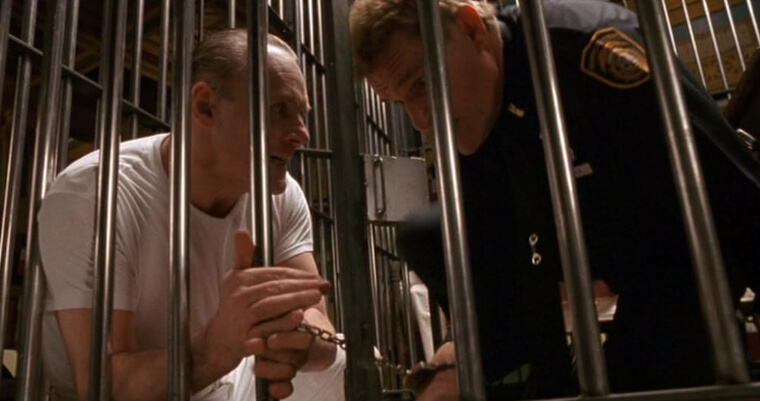
It is one of the few films to win the "Big Five" Oscars, a testament to how well it translated a gripping "pulp" novel into a cinematic masterpiece.
5. Schindler’s List (1993)
Based on the book Schindler’s Ark by Thomas Keneally, Steven Spielberg’s film is a devastating and essential look at the Holocaust. The choice to film in black and white reportedly gave the story a documentary-like feel that honored the reality of the history it depicted. Liam Neeson and Ralph Fiennes give performances that are reportedly as complex as their literary counterparts. The film stays very true to the accounts of the survivors.
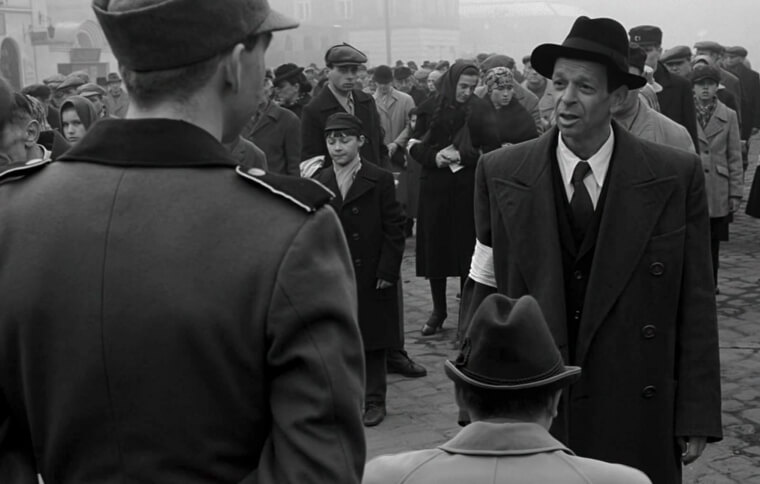
It's more than just a movie, but a historical record. It is a profound, masterful adaptation that handles its heavy subject matter with absolute reverence.
4. Pride and Prejudice (1995 Miniseries)
While technically a TV miniseries, this is widely considered the ultimate adaptation of Jane Austen’s most famous work. With six hours of screen time, it didn't have to cut a single significant moment from the book. Jennifer Ehle and Colin Firth are reportedly the definitive Elizabeth and Darcy for an entire generation of readers. The production values, from the costumes to the locations, are allegedly impeccable.
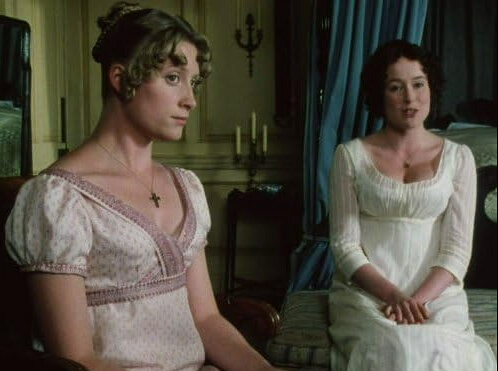
It captures the humor, the social biting, and the slow-burn romance of the novel better than any two-hour film ever could. It is the "gold standard" of faithful adaptations.
3. The Lord of the Rings Trilogy (2001–2003)
Peter Jackson accomplished what many thought was impossible: bringing Tolkien’s Middle-earth to life. The attention to detail—from the languages to the armor—reportedly made the world feel completely lived-in and real. While some changes were made (like the removal of Tom Bombadil), they were reportedly done to keep the narrative momentum of the films. The emotional core of friendship and the struggle against overwhelming evil remains perfectly intact.
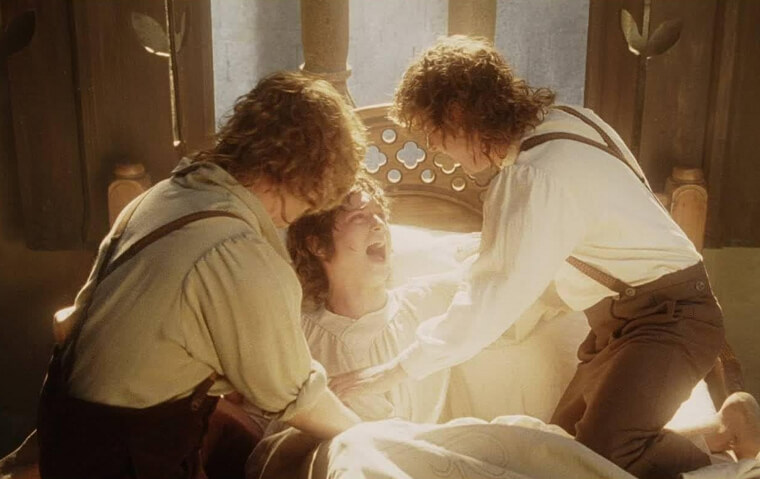
It is a monumental achievement in filmmaking that respected the source material while creating a new visual language for the fantasy genre that still rules today.
2. The Shawshank Redemption (1994)
Based on a novella by Stephen King, this film is a rare example of a story that feels "fuller" on screen than it does on the page. The friendship between Andy and Red is given more room to breathe, and Morgan Freeman’s narration reportedly adds a layer of soulful wisdom that defines the movie. While it wasn't a hit at the box office initially, it has become a beloved classic.
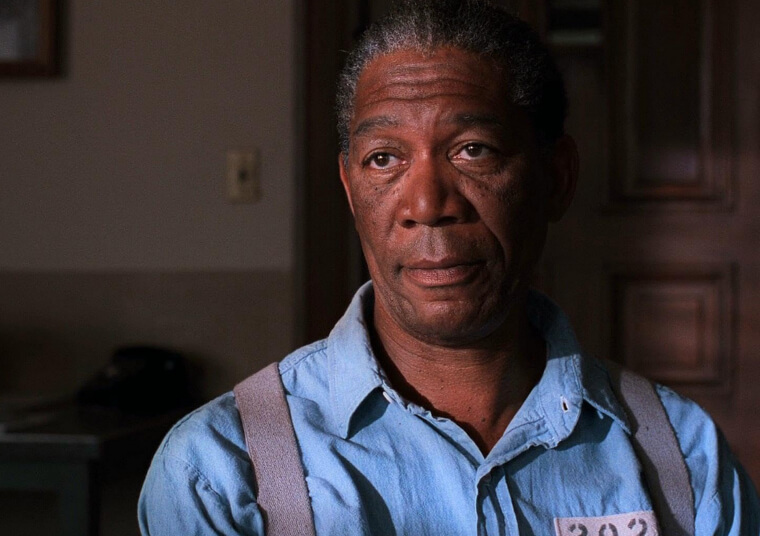
It captures the book’s themes of hope and "getting busy living" with such sincerity that it is often ranked as the best movie of all time.
1. Gone Girl (2014)
Gillian Flynn wrote the screenplay for the adaptation of her own novel, which is why the film feels so remarkably sharp. It captures the book’s unique "dual-narrative" structure and its cynical look at modern marriage perfectly. Rosamund Pike’s performance as Amy Dunne is reportedly a mirror image of the "Cool Girl" described in the book. The film’s cold, clinical visual style matches the tone of the prose exactly.
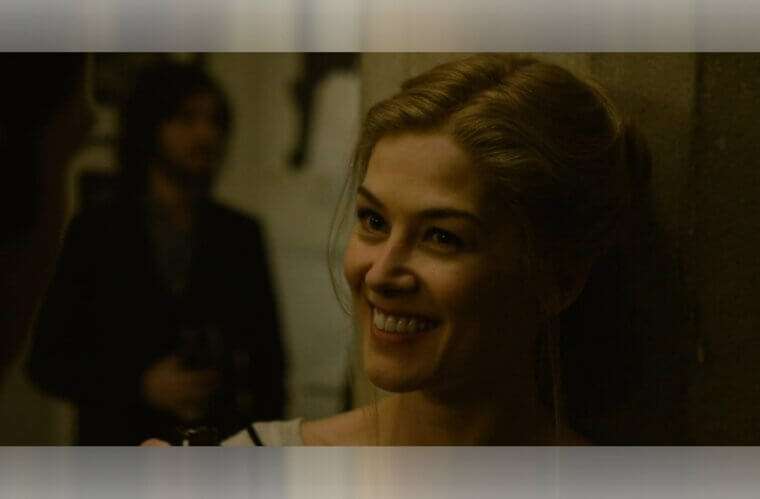
It is a thrilling, twisted, and incredibly faithful adaptation that managed to keep the book’s shocking surprises intact even for those who hadn't read it.