
Liam Neeson & Natasha Richardson
Liam Neeson and Natasha Richardson were one of theater-and-film’s most admired couples, married since 1994. Their story turned heartbreaking in March 2009, when Richardson suffered a head injury during a beginner ski lesson at Mont Tremblant in Quebec. At first, she seemed okay, but her condition rapidly worsened, and she died at 45 from an epidural hematoma. Neeson rushed to her side and later spoke about the shock of losing her so suddenly.
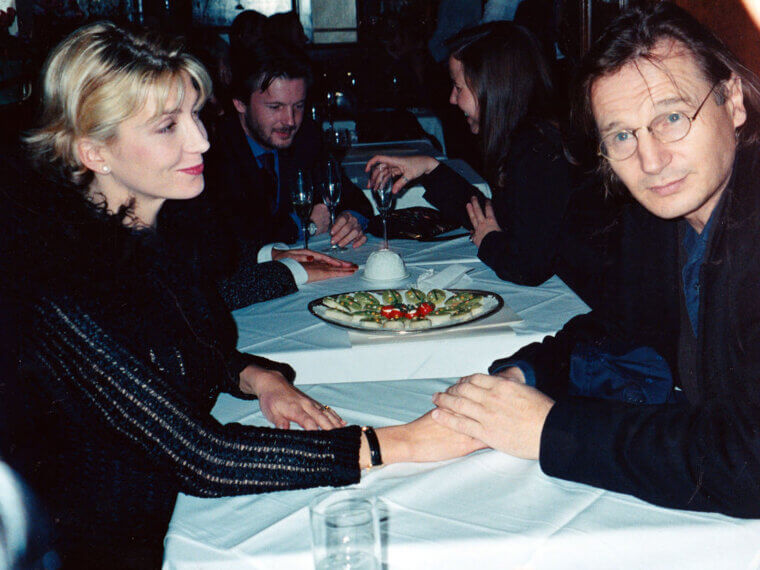
In the years since, he and their sons have publicly honored her memory while keeping much of their grief private.
Michelle Williams & Heath Ledger
Michelle Williams wasn’t Heath Ledger’s wife, but they were long-term partners and shared a daughter, Matilda. They met while filming Brokeback Mountain, built a quiet life together, and later split in 2007. In January 2008, Ledger died at 28; authorities ruled it an accidental overdose. The loss reverberated through Hollywood, but for Williams it was also intensely personal—grief paired with single parenthood in the public eye.
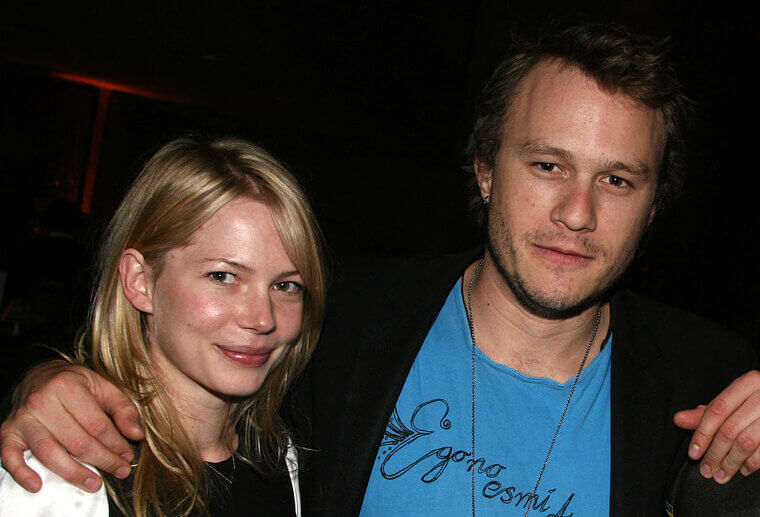
Over time, she’s spoken with care about his warmth and talent, keeping their relationship’s details respectful and centered on the life they shared and the child they raised together.
Keanu Reeves & Jennifer Syme
Keanu Reeves and Jennifer Syme’s relationship was marked by profound tragedy. After they lost their daughter to stillbirth in 1999, the couple separated but remained close. In April 2001, Syme died at 28 in an automobile collision in Los Angeles—news that stunned those who knew how connected she and Reeves still were. Reeves has rarely spoken publicly about that period, but the timeline of loss—child, then former partner—helped shape his reputation as an intensely private figure who carries grief quietly.
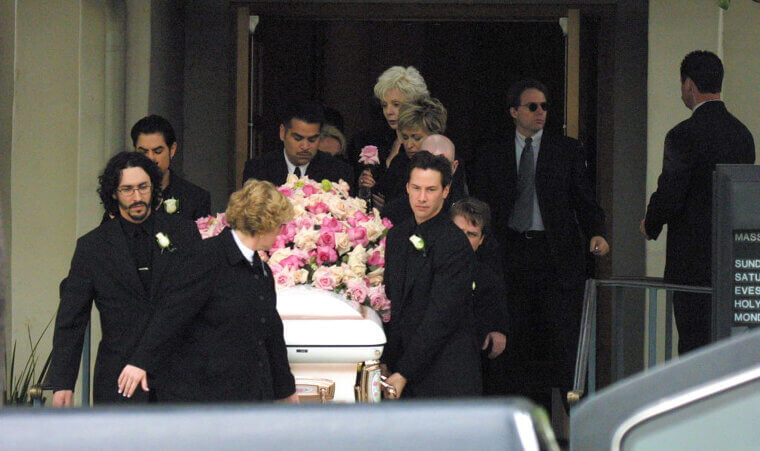
Their story is often remembered as a reminder that fame doesn’t soften life’s hardest blows.
Courtney Love & Kurt Cobain
Courtney Love married Kurt Cobain at the height of Nirvana’s fame, and their relationship was relentlessly scrutinized. In April 1994, Cobain died at 27; investigators determined he died by suicide, a shock that sent ripples through music and pop culture. Love became both a grieving widow and a lightning rod for public speculation, forced to mourn in a spotlight that rarely allowed softness.
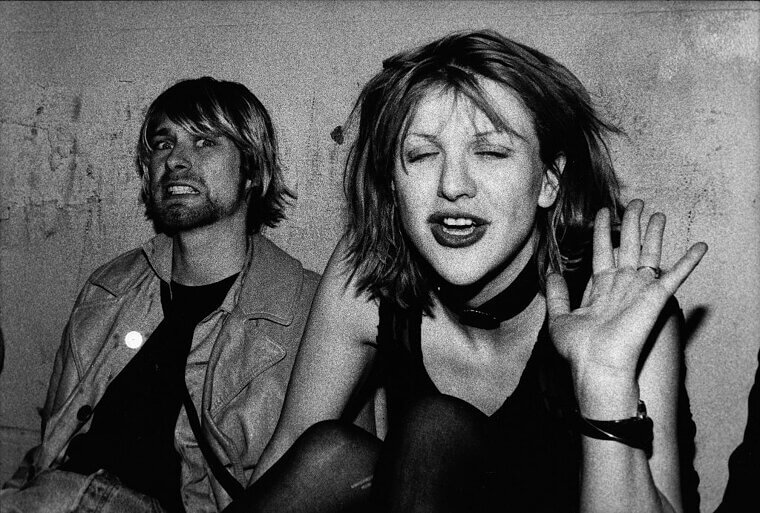
In the aftermath, she fought to protect Cobain’s legacy and raise their daughter, Frances Bean, while navigating her own complicated grief. Their story remains one of rock’s most iconic—and devastating—chapters.
Simon Monjack & Brittany Murphy
Brittany Murphy and Simon Monjack’s marriage ended in sudden tragedy. Murphy died in December 2009 at 32; the Los Angeles County coroner reported pneumonia, anemia, and multiple drug intoxication as contributing factors, classifying her death as accidental. Monjack, left a widower amid intense media speculation, died just five months later in the same home. The coroner later reported Monjack’s death was caused by acute pneumonia and severe anemia—eerily similar to Murphy’s.
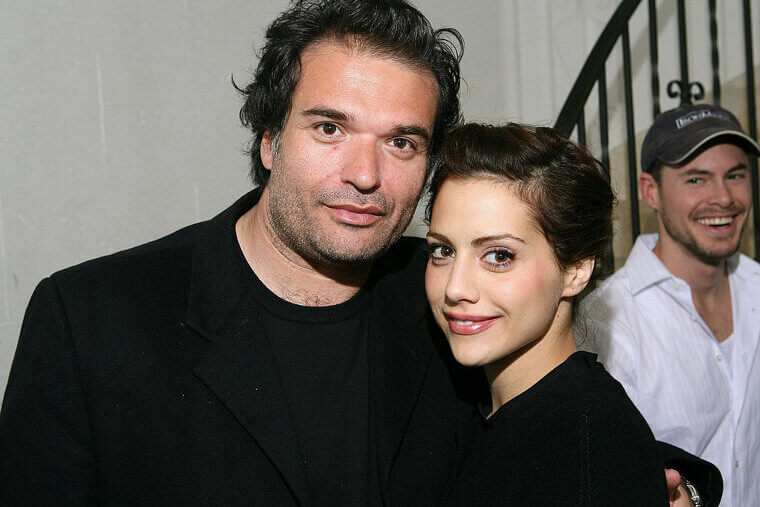
Their back-to-back deaths fueled years of rumors, but the official findings highlight how quickly illness can escalate when compounded by other health factors.
Paul McCartney & Linda McCartney
Paul and Linda McCartney were married for nearly three decades, a famously devoted partnership that blended family life with creative collaboration. In April 1998, Linda died after battling breast cancer. McCartney’s grief was visible in how he spoke about her—often emphasizing her strength, her warmth, and how central she was to their family’s everyday rhythm. Unlike sudden accidents, this was a loss that arrived after years of treatment, yet it still hit with a finality that reshaped his life.
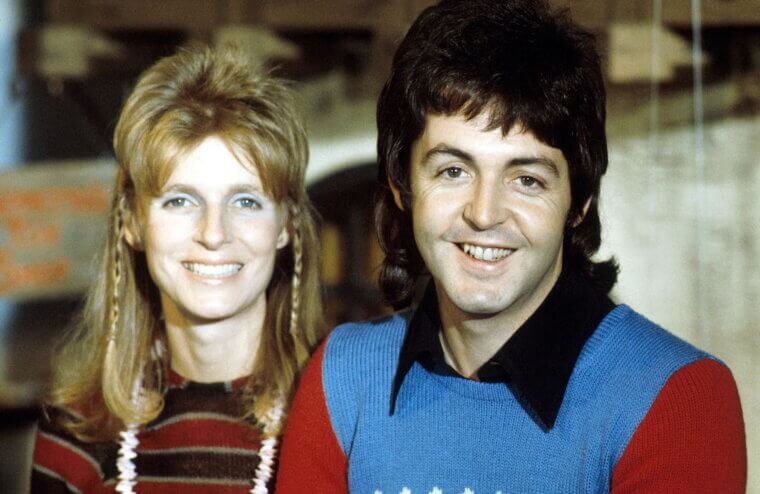
Linda’s legacy continues through her photography, activism, and the vegetarian brand the family helped build in her name.
Yoko Ono & John Lennon
Yoko Ono and John Lennon’s marriage was both creative partnership and deep personal bond. On December 8, 1980, Lennon was shot and killed in New York City, a public tragedy that unfolded instantly and forever. Ono became a widow under the harshest kind of spotlight, grieving while the world mourned a cultural icon. In the decades since, she has curated Lennon’s legacy through music releases, archival projects, and activism—often emphasizing their shared ideals as much as their love story.
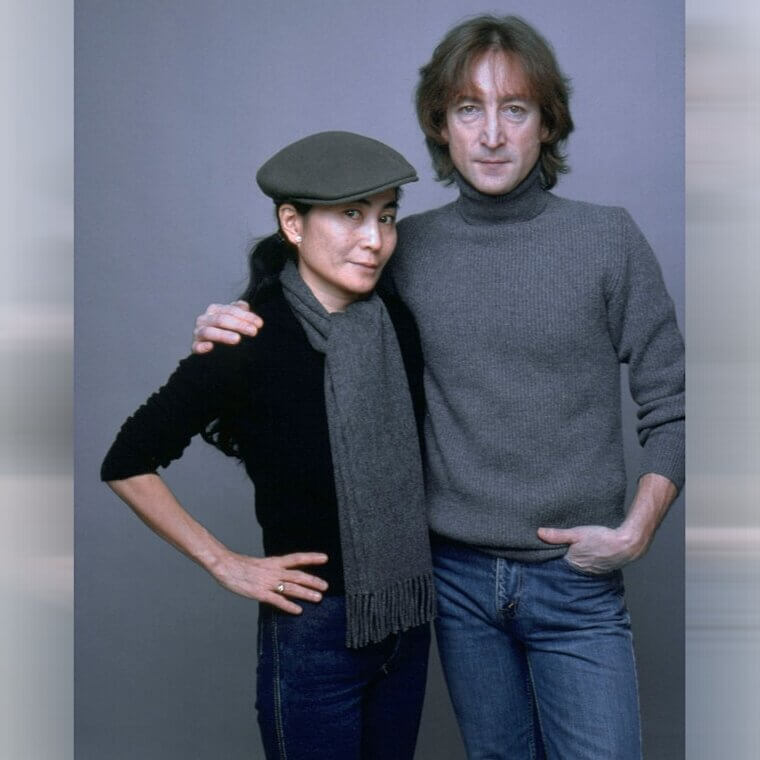
Their relationship remains a defining example of how fame can magnify loss, turning private heartbreak into global history.
John Travolta & Kelly Preston
John Travolta and Kelly Preston were married for nearly 30 years, building a family while balancing two high-profile careers. In July 2020, Preston died at 57 after battling breast cancer, and Travolta publicly acknowledged the depth of their partnership and the shock of losing her. Their relationship had already endured public tragedy, including the earlier loss of their son Jett, which made Preston’s death feel like another devastating blow to a tight-knit family.
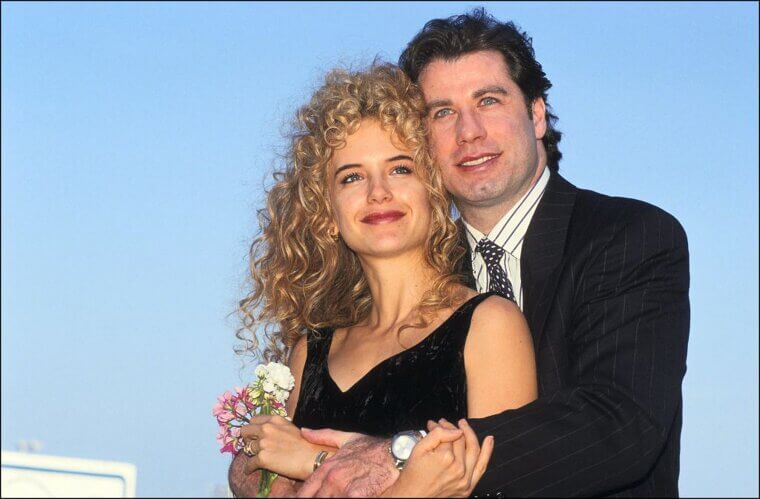
Even after her passing, Travolta’s tributes have consistently highlighted her warmth as a mother and her steadiness as a life partner—an enduring love story interrupted too soon.
Diana Hyland & John Travolta
Diana Hyland was not John Travolta’s wife, but she was a major early love. They met when he was rising fast, and their relationship became deeply personal just as Hyland’s health worsened. Hyland died in 1977 from breast cancer, and Travolta has spoken over the years about the impact her death had on him—especially losing someone he loved while still so young.
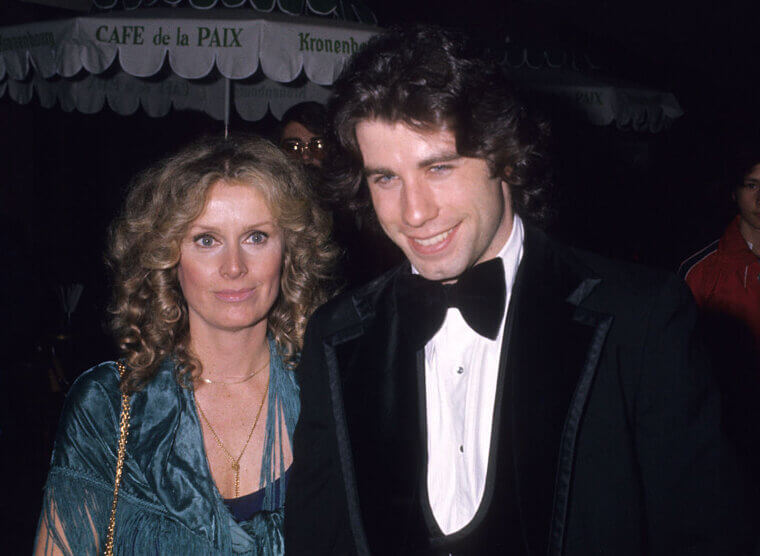
Their love and heartbreak is a reminder that grief doesn’t require a marriage certificate to be life-altering.
Christopher Reeve & Dana Reeve
Christopher and Dana Reeve’s marriage became a public symbol of devotion after his 1995 riding accident left him paralyzed. Dana stood beside him through advocacy work and caregiving until his death in October 2004. Then, in another cruel turn, Dana died in 2006 after being diagnosed with lung cancer, despite being a non-smoker. Their family faced back-to-back losses, yet Dana’s steadiness and Christopher’s resilience remain a lasting part of their legacy.
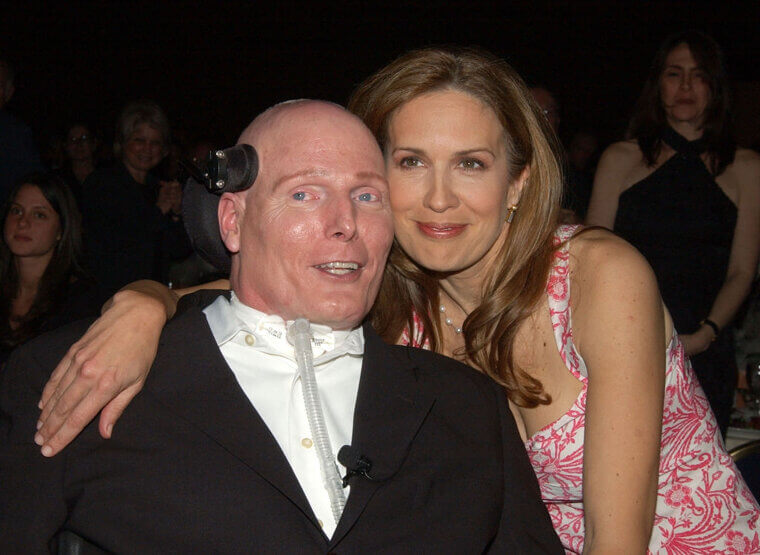
Their story is often remembered not only for tragedy, but for the way love showed up as daily commitment—quietly, consistently, and in full view of the world.
Pierce Brosnan & Cassandra Harris
Pierce Brosnan’s first marriage, to actress Cassandra Harris, ended in heartbreak. Harris died in 1991 from ovarian cancer, and Brosnan later described the experience as a life-changing grief—one that arrived while he was still building his career and adjusting to family responsibilities. He helped raise Harris’s children (whom he adopted), and her death reshaped his understanding of love, loss, and what it means to hold a family together when tragedy hits.
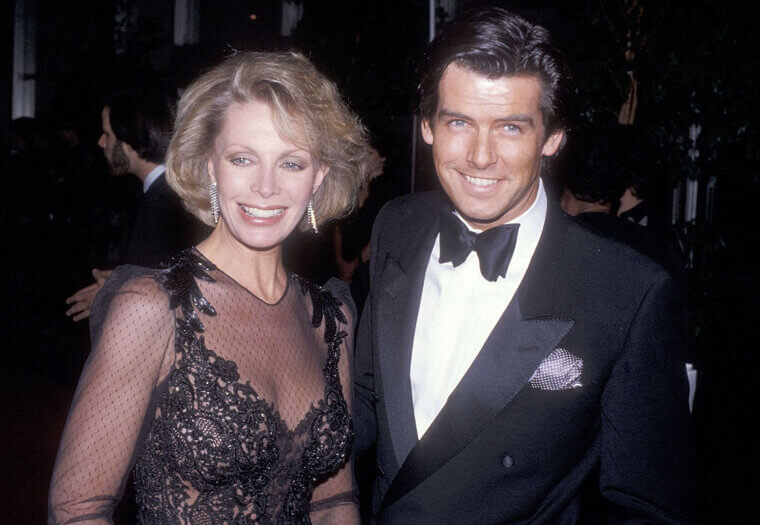
Years later, Brosnan has spoken with tenderness about Cassandra’s strength and the emotional imprint she left. Their story is a reminder that behind “Bond-level” cool lived a very human mourning.
Gene Wilder & Gilda Radner
Gene Wilder and Gilda Radner’s marriage was famously joyful—two comedic talents who found real softness together. Radner died in 1989 from ovarian cancer, and Wilder later wrote and spoke about how devastating the loss was, as well as how it pushed him toward cancer awareness work. Their story often resonates because it combines celebrity with recognizable intimacy: inside jokes, shared routines, and the dream of more time.
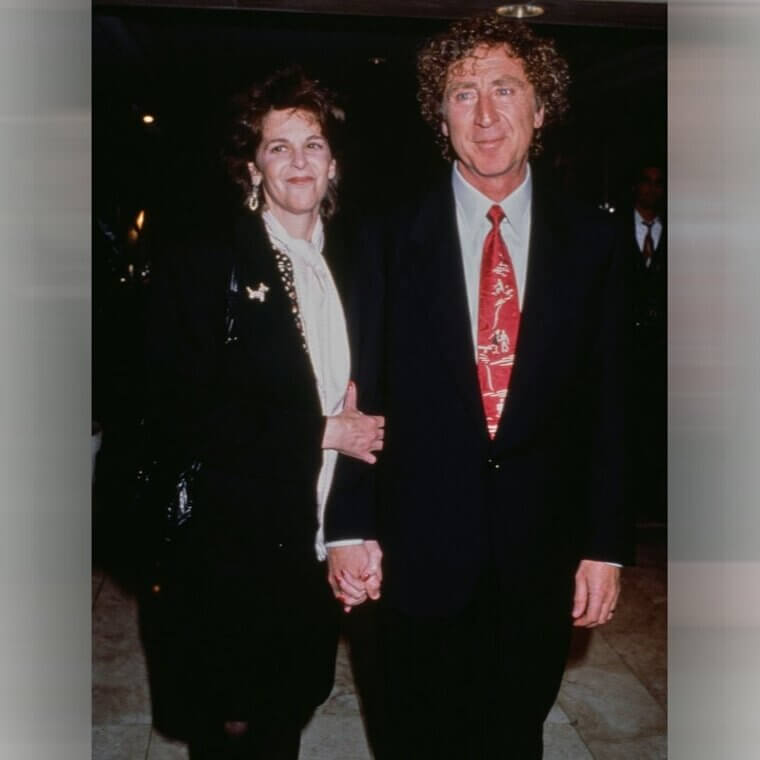
Wilder’s grief didn’t fade into trivia; it became part of his public legacy, shaping how people remember both of them. When people call them “beloved,” it’s not just nostalgia—it’s the tenderness of a love cut short.
Elizabeth Taylor & Mike Todd
Elizabeth Taylor’s marriage to producer Mike Todd was passionate, glamorous, and brief. In 1958, Todd died in a plane crash, leaving Taylor widowed at 26 and thrust into a very public mourning. The tragedy was especially sharp because their relationship had seemed like a new, stable chapter after earlier upheavals. Taylor later spoke about the shock and isolation of losing him so suddenly—an abrupt end with no gradual goodbye.
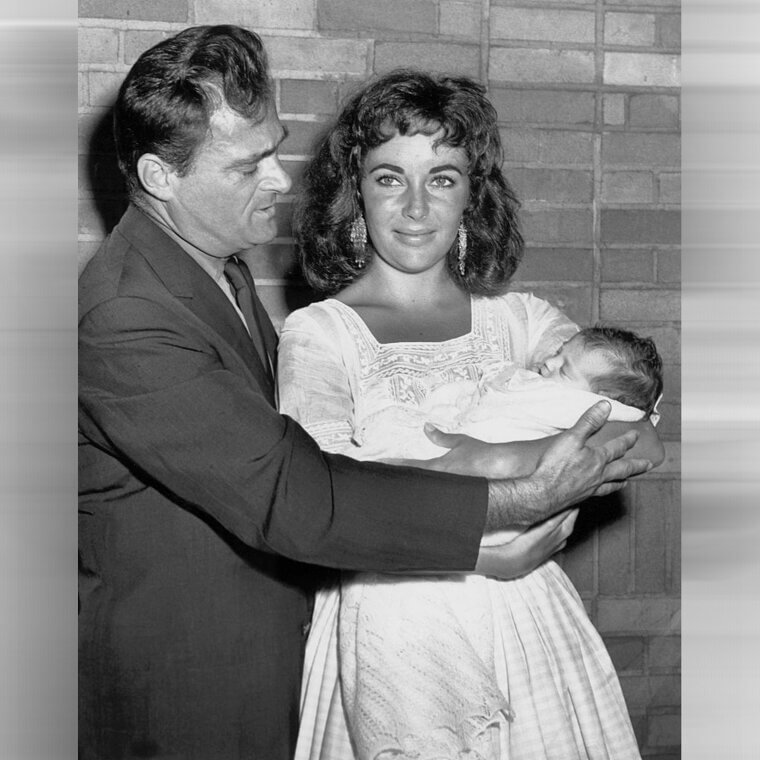
The aftermath became part of Hollywood lore, but the human reality is simpler: a young woman losing her husband in an instant, then trying to keep moving under a spotlight that never dimmed.
Natalie Wood & Robert Wagner
Natalie Wood and Robert Wagner had a Hollywood second act: they married in 1957, divorced in 1962, then reunited and remarried in 1972. Their marriage ended tragically over Thanksgiving weekend in 1981, when Wood, 43, drowned near California’s Catalina Island during a trip on their yacht, the Splendour, with co-star Christopher Walken and skipper Dennis Davern aboard. Her death was first ruled an accidental drowning.
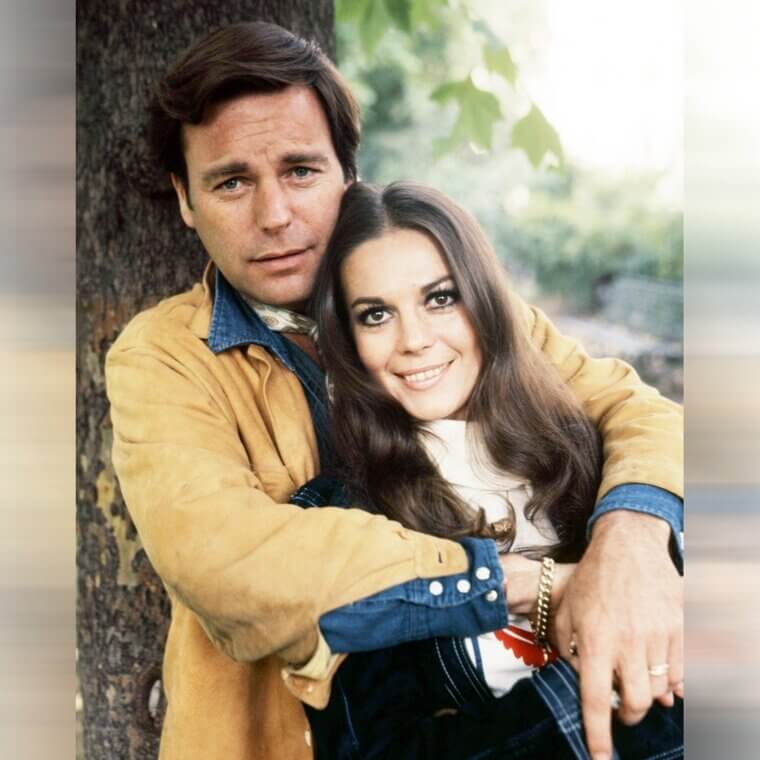
After the case was reopened in 2011, the coroner amended the death certificate to “drowning and other undetermined factors.” In 2022, the sheriff’s department said Wagner was cleared of involvement, though the case remains open.
Dame Judi Dench & Michael Williams
Judi Dench and Michael Williams shared a long, actor-to-actor marriage, known for its warmth and quiet stability away from tabloid noise. Williams died in 2001 from lung cancer, leaving Dench widowed after three decades together. She has spoken about the loneliness that followed—how grief can feel like losing the person who knows your entire private language. Even as Dench’s career continued to soar, the loss remained a defining personal turning point.
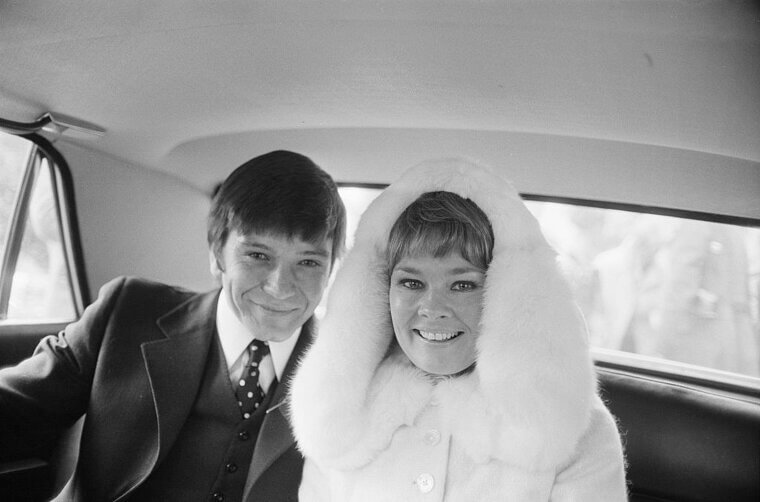
Their love story is often described as deeply companionate: the kind built on shared work, shared humor, and the ordinary days in between. It’s a reminder that the greatest romances aren’t always the loudest ones.
Fred Astaire & Phyllis Potter
Fred Astaire’s first marriage, to Phyllis Potter, was a steady counterbalance to his public image as a dazzling performer. When Potter died in 1954, Astaire was left devastated, and the loss marked him profoundly. While he eventually remarried, friends and biographers have often noted how deeply he loved Phyllis and how long her absence echoed in his life.
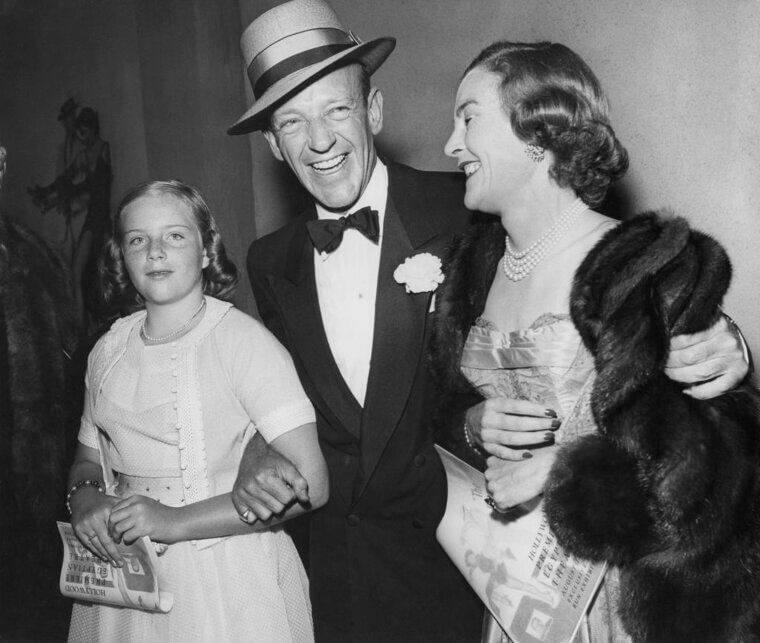
Their story stands out because it’s less about Hollywood spectacle and more about private heartbreak: a man who made romance look effortless on screen confronting the kind of grief that has no choreography.
David Bowie & Iman
The widow in this story is Iman, not David Bowie. Bowie died on January 10, 2016, and Iman has spoken about carrying him with her—keeping his presence alive through memory rather than public performance. Their marriage was often described as unusually private for two global figures, grounded in mutual respect and a life built away from constant spectacle.
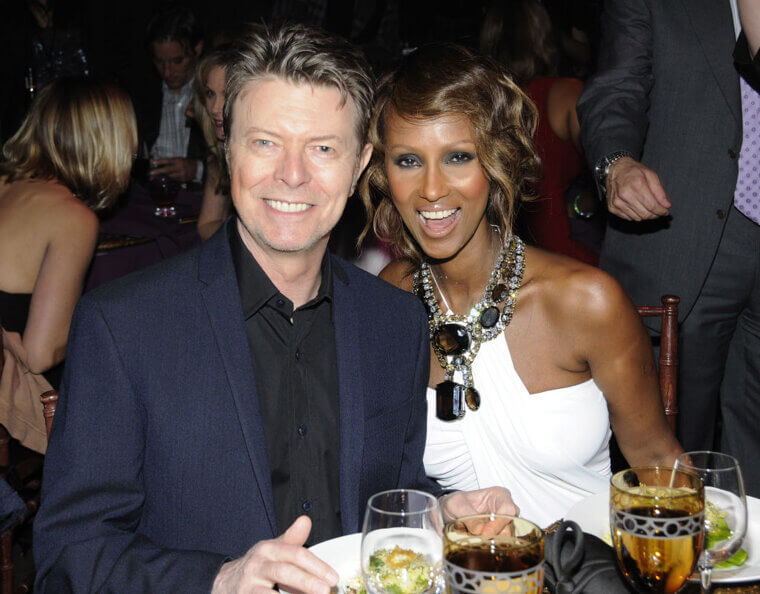
Bowie’s death resonated widely because of who he was, but Iman’s grief has always read as personal first: a spouse losing her partner after years of shared routines, family life, and quiet devotion. It’s a love story that never needed overexplanation—until loss forced the world to look.
Patton Oswalt & Michelle McNamara
Patton Oswalt and true-crime writer Michelle McNamara were married and raising a daughter when McNamara died unexpectedly in 2016. Her death was later ruled an accidental overdose, a startling and painful outcome that Oswalt has described as a life split into “before” and “after.” In the wake of her passing, he spoke openly about grief, parenting through heartbreak, and the strange bureaucratic reality of becoming a widower overnight.
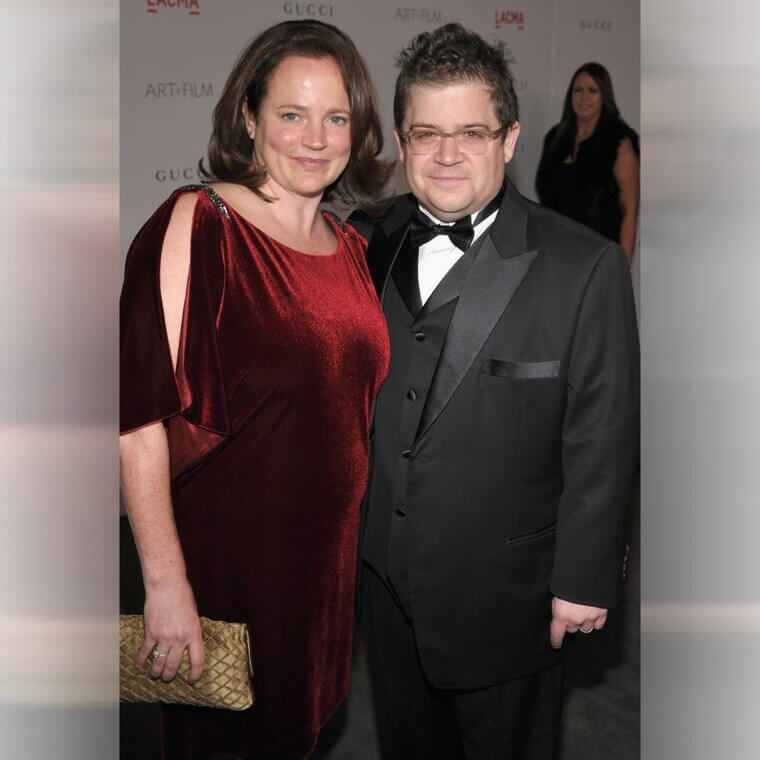
He also worked to honor her legacy, including the eventual completion and publication of her book project. Their story is a modern portrait of loss: sudden, messy, and deeply human—without any Hollywood gloss to soften it.
Patrick Swayze & Lisa Niemi
The widow in this pairing is Lisa Niemi. Patrick Swayze died in 2009 after battling pancreatic cancer, ending a marriage that had lasted for decades—one that began long before he became an international star. Niemi has spoken about the intensity of caregiving and the emotional whiplash of losing a partner who was also your lifelong teammate. Their love story often stands out because it wasn’t built on a whirlwind: it was built on years, work, and mutual grit.
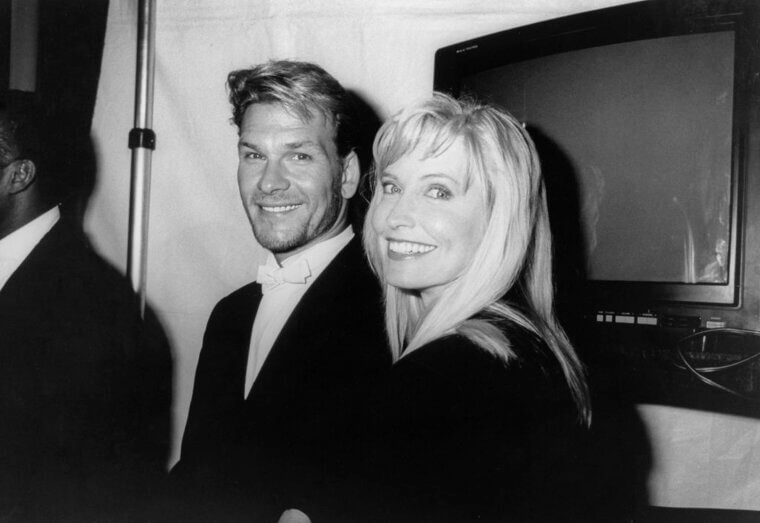
When Swayze died, fans mourned an icon; Niemi mourned the person behind the icon—the man who existed in the quiet spaces when the spotlight went away.
Pat Boone & Shirley Boone
Pat Boone and Shirley Boone were married for 65 years, a rare Hollywood-length love story rooted in faith, family, and steadfast companionship. Shirley died in 2019 at 84, and Boone publicly described the loss as parting from his “better half.” Their story isn’t centered on scandal or spectacle; it’s centered on longevity and the grief that comes when a lifetime partnership ends.
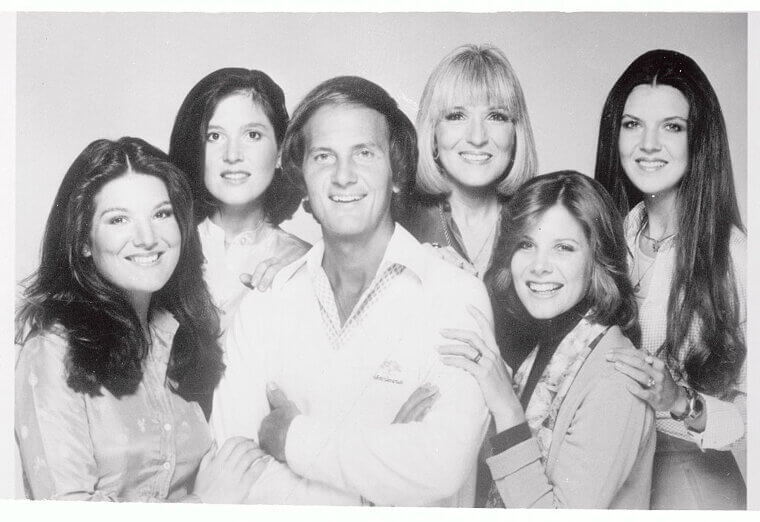
Not every loss is sudden or violent, but it can still be deeply shattering. Shirley’s death closed a chapter that had spanned most of Boone’s adult life—proof that even enduring romances still face the same final heartbreak.
James Garner & Lois Clarke
James Garner and Lois Clarke married after a famously fast courtship and stayed together for nearly 60 years. Garner died in 2014, leaving Clarke widowed after decades of shared, relatively private family life. Clarke later died in 2021. Their relationship is often remembered for its steadiness: long marriage, two daughters (including Clarke’s from a previous marriage, whom Garner adopted), and a home life that contrasted with Garner’s on-screen charisma.
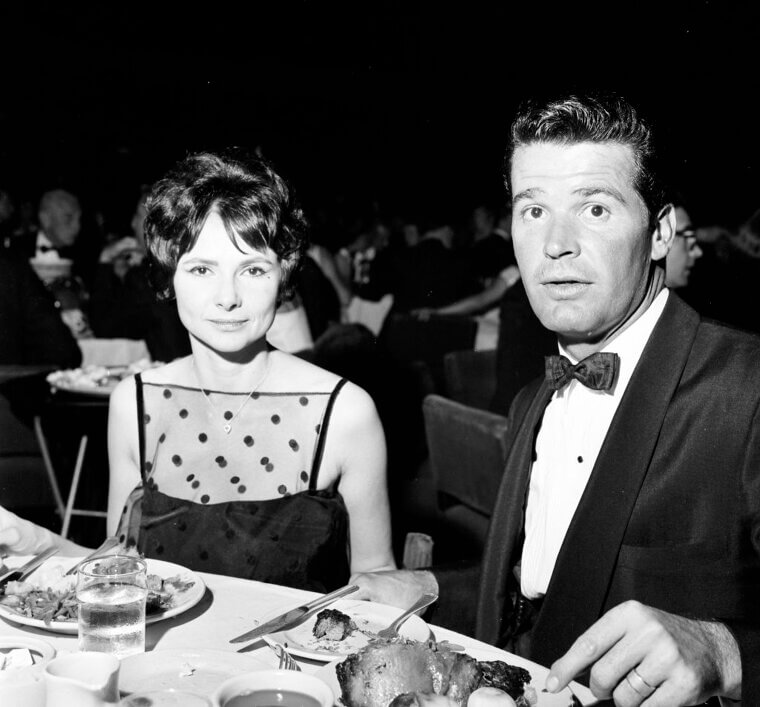
This is a quieter grief story—less “headline tragedy,” more the ache of losing a person who has been your constant.
Humphrey Bogart & Lauren Bacall
Lauren Bacall became a widow when Humphrey Bogart died in 1957 after battling cancer. Their romance—sparked on To Have and Have Not—became one of Hollywood’s most mythologized love stories, but the ending was painfully real. Bacall was still young when she lost him, and she later wrote candidly about the loneliness and disorientation of life without her partner. Bogart’s death wasn’t just the loss of a legend; it was the loss of the person she built a home and family with in an era when celebrity marriages rarely felt stable.
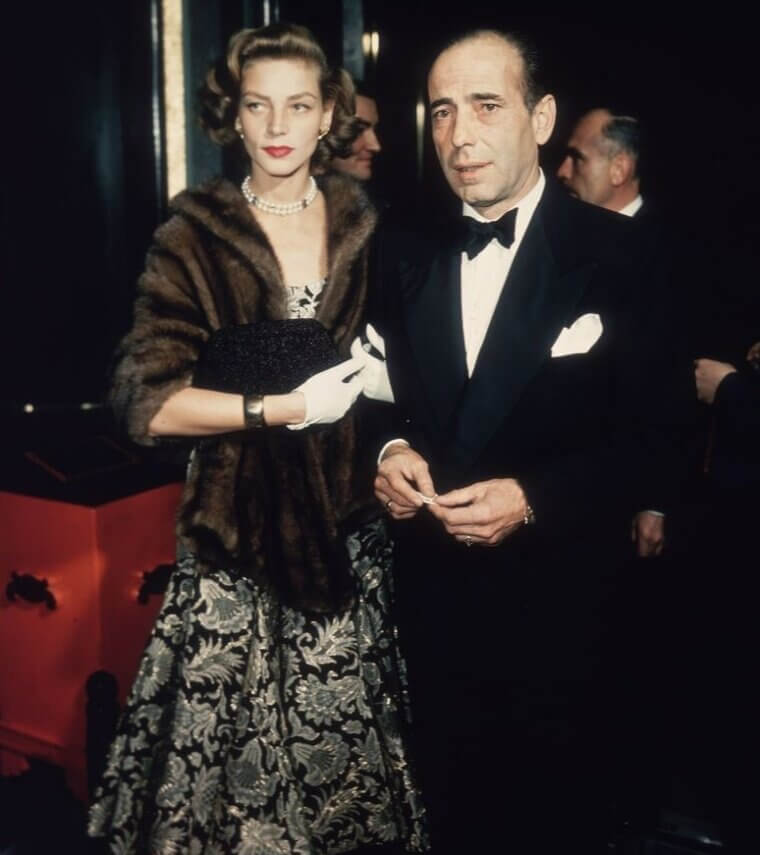
Their story endures because it mixes movie-star glamour with something universally recognizable: the moment the love of your life is suddenly gone.
Joanne Woodward & Paul Newman
Joanne Woodward became a widow when Paul Newman died in 2008 after cancer. Their marriage was famously long and relatively scandal-free by Hollywood standards—built on shared craft, shared family life, and a kind of grounded partnership that many couples admired from afar. Newman’s death wasn’t a sudden accident, but it still marked the end of one of the industry’s great love stories.
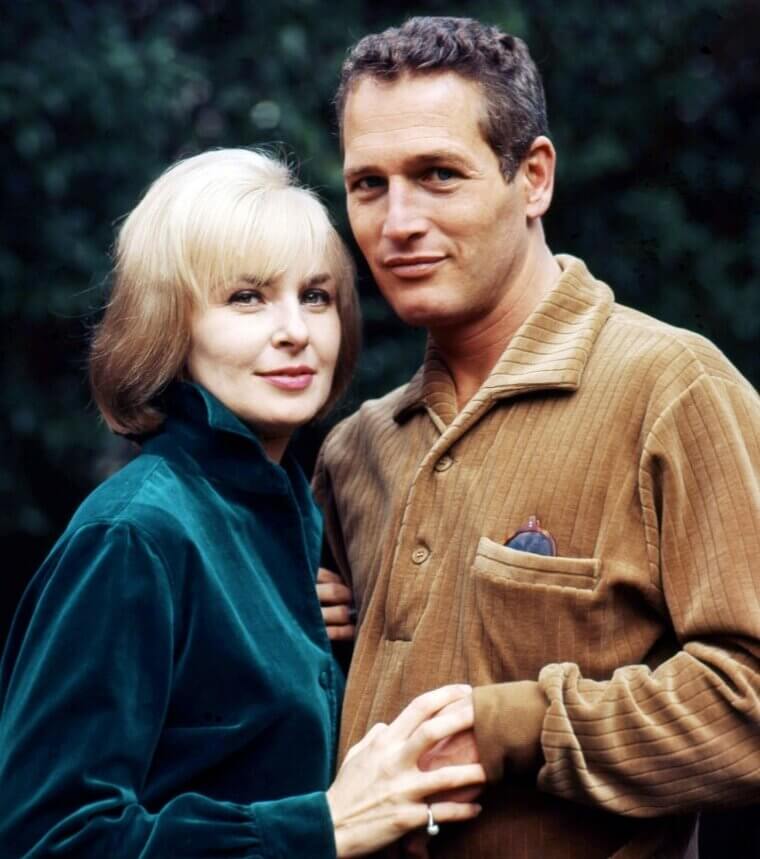
Tragedy isn’t always instantaneous; sometimes it’s the slow heartbreak of illness and the finality that comes when the person who’s been your anchor for decades is no longer there.
Gloria Vanderbilt & Wyatt Cooper
Gloria Vanderbilt was widowed when Wyatt Cooper died in 1978 during a medical procedure (heart surgery), a sudden and devastating loss that reshaped her family’s future. Cooper was a writer and businessman, and their marriage was a significant stabilizing force after Vanderbilt’s famously tumultuous early life in the public eye. His death left her to raise their sons, including future journalist Anderson Cooper, while navigating grief far from the glossy myth of “having it all.”
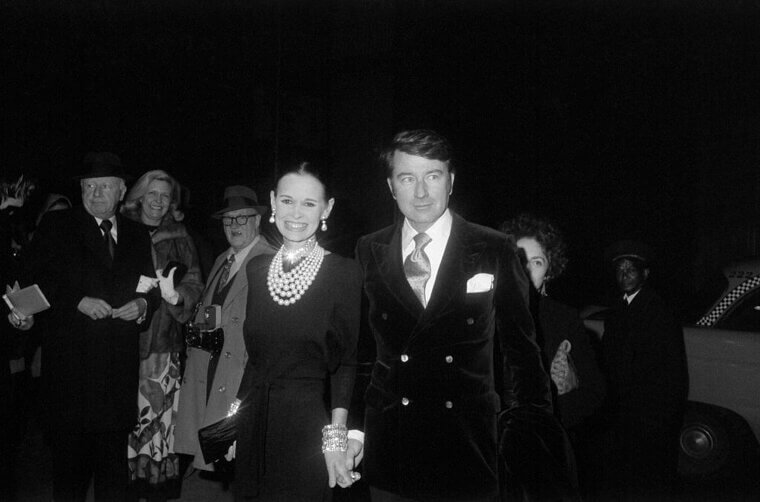
Vanderbilt’s story is often told through fashion and fame, but widowhood reveals the private cost behind the public image: rebuilding a life when the person you planned it with is abruptly gone.
Betty White & Allen Ludden
Betty White’s great love story was with Allen Ludden. They married in 1963, and she often described him as the love of her life. Ludden died in 1981 after stomach cancer, leaving White widowed for decades—she never remarried. In interviews and biographies, White’s affection for Ludden comes through as grounded and sincere, not performative: she spoke about him with the kind of warmth that suggests a partnership built on friendship first.
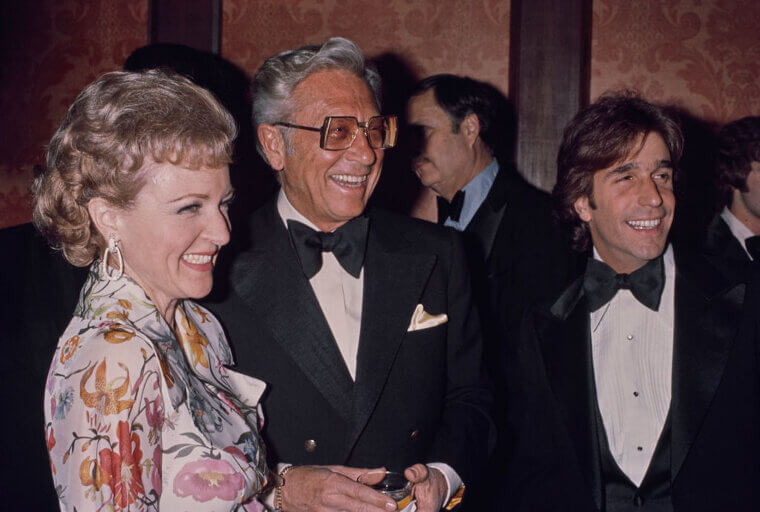
Their love was a gentle, enduring one: not scandal, not spectacle—just the ache of losing the person you wanted forever with, then living a very long “after” without them.
Chadwick Boseman & Taylor Simone Ledward
The widow in this story is Taylor Simone Ledward. After Chadwick Boseman died in 2020 from colon cancer, Boseman’s family confirmed that he and Ledward had been married. Ledward later accepted an award on his behalf, speaking emotionally about his purpose and character, and she’s been widely recognized as the spouse who stood with him through a private, multi-year illness the public largely didn’t know about until his death.
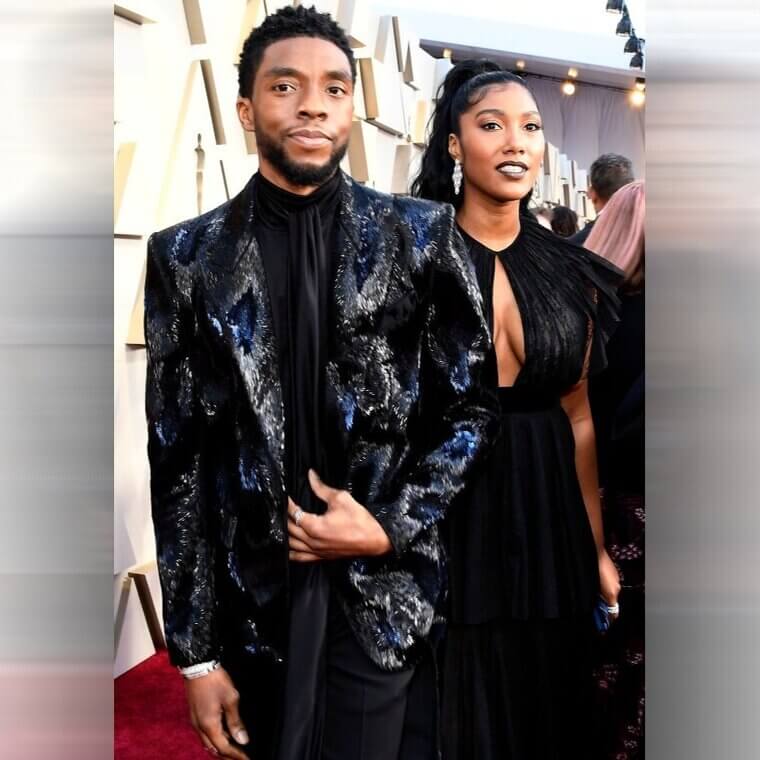
Their story is especially poignant because it is defined by privacy: love and support happening off-camera, while Boseman continued working at an extraordinary level. In widowhood, Ledward became the public voice of a relationship that had been intentionally protected from public consumption.
Martin Short & Nancy Dolman
Martin Short became a widower when his wife, Nancy Dolman, died in 2010 after ovarian cancer. Their marriage was famously private compared to Short’s very public comedic career, and friends often described them as deeply supportive partners. Short has occasionally referenced grief in ways that feel both honest and protective—acknowledging how enormous the loss was without turning it into a performance. Their story underscores that comedy and sorrow often coexist.
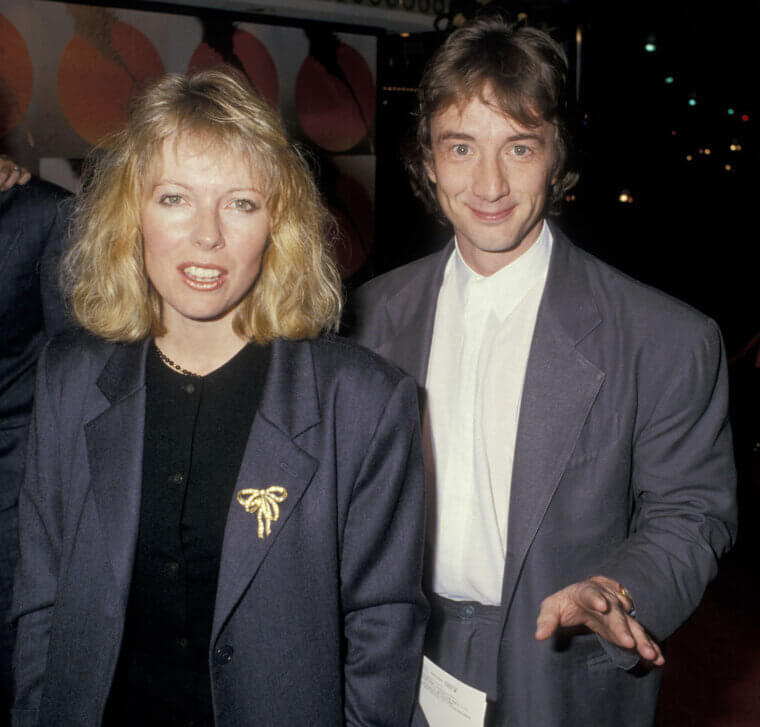
The person making audiences laugh can still be carrying something heavy at home. Dolman’s death changed Short’s life permanently, and his enduring love for her has remained a quiet constant in how he speaks about family.
William Shatner & Nerine Kidd
William Shatner’s marriage to Nerine Kidd ended tragically in 1999, when Kidd was found dead in their swimming pool. Reports at the time described it as an accidental drowning. The event was both sudden and heavily publicized, leaving Shatner grieving under intense media attention. Unlike many celebrity losses that unfold at a distance, this one happened at home—an intimate setting turned into a headline.
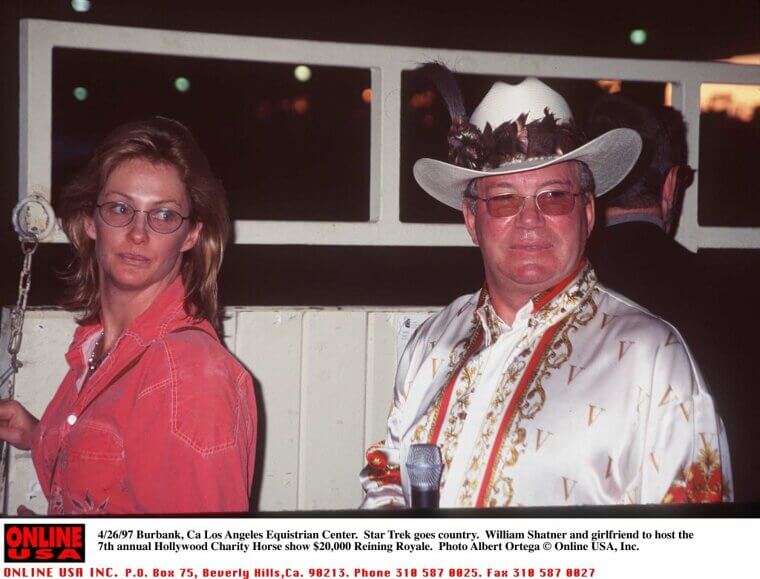
Kidd’s death remains one of the most painful chapters of Shatner’s personal life, and it’s often cited as an example of how quickly private crises become public property when fame is involved.
Kobe Bryant & Vanessa Bryant
Vanessa Bryant became a widow after Kobe Bryant died in the January 2020 helicopter crash in Calabasas, which also killed their daughter Gianna and seven others. The loss was immediate, public, and enormous—grief compounded by the scale of the tragedy. Vanessa later spoke about learning to “push forward” while honoring Kobe and Gianna’s memory, and she has continued philanthropic work connected to youth sports and community support.
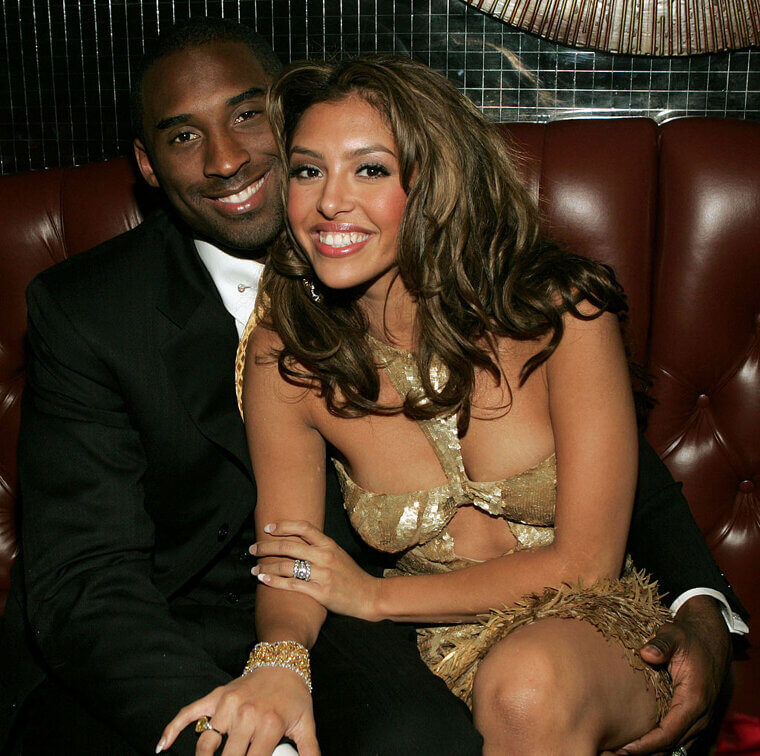
Their marriage had been part of Kobe’s public narrative for years, but widowhood forced an unthinkable rewrite: a family future collapsed in minutes. Kobe's passing represents modern, high-visibility mourning—where private devastation becomes global news, and healing is forced to happen in public view.
Joan Rivers & Edgar Rosenberg
Joan Rivers’ life changed when her husband, Edgar Rosenberg, died in 1987. Reports describe his death as suicide, and the aftermath was both emotionally and professionally destabilizing for Rivers. Their marriage had mixed love, work, and a shared climb through show business—and his loss left Rivers not only grieving, but suddenly alone in a world that can be brutal to grieving women. In later years, both Rivers and their daughter Melissa spoke about how complicated that grief was, including anger, confusion, and the slow process of rebuilding.
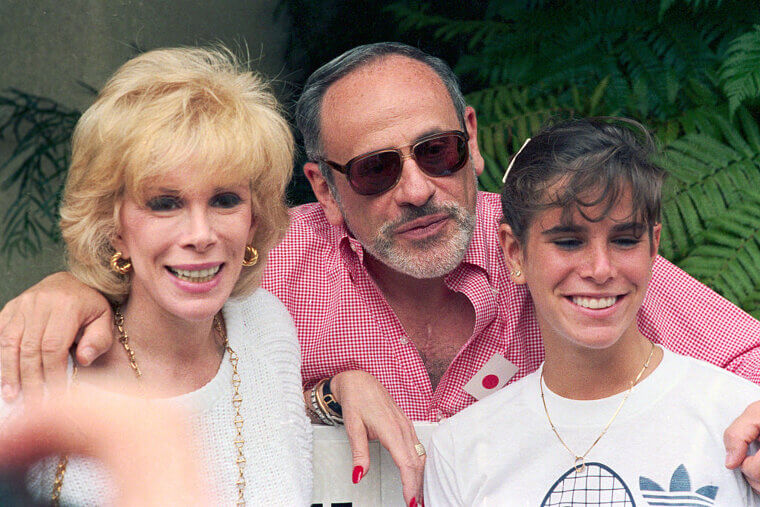
Rivers’ public persona was fearless and funny, but this chapter shows the quieter truth beneath it: a woman trying to survive a loss she never saw coming.
Steve Buscemi & Jo Andres
Steve Buscemi and artist/choreographer Jo Andres were married for decades, largely keeping their relationship out of the celebrity noise. Andres died in 2019, and Buscemi—known for being intensely private—did not turn the loss into a public narrative. That privacy is part of what makes their story feel real: a long partnership lived mostly off-camera, then ended with the kind of grief that doesn’t need headlines to be profound.
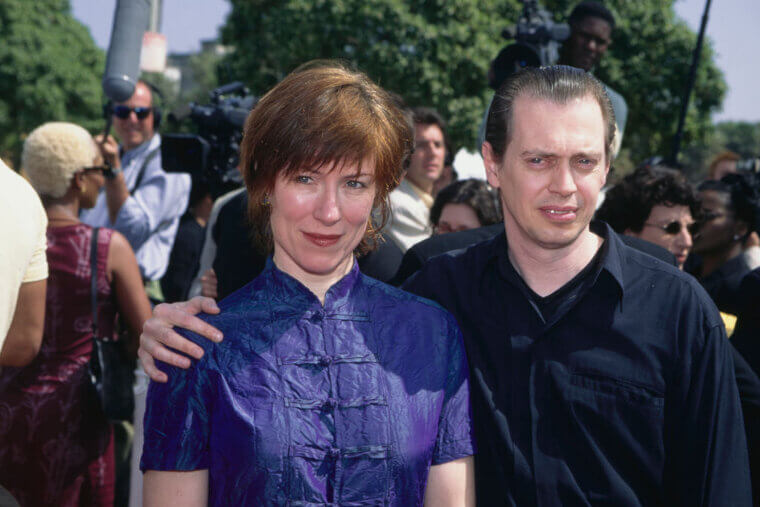
Andres’ work spanned film, dance, and visual art, and she was respected in creative circles beyond acting fame. Their lost love highlights longevity, creative companionship, and the understated heartbreak of losing a life partner after a lifetime of shared routines.
Jean Harlow & Paul Bern
Jean Harlow became a widow in 1932, just months after marrying MGM executive Paul Bern. Bern died suddenly, and contemporary accounts and later histories have long debated details, but the core fact is consistent: Harlow’s marriage was cut brutally short, leaving her grieving inside the studio system’s tightly controlled publicity machine. The tragedy is also a window into old Hollywood’s darker mechanics.
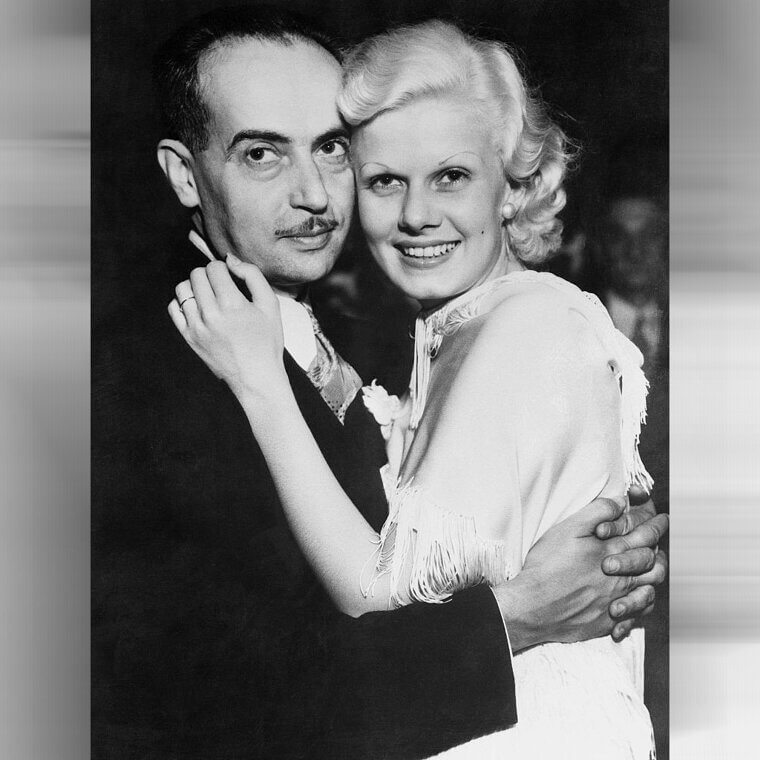
How personal crises were managed, reshaped, or silenced to protect images and careers in the golden age of Hollywood. Harlow was widowed shortly after the wedding, and the death became a lasting Hollywood mystery in the public imagination.
Roman Polanski & Sharon Tate
Sharon Tate was married to Roman Polanski when she was murdered on August 9, 1969, an event that horrified Hollywood and the wider public. Tate was pregnant at the time, making the crime feel even more shattering and senseless. Polanski’s grief became part of a broader cultural trauma: the sense that an era of innocence had ended violently. This Hollywood tragedy is one of the most notorious examples of a partner being lost through sudden, brutal violence—an act that turned a private life into global headlines.
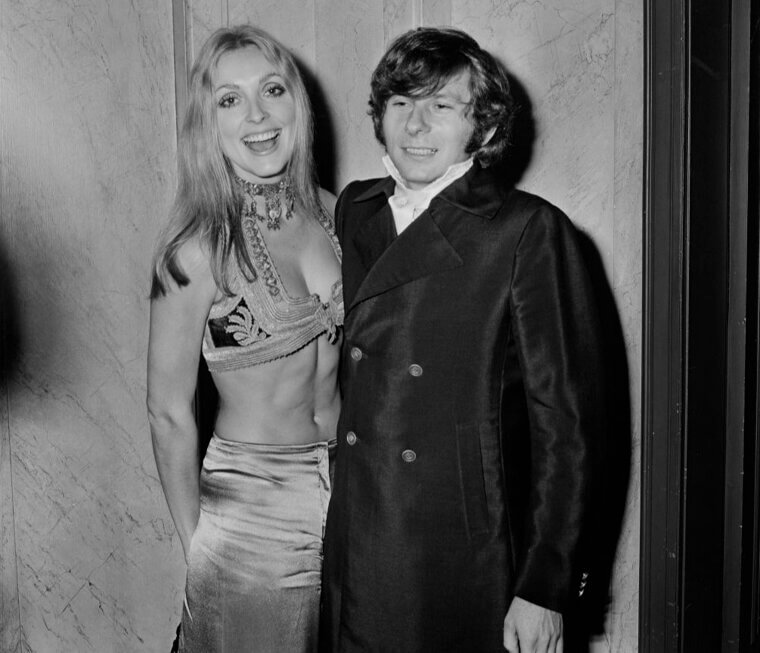
Tate’s legacy has endured through her films and the enduring shock of her death, while the tragedy remains a reference point in celebrity history.